Squid and Mango Salad
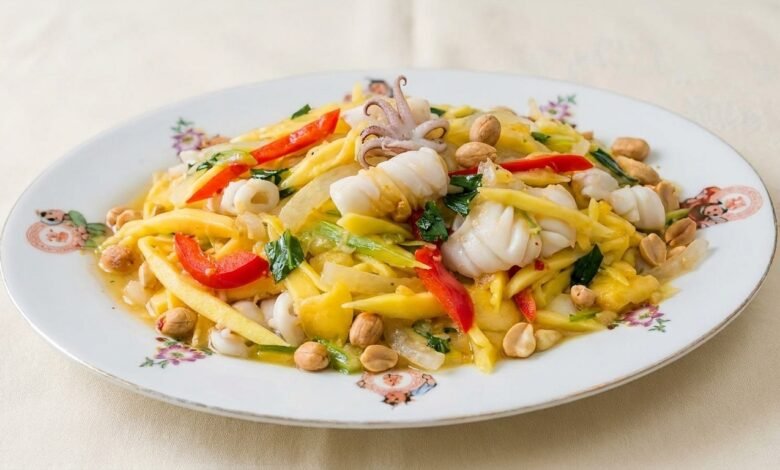
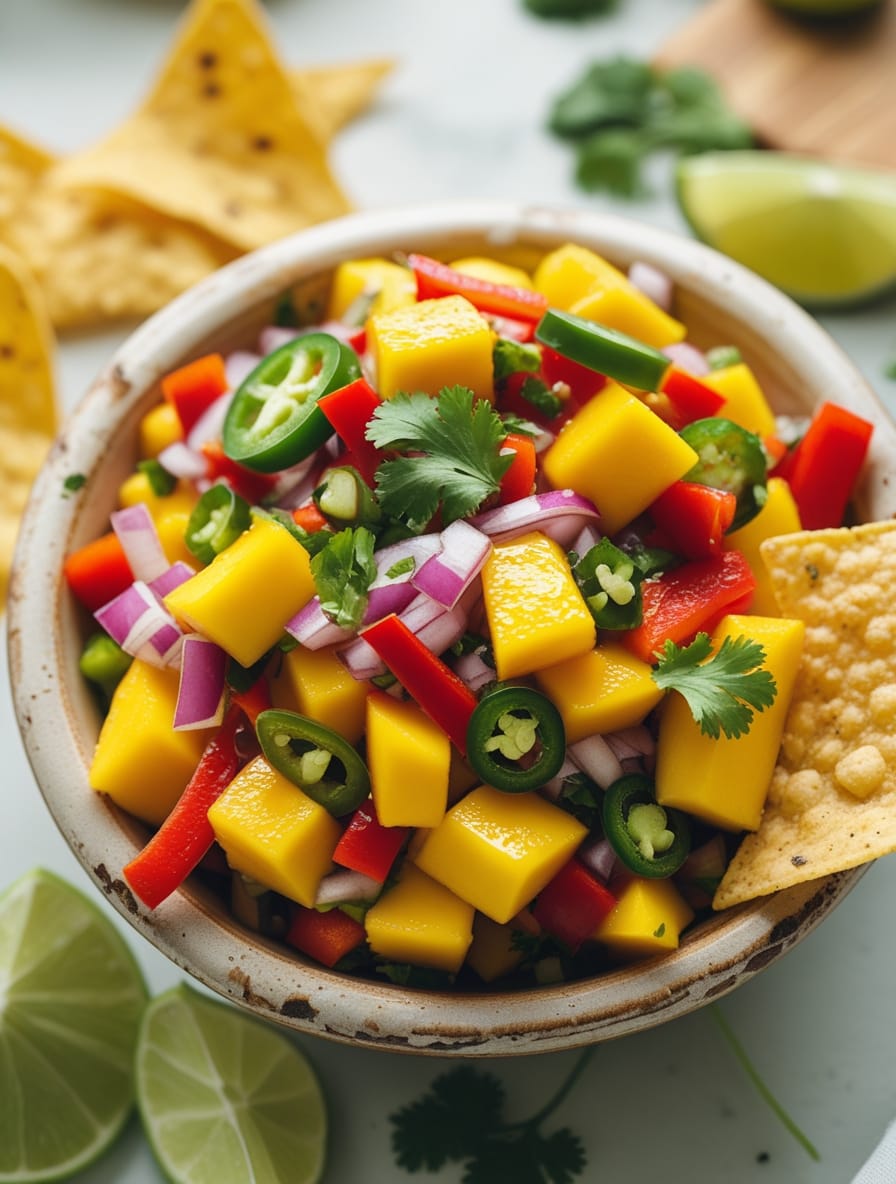
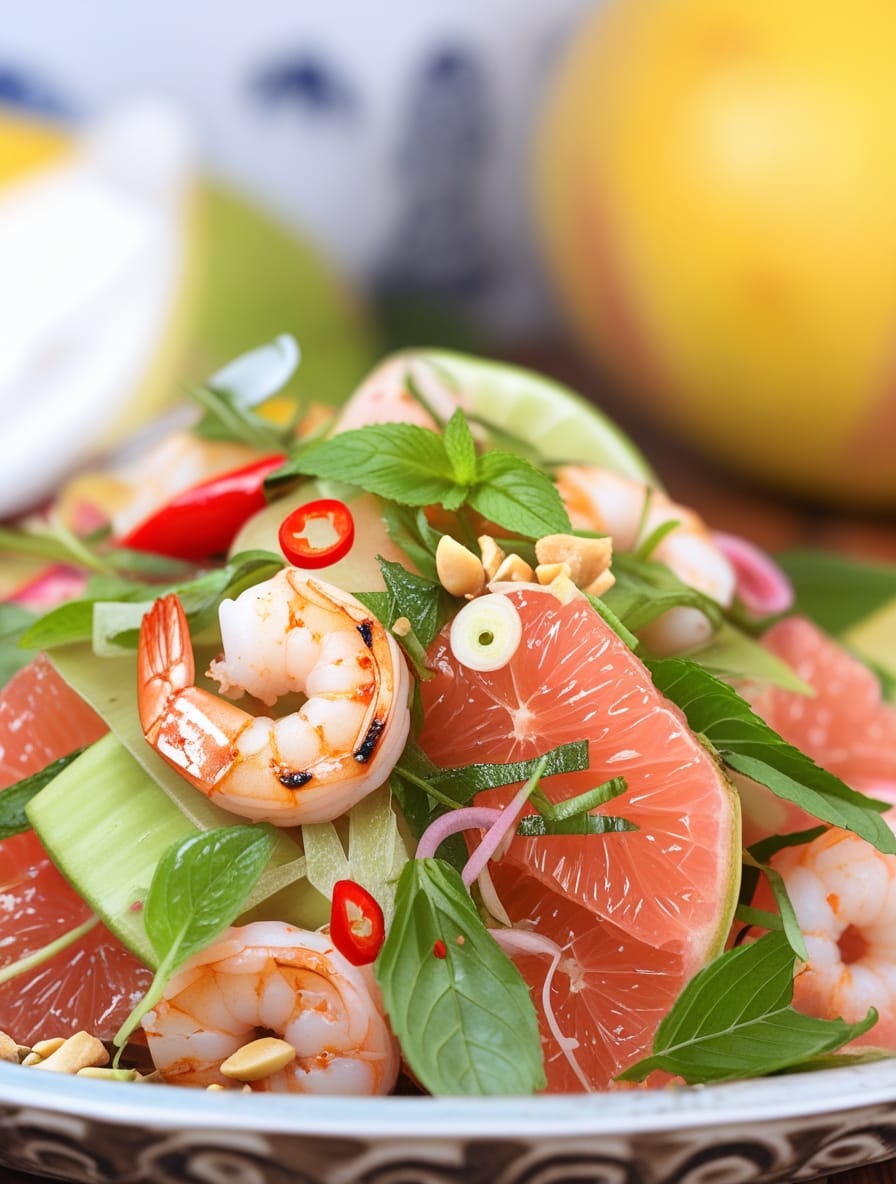
This squid and mango salad brings together tender seafood, ripe tropical fruit, and a bright sweet-tangy dressing. The combination of textures—springy squid, juicy mango, crunchy peanuts, and fresh herbs—makes it a refreshing dish for warm days or as a light starter before a larger Cambodian meal.
What sets this salad apart is the balance of flavors. The natural sweetness of mango meets the savory depth of fish sauce and dried shrimp. Fresh herbs add brightness, while roasted peanuts contribute a satisfying crunch. It comes together quickly once the squid is cooked, making it practical for a weeknight dinner or a weekend gathering.
What You Need
The ingredients for this salad are simple and widely available. Fresh or frozen squid works well—just make sure it is fully thawed before cooking. Ripe mango is essential for the salad’s sweetness, and firm, slightly underripe fruit holds its shape best when tossed. Dried shrimp adds umami and a pleasant chew, while star fruit brings a subtle tartness and visual appeal.
For the dressing, you only need a few pantry staples: white vinegar, sugar, salt, and fish sauce. These create a balanced sweet-sour-salty flavor that coats the ingredients without overpowering them. Fresh cilantro, mint, and sweet basil provide the herbal backbone, and roasted peanuts finish each bite with crunch.
Equipment
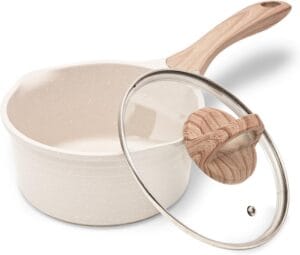
- Small pot: To boil water and cook the squid briefly until just tender.
- Chef’s knife: To slice the squid into bite-size pieces, cut the mango and star fruit, and chop the herbs.
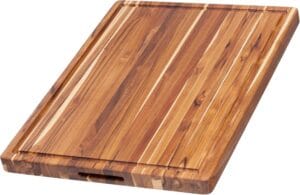
- Cutting board: To safely prepare all ingredients before mixing.
- Measuring cups and spoons: To measure the vinegar, sugar, salt, and fish sauce for the dressing.
- Mixing bowl: To combine the salad ingredients and toss everything with the dressing.
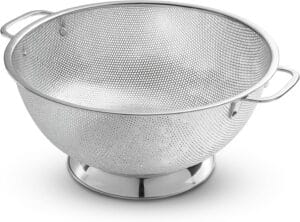
- Colander: To drain the cooked squid thoroughly after boiling.
- Serving bowl or plate: To present the finished salad with peanuts scattered on top.
How to Make Squid and Mango Salad
Step 1: Prepare the Squid
Rinse the squid under cold water. Remove the clear, tough rim and the stomach from the squid tubes. Rinse again, then lightly score the squid bodies in a crisscross pattern if you like—this is optional but helps the squid stay tender. Cut the squid into bite-size pieces.
Step 2: Cook the Squid
Bring water and salt to a boil in a small pot. When the water is bubbling, add the squid. Stir it a couple of times so it cooks evenly. As soon as the squid turns opaque and firm—usually within a minute or two—pour it into a colander and drain well. Avoid overcooking, which makes squid rubbery.
Step 3: Make the Dressing
In a small bowl, combine the white vinegar, sugar, salt, and fish sauce. Stir until the sugar and salt dissolve. Taste and adjust if needed—the dressing should be sweet, tangy, and slightly salty.
Step 4: Toss the Salad
In a large bowl, combine the sliced mango, bell pepper, sweet onion, cooked squid, and fresh herbs. Pour the dressing over the ingredients and toss gently to coat everything evenly.
Step 5: Finish and Serve
Transfer the salad to a serving bowl or plate. Scatter the roasted peanuts and sliced chili (if using) over the top. Serve immediately while the squid is still tender and the vegetables are crisp.
Cooking Tips
Cook the squid just until it turns opaque—overcooking is the most common mistake and turns squid tough and chewy. Use firm, ripe mango so it holds its shape when tossed. If your dried shrimp is very salty, soak it briefly and taste before adding extra fish sauce to the dressing. The salad is best served fresh, but you can prepare the dressing and chop the vegetables a few hours ahead and keep them chilled separately.
How to Serve
This salad works well as a light main course for lunch or a starter for a larger Cambodian meal. Serve it alongside steamed jasmine rice or as part of a spread with grilled meats and soups. For a complete meal, pair it with a simple Cambodian chicken soup or a stir-fried vegetable dish.
Recipe Notes
The supplied recipe includes an optional crisscross cut on the squid, which helps the pieces curl and cook evenly. The chili is also optional—add it only if you enjoy a little heat. For food safety guidance on seafood preparation, see the U.S. Food and Drug Administration’s seafood safety advice. For general nutrition information about squid, the USDA FoodData Central database provides detailed data.
Frequently Asked Questions
Can I use frozen squid for this recipe?
Yes. Thaw frozen squid completely in the refrigerator overnight before cooking. Pat it dry before boiling to avoid excess water in the pot.
What can I use instead of star fruit?
If star fruit is unavailable, you can omit it or add a squeeze of fresh lime juice for a similar tart note. The salad will still taste balanced.
Is this salad gluten-free?
The recipe does not contain wheat flour or other obvious gluten sources. However, fish sauce brands vary—check the label if you need a confirmed gluten-free product.
How should I store leftovers?
Store leftovers in an airtight container in the refrigerator for up to one day. The peanuts will soften, so add fresh peanuts before serving if possible.
Final Thoughts
Squid and mango salad is a bright, textural dish that shows how Cambodian cooking balances sweet, sour, salty, and fresh flavors in a single bowl. Once the squid is cooked, the salad comes together in minutes—perfect for a quick lunch or a colorful addition to a shared meal. Give it a try the next time you want something light, satisfying, and full of contrast.
Squid and Mango Salad
4
servings15
minutes5
minutes248
kcal20
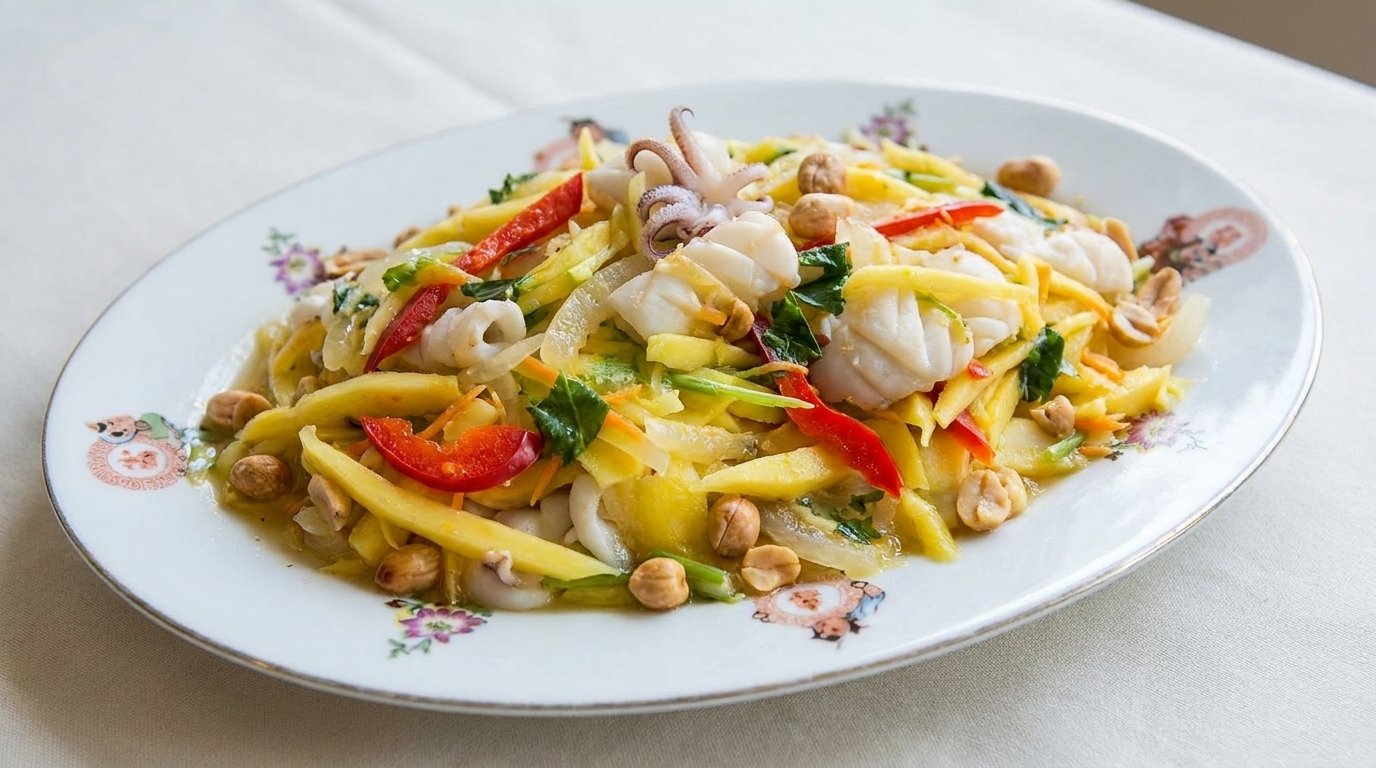
minutesThis squid and mango salad combines tender boiled squid with juicy mango, star fruit, sweet onion, and fresh herbs. A simple dressing of vinegar, sugar, salt, and fish sauce brings everything together, while roasted peanuts add crunch. Serve it as a light main or a starter.
Ingredients
1/2 lb (225 gram) of fillet basa, catfish or salmon
3 star fruit
1/4 cup white vinegar
1 tablespoon sugar
1/2 teaspoon salt
1/2 teaspoon fish sauce
1 yellow onion, sliced thin
2 oz (56 gram) of large size dried shrimp , soaked in warm water, drained
1 cup chopped mix herbs; cilantro, mint, and sweet basil leaves
1/2 cup unsalted roasted peanut
1 hot chili pepper, slice (option)
Directions
- Washed squid with cold water, removed clear tough rim and stomach from squid tubes, rinsed, slightly cut crisscross on squid body(option) before cut squid to bite sizes.
- Boiled water and salt in a small pot, add squid when water bubbling, stirs couple the times before pour squid in a colander to drained. Do not over cook squid.
- In a large bowl, mix mango with bell pepper, sweet onion, boiled squid and fresh herbs. Pour sweet fish sauce over, stirs well. Top with roasted peanut before serve.
Equipment
 Cutting boardCheck product details
 Dinner PlatesCheck product details
 Mixing BowlsCheck product details
 Sharp Kitchen KnifeCheck product details
 Small potCheck product details
 StrainerCheck product details


Recipe Video
Nutrition Facts
- Serving Size: 2 g
- Total number of serves: 4
- Calories: 248kcal
- Fat: 10.3g
- Saturated Fat: 1.5g
- Cholesterol: 184mg
- Sodium: 881mg
- Potassium: 556mg
- Carbohydrates: 14.2g
- Net Carbs: 9.8g
- Fiber: 4.4g
- Sugar: 7.5g
- Protein: 26.9g
- Vitamin A: 24.4mcg
- Vitamin C: 43.3mg
- Calcium: 106mg
- Iron: 2mg
- Vitamin D: 0.5mcg
- Vitamin E: 0.6mg
- Vitamin K: 26.6mcg
- Thiamin: 0.2mg
- Riboflavin: 0.1mg
- Niacin: 4.6mg
- Vitamin B6: 0.3mg
- Vitamin B12: 0.5mcg
- Folate: 68.2mcg
- Pantothenic Acid: 0.8mg
- Phosphorus: 210mg
- Magnesium: 70mg
- Zinc: 1mg
- Selenium: 20.7mcg
- Copper: 0.3mg
- Manganese: 0.7mg
Did you make this recipe?
Tag @cambodiarecipe on Instagram and hashtag it
Like this recipe?
Follow us @cambodiarecipe on Pinterest
Did you make this recipe?
Follow us on Facebook