Sweet Sour Pineapple Pork Ribs Soup
There are some meals that just wrap themselves around you like a warm blanket. This Sweet Sour Pineapple Pork Ribs Soup is exactly that kind of dish for my family. The moment those aromas start floating through the kitchen – lemongrass, kaffir lime, and that gorgeous tang from pineapple and tamarind – everyone just starts wandering in asking what’s for dinner.
I learned this recipe from my grandmother, who never measured anything. She would just toss things into the pot and somehow it always came out perfect. It took me years to figure out the amounts so I could share it with you properly. Now it’s one of those recipes I make when I need to feel connected to home, or when someone in the house has had a long week and needs something soothing.
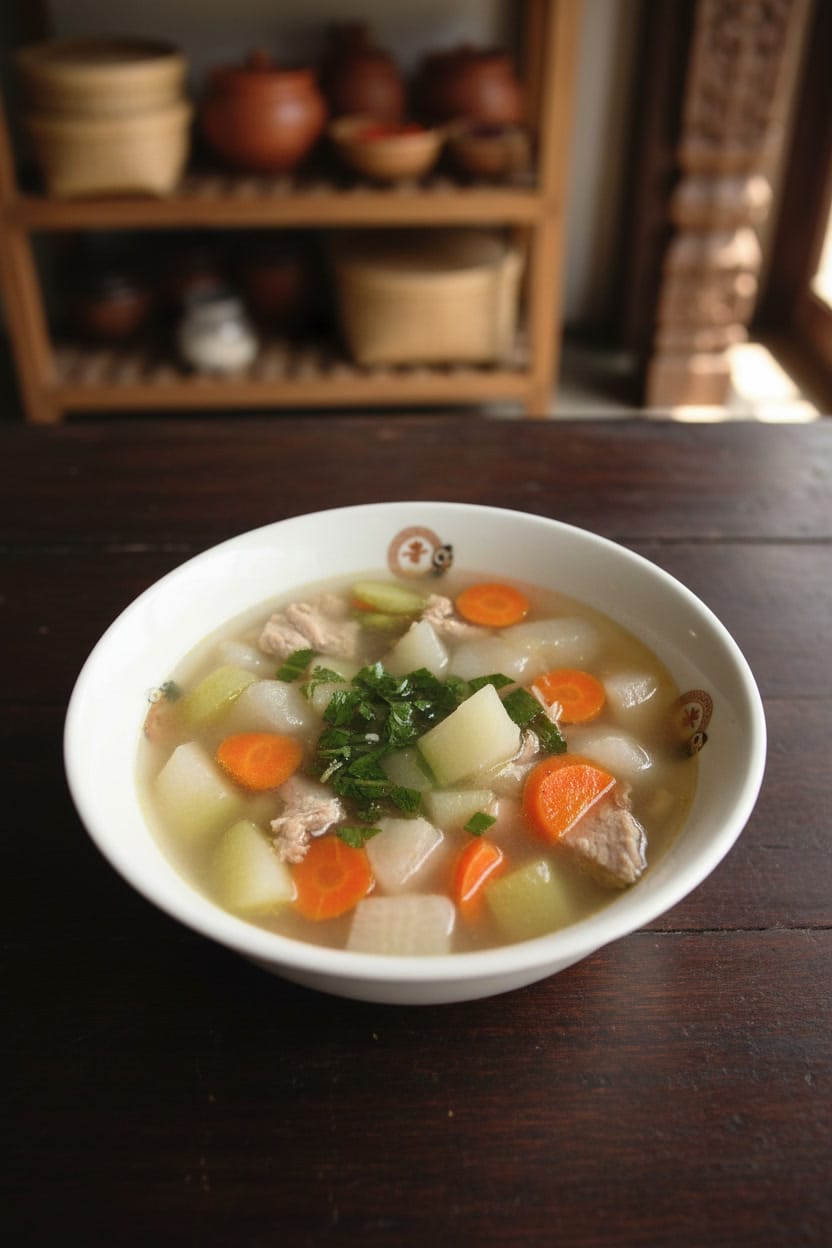
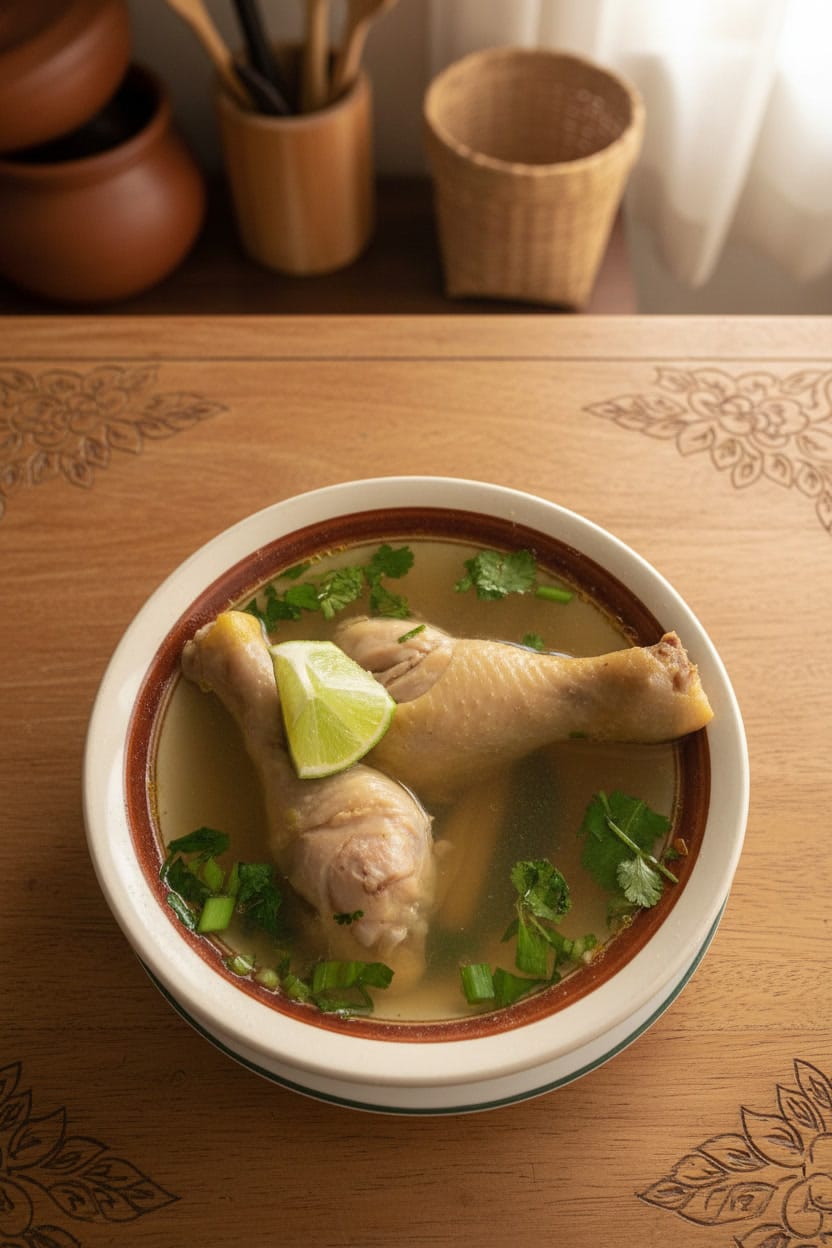
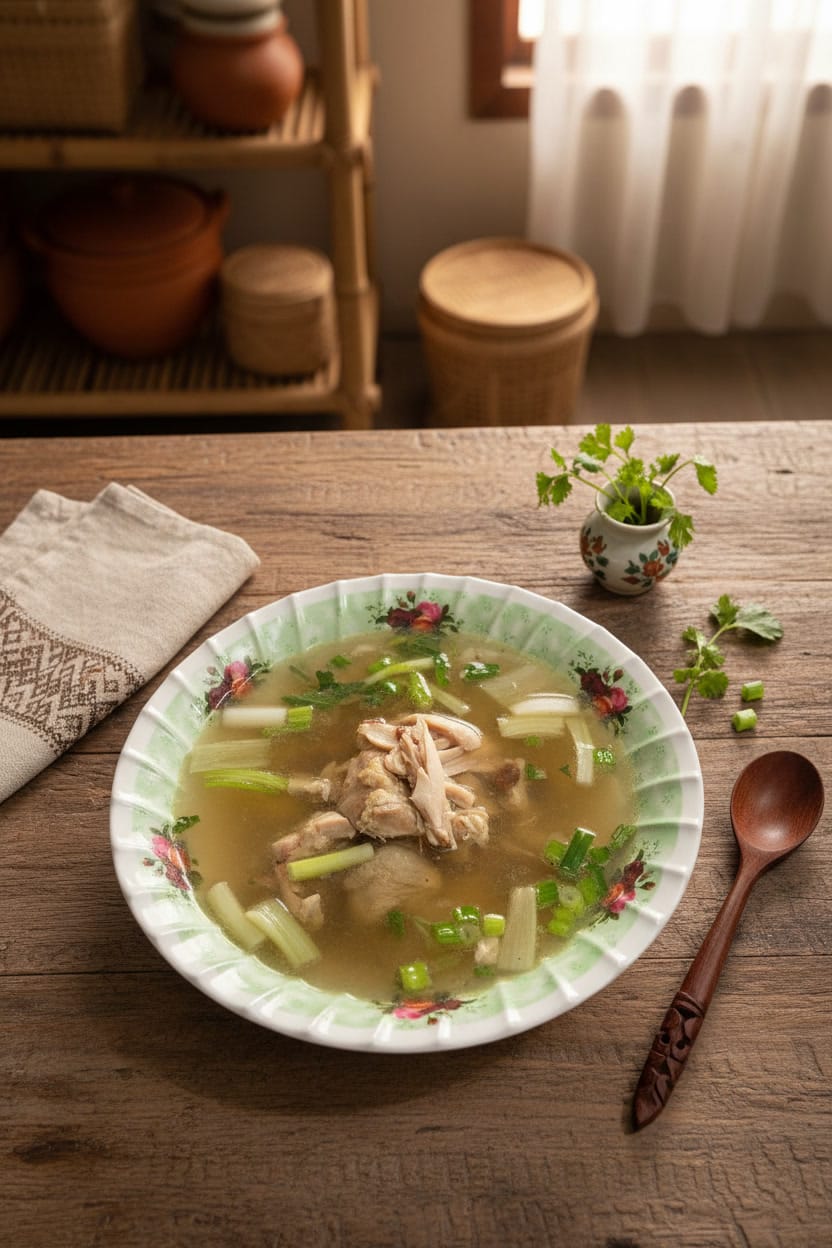
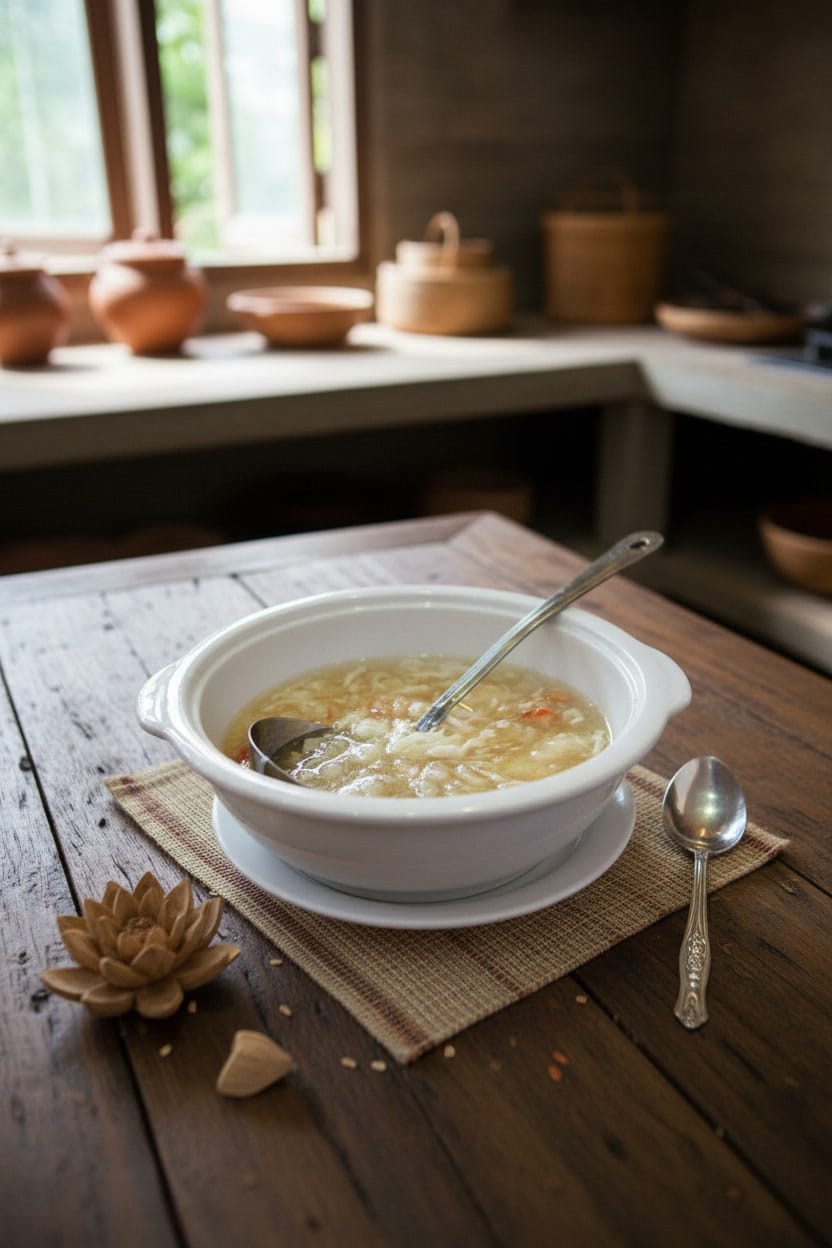
The soup is beautiful to look at too. Clear broth with golden pineapple chunks, tender pork, and all those lovely green herbs floating on top. It’s the kind of food that makes you want to sit down slowly and take your time eating.
Why You’ll Love This Soup
If you’ve never tried Khmer cooking before, this is such a lovely place to start. The flavors might sound like a lot – sweet, sour, salty, and a little spicy all together – but they just work. Your taste buds will be so happy.
The pork gets incredibly tender from simmering slowly. It falls right off the bone. And the pineapple? Something magical happens when it cooks. It releases its sweetness into the broth but also soaks up all those savory flavors. Each piece is like a little burst of sunshine.
This is also one of those forgiving recipes. You can’t really mess it up. If you need more time, the soup just gets better. If you don’t have one herb, use something else. Cooking should feel flexible and fun, not stressful.
And honestly, the smell alone is worth making it. Your whole house will smell like a Cambodian kitchen – warm, fragrant, and inviting. People will start gathering before you even call them to the table.
My Personal Experience
The first time I tried making this soup alone, I was maybe nineteen years old and living far from my family. I called my mother in a panic because the broth didn’t taste right. She laughed and asked if I added the tamarind yet. I hadn’t. That little bit of sour was exactly what was missing.
Now whenever I make this soup, I think about that phone call. How patient she was. How she talked me through it step by step even though she probably had a million other things to do. Food does that, doesn’t it? It connects us to people even when they’re far away.
I’ve made this soup in tiny apartments with barely any counter space. I’ve made it for friends who’d never tried Cambodian food before. I’ve made it on lazy Sundays when I just wanted something to simmer on the stove while I read a book. It never disappoints.
The thing I love most is watching someone try it for the first time. That moment when they get a spoonful with a bit of broth, some rice, a piece of pork, and maybe a little chili. Their eyes get wide and they go quiet for a second. Then they reach for more. That’s the best compliment.
Easy-to-Find Ingredients
You might look at this ingredient list and worry about finding everything. Please don’t. Most of these things are in regular grocery stores now, especially the fresh herbs and the lemongrass. The Asian section usually has the tamarind powder and fish sauce too.
For the pork, just ask your butcher for riblets or country-style ribs. They don’t need to be perfect. Even cheaper cuts work beautifully here because the long cooking makes them tender. I’ve used all kinds and it always turns out good.
Fresh pineapple is wonderful when you can get it. But honestly? Canned works great too. I keep cans in my pantry for those days when I want this soup but don’t have fresh pineapple. Nobody will know the difference once it’s cooked.
The herbs might be the hardest thing to find depending where you live. But you can leave out the rice paddy herb if you must. The soup will still be delicious. Or use cilantro if that’s easier. Cooking is about making things work for you.
Ingredients List
- 2 tablespoons vegetable oil
- 2 cloves garlic, chopped
- 2 pounds (about 900 grams) pork riblets, cut into chunks
- 2 tablespoons minced lemongrass (fresh or frozen)
- 1/2 teaspoon salt
- 1/4 teaspoon black pepper
- 1 small can chunk pineapple or 1/2 fresh pineapple, cut into chunks
- 2 kaffir lime leaves
- 5 cups water
- 2 stalks taro, peeled and sliced
- 2 cups bean sprouts
- 1 tomato, sliced
- 1 tablespoon Knorr tamarind powder (or other brand)
- 2 tablespoons fish sauce
- 2 tablespoons sugar
- Handful fresh rice paddy herb, chopped
- Handful saw leaf herb, chopped
- 2 fresh chili peppers, chopped (optional, for spice)
Why These Ingredients Are Used
- Vegetable oil – Just for sautéing at the beginning. Any oil works.
- Garlic – Gives that first layer of flavor. Toasting some to put on top at the end adds nice crunch.
- Pork riblets – They have bones which add flavor to the broth, and the meat gets so tender.
- Lemongrass – Such a fresh, clean taste. It’s the heart of so many Cambodian soups.
- Salt and pepper – Simple seasoning that helps everything else shine.
- Pineapple – Brings sweetness and a little tang. It softens as it cooks and tastes amazing.
- Kaffir lime leaves – That citrusy smell that makes you think of Southeast Asia. Don’t skip these.
- Water – Simple base that lets all the flavors come through.
- Taro stalks – They add a nice texture and soak up the broth. Kind of like a vegetable you chew.
- Bean sprouts – Give freshness and crunch right at the end.
- Tomato – Adds a little color and soft sourness.
- Tamarind powder – This is the sour punch. Makes the soup bright and lively.
- Fish sauce – The salty depth that ties everything together. Use a good one.
- Sugar – Balances the sour and salt. Helps the flavors harmonize.
- Fresh herbs – These are not just garnish. They add whole new layers of flavor.
- Chili – For heat. Add as much or as little as you like.
Cooking Equipment Needed
- Large soup pot – Big enough to hold everything with room for stirring. I use a 5 or 6 quart pot.
- Cutting board – For chopping garlic, herbs, and vegetables.
- Sharp knife – Makes prepping everything easier and safer.
- Wooden spoon – For stirring without scratching your pot.
- Measuring spoons – Helpful for getting the seasonings right, especially the first time.
- Small bowl – To hold the toasted garlic while you finish the soup.
- Ladle – For serving. The best tool for getting broth and solids into bowls.
- Serving bowls – Wide ones work nicely so you can see all the good things in the soup.
Cooking Instructions
Start by getting everything ready before you turn on the heat. This makes cooking so much less stressful. Chop your garlic, measure your lemongrass, cut your pork into chunks if it isn’t already. Have everything nearby. In Cambodia we call this mis en place – well, we don’t actually call it that, but we do it anyway.
When you’re ready, put your pot on the stove over medium heat. Add the oil and let it warm up for just a minute. Then toss in the chopped garlic. Listen for that gentle sizzle. That’s a good sound. Let it cook until it turns light brown, but watch it carefully because garlic can burn fast.
Here’s a little trick – take most of that toasted garlic out of the pot and set it aside in a small bowl. You’ll sprinkle it on top at the end. Leave just a little bit in the pot for flavor.
Now add your pork pieces right into the pot with the remaining garlic. Add the lemongrass, salt, and pepper. Stir everything around so the pork gets coated. Let it cook for a few minutes until the meat starts to brown just a little on the edges.
Add your pineapple chunks and kaffir lime leaves. Give it all a good stir. Then pour in the water. Turn the heat up and bring it to a boil. Once it’s boiling, turn it down to low, put a lid on, and let it simmer. This is the waiting part. Let it cook for at least an hour, maybe longer, until the pork is really tender. The meat should practically fall off the bone when you poke it with a fork.
When the pork is soft and the kitchen smells amazing, add the taro stalks, bean sprouts, and tomato slices. Stir gently and let everything cook for another five to ten minutes. The vegetables should be tender but not mushy.
Now for the seasoning. This is the important part. Add your tamarind powder, fish sauce, and sugar. Stir well and taste the broth. Does it need more sour? Add a little more tamarind. More salt? Another splash of fish sauce. Adjust until it tastes right to you. Everyone’s perfect soup is a little different.
Just before serving, stir in most of your fresh herbs, saving some to sprinkle on top. If you’re using chili, add it now or let people add their own at the table.
Ladle the soup into bowls, making sure everyone gets some pork, pineapple, and vegetables. Sprinkle the reserved toasted garlic and extra fresh herbs on top. Serve hot with plenty of rice.
Step-by-Step Directions
- Get all your ingredients ready before you start cooking. Chop, measure, and have everything within reach.
- Heat your soup pot over medium heat and add the vegetable oil.
- Add chopped garlic and sauté until light brown. Remove most of the garlic and set aside for later.
- Add pork riblets, lemongrass, salt, and black pepper to the pot. Stir well and cook for a few minutes until pork starts to brown slightly.
- Add pineapple chunks and kaffir lime leaves. Stir everything together.
- Pour in 5 cups of water. Bring to a boil, then reduce heat to low, cover, and simmer for about an hour or until pork is very tender.
- Add taro stalks, bean sprouts, and tomato slices. Cook for another 5-10 minutes until vegetables are tender.
- Season with tamarind powder, fish sauce, and sugar. Stir well and taste. Adjust seasonings as needed.
- Add most of the chopped fresh herbs, saving some for garnish.
- Ladle soup into bowls. Top with reserved toasted garlic, fresh herbs, and chopped chili if desired.
- Serve hot with rice on the side.
Tips for Best Flavor
- Take your time with the simmering. The longer the pork cooks, the more flavor it releases into the broth. An hour and a half is even better than one hour.
- Taste as you go. Seasoning is personal. What tastes right to me might need more salt or sour for you. Trust your own taste buds.
- Use good fish sauce. This makes a real difference. Look for brands with just anchovies and salt in the ingredients.
- Don’t skip toasting the garlic at the beginning. That little sprinkle on top at the end adds such nice texture and flavor.
- Add herbs right before serving. They lose their brightness if they cook too long. Fresh and green is what you want.
- Let the soup rest for a few minutes after cooking. The flavors settle and come together beautifully.
- If using fresh pineapple, cut it into similar sized chunks. This helps everything cook evenly.
- Crush the kaffir lime leaves slightly before adding. This releases more of that wonderful citrus oil.
Variations and Adaptations
- No pork? Use chicken thighs instead. They stay moist and tender. Just adjust cooking time since chicken cooks faster.
- Vegetarian version – Skip the meat and use vegetable broth. Add tofu or more vegetables like carrots and bok choy.
- Different herbs – Can’t find rice paddy herb? Use cilantro or Thai basil. It won’t be exactly the same but still delicious.
- Fresh tamarind – If you can find it, soak a small piece in warm water and squeeze out the pulp instead of using powder.
- Less sweet – Cut back on the sugar or use less pineapple. Taste and adjust until it’s right for you.
- More vegetables – Add green beans, cabbage, or whatever you have. This soup is flexible.
- Spicier – Add more chilies or serve with chili flakes on the table so everyone can adjust their own bowl.
- No taro stalks – Use green papaya or even potato if you want something similar. The texture will be different but still nice.
Serving Suggestions
- Steamed jasmine rice is essential. The soup is meant to be eaten with rice, either mixed in or on the side.
- Serve with extra fish sauce and chilies on the table so people can adjust their own bowls.
- A squeeze of fresh lime over each bowl just before eating brightens everything up even more.
- Pair with a simple cucumber salad for something cool and fresh alongside.
- Leftover soup is wonderful the next day. The flavors get even deeper overnight.
- For a bigger meal, add some fresh spring rolls or grilled meat on the side.
- In Cambodia, we often eat this for lunch with just the soup and rice. Simple and perfect.
Storing Leftovers
- Cool the soup completely before storing. Don’t put hot soup directly in the fridge.
- Store in airtight containers in the refrigerator for up to three days.
- Keep rice separately so it doesn’t get soggy in the soup.
- Reheat gently on the stovetop over medium heat until bubbling. You can add a little water if it thickened too much.
- The soup also freezes well for up to two months. Leave out the bean sprouts if you plan to freeze, as they get mushy.
- When reheating from frozen, thaw in the fridge overnight then warm slowly on the stove.
- Add fresh herbs when serving leftovers to brighten it back up. The old ones will have lost their flavor.
Final Thoughts
This Sweet Sour Pineapple Pork Ribs Soup has been part of my life for as long as I can remember. It’s the soup my mother made when I was sick. It’s the soup I made when I missed home. It’s the soup I’ve shared with friends who wanted to understand Cambodian food for the first time.
If you’re nervous about trying a new cuisine, start here. The ingredients are friendly. The process is forgiving. And the result is genuinely delicious. You don’t need any special skills, just a pot and a little time.
I’d love to hear how it turns out for you. Did you add extra chili? Use something different than taro? Cooking is about making recipes your own. This one has plenty of room for your personal touch.
For more Cambodian recipes, check out my guide to [Authentic Khmer Noodle Dishes] or this simple [Coconut Fish Curry] that my family loves. If you’re interested in learning more about Southeast Asian cooking in general, Serious Eats has a great article on essential ingredients for your pantry.
Thank you for spending time in my kitchen today. I hope this soup brings you and your family the same warmth it’s brought to mine for generations. Happy cooking, and eat well.
Frequently Asked Questions (FAQs)
Q: Can I use chicken instead of pork?
A: Yes, absolutely. Chicken thighs work best because they stay moist. Just reduce the cooking time since chicken cooks faster than pork. Check for doneness after about 30-40 minutes.
Q: What if I can’t find taro stalks?
A: No problem at all. You can leave them out, or try using green papaya, green mango, or even sliced bamboo shoots. The texture will be different but still nice.
Q: Is this soup very spicy?
A: It doesn’t have to be. The recipe calls for chili as optional, so you can skip it entirely or serve it on the side so each person adds their own. My kids eat this without any chili.
Q: Can I make this in a slow cooker?
A: Yes, this works great in a slow cooker. Brown the garlic and pork first in a pan, then transfer everything except the quick-cooking vegetables and herbs to the slow cooker. Cook on low for 6-8 hours. Add the bean sprouts, tomato, and fresh herbs at the end.
Q: What is tamarind powder and where do I find it?
A: Tamarind powder is made from dried tamarind and gives that sour taste. Look for it in the Asian section of your grocery store or at Asian markets. You can also use tamarind paste or fresh tamarind soaked in water.
Q: How do I know when the pork is done?
A: The pork should be very tender, practically falling off the bone. If you poke it with a fork, it should shred easily. This usually takes at least an hour, sometimes longer depending on the cut.
Q: Can I use bottled lemongrass?
A: Yes, the recipe actually calls for minced lemongrass which can be fresh or frozen. Bottled or tube lemongrass works fine too. Fresh is lovely but not necessary.
Q: Why do I take the garlic out at the beginning?
A: Toasting some garlic and adding it at the end gives a nice crunch and fresh garlic flavor. If you leave it all in, it just melts into the soup. Both ways work, but that little sprinkle on top is special.
Sweet Sour Pineapple Pork Ribs Soup
2
servings30
minutes1
hour385
kcal1
hour30
minutesThis Sweet Sour Pineapple Pork Ribs Soup is a comforting Cambodian dish featuring tender pork, sweet pineapple, and fragrant herbs in a perfectly balanced broth that’s sour, salty, and slightly sweet.
Ingredients
2 tablespoons 2 vegetable oil
2 cloves 2 garlic, chopped
2 lbs 2 (900 gram) of pork riblets, cut to chunks
2 tablespoons 2 fresh or frozen minced lemon grass
1/2 teaspoon 1/2 salt
1/4 teaspoon 1/4 black pepper
1 small 1 canned chunk pineapple or ½ fresh pineapple, cut chunks
2 2 Kaffir lime leaf
5 cups 5 water
2 2 stalks taro, peeled and sliced
2 cups 2 bean sprouts
1 1 tomato, sliced
1 tablespoon 1 Knorr tamarind powder
2 tablespoons 2 fish sauce
2 tablespoons 2 sugar
A handful of chopped fresh rice paddy herb, and saw leaf herb
2 2 chopped fresh chili pepper, or to your taste(option)
Directions
- Pre-heat a soup pot, add oil and garlic when it hot.
- Saute’ garlic till light brown color then removed only toasted garlic and set it a side.
- Put pork riblets, lemon grass, salt and black pepper in to soup pot, stirs well.
- Add pineapple, kaffir lime leaf and water, and cook till pork riblets tender.
- Add taro stalks, bean sprouts and tomato.
- Seasoning soup with tamarind powder, sugar and fish sauce, stirs well.
- Top with fresh herbs, chili pepper and roasted garlic before serve.
Recipe Video
Recipe Notes
- Pork riblets can be substituted with country-style ribs or even pork shoulder cut into chunks.
- If using fresh pineapple, choose one that’s ripe but still firm so it holds its shape when cooked.
- Knorr tamarind powder is common but any brand works. Start with less and add more to taste.
- Rice paddy herb has a unique flavor but can be replaced with cilantro in a pinch.
- Saw leaf herb is also called culantro and has a stronger taste than cilantro. Use less if substituting.
- The soup tastes even better the next day after flavors have melded overnight.
- Bean sprouts should be added near the end so they stay crunchy.
- This soup is traditionally eaten with rice, not as a soup course by itself.
- Feel free to adjust sugar and tamarind to your preferred sweet-sour balance.
- Leftovers can be frozen but add fresh bean sprouts and herbs when reheating.
Nutrition Facts
- Serving Size: 1
- Total number of serves: 4
- Calories: 350kcal
- Fat: 15g
- Saturated Fat: 5g
- Trans Fat: 0g
- Polyunsaturated Fat: 2g
- Monounsaturated Fat: 4g
- Cholesterol: 50mg
- Sodium: 700mg
- Potassium: 350mg
- Carbohydrates: 30g
- Fiber: 3g
- Sugar: 15g
- Protein: 20g
- Vitamin A: 10IU
- Vitamin C: 40mg
- Calcium: 10mg
- Iron: 2mg
- Vitamin D: 0mg
- Vitamin E: 1mg
- Vitamin K: 2mg
- Thiamin: 0.1mg
- Riboflavin: 0.2mg
- Niacin: 5mg
- Vitamin B6: 0.1mg
- Vitamin B12: 0.5mg
- Folate: 20mg
- Biotin: 5mg
- Pantothenic Acid: 1mg
- Phosphorus: 150mg
- Iodine: 3mg
- Magnesium: 30mg
- Zinc: 2mg
- Selenium: 12mg
- Copper: 0.1mg
- Manganese: 0.2mg
- Chromium: 5mg
- Molybdenum: 1mg
- Chloride: 40mg
Did you make this recipe?
Tag @cambodiarecipe on Instagram and hashtag it
Like this recipe?
Follow us @cambodiarecipe on Pinterest
Did you make this recipe?
Follow us on Facebook