Khmer Sea Food Hot Pot
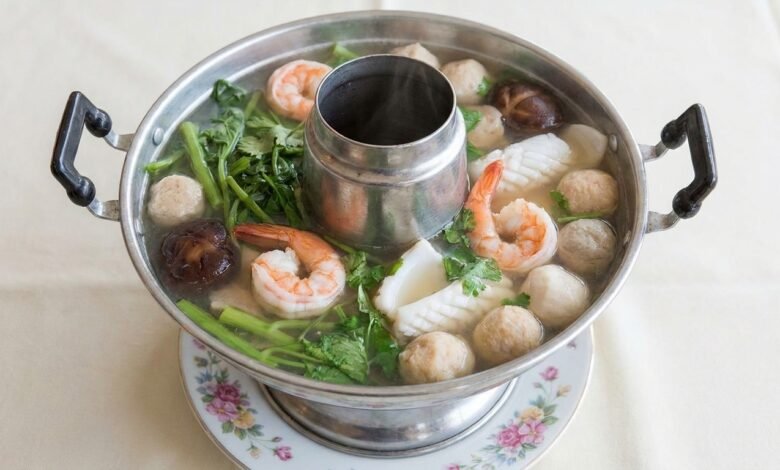
A Khmer seafood hot pot is a shared meal built around a clear, savory broth. This version simmers pork bones, chicken neck bones, and dried squid with daikon and onion, then uses that broth to cook shrimp, squid, fish balls, and fresh vegetables at the table.
The broth is light rather than heavy. Dried squid adds depth, daikon keeps it clean-tasting, and a final seasoning of fish sauce and black pepper keeps the focus on the seafood. It is the kind of dish that works for a weekend gathering when you want everyone to cook and eat together.
What You Need
The ingredient list looks long, but it divides into three simple groups. The first group builds the broth. The second group is blanched or sliced ahead of time. The third group is the seafood and vegetables that go into the pot at the table.
For the broth, you need pork neck bones, chicken neck bones, lean pork meat, dried squid, daikon, onion, and garlic. Fish sauce, sugar, salt, and black pepper season it at the end.
The pre-cooked and sliced items include frozen fish balls, pork liver, fried fish cake, and the cooked pork meat from the broth. For the hot pot itself, you need large shrimp, fresh squid, cauliflower, Napa cabbage, dried shiitake mushrooms, carrot, Asian celery, fried pork skins, dried shrimp, and green onion. Most of these are available at Asian markets, and frozen fish balls and fried fish cake are common freezer-section finds.
Equipment
- Large soup pot: To simmer the bones, dried squid, daikon, onion, and garlic into a clear broth.
- Second large pot: To blanch the fish balls and cook the pork liver separately so the main broth stays clear.
- Chef’s knife: To cut the daikon, onion, vegetables, squid, and cooked meats into the right sizes.
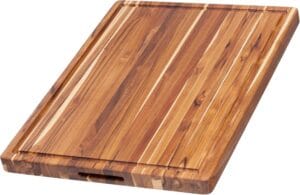
- Cutting board: To prepare the vegetables and seafood safely before cooking.
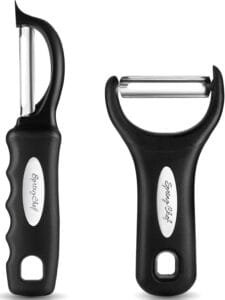
- Vegetable peeler: To peel the daikon and carrot before cutting.
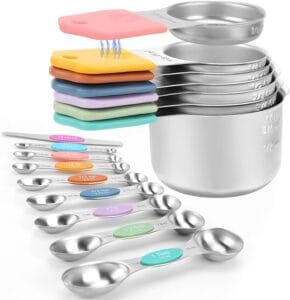
- Measuring cups: To measure the water for the broth and the blanching pot.
- Measuring spoons: To measure the fish sauce, sugar, salt, and black pepper.
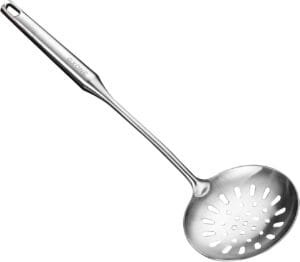
- Slotted spoon or strainer: To remove the bones, aromatics, fish balls, and liver from the cooking liquid without losing the broth.
- Ladle: To serve the hot broth into bowls at the table.
- Serving bowls and a communal hot pot or serving vessel: To bring the broth and prepared ingredients to the table for sharing.
How to Make Khmer Sea Food Hot Pot
Step 1: Build the Broth
Put the chicken neck bones, pork neck bones, lean pork meat, dried squid, daikon, whole onion, and garlic into a large pot. Add 8 cups of water.
Bring the pot to a simmer over medium heat. Do not cover it with a lid. As bubbles and foam rise to the top, skim them off with a spoon or small strainer. This keeps the broth clear.
Simmer for 30 minutes, or until the lean pork meat is tender enough to slice.
Step 2: Finish the Broth
Take the cooked pork meat out of the pot and set it aside on a plate. Leave the bones and aromatics in the pot. Continue simmering the broth on low heat for another 30 minutes.
After the second simmer, remove all the remaining solids from the pot. Discard the bones, dried squid, daikon, onion, and garlic. The liquid left in the pot is your clear broth.
Season the broth with 2 tablespoons fish sauce, 1 tablespoon sugar, 1 teaspoon salt, and ¼ teaspoon black pepper. Stir well, taste, and set the seasoned broth aside. For general guidance on safe internal temperatures when cooking meat and seafood, the U.S. Food Safety website provides a minimum temperature chart.
Step 3: Blanch the Fish Balls and Liver
Fill a second pot with 6 cups of water and bring it to a rolling boil. Add the frozen fish balls. Cook for 5 to 10 minutes, until they are heated through and float. Remove them with a slotted spoon and set them aside.
Bring the same water back to a boil. Add the pork liver and cook for 3 to 5 minutes. Do not overcook it, or it will turn dry and crumbly. Remove the liver, let it cool slightly, and slice it thinly.
Step 4: Prepare the Remaining Ingredients
Slice the fried fish cake thinly and set it aside. Slice the cooked pork meat thinly and set it aside as well.
Cut the shrimp along the back and remove the dark vein. Clean the squid tubes, score the surface in a crisscross pattern, and cut them into bite-size pieces. Cut the cauliflower into small chunks and chop the Napa cabbage into ½-inch pieces. Slice the rehydrated shiitake mushrooms in half and peel and thinly slice the carrot. Cut the Asian celery and green onion into 2-inch lengths. Drain the soaked dried shrimp and cut the soaked fried pork skins into bite-size pieces.
Step 5: Bring Everything to the Table
Pour the seasoned broth into a communal hot pot, fondue pot, or a wide serving bowl that can be kept hot. Arrange the blanched fish balls, sliced liver, sliced fish cake, sliced pork, raw shrimp, squid, and all the vegetables on plates around the table.
At the table, let the broth come to a gentle simmer. Each person adds the ingredients they want to the hot broth and cooks them just until done. Shrimp turn pink and opaque, squid curls and turns white, and the vegetables soften slightly. Ladle broth and cooked ingredients into individual bowls as you eat. This shared style is common in Cambodian hot pot meals, and you can find other examples on CambodiaRecipe, such as this stuffed boneless fish hot pot and this eel with preserved bean curd hot pot.
Cooking Tips
Keep the broth at a simmer, not a hard boil. A gentle simmer keeps the seafood tender and prevents the broth from reducing too quickly.
Blanch the fish balls and liver ahead of time, as the recipe does. This removes any impurities from the liver and lets you serve the hot pot without waiting for raw ingredients to cook through at the table.
Skim the broth well during the first simmer. The cleaner you keep the surface, the clearer and more delicate the finished broth will be. This is the same principle behind the clear broths used in other Cambodian soups, like the Cambodian Phnom Penh noodle soup.
How to Serve
Serve the hot pot with steamed jasmine rice or rice noodles on the side. Diners can add a spoonful of broth to their rice or noodles as they eat. If you want extra brightness, offer fish sauce mixed with sliced fresh chilies on the side, but the broth itself already carries the main seasoning.
Leftover broth and cooked ingredients should be refrigerated within 2 hours. Store the broth and solids in separate shallow containers so they cool quickly. Reheat leftovers to 165°F (74°C) before eating.
Frequently Asked Questions
Can I make the broth ahead of time?
Yes. Make and strain the broth, let it cool, and refrigerate it in a covered container for up to 3 days. Reheat it to a simmer before serving. The blanched fish balls and cooked liver can also be prepared a day ahead and stored separately in the refrigerator.
What is the difference between this hot pot and Ya-Hon?
Ya-Hon is a Cambodian hot pot that often includes a broth enriched with coconut milk, curry paste, or fermented bean curd, and it is commonly served with a wider range of meats and vegetables. This Khmer seafood hot pot keeps the broth clear and relies on dried squid, daikon, and pork bones for depth. The shared, cook-at-the-table format is similar, but the broth style and ingredient focus are different.
Do I have to use every vegetable listed?
No. The recipe reflects the supplied version, but hot pot is flexible by nature. If you cannot find Asian celery or fried pork skins, you can leave them out without changing the broth. The core ingredients that define the dish are the pork-and-dried-squid broth, the shrimp, the squid, and the fish balls.
Final Thoughts
The appeal of this Khmer seafood hot pot is the balance between the clear, savory broth and the fresh seafood cooked right in it. Once the broth is ready and the ingredients are arranged, the meal becomes relaxed and social. Start with the broth recipe as written, then let the table take over.
Khmer Sea Food Hot Pot
4
servings30
minutes1
hour15
minutes761
kcal1
hour45
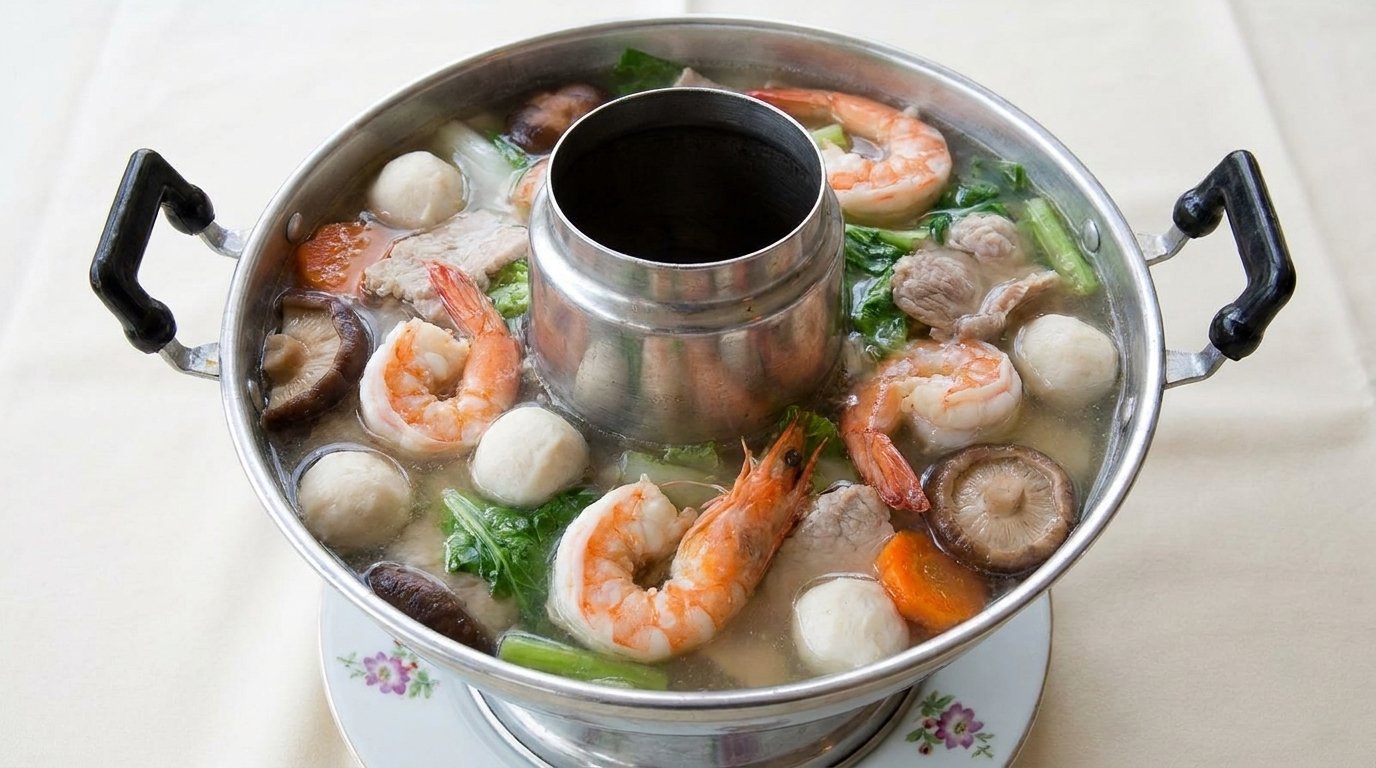
minutesThis Khmer seafood hot pot starts with a homemade broth simmered from pork bones, chicken neck bones, dried squid, daikon, and onion. The broth is seasoned simply and served at the table with blanched fish balls, sliced pork liver, fried fish cake, cooked pork, raw shrimp, squid, and a mix of vegetables for cooking in the hot broth.
Ingredients
1 lb (450 gram) of chicken neck bones
1/2 lb (225 gram) of lean pork meat
1 lb (450 gram) of pork neck bones
1 piece dried squid
1/2 daikon, approx 450 gram
1 yellow onion
2 cloves garlic
8 cups water
2 tablespoons fish sauce
1 tablespoon sugar
1 teaspoon salt
1/4 teaspoon black pepper
1 package frozen fish ball ( sold at most Asian markets)
1/4 lb (112 gram) of pork liver
1 pieces fried fish cake, sliced thin (fresh or frozen sold at most Asian markets)
1 lb (450 gram) of large shrimp, peeled and de-veined
1/4 lb (112 gram) of fresh squid tubes. Cleaned, cut crisscross and then cut to bite sizes
1/4 head cauliflower, cut chunks bite sizes
8 large Nappa cabbage leaves, chopped ½ inch in length
6 dried shiitake mushrooms, soaked in warm water, removed stems and cut it in half
1 carrot, peeled and sliced thin
5 stalks of Asian celery, cut 2 inches in length
1/2 sheet fried pork skins ,(about ¼ oz), soaked in warm water and cut to bite sizes
A dozen large dried shrimp, soaked in cold water and drained
5 stalks of green onion, cut 2 inches in length
Directions
- First thing is make the broth for soup.
- In a large pot; cook chicken bones, pork bones, pork meat, dried squid, daikon, whole onion, garlic with 8 cups water for ½ hour. Do not cover with lid and for clear broth be sure removes any bubbles formed on top of soup broth.
- When pork meat tender, removed only pork meat from soup broth and set it a side. Continue to cook soup broth in low heat for another ½ hour.
- Then removed all remaining ingredients from the soup broth (throws away all the bones, dried squid, daikon, onion and garlic).
- Seasoning soup broth with fish sauce, salt, sugar and black pepper, set clear soup broth a side.
- Using another pot, cook 6 cups water till the water bubbling, add frozen fish balls in to boiling water, cook it for 5 to 10 minutes. Removed fish ball from soup pot and set it a side.
- Using the same pot, waited till water bubbling hot again, add liver and cooked it for 3 to 5 minutes. Do not over cook liver. Removed liver from boiling water, let it cool off before cut it to thin sliced and set a side.
- Cut fried fish cake to thin sliced, set it a side.
- Cut cooked pork meat to thin sliced, set it a side.
Equipment
 Chef’s KnifeCheck product details
 Large Soup PotCheck product details
 Skimmer SpoonCheck product details
 Small bowlCheck product details
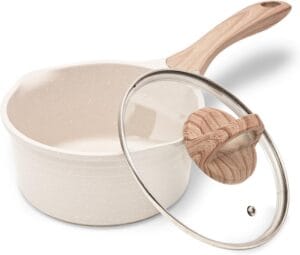
 Small potCheck product details
 Vegetable PeelerCheck product details
 Cutting boardCheck product details
 Measuring Spoons & CupsCheck product details

Nutrition Facts
- Serving Size: 4 g
- Total number of serves: 4
- Calories: 761kcal
- Fat: 40.6g
- Saturated Fat: 14.6g
- Cholesterol: 526mg
- Sodium: 1825mg
- Potassium: 1667mg
- Carbohydrates: 17.2g
- Net Carbs: 13.6g
- Fiber: 3.6g
- Sugar: 8.1g
- Protein: 80.2g
- Vitamin A: 452.1mcg
- Vitamin C: 58.5mg
- Calcium: 230mg
- Iron: 10mg
- Vitamin E: 0.7mg
- Vitamin K: 63.2mcg
- Thiamin: 1.5mg
- Riboflavin: 1.5mg
- Niacin: 19.4mg
- Vitamin B6: 1.6mg
- Vitamin B12: 9mcg
- Folate: 173.3mcg
- Pantothenic Acid: 4.7mg
- Phosphorus: 869mg
- Magnesium: 151mg
- Zinc: 8mg
- Selenium: 90.2mcg
- Copper: 1.5mg
- Manganese: 0.5mg
Did you make this recipe?
Tag @cambodiarecipe on Instagram and hashtag it
Like this recipe?
Follow us @cambodiarecipe on Pinterest
Did you make this recipe?
Follow us on Facebook