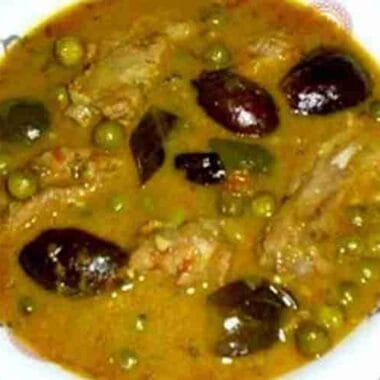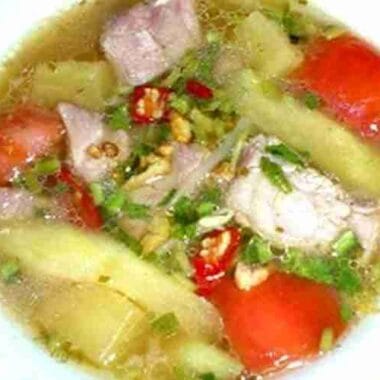
There are some meals that just feel like home before you even take your first bite. For me, this preserved lime soup with roasted pork is exactly that kind of dish. It’s the soup my grandmother made whenever we had leftover roasted pork from a big family celebration, and it always felt like a special treat even though it was really just her way of making sure nothing went to waste.
If you have never cooked with preserved lime before, please do not feel nervous. I remember watching my grandmother pull those dark, salty limes from a jar in her kitchen and thinking they looked so strange. But the magic they bring to simple soup broth is something I still cannot fully explain. It is sour and salty and deeply aromatic, but in a gentle way that does not overwhelm you.
This recipe is truly beginner-friendly. You do not need any special cooking skills, and you probably already have most of the ingredients in your kitchen except for the preserved lime itself. The roasted pork does all the heavy lifting for flavor, and the broth comes together in less than thirty minutes. By the time you finish reading this post, you will feel ready to make it yourself.
Why You Will Love This Soup
This is the kind of soup that makes you slow down and breathe deeply. The aroma that fills your kitchen while it simmers is warm and calming, with hints of lemongrass and that unique fragrance of preserved lime that somehow feels both bright and comforting at the same time.
What I love most about this recipe is how it transforms leftover roasted pork into something completely new. You know that moment when you have been eating the same leftover meat for a few days and everyone is getting a little tired of it? This soup solves that problem beautifully. The pork softens slightly in the broth while still keeping its roasted flavor, and every spoonful tastes rich and satisfying.
The cooking process itself is so simple that you can make it on a busy weeknight without any stress. There is no complicated technique here, no fancy equipment needed. Just a pot, some water, and a few ingredients that work together like they have known each other their whole lives.
My Personal Experience
I learned this recipe from my grandmother when I was maybe twelve years old. She did not write anything down, of course. She just handed me a knife and told me to watch what she did. Back then I did not realize I was learning something I would make for my own family decades later. I just wanted to help her in the kitchen and maybe sneak a taste of the roasted pork before it went into the pot.
In our family, this soup always appeared the day after a big celebration. Khmer weddings, New Year gatherings, or even just a big Sunday lunch with extended family would always mean plenty of roasted pork leftovers. My grandmother would look at the remaining meat on the platter and say something like “today we make soup” and everyone would get excited all over again.
I remember the way she handled preserved limes with such care, almost like they were precious jewels. She would rinse them gently, cut them exactly in half, and place them in the pot with the water almost reverently. The first time I asked her why she moved so slowly with them, she laughed and said the limes had been waiting a long time to be used and deserved respect. I did not fully understand then, but I do now.
The smell of this soup cooking always brings me right back to her kitchen. That little house with the concrete floors and the big windows that let in all the afternoon light. I can still hear the sound of her knife on the cutting board and the gentle bubbling of the pot on the stove. Writing this recipe down feels important, like making sure a piece of my childhood gets passed along to someone else who might love it too.
Easy-to-Find Ingredients
I want you to feel confident making this soup, so let me walk you through the ingredients and where to find them. The only ingredient that might require a special trip is the preserved lime itself. Everything else is basic grocery store items.
Preserved limes might sound exotic or hard to find, but they are becoming much more available now. If you have a Asian grocery store near you, especially one that carries Southeast Asian ingredients, you will likely find them there. They usually come in a jar or sometimes a vacuum-sealed package. They look like regular limes but darker, almost brownish, and they are packed in a salty brine.
If you cannot find preserved limes locally, there are online options too. I have ordered them before and they ship just fine. The jars keep for a very long time in the refrigerator, so having them on hand means you can make this soup whenever the mood strikes you.
For the roasted pork, you can use whatever you have. Maybe you made a big roasted pork shoulder for a weekend dinner. Maybe you brought home leftover roasted pork from a restaurant. Sometimes I even buy a small piece from the deli counter at the Asian market because they often sell roasted pork by the pound. The important thing is that it is already cooked and has that nice roasted exterior.
Ingredients List
- 1 preserved lime, cut in half
- 1 small yellow onion, sliced
- 1 stalk lemongrass, cut into 3-inch lengths and tied into a small bundle
- 4 cups of water
- 1/2 pound (225 grams) of roasted pork, cut into bite-sized chunks
- 2 tablespoons of fish sauce
- 1/2 tablespoon of sugar
- 1/4 teaspoon of black pepper
- 2 stalks of green onion, chopped
Why These Ingredients Are Used
- Preserved lime – This is the heart of the soup. It gives the broth a deep, salty-sour flavor that is completely different from fresh lime. The aging process makes the flavor more complex and mellow, with almost pickled notes that you cannot get any other way.
- Yellow onion – Adds a gentle sweetness and depth to the broth as it simmers. Nothing sharp or overpowering, just a soft aromatic base that supports the other ingredients.
- Lemongrass – Brings that fresh, clean citrusy note that is so common in Khmer cooking. Tying it into a bundle makes it easy to remove later if you want, though I usually leave it in because I like how it looks.
- Water – Simple and plain, letting the ingredients speak for themselves. You do not need stock here because the roasted pork and preserved lime create all the flavor you need.
- Roasted pork – Provides richness, texture, and that wonderful caramelized flavor from roasting. As it simmers gently, it releases some of its fat into the broth, making everything taste more satisfying.
- Fish sauce – The salt backbone of the soup. It adds umami and depth without tasting fishy. Good fish sauce should smell like the ocean, not like something spoiled.
- Sugar – Just a tiny bit to balance the sour and salty notes. You should not taste sweetness, but you will notice the soup feels more rounded and complete with it.
- Black pepper – Adds a little warmth at the end. Freshly ground is always best if you have it.
- Green onion – For freshness and color. It brightens up the whole bowl right before serving.
Cooking Equipment Needed
- Soup pot or medium saucepan – Any pot that holds at least 6 cups will work perfectly. I use a simple stainless steel pot that my mother gave me years ago. The size matters less than having enough room for the water and ingredients to move around a little.
- Cutting board – Just a basic one for slicing your onion, lemongrass, and green onion. Nothing fancy needed here.
- Sharp knife – You want something comfortable to hold that can slice through the preserved lime easily. Those limes can be a little soft from brining, so a sharp knife makes the job cleaner and safer.
- Measuring cups and spoons – For the water, fish sauce, sugar, and pepper. If you cook by feel like my grandmother did, you can estimate, but for beginners I recommend measuring until you get comfortable with the flavors.
- Wooden spoon – For stirring and tasting. I prefer wooden spoons because they do not clang against the pot and they feel nice in the hand.
- Small bowl – For holding your sliced ingredients as you prep them. Just makes the cooking process more organized.
Cooking Instructions
Before you start anything, take a moment to get all your ingredients ready. This is what cooks call mise en place, though my grandmother just called it being prepared. Slice your onion thinly. Cut the lemongrass into pieces about three inches long and tie them together with kitchen twine or just knot the stalks if they are long enough. Chop your green onions and set them aside.
Now look at your preserved lime. Give it a quick rinse under cool water just to remove any excess brine from the surface. Then cut it in half with your sharp knife. You will see the inside looks darker than a fresh lime, almost amber in places, and the smell that comes out is intense but wonderful. Do not be alarmed by how strong it seems right now. It will mellow out as it cooks.
Put your soup pot on the stove and add the four cups of water. Drop in both halves of the preserved lime, the sliced onion, and the bundle of lemongrass. Turn the heat to medium-high and let everything come to a boil. Once it is bubbling, reduce the heat to medium-low so it simmers gently. Let it go for about ten minutes. During this time, the water will slowly turn golden and take on all those beautiful aromatics.
While the broth simmers, cut your roasted pork into bite-sized chunks. I like them roughly the size of a large grape, but you can make them bigger or smaller depending on your preference. Just keep in mind that they will cook a little more in the soup, so they do not need to be tiny.
After ten minutes have passed, add the pork pieces to the pot. Stir gently and let everything simmer together for another ten minutes. The pork will warm through and release some of its flavor into the broth. You will notice the fat from the pork making little shimmering circles on top of the soup, and that is a good thing. That fat carries so much taste.
Now it is time to season. Add the fish sauce, sugar, and black pepper. Stir and let it cook for just another minute or two. Taste the broth carefully because it will be hot. Does it need more salt? More sour? Remember that the preserved lime will keep releasing flavor as it sits, so do not go overboard with adjustments right away. You can always add more, but you cannot take it out.
Turn off the heat and sprinkle the chopped green onions over the top. They will wilt slightly from the heat of the soup, which is exactly what you want. Give everything one last gentle stir and your soup is ready.
Step-by-Step Directions
- Rinse the preserved lime under cool water and cut it in half. Set aside.
- Slice the yellow onion thinly. Cut the lemongrass into 3-inch pieces and tie into a small bundle. Chop the green onions and set them aside for later.
- Pour 4 cups of water into a soup pot. Add the preserved lime halves, sliced onion, and lemongrass bundle.
- Bring the pot to a boil over medium-high heat, then reduce heat to medium-low and simmer for 10 minutes.
- While the broth simmers, cut the roasted pork into bite-sized chunks.
- After 10 minutes, add the pork to the pot. Stir gently and continue simmering for another 10 minutes.
- Add the fish sauce, sugar, and black pepper. Stir and let cook for 1 to 2 more minutes.
- Taste the broth and adjust seasoning if needed. Remember the preserved lime will continue releasing flavor.
- Turn off the heat. Sprinkle the chopped green onions over the top.
- Serve hot with steamed rice on the side.
Tips for Best Flavor
- Do not rush the initial simmering of the aromatics. Giving the preserved lime, onion, and lemongrass a full ten minutes in the water allows their flavors to fully infuse the broth before the pork even goes in.
- Use good fish sauce. I know it is tempting to buy whatever is cheapest, but fish sauce quality really matters here. Look for brands that list only anchovies and salt as ingredients. The difference in flavor is noticeable.
- Taste as you go. This is the most important habit you can develop as a cook. Everyone’s palate is different, and what tastes perfect to me might need adjustment for you. Trust your own taste buds.
- Let the soup rest for a few minutes after turning off the heat before serving. The flavors continue to meld during this time and the soup settles into itself.
- Serve with plenty of steamed jasmine rice. The broth is so good that you will want to spoon it over your rice and eat every drop.
Variations and Adaptations
- If you cannot find preserved lime, you can make a quick approximation by combining fresh lime juice with a little salt and letting it sit for a few minutes. It will not be the same, but it can work in a pinch.
- Chicken can replace the roasted pork beautifully. Use leftover roasted chicken or even rotisserie chicken from the store. The soup will be lighter but still very satisfying.
- For a vegetarian version, skip the meat entirely and add mushrooms instead. Shiitake or oyster mushrooms add wonderful texture and umami. Use soy sauce in place of fish sauce.
- Some families add a small tomato or two, cut into wedges, during the last few minutes of cooking. The tomato softens slightly and adds a little sweetness and color.
- If you like a little heat, slice a fresh Thai chili and add it to your bowl before pouring in the soup. The spiciness contrasts nicely with the sour broth.
Serving Suggestions
- Ladle the soup into individual bowls, making sure each serving gets some pork and a piece of the preserved lime if people want it. Some folks like to squeeze the softened lime into their broth for extra flavor.
- Serve with a small bowl of steamed jasmine rice on the side. The soup is meant to be eaten together with rice, either by spooning broth over the rice or taking bites of each separately.
- Place a small dish of extra fish sauce with sliced chilies on the table for anyone who wants to adjust seasoning at the table. This is common in Khmer meals and lets everyone customize their bowl.
- Fresh cucumber slices on the side add a cool, crisp contrast to the warm soup. Just slice a cucumber into rounds and arrange them on a small plate.
- If you have fresh herbs like cilantro or Thai basil, a few leaves scattered over each bowl just before serving adds another layer of freshness.
Storing Leftovers
- Let the soup cool completely to room temperature before storing. Do not leave it out for more than two hours.
- Transfer to an airtight container and refrigerate for up to three days. The flavors will actually deepen and become even more interesting overnight.
- When reheating, warm the soup gently on the stovetop over medium-low heat. The microwave works too, but stovetop reheating gives you more control and keeps the texture better.
- The preserved lime will continue releasing flavor as it sits, so your leftovers might taste slightly more sour than the original soup. This is normal and many people actually prefer it this way.
- I do not recommend freezing this soup because the texture of the pork can change and become grainy. It is really best enjoyed within a few days of making it.
Final Thoughts
Writing this recipe down has made me miss my grandmother’s kitchen all over again. I can almost hear her voice telling me to stir the pot gently so I do not break the pork pieces. She was not a fancy cook by any means, but everything she made came from a place of deep knowledge about food and how to make simple things taste like they mattered.
This preserved lime soup with roasted pork is exactly that kind of recipe. It takes humble leftovers and transforms them into something people ask for by name. Every time I make it, I think about all those family gatherings and the way food brings us together long after the celebration is over. The soup becomes a memory you can eat.
If you try this recipe, I hope it brings you some of the comfort it has always brought me. And if you are new to Khmer cooking, welcome. You are about to discover how beautiful and flavorful our food can be with just a few simple ingredients. If you want to explore more Cambodian recipes, take a look at our Khmer Coconut Fish Curry or learn how to make Stir-Fried Morning Glory with Garlic for another taste of home.
For those interested in the history of preserved lemons and limes in Southeast Asian cooking, Serious Eats has a wonderful article that explains the preserving process and how different cultures use these ingredients. It is fascinating to see how something so simple becomes so complex over time.
Thank you for spending time here with me today. I hope your kitchen smells wonderful and your belly feels full and happy. Come back anytime.
Frequently Asked Questions (FAQs)
Q: Can I drink the broth directly or is it meant to be eaten with rice?
A: You can absolutely drink the broth on its own. Many people enjoy it as a soup first and then use the remaining broth to spoon over rice. Both ways are correct.
Q: How do I know if my preserved lime is still good to use?
A: Check the jar for any signs of mold or off smells. The brine should look clear and the limes should feel firm but slightly soft. If anything looks or smells wrong, trust your instincts and get a fresh jar.
Q: Can I use preserved lemon instead of preserved lime?
A: Yes, preserved lemon works quite well in this recipe. The flavor is slightly different but still delicious. Preserved lemon is actually easier to find in some grocery stores.
Q: My soup tastes too salty. What did I do wrong?
A: Preserved limes vary in saltiness depending on the brand and how long they have been aged. If your soup is too salty, add a little more water and maybe an extra pinch of sugar to balance it out.
Q: Do I eat the preserved lime pieces or just leave them in the pot?
A: Some people love eating the softened preserved lime, while others prefer to leave them in the pot. The rind becomes tender and the inside has a concentrated flavor. Try a small piece and decide for yourself.
Q: Can I make this soup in advance for a party?
A: Yes, you can make it a day ahead and reheat gently before serving. The flavors will be even better the next day. Just hold back some of the green onions to add fresh right before serving.
Q: Is this soup supposed to be clear or cloudy?
A: It will be slightly cloudy from the pork and the preserved lime, but it should still look appetizing and brothy. If it is very cloudy, you might have boiled it too hard instead of simmering gently.
Q: What other meats work well in this soup?
A: Leftover grilled chicken, sliced pork belly, or even meatballs can all work nicely. The important thing is that the meat is already cooked and has some flavor of its own.
Preserved Lime Soup with Roasted Pork
4
servings30
minutes30
minutes280
kcal1
hourThis preserved lime soup with roasted pork is a simple, comforting Khmer dish that transforms leftover roasted pork into a fragrant, sour, and savory soup using preserved lime, lemongrass, and basic seasonings, all ready in under thirty minutes.
Ingredients
1 1 preserved lime, cut in half
1 small 1 yellow onion, sliced
1 1 stalk lemon grass, cut 3 inches length and tie to a small bundle
4 cups 4 water
1/2 lb 1/2 (225 gram) of roasted pork, cut to chunks bite sizes
2 tablespoons 2 fish sauce
1/2 tablespoon 1/2 sugar
1/4 teaspoon 1/4 black pepper
2 2 stalk green onion, chopped
Directions
- Put preserved lime with yellow onion,lemon grass and water in a soup pot and cook it for 10 minutes.
- Add roasted pork and simmering for another 10 minutes.
- Seasoning with fish sauce, sugar and black pepper.
- Top with green onion.
Recipe Video
Recipe Notes
- Preserved limes can be found in most Asian grocery stores, usually in the section with pickled vegetables and condiments.
- If you cannot find preserved limes, check online retailers that specialize in Southeast Asian ingredients.
- The soup tastes even better the next day after the flavors have had time to meld together in the refrigerator.
- You can remove the lemongrass bundle before serving if you prefer a cleaner looking soup, but leaving it in adds visual interest.
- Adjust the fish sauce gradually and taste as you go. Different brands have different salt levels.
- Leftover roasted pork from a Chinese barbecue restaurant works perfectly for this recipe.
- If you want a richer broth, use homemade pork stock instead of water, though water keeps the flavor pure and simple.
- The green onions should be added at the very end so they stay bright and fresh tasting.
- Serve this soup with plain jasmine rice to balance the strong flavors of the broth.
- Do not worry if your preserved lime falls apart during cooking. That just means more flavor in the soup.
Nutrition Facts
- Serving Size: 240
- Total number of serves: 4
- Calories: 350kcal
- Fat: 20g
- Saturated Fat: 7g
- Trans Fat: 0g
- Polyunsaturated Fat: 3g
- Monounsaturated Fat: 8g
- Cholesterol: 70mg
- Sodium: 950mg
- Potassium: 500mg
- Carbohydrates: 15g
- Fiber: 3g
- Sugar: 3g
- Protein: 25g
- Vitamin A: 400IU
- Vitamin C: 30mg
- Calcium: 40mg
- Iron: 2mg
- Vitamin D: 1mg
- Vitamin E: 2mg
- Vitamin K: 8mg
- Thiamin: 0.3mg
- Riboflavin: 0.2mg
- Niacin: 5mg
- Vitamin B6: 0.5mg
- Vitamin B12: 1.5mg
- Folate: 40mg
- Biotin: 2mg
- Pantothenic Acid: 2mg
- Phosphorus: 200mg
- Iodine: 40mg
- Magnesium: 30mg
- Zinc: 3mg
- Selenium: 25mg
- Copper: 0.2mg
- Manganese: 0.3mg
- Chromium: 6mg
- Molybdenum: 10mg
- Chloride: 1000mg
Did you make this recipe?
Tag @cambodiarecipe on Instagram and hashtag it
Like this recipe?
Follow us @cambodiarecipe on Pinterest
Did you make this recipe?
Follow us on Facebook