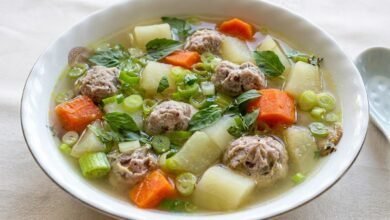
Yu Choy with Taro and Shrimp Ball Soup
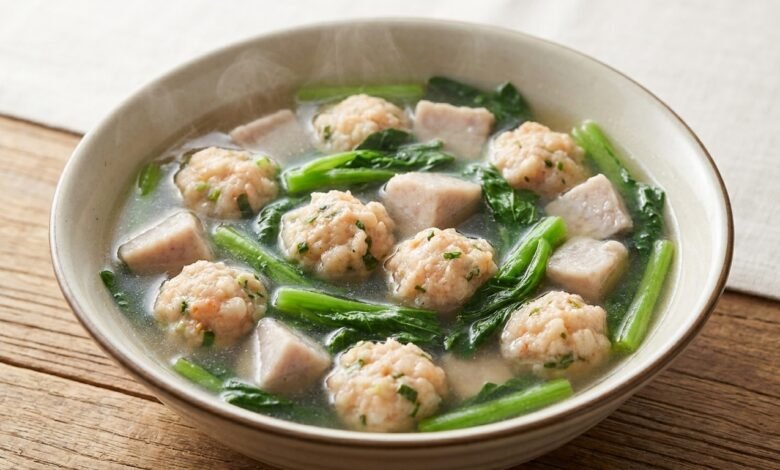
Some soups feel light but still satisfy. This Cambodian shrimp ball soup is one of them. The broth is clear and gentle, the taro turns soft and creamy, and the handmade shrimp balls give every spoonful a springy, savory bite.
It comes together in one pot with a short list of ingredients. The greens stay bright, the shrimp cooks in minutes, and the final seasoning is just fish sauce and a little sugar. It is the kind of soup you can make on a weeknight without a long shopping list or a complicated technique.
What You Need
The recipe uses yu choy, a tender leafy green with mild, slightly sweet stems. You will also need taro root, which softens in the broth and gives the soup a subtle nutty body. Ground shrimp, green onion, fish sauce, and a little sugar bring the flavor together. Yu choy is a Brassica vegetable, related to mustard greens and bok choy, and it is rich in phenolic compounds and fiber. Taro contributes potassium and fiber to the bowl, and it becomes tender enough to break apart slightly in the soup.
Equipment
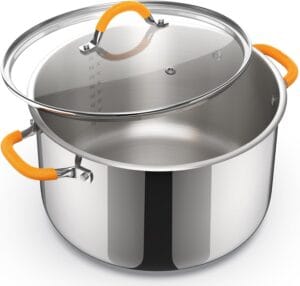
- Soup pot: To simmer the taro, shrimp balls, and yu choy in the water.
- Chef’s knife: To chop the green onion and cut the yu choy into 2-inch lengths.
- Cutting board: To prepare the greens and green onion safely.
- Mixing bowl: To combine the ground shrimp, salt, pepper, and half the green onion.
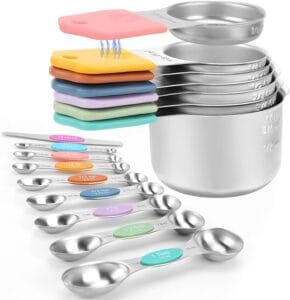
- Measuring cups: To measure the water and taro cubes.
- Measuring spoons: To measure the salt, pepper, sugar, and fish sauce.
- Wooden spoon or cooking spoon: To stir the shrimp mixture and the soup.
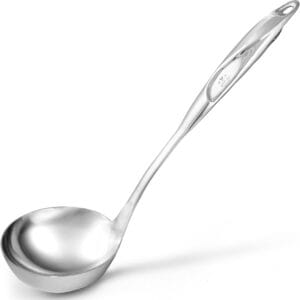
- Ladle: To serve the soup and broth into bowls.
How to Make Yu Choy with Taro and Shrimp Ball Soup
Step 1: Make the Shrimp Balls
Put the ground shrimp in a mixing bowl. Add the salt, black pepper, and half of the chopped green onion. Mix well with your hands until the seasoning is evenly distributed. Roll the mixture into small balls and set them aside on a plate.
Step 2: Cook the Taro
Put the taro cubes and water into a soup pot. Bring the water to a simmer and cook until the taro is tender when pierced with a knife or fork. The timing will depend on the size of your taro cubes, so check them rather than relying only on the clock.
Step 3: Add the Shrimp Balls and Yu Choy
Carefully add the shrimp balls to the simmering pot. Then add the yu choy. Cook until the shrimp balls turn a darker pink color and are cooked through. The greens will wilt and soften at the same time. For safe shrimp handling and doneness cues, the FDA advises that shrimp flesh should turn opaque and pearly when fully cooked.
Step 4: Season and Finish
Stir in the sugar and fish sauce. Taste the broth and adjust only if needed. Ladle the soup into bowls and top with the remaining chopped green onion.
Cooking Tips
Do not boil the soup hard after adding the shrimp balls. A gentle simmer keeps them tender and prevents them from turning rubbery. Also, cut the taro into even cubes so they cook at the same rate. If some pieces are much larger, they may still be firm when the smaller pieces are already soft.
How to Serve
Serve this soup hot as a light main dish or as part of a larger Cambodian meal with steamed jasmine rice. The broth is clean and not too salty, so it works well alongside richer dishes. If you enjoy shrimp soups, you might also like our Shrimp with Yu Choy Soup, which uses a similar combination of sweet shrimp and tender greens. For a different texture, our Shrimp and Taro Root Soup focuses on the earthy softness of taro in a comforting broth.
Frequently Asked Questions
What does taro taste like in this soup?
Taro is mild and slightly nutty. When simmered, it becomes soft and creamy, almost like a potato but with a lighter, earthier flavor. It absorbs the savory notes of the broth without overpowering the shrimp.
Can I prepare the shrimp balls ahead of time?
Yes. You can roll the shrimp balls and keep them covered in the refrigerator for a few hours before cooking. Bring them to the pot straight from the fridge and simmer until they are cooked through and darker pink.
Final Thoughts
This soup is a simple example of how Cambodian home cooking lets a few ingredients do the work. The shrimp stays sweet, the yu choy keeps its gentle bite, and the taro softens into the broth. Make it once, and you will likely find yourself returning to it on nights when you want something warm, light, and quick.
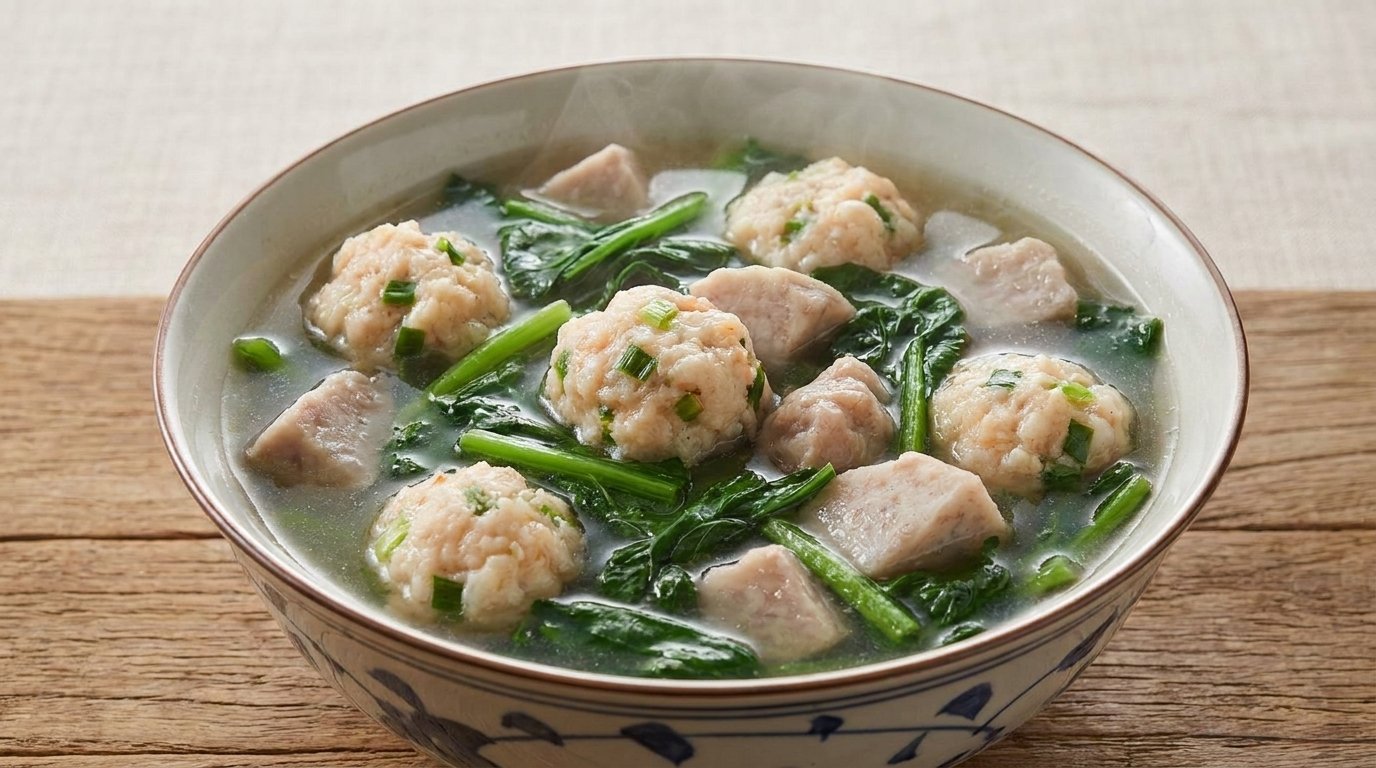
Yu Choy with Taro and Shrimp Ball Soup
4
servings20
minutes25
minutes168
kcal45
minutesGround shrimp is seasoned and rolled into small balls, then simmered with taro and yu choy. Fish sauce and a little sugar season the broth, and chopped green onion finishes each bowl.
Ingredients
1 lb (450 gram) of shrimp, peeled, de-veined and grounded
1/4 teaspoon salt
1/4 teaspoon black pepper
3 stalks of green onion, chopped
1 cup cubes taro root
4 cups water
2 lbs (900 gram) of yu choy, cut off roots and cut 2 inches in length
1/2 tablespoon sugar
2 tablespoons fish sauce
Directions
- In a small bowl, put grounded shrimp with salt, black pepper and ½ amount of chopped green onion, mix well, use your hands to rolls marinated shrimp in to small ball. When done set a side.
- Put taro root and water in a soup pot, cook till taro root tender.
- Add shrimp ball in to soup pot and yu choy, cook till shrimp ball turns darker pink color.
- Seasoning soup with sugar and fish sauce.
- Top with remaining green onion.
Equipment
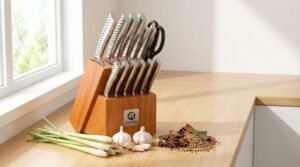
 Chef’s KnifeCheck product details
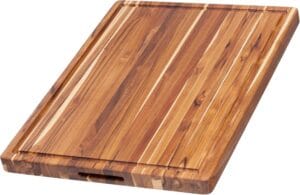
 Cutting boardCheck product details

 Large Soup PotCheck product details
 Measuring Spoons & CupsCheck product details
 Mixing BowlsCheck product details

Recipe Video
Nutrition Facts
- Serving Size: 1 g
- Total number of serves: 4
- Calories: 168kcal
- Fat: 1.1g
- Saturated Fat: 0.2g
- Cholesterol: 181mg
- Sodium: 1148mg
- Potassium: 1082mg
- Carbohydrates: 14.9g
- Net Carbs: 11.2g
- Fiber: 3.7g
- Sugar: 4.8g
- Protein: 27g
- Vitamin A: 508.2mcg
- Vitamin C: 104.1mg
- Calcium: 338mg
- Iron: 3mg
- Vitamin E: 0.9mg
- Vitamin K: 121.5mcg
- Thiamin: 0.1mg
- Riboflavin: 0.2mg
- Niacin: 1.5mg
- Vitamin B6: 0.6mg
- Folate: 164.1mcg
- Pantothenic Acid: 0.3mg
- Phosphorus: 352mg
- Magnesium: 111mg
- Zinc: 2mg
- Selenium: 2.2mcg
- Copper: 0.6mg
- Manganese: 0.6mg
Did you make this recipe?
Tag @cambodiarecipe on Instagram and hashtag it
Like this recipe?
Follow us @cambodiarecipe on Pinterest
Did you make this recipe?
Follow us on Facebook