Sweet Sour and Spicy Shrimp Soup
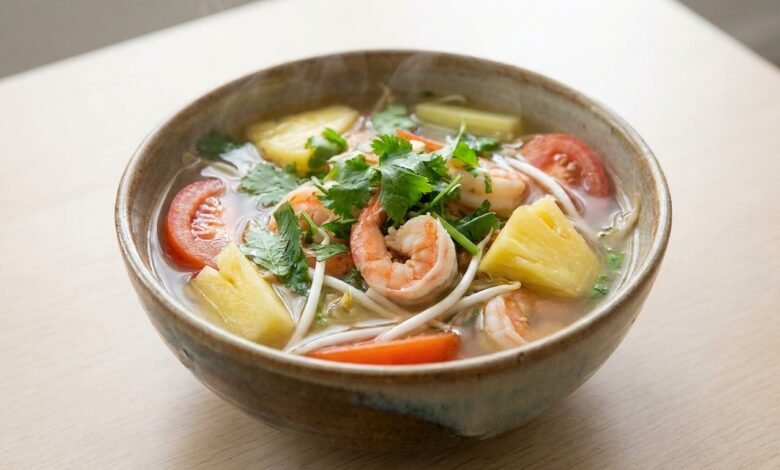
This Cambodian sweet sour and spicy shrimp soup brings a bright, clear broth to the table without much fuss. The flavor moves in three directions at once: tangy tamarind, gentle sweetness from pineapple, and a savory base from fish sauce. A handful of fresh herbs goes in at the very end, so the bowl stays fragrant and fresh.
It is the kind of soup that works as a light main dish or as part of a larger Cambodian meal with rice and a stir-fry. The ingredients are easy to find, and the cooking goes quickly once everything is prepped. If you enjoy sour Cambodian soups, this one sits right alongside other home-style favorites like Cambodian chicken sweet sour soup with water spinach and hot sour chicken soup with lotus shoots.
What You Need
The broth gets its sourness from tamarind powder and its sweetness from fresh or canned pineapple. Shrimp cooks fast, so have it peeled and deveined before you start. Asian rhubarb adds a gentle tartness and a soft texture, while bean sprouts and tomato keep the soup light.
Fresh herbs are not a garnish here; they are part of the flavor. Rice paddy herb and sweet basil go in off the heat so they keep their aroma. If you want to understand how fish sauce shapes the savory side of Khmer cooking, this guide to fish sauce in Cambodian cuisine explains its role beyond plain salt.
Equipment
- Small saucepan: To sauté the garlic in oil for the finishing drizzle.
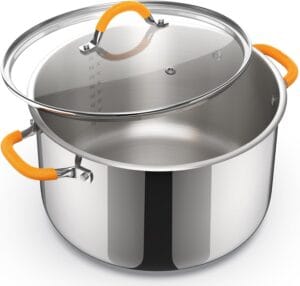
- Soup pot: To boil the water, pineapple, and broth seasonings, then cook the shrimp and vegetables.
- Chef’s knife: To mince the garlic, slice the Asian rhubarb and tomato, and chop the green onion, herbs, and chili.
- Cutting board: To prepare the vegetables and herbs safely.
- Measuring cups: To measure the water and pineapple chunks.
- Measuring spoons: To measure the oil, tamarind powder, sugar, and fish sauce.
- Wooden spoon or cooking spoon: To stir the soup as the ingredients go in.
- Ladle: To serve the soup and broth into bowls.
How to Make Sweet Sour and Spicy Shrimp Soup
Step 1: Fry the garlic
Heat a small saucepan over medium heat. Add the vegetable oil and minced garlic. Sauté until the garlic turns light brown, then remove the pan from the heat and set it aside.
Step 2: Boil the pineapple broth
Pour the water into a soup pot and add the pineapple chunks. Bring the water to a boil over medium-high heat.
Step 3: Season the broth
Stir in the tamarind powder, sugar, and fish sauce. Taste the broth and adjust the sourness or sweetness if you like; the supplied recipe notes that you can add more sugar for sweetness or more tamarind powder for sourness.
Step 4: Cook the shrimp and Asian rhubarb
Add the shrimp and sliced Asian rhubarb to the pot. Stir well and cook until the soup comes back to a bubbling simmer and the shrimp turn opaque.
Step 5: Add the tomato and bean sprouts
Add the sliced tomato and bean sprouts. Stir gently and let the soup heat through. These vegetables only need a short time in the hot broth.
Step 6: Finish with herbs and garlic oil
Turn off the heat. Top the soup with the chopped green onion, rice paddy herb, sweet basil, and optional chili pepper. Pour the reserved garlic oil into the pot and give it one last gentle stir before serving.
Cooking Tips
- Prep everything before you turn on the heat. Shrimp cooks in minutes, and the vegetables go in quickly one after another. Having the garlic minced, the rhubarb sliced, and the herbs chopped ready makes the whole process calm.
- Taste the broth before adding the shrimp. The tamarind powder, sugar, and fish sauce set the balance. Once the shrimp and vegetables are in, it is harder to adjust cleanly.
- Do not overcook the bean sprouts. They should stay slightly crisp and fresh in the hot broth. Add them at the end and stir just until they are heated through.
- Add the herbs off the heat. Rice paddy herb and sweet basil lose their bright aroma if they boil. Stirring them in after the pot is turned off keeps the fragrance alive.
How to Serve
Ladle the soup into bowls while it is hot, making sure each bowl gets shrimp, pineapple, and vegetables. Serve it on its own for a light meal, or with steamed jasmine rice for a fuller Cambodian-style spread. If you like another sweet-and-sour soup with fruit in the broth, this Cambodian pineapple soup with chicken follows a similar flavor idea.
Recipe Notes
The supplied recipe uses Knorr tamarind powder. Tamarind powder can vary in strength from brand to brand, so add it gradually and taste as you go. If you use canned pineapple, drain the chunks before adding them, unless you want a sweeter broth. The chili pepper is optional; add it at the end for heat without overwhelming the herbs.
Frequently Asked Questions
Can I make this soup ahead of time?
The broth and vegetables are best when freshly cooked. Shrimp can become firm if the soup sits for a long time, so it is better to prepare the ingredients ahead and cook the soup shortly before serving. If you must reheat leftovers, warm them gently and add fresh herbs afterward.
What can I use instead of Asian rhubarb?
Asian rhubarb is the supplied ingredient, and it gives the soup a gentle tartness. If you cannot find it, the recipe’s sourness still comes mainly from tamarind, so you can omit the rhubarb rather than replace it with a very different vegetable. The soup will be slightly less tart and have one less texture, but the overall flavor will still work.
Final Thoughts
This sweet sour and spicy shrimp soup is a good example of how Cambodian cooking balances sour, sweet, and savory without heavy sauces. The pineapple softens the tamarind’s edge, the shrimp keeps the broth light, and the herbs do the finishing work. Serve it hot with rice or on its own, and taste the broth as you go—that is the most useful guide for getting the balance right in your own kitchen.
Sweet Sour and Spicy Shrimp Soup
4
servings15
minutes20
minutes556
kcal35
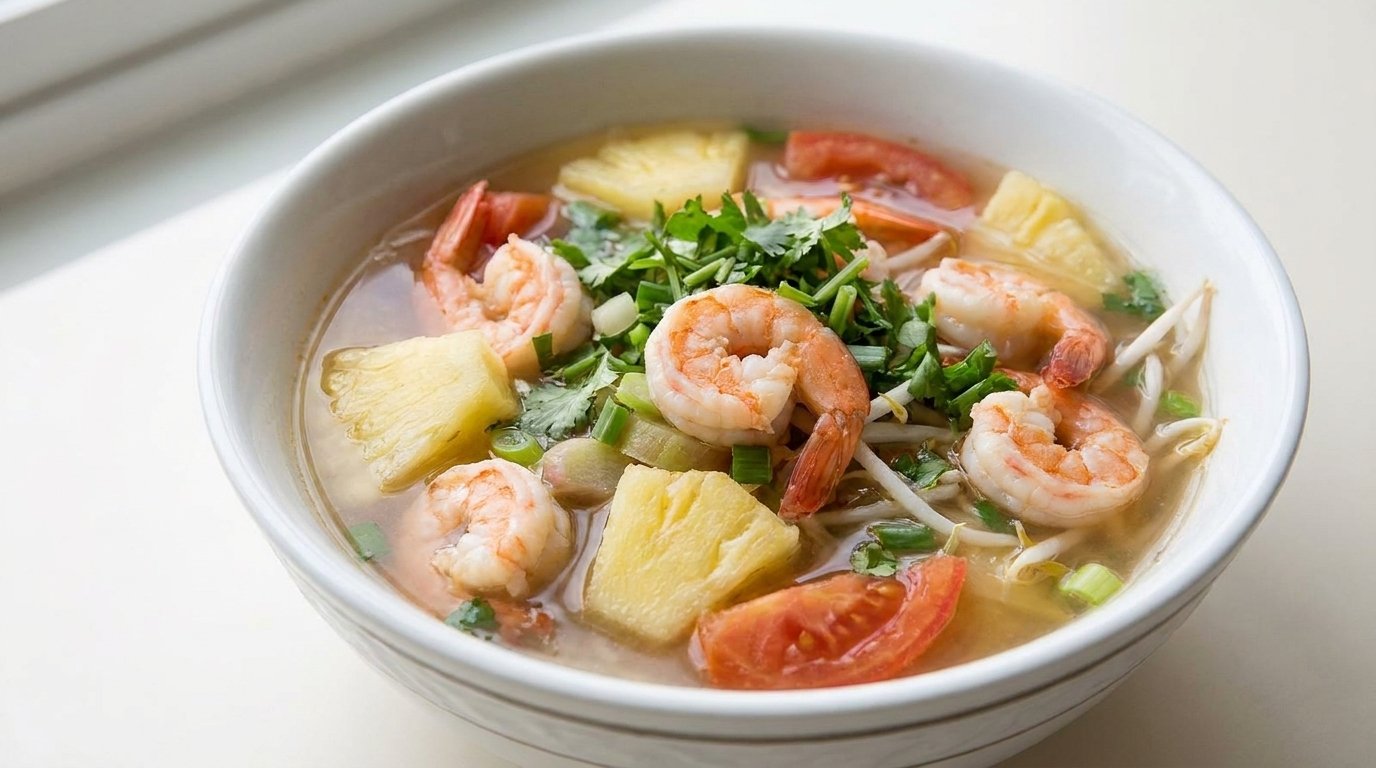
minutesThis sweet sour and spicy shrimp soup has a clear broth flavored with tamarind, pineapple, and fish sauce. Shrimp, Asian rhubarb, tomato, and bean sprouts cook quickly in the pot, and rice paddy herb, sweet basil, and garlic oil finish the bowl.
Ingredients
1 tablespoon vegetable oil
2 cloves garlic, minced
4 cups water
1 cup chunk fresh pineapple or 1 (8 oz or 113 gram) canned chunks of pineapple
1/2 tablespoon Knorr tamarind powder
2 tablespoons sugar
2 tablespoons fish sauce
1/2 lb (225 gram) of large shrimp, peeled and de-veined
2 stalks of Asian rhubarb, peeled and sliced
1 small tomato, sliced
2 cups bean sprout
1 stalk of green onion, chopped
A handful chopped rice paddy herb and sweet basil leaves
2 chopped hot chili pepper(option)
Directions
- Heat up a small saucepan on another burner, when it hot add oil and garlic, sauté garlic till it light brown color, when done, set a side.
- Put water and pineapple in a soup pot, cook till water boiling.
- Seasoning soup stock with tamarind soup base powder, sugar and fish sauce.
- Add shrimp and Asian rhubarb to soup stock, stirs well, cook till soup bubbling.
- Add tomato and bean sprouts, stirs well.
- Top with green onion, rice paddy herb, sweet basil leaves and chili pepper.
- Pour garlic oil into soup pot.
Equipment
 Cutting boardCheck product details

 Large Soup PotCheck product details
 Measuring Spoons & CupsCheck product details
 Small potCheck product details
 Wooden SpoonCheck product details





Nutrition Facts
- Serving Size: 1 g
- Total number of serves: 4
- Calories: 556kcal
- Fat: 5.3g
- Saturated Fat: 0.6g
- Cholesterol: 91mg
- Sodium: 827mg
- Potassium: 1770mg
- Carbohydrates: 88.3g
- Net Carbs: 86.2g
- Fiber: 2.1g
- Sugar: 17.6g
- Protein: 41g
- Vitamin A: 24.5mcg
- Vitamin C: 46.6mg
- Calcium: 329mg
- Iron: 12mg
- Vitamin E: 0.7mg
- Vitamin K: 25.4mcg
- Thiamin: 0.7mg
- Riboflavin: 0.2mg
- Niacin: 2.7mg
- Vitamin B6: 0.2mg
- Folate: 20.2mcg
- Pantothenic Acid: 0.1mg
- Phosphorus: 422mg
- Magnesium: 326mg
- Zinc: 1mg
- Selenium: 1.8mcg
- Copper: 1.5mg
- Manganese: 0.2mg
Did you make this recipe?
Tag @cambodiarecipe on Instagram and hashtag it
Like this recipe?
Follow us @cambodiarecipe on Pinterest
Did you make this recipe?
Follow us on Facebook