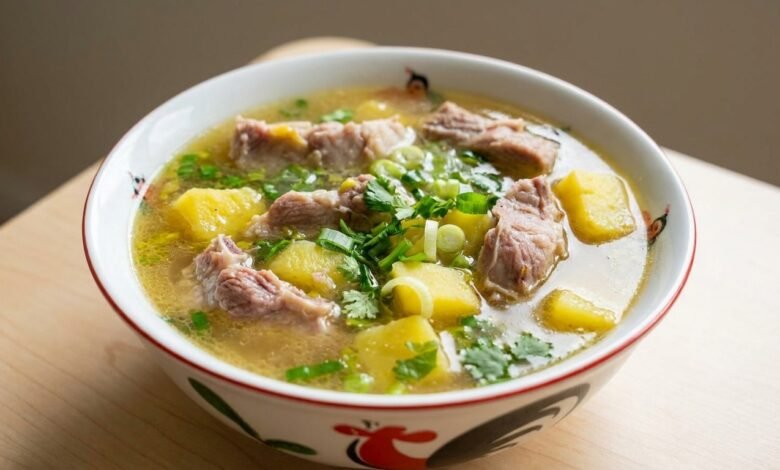
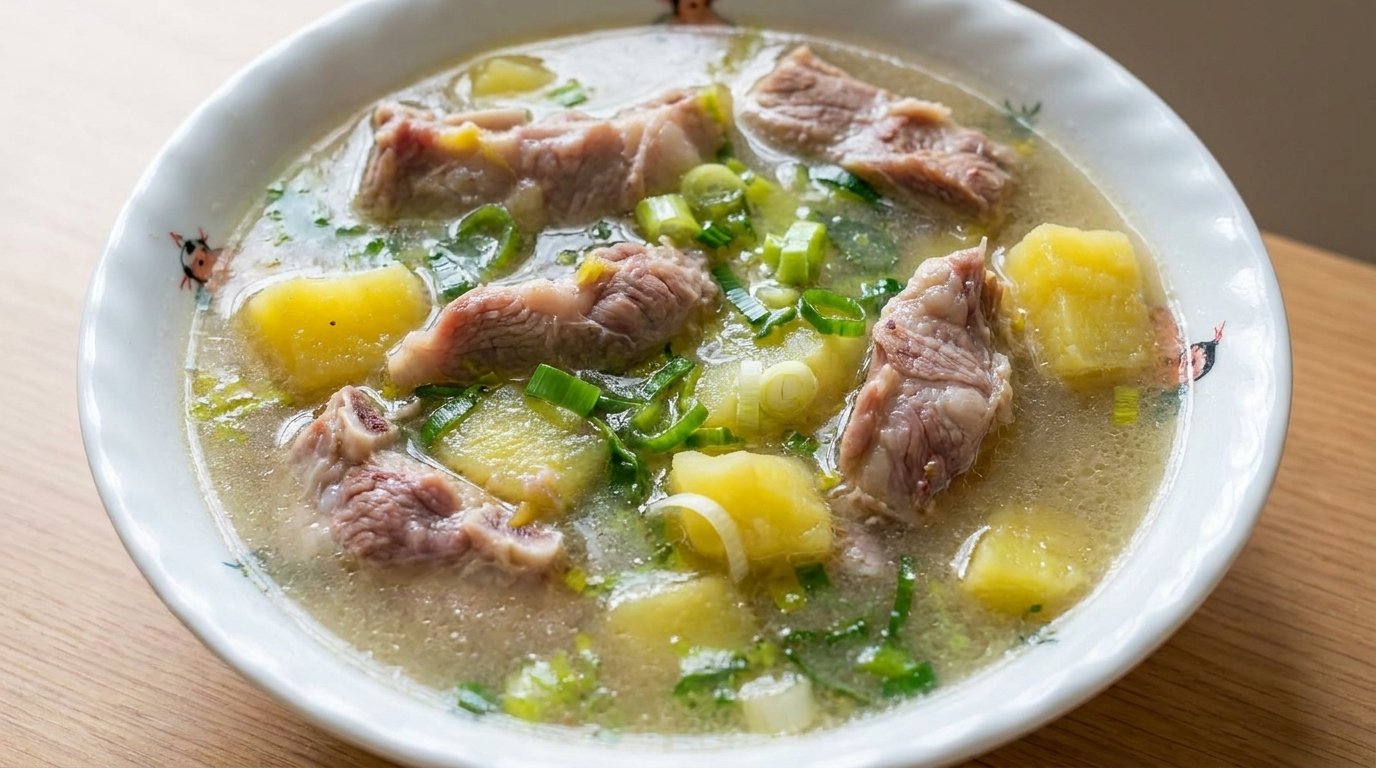
Yellow Yam Soup with Pork Ribs
Recipes, Soup

Yellow Yam Soup with Pork Ribs

0 comments Some links in this post are affiliate links. If you click and buy, I may receive a small commission at no extra cost to you
5.0 from 2 votes

Let me tell you about one of my favorite soups from childhood. Growing up in a small village outside Siem Reap, my grandmother would make this yellow yam soup with pork ribs on cool mornings when the mist still hung over the rice fields. The smell would wake me up before the roosters even started crowing.

If you’ve never cooked with real yam before, you’re in for something special. Not the sweet potato that some people call yam here in America. I’m talking about the real thing – the ancient Khmer vegetable that has been feeding our people for generations. It’s hearty, it’s comforting, and when you cook it slowly with pork ribs, something magical happens.

This soup is the kind of meal that doesn’t rush you. It simmers quietly on the stove while you go about your day. The broth gets richer, the yam gets softer, and by the time you’re ready to eat, you have a bowl of pure comfort waiting for you. I make this for my family now, and every time I do, I think about my grandmother’s kitchen with its clay pots and wood fire.

Why You’ll Love This Soup

First of all, this yellow yam soup with pork ribs is incredibly easy to make. You don’t need any special skills or fancy equipment. If you can chop vegetables and boil water, you can make this soup. I promise.

The flavors are gentle and soothing. The pork ribs make a light but flavorful broth, and the yam absorbs all that goodness while adding its own subtle sweetness. It’s not a spicy soup or a heavy one. It’s the kind of soup that makes you feel better on days when you need a little comfort.

Another thing I love about this recipe is how affordable it is. Pork ribs are usually pretty cheap, and yam is a vegetable that goes a long way. One yam can weigh several pounds and feed your whole family for a couple of meals. This is the kind of food that our grandparents relied on to stretch their ingredients and feed many hungry children.

The soup is also naturally gluten-free and dairy-free. It’s whole food at its simplest – just meat, vegetables, water, and a few seasonings. No cream, no flour, no complicated steps. Just real food cooked simply.

My Personal Experience

I remember the first time I tried to make this soup by myself. I was maybe twelve years old, and my grandmother had gone to visit my aunt in the province. I missed her cooking so much that I decided to make her yellow yam soup on my own.

Well, I didn’t peel the yam carefully enough and my hands got so itchy! My grandmother always warned me about this, but I thought I knew better. Some yams have these tiny crystals in the skin that can irritate your skin. I ended up with red, itchy hands for hours. Now I always wear gloves when peeling yam, or I rub a little oil on my hands first. Lesson learned the hard way.

But the soup itself turned out okay. Not as good as my grandmother’s, but it was edible. When she came home, she tasted it and gave me some tips. She said I needed to cook the pork longer until it really fell off the bone. She said I needed to add the yam at the right time so it didn’t turn to mush. Little by little, I learned.

Now, after making this soup hundreds of times over the years, I finally feel like I’ve captured what she used to make. My own children ask for it now, especially when they’re not feeling well or when the rainy season comes. It’s become our family’s comfort food, just like it was for me growing up.

Easy-to-Find Ingredients

You might wonder where to find real yam. If you have an Asian grocery store near you, that’s your best bet. Look in the produce section for these big, rough-looking roots that can be as big as your arm. Sometimes they’re even bigger. The skin looks almost like tree bark – dark brown and rough. Don’t be afraid of how ugly they look on the outside. The inside is beautiful.

If you can’t find Asian yam, you have options. Many regular grocery stores now carry yam in the international foods section or in the regular produce aisle. Just make sure you’re not buying sweet potato by mistake. Real yam is starchier and not as sweet as sweet potato. The texture is different too – firmer and more dense.

For the pork ribs, any meat counter will have them. I like to use pork riblets or baby back ribs cut into small chunks. You want meat that has some bone and a little fat. The bones add flavor to the broth, and the fat keeps everything moist and rich. If you can’t find pork ribs, you can use pork neck bones or even country-style ribs. Just ask your butcher to cut them into bite-sized pieces for you.

Everything else is super simple – celery, green onions, fish sauce, sugar, salt, and pepper. These are all things you probably already have in your kitchen. If you don’t have fish sauce, you can use salt instead, but fish sauce adds that special something that makes the soup taste truly Khmer.

Ingredients List

  • 1 pound (450 grams) pork riblets, cut into bite-sized chunks
  • 5 cups water
  • 2 pounds (900 grams) yellow yam, peeled and cut into small cubes
  • 1 stalk celery, chopped finely
  • 1 tablespoon fish sauce
  • 1/2 tablespoon sugar
  • 1/2 teaspoon salt
  • 1/4 teaspoon black pepper
  • 2 stalks green onion, chopped

Why These Ingredients Are Used

  • Pork riblets: The bones give the broth depth and body. The meat becomes tender and flavorful as it simmers slowly. Pork has a mild taste that doesn’t overpower the delicate flavor of the yam.
  • Water: Simple, clean water lets all the other ingredients shine. You don’t need broth or stock because the pork creates its own flavorful liquid as it cooks.
  • Yellow yam: This is the star of the show. Yellow yam has a beautiful golden color and a starchy, slightly sweet flavor. When cooked, it becomes soft and creamy while still holding its shape. It thickens the broth just a little bit naturally.
  • Celery: Adds a fresh, slightly bitter note that balances the sweetness of the yam. It also adds a nice green color to the soup.
  • Fish sauce: This is the secret to so many Khmer dishes. It adds saltiness and umami that you just can’t get from regular salt. Don’t skip it if you can help it.
  • Sugar: Just a tiny bit to round out the flavors and bring out the natural sweetness in the yam and pork.
  • Salt: Enhances all the other flavors. You’ll adjust this at the end to taste.
  • Black pepper: Adds a gentle warmth without making the soup spicy. Freshly ground black pepper is best if you have it.
  • Green onion: For freshness and color at the end. It adds a mild onion flavor that brightens up the whole bowl.

Cooking Equipment Needed

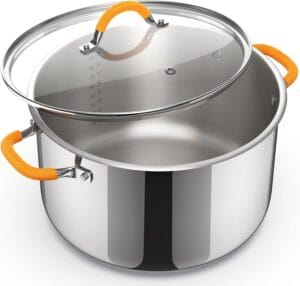
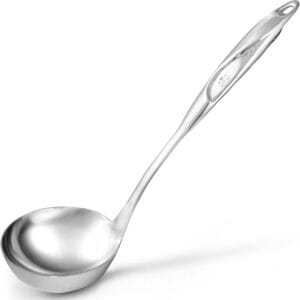
  • Large soup pot: You need something big enough to hold all the ingredients with room for the water to bubble. A 4 or 5-quart pot works perfectly.
  • Sharp knife: For cutting the pork and peeling the yam. A sharp knife is safer than a dull one and makes the job much easier.
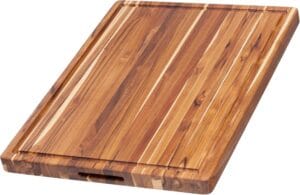
  • Cutting board: Any cutting board works. I like using separate boards for meat and vegetables.
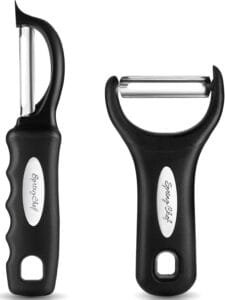
  • Vegetable peeler: This makes peeling the yam much easier than using a knife. Just be careful because yam can be tough to peel.
  • Measuring cups and spoons: For getting the water and seasonings right. After you make this a few times, you’ll be able to eyeball it.
  • Wooden spoon: For stirring everything together. Wood won’t scratch your pot and feels nice in your hand.
  • Gloves: Optional but highly recommended for peeling yam. Your skin will thank you.

Cooking Instructions

Let’s start making this soup together. First, take your pork riblets and rinse them under cool water. If they’re in one big slab, you’ll need to cut them into individual ribs and then into smaller pieces. I like them about two inches long, bite-sized pieces. You want the meat to be easy to eat with a spoon.

Put the pork pieces into your soup pot and add the five cups of water. Turn the heat to high and bring it to a boil. When it starts boiling, you’ll see some foam and scum rise to the top. This is normal. Just use a spoon to skim it off and throw it away. This keeps your broth clear and clean-tasting.

Once you’ve skimmed the foam, turn the heat down to low. You want a gentle simmer, not a rolling boil. Cover the pot and let it cook for about an hour, maybe a little longer. The pork should be tender enough that you can easily pierce it with a fork. If the meat is still tough, let it go another twenty minutes.

While the pork is cooking, you can prepare your yam. This is the part where you need to be careful. Put on your gloves if you have them. Peel the yam with your vegetable peeler, removing all the rough brown skin. Underneath, you’ll see the beautiful yellow flesh. Cut the yam into cubes about an inch big. Try to make them all the same size so they cook evenly.

Now wash and chop your celery. Cut it into small pieces, including the leaves if there are any. The leaves have good flavor too. Set the celery aside with your chopped green onions.

When the pork is tender, add the cubed yam and the chopped celery to the pot. Stir everything together gently. Turn the heat back up to medium and bring it to a simmer again, then lower the heat and cover. Let it cook for another twenty to thirty minutes, until the yam is soft. You should be able to easily poke a fork into a piece of yam. It should be tender but not falling apart completely.

Now it’s time to season. Add the fish sauce, sugar, salt, and black pepper. Stir gently and let it cook for another five minutes so the flavors can blend together. Taste the broth and see if it needs more salt or fish sauce. Everyone’s taste is different, so trust your own.

Right before you’re ready to serve, sprinkle the chopped green onions on top. They’ll soften in the hot soup but stay bright and fresh. Turn off the heat and let the soup rest for just a minute before serving.

Step-by-Step Directions

  1. Rinse the pork riblets and cut them into bite-sized chunks if needed.
  2. Place the pork in a large soup pot with 5 cups of water.
  3. Bring to a boil over high heat, then skim off any foam that rises to the surface.
  4. Reduce heat to low, cover, and simmer for about 1 hour until pork is tender.
  5. While pork cooks, peel the yellow yam and cut it into 1-inch cubes.
  6. Chop the celery finely and set aside with the green onions.
  7. When pork is tender, add the cubed yam and chopped celery to the pot.
  8. Bring back to a simmer, then reduce heat, cover, and cook for 20-30 minutes until yam is soft.
  9. Add fish sauce, sugar, salt, and black pepper. Stir gently.
  10. Let simmer for another 5 minutes to blend flavors.
  11. Taste and adjust seasoning if needed.
  12. Sprinkle chopped green onions on top.
  13. Serve hot with steamed rice.

Tips for Best Flavor

  • Don’t rush the pork. Let it simmer slowly until it’s really tender. This makes the broth taste much better.
  • If you have time, let the soup sit for an hour after cooking and then reheat it. The flavors get even better overnight.
  • Be careful not to overcook the yam. You want it soft but not mushy. Check it after 20 minutes.
  • Use real fish sauce, not the fake stuff. Look for brands from Thailand or Vietnam with just anchovies, salt, and water in the ingredients.
  • Add the green onions at the very end so they stay fresh and colorful.
  • If your yam is very large, you might only need half of it. Save the rest for another day wrapped in plastic in the fridge.
  • For extra flavor, you can add a piece of ginger to the pot while the pork cooks, then remove it before adding the yam.

Variations and Adaptations

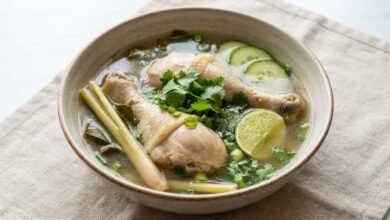
  • Chicken version: Use chicken thighs or drumsticks instead of pork. Cook until chicken is falling off the bone.
  • Vegetarian option: Skip the meat and use vegetable broth. Add mushrooms for umami and cook until yam is soft.
  • Purple yam: If you find purple yam, use it instead. The soup will be beautiful purple color and taste slightly different but still delicious.
  • Add greens: Throw in some spinach or bok choy in the last five minutes for extra vegetables.
  • Make it spicy: Add a fresh chili or two when you add the yam if you like heat.
  • Coconut milk version: Stir in half a cup of coconut milk at the end for a richer, creamier soup.
  • Herb addition: Add fresh cilantro or Thai basil when serving for more aroma.

Serving Suggestions

  • Serve hot with a big bowl of steamed jasmine rice on the side.
  • Put out a dish of sliced fresh chilies and extra fish sauce for people to add themselves.
  • This soup is wonderful with a simple cucumber salad on the side for freshness.
  • For a complete Khmer meal, serve with fried fish and a dipping sauce.
  • Eat it for breakfast with rice like we do in Cambodia. It’s hearty enough to start your day.
  • The soup is also perfect for lunch with a piece of crusty bread for dipping.

Storing Leftovers

  • Let the soup cool completely before storing.
  • Keep in an airtight container in the refrigerator for up to 4 days.
  • The flavors will actually get better after a day or two.
  • To reheat, warm gently on the stove over medium heat until hot.
  • You can add a little water if the soup has thickened too much.
  • This soup freezes well for up to 3 months. Thaw overnight in the fridge before reheating.
  • Don’t freeze if you added coconut milk, as the texture may change.

Final Thoughts

Making this yellow yam soup with pork ribs connects me to my home and my family every time I cook it. There’s something special about preparing a dish that your grandmother made, and her grandmother before her. Food has a way of carrying memories and love across generations.

If you’re new to Khmer cooking, this is such a good place to start. It’s simple enough that you can’t really mess it up, but it’s authentic enough that you’ll feel proud to serve it to friends and family. The ingredients are easy to find, the steps are straightforward, and the result is genuinely delicious.

I hope you’ll try this recipe and make it your own. Maybe you’ll add a little something your family loves, or maybe you’ll serve it with a side that reminds you of your own childhood. That’s the beautiful thing about cooking – every pot of soup tells a slightly different story.

For more Cambodian recipes, you might also enjoy my Khmer Chicken Curry with Bamboo Shoots or this Simple Cambodian Ginger Stir-Fry. If you want to learn more about Cambodian ingredients, The Cambodian Kitchen has wonderful information about traditional foods and where to find them.

Thank you for cooking with me today. May your kitchen be warm and your bowl be full.

Frequently Asked Questions (FAQs)

Q: Can I use sweet potato instead of yam?

A: You can, but it won’t taste the same. Sweet potato is sweeter and softer than real yam. The texture and flavor are different. If you can’t find yam, sweet potato makes a decent substitute, but try to find real yam if possible.

Q: Why do my hands get itchy when I peel yam?

A: Raw yam contains calcium oxalate crystals that can irritate your skin. This is completely normal. Wear gloves when peeling, or rub a little cooking oil on your hands before you start. The itching goes away after washing thoroughly.

Q: How do I know when the yam is cooked?

A: Stick a fork or knife into a cube. It should go in easily with a little resistance. The yam should be tender but not falling apart. Start checking at 20 minutes.

Q: Can I make this in a slow cooker?

A: Yes! Brown the pork first if you want, then add everything except the green onions to the slow cooker. Cook on low for 6-8 hours or high for 3-4 hours. Add green onions at the end.

Q: Is this soup healthy?

A: Very healthy. It’s full of protein from the pork, complex carbohydrates from the yam, and vitamins from the vegetables. Yam is also used in traditional medicine for breathing problems and skin conditions.

Q: My soup is too thick. What should I do?

A: Just add a little hot water until it reaches the consistency you like. Then taste and adjust the seasoning if needed.

Q: Can I use frozen pork ribs?

A: Absolutely. Thaw them completely in the refrigerator first, then cook as directed. You might need to skim a little more foam from the broth.

Q: What other vegetables can I add?

A: Carrots, daikon radish, or chayote squash would all be delicious in this soup. Add them with the yam.

Yellow Yam Soup with Pork Ribs

Recipe by Cambodia Recipe
5.0 from 2 votes
Course: SoupCuisine: CambodianDifficulty: Easy
Servings

4

servings
Prep time

30

minutes
Cooking time

59

minutes
Calories

320

kcal
Total time

1

hour 

29

minutes

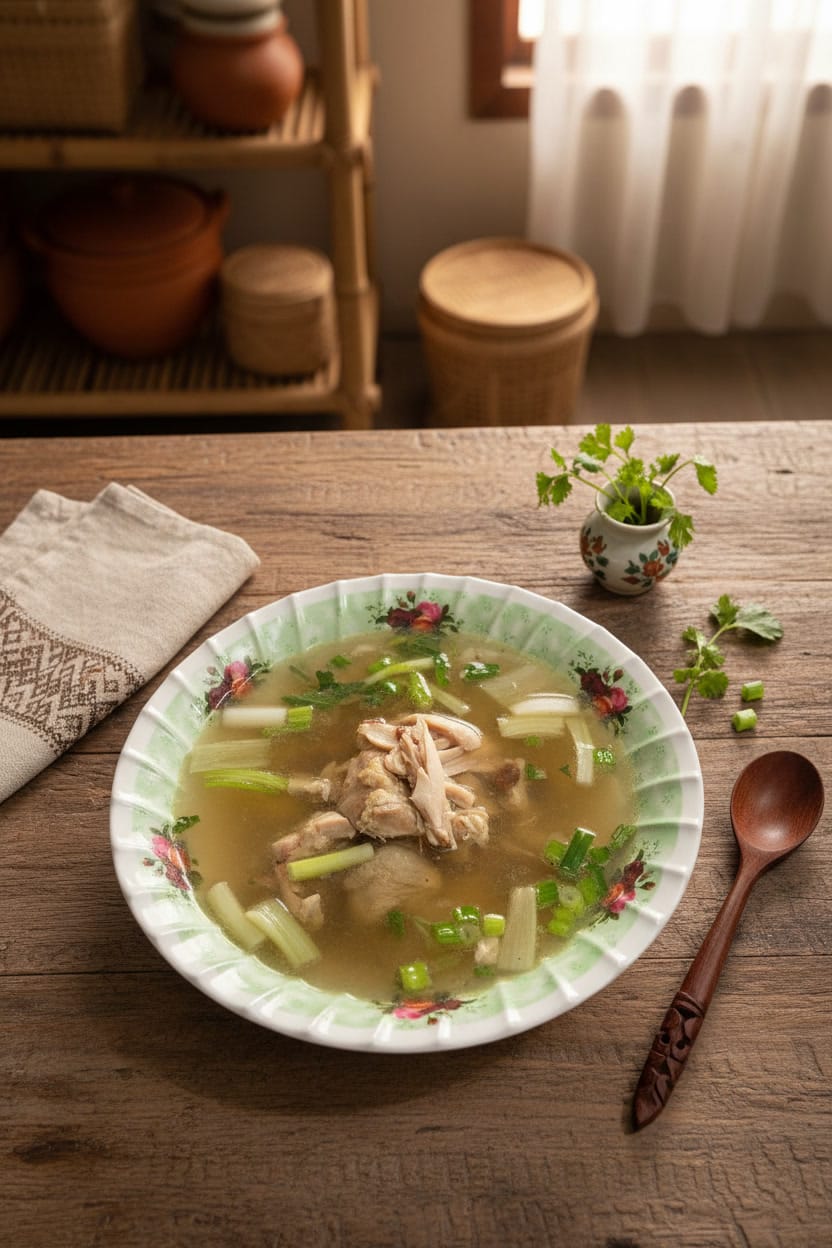
This Yellow Yam Soup with Pork Ribs is a simple, nourishing Cambodian soup made by simmering pork ribs until tender, then adding cubes of yellow yam and celery, seasoned with fish sauce and black pepper for a comforting, lightly sweet and savory broth.

Ingredients

  • 1 lb 1 (450 gram) of pork riblets, cut chunks bite sizes

  • 5 cups 5 water

  • 2 lbs 2 (900 gram) of yellow yam peeled and cut to small cubes

  • 1 1 stalk celery, chopped finely

  • 1 tablespoon 1 fish sauce

  • 1/2 tablespoon 1/2 sugar

  • 1/2 teaspoon 1/2 salt

  • 1/4 teaspoon 1/4 black pepper

  • 2 2 stalks green onion, chopped

Directions

  • Put pork riblets and water in a soup pot and cook till meat tender.
  • Add yellow yam, celery and cook till yam tender.
  • Seasoning with fish sauce, sugar, salt and black pepper.
  • Top with green onion.

Recipe Video

Recipe Notes

  • Yam varies in size tremendously. A 2-pound piece is usually about half of a medium yam.
  • If you have sensitive skin, definitely wear gloves when peeling yam.
  • The soup will continue to thicken as it sits because the yam releases starch.
  • Leftovers make a wonderful lunch the next day.
  • You can add more water if you prefer a thinner soup.
  • Some people like to mash some of the yam against the side of the pot to thicken the broth more.
  • This recipe is naturally gluten-free. Just check your fish sauce label to be sure.
  • Children usually love this soup because it’s mild and slightly sweet.

Nutrition Facts

  • Serving Size: 1g
  • Total number of serves: 4
  • Calories: 300kcal
  • Fat: 10g
  • Saturated Fat: 3g
  • Trans Fat: 0g
  • Polyunsaturated Fat: 1g
  • Monounsaturated Fat: 2g
  • Cholesterol: 50mg
  • Sodium: 800mg
  • Potassium: 600mg
  • Carbohydrates: 35g
  • Fiber: 4g
  • Sugar: 3g
  • Protein: 20g
  • Vitamin A: 10IU
  • Vitamin C: 15mg
  • Calcium: 5mg
  • Iron: 15mg
  • Vitamin D: 2mg
  • Vitamin E: 2mg
  • Vitamin K: 10mg
  • Thiamin: 15mg
  • Riboflavin: 10mg
  • Niacin: 20mg
  • Vitamin B6: 25mg
  • Vitamin B12: 5mg
  • Folate: 10mg
  • Biotin: 5mg
  • Pantothenic Acid: 8mg
  • Phosphorus: 15mg
  • Iodine: 3mg
  • Magnesium: 10mg
  • Zinc: 8mg
  • Selenium: 10mg
  • Copper: 5mg
  • Manganese: 6mg
  • Chromium: 2mg
  • Molybdenum: 3mg
  • Chloride: 7mg
Instagram

Did you make this recipe?

Tag @cambodiarecipe on Instagram and hashtag it

Pinterest

Like this recipe?

Follow us @cambodiarecipe on Pinterest

Facebook

Did you make this recipe?

Follow us on Facebook
Leave a Comment

Your email address will not be published. Required fields are marked *

*