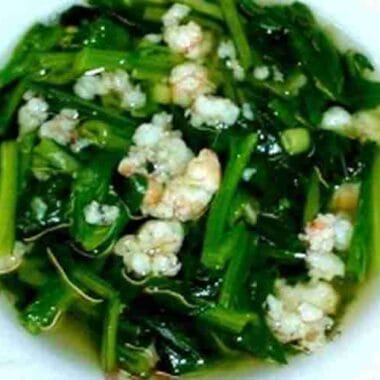
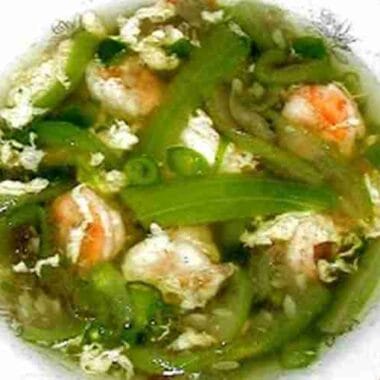
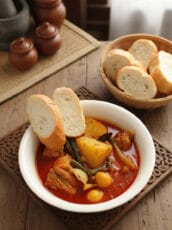
There are some soups that just feel like home the moment you take that first spoonful. This Yu Choy with Taro and Shrimp Ball Soup is exactly that kind of dish for me. It’s one of those recipes that my mother used to make on quiet weekday evenings when the rains came and the air turned cool and damp.
The beauty of this soup is how simple it really is. You don’t need fancy techniques or hard-to-find equipment. Just fresh ingredients, a little patience, and the desire to create something nourishing for the people you love. The shrimp balls turn out tender and sweet, the taro root gets soft and buttery, and the yu choy adds that perfect green freshness.
I remember watching my mother make this soup when I was small, standing on my tiptoes to see into the pot. She would let me help roll the shrimp mixture into little balls, my small hands covered in sticky shrimp paste while she laughed and wiped my face with a towel. Those are the kind of memories that stick with you, the ones wrapped up in food and family.
Why You’ll Love This Soup
This isn’t a complicated restaurant-style soup that takes hours to prepare. It’s everyday food, the kind you can throw together after work when you’re tired but still want something good to eat. The whole thing comes together in about thirty minutes, maybe forty if you’re moving slow like I sometimes do.
The flavors are clean and simple. The shrimp brings natural sweetness, the taro adds this lovely creamy texture once it cooks down a bit, and the yu choy gives just a hint of pleasant bitterness that balances everything. The fish sauce at the end ties it all together without making things taste fishy at all.
I love that this soup is light but still filling. You can eat it with rice for a complete meal, or just have a big bowl by itself when you want something comforting but not heavy. It’s the kind of food that makes you feel good after eating it, not stuffed and sleepy.
My Personal Experience
The first time I made this soup on my own, I was maybe nineteen years old and living in a tiny apartment far from home. I called my mother three times during the cooking process, asking questions like “How big should the shrimp balls be?” and “How do I know when the taro is soft enough?” She was patient with me, even though I could hear the smile in her voice.
I messed up quite a bit that first time. Some of my shrimp balls fell apart in the soup because I hadn’t mixed the mixture enough. The taro was cut into chunks that were too big, so they took forever to cook. And I think I added way too much fish sauce because I was nervous and not tasting as I went. But you know what? I sat there on my little plastic stool, eating that imperfect soup with a scoop of jasmine rice, and it was one of the best meals I’d ever had. Because it tasted like home.
Now, years later, I’ve made this soup dozens of times. I’ve tweaked things here and there, learned little tricks that my mother never wrote down but somehow passed to me anyway. When I make it for my own family now, I think about her standing in her kitchen all those years ago, and I hope my children will remember this soup the same way I do.
Easy-to-Find Ingredients
One thing I really appreciate about this recipe is that you can find everything at a regular grocery store. You don’t need to make a special trip to an Asian market, though you certainly can if you want to.
The yu choy might be the only ingredient that gives people pause. Sometimes it’s labeled as Chinese flowering cabbage or just choy sum. If you can’t find it at all, regular bok choy or even spinach will work in a pinch. But yu choy has this particular mild flavor that I really love with the shrimp.
Taro root can be found in most grocery stores these days, usually in the produce section near the potatoes and yams. Look for ones that feel heavy for their size and don’t have any soft spots or mold. The skin should be brown and a little fuzzy, kind of like a coconut.
For the shrimp, I like to buy them already peeled and deveined to save time. But if you can only find shrimp with shells on, that’s fine too. Just take a few extra minutes to clean them yourself. The freshness of the shrimp really matters here since it’s the main flavor.
Ingredients List
- 1 pound (450 grams) fresh shrimp, peeled, deveined, and ground or finely chopped
- 1/4 teaspoon salt
- 1/4 teaspoon black pepper
- 3 stalks green onion, chopped (divide into two parts)
- 1 cup taro root, peeled and cut into small cubes
- 4 cups water
- 2 pounds (900 grams) yu choy, roots removed and cut into 2-inch lengths
- 1/2 tablespoon sugar
- 2 tablespoons fish sauce
Why These Ingredients Are Used
- Fresh shrimp: Provides the foundation flavor for the whole soup. Fresh shrimp has a natural sweetness that frozen just can’t match, and it makes the shrimp balls tender instead of rubbery.
- Salt and black pepper: Simple seasonings that wake up the shrimp flavor. The salt also helps bind the shrimp mixture together.
- Green onion: Adds mild onion flavor without being too strong. We use half in the shrimp balls and half as a fresh garnish at the end.
- Taro root: Gives the soup body and a lovely creamy texture. When taro cooks, it softens and releases a bit of starch that thickens the broth naturally.
- Water: The simple base that lets all the other flavors shine. You could use stock, but I honestly prefer water here because it keeps things clean and pure.
- Yu choy: Brings color, freshness, and a slight bitterness that balances the sweet shrimp and rich taro. The stems stay a little crunchy while the leaves get tender.
- Sugar: Just a tiny bit rounds out the flavors and takes the edge off any bitterness from the greens.
- Fish sauce: The secret weapon in Cambodian cooking. It adds depth and saltiness without tasting fishy. Think of it as liquid gold for soups and stir-fries.
Cooking Equipment Needed
- Large soup pot: You want something big enough to hold all the liquid and vegetables without overflowing. A 4 or 5-quart pot works perfectly.
- Small mixing bowl: For combining the shrimp mixture and forming the balls. Any cereal bowl will do the job.
- Sharp knife: Makes cutting the taro and yu choy much easier and safer. Taro can be a little tricky to cut because it’s dense.
- Cutting board: Give yourself plenty of space to work. I like to prep all my ingredients before I start cooking.
- Measuring cups and spoons: Especially important for the fish sauce and sugar since a little goes a long way.
- Slotted spoon: Really handy for lifting the shrimp balls out to check if they’re done, or for serving.
- Mixing spoon or spatula: Something long enough to stir the pot without burning your hands.
Cooking Instructions
Before you start anything, take a moment to get all your ingredients ready. This is what cooks call mise en place, but really it’s just common sense. Having everything prepped and measured means you won’t be scrambling to chop something while your soup boils over.
Start by peeling your taro root. I have to warn you about something here – taro can make your hands itchy because of tiny crystals in the raw flesh. Some people wear gloves when handling it. I usually just wash my hands really well afterward and try not to touch my face. Once it’s cooked, it’s completely fine, no itchiness at all.
Cut the taro into small cubes, maybe about half an inch each. Not too big or they’ll take forever to cook. Not too small or they’ll turn to mush. You’ll get a feel for it after a few tries.
For the yu choy, cut off the very bottom of the stems where they might be tough or dirty. Then chop the rest into pieces about two inches long. If some stems are really thick, you can slice them lengthwise so they cook at the same speed as the leaves.
Now for the shrimp. If you bought whole shrimp, peel off the shells and use a small knife to make a shallow cut along the back to remove the dark vein. Rinse them and pat dry with paper towels. Then you want to either grind them in a food processor or chop them very finely by hand. I actually prefer chopping by hand because you get better texture, but either way works.
Step-by-Step Directions
- In a small bowl, combine your ground shrimp with 1/4 teaspoon salt, 1/4 teaspoon black pepper, and about half of your chopped green onions. Mix everything together with your hands until it feels sticky and well combined. This should take maybe two or three minutes of gentle but thorough mixing.
- Wet your hands slightly with cold water so the mixture won’t stick too much. Take small amounts of the shrimp mixture and roll between your palms to form balls about the size of a walnut. You should get somewhere around 12 to 15 balls depending on how big you make them. Place them on a plate and set aside.
- Put your soup pot on the stove and add the cubed taro root along with 4 cups of water. Turn the heat to high and bring it to a boil. Once boiling, reduce the heat to medium and let it cook until the taro becomes tender. This usually takes about 10 to 15 minutes. You’ll know it’s ready when you can easily pierce a piece with a fork.
- Gently add the shrimp balls to the pot one by one, being careful not to splash hot water. Let them cook for about 3 to 4 minutes. You’ll see them change color from grayish to a lovely pink when they’re done. They might also float to the top, which is a good sign.
- Add all the yu choy to the pot at once. It will look like way too much at first, but don’t worry. The greens will wilt down significantly in just a minute or two. Push them down into the broth gently with your spoon.
- Season the soup with 1/2 tablespoon of sugar and 2 tablespoons of fish sauce. Stir gently to dissolve everything. Taste the broth and adjust if needed. If it needs more salt, add fish sauce a little at a time. If it tastes too salty, a tiny bit more sugar can help balance it.
- Sprinkle the remaining green onions over the top of the soup right before you turn off the heat. This keeps them fresh and bright.
- Serve hot in deep bowls, making sure each bowl gets some shrimp balls, taro pieces, and plenty of greens. Have a pot of steamed jasmine rice ready on the side.
Tips for Best Flavor
- Don’t overwork the shrimp mixture or your balls will be tough. Mix just until everything comes together.
- Cut your taro pieces uniformly so they cook evenly. Take your time with this step.
- Add the shrimp balls gently so they don’t break apart. I use a spoon to lower them into the water.
- Taste the broth before adding all the fish sauce at once. Different brands have different salt levels.
- Cook the yu choy just until wilted but still bright green. Overcooked greens get sad and mushy.
- Let the soup rest for five minutes after cooking if you can. The flavors come together beautifully.
- Use the best fish sauce you can find. It really does make a difference in the final taste.
Variations and Adaptations
- Use chicken or pork instead of shrimp if you prefer. Ground chicken or pork works well, just adjust cooking time to make sure it’s fully cooked through.
- Add mushrooms like shiitake or straw mushrooms for extra earthiness. Slice them thin and add with the taro.
- Make it vegetarian by using firm tofu cubes instead of shrimp balls and vegetable stock instead of water. Add a little extra salt or soy sauce to make up for the missing fish sauce.
- Try different greens like bok choy, choy sum, or even spinach if yu choy isn’t available. Each green brings something slightly different.
- Add some heat with a sliced Thai chili or two if you like spicy food. Add it with the greens so the spice infuses the broth.
- Use sweet potato instead of taro for a different flavor. It won’t be quite the same, but still delicious.
- Make it a meal by adding some rice noodles right at the end. Just cook them separately and add to each bowl before ladling the soup over.
Serving Suggestions
- Serve with a small bowl of steamed jasmine rice on the side. The rice soaks up the broth beautifully.
- Offer extra fish sauce with sliced chilies on the table for people who want more seasoning.
- Pair with a simple cucumber salad for a refreshing contrast to the warm soup.
- Add a wedge of lime to each bowl for squeezing over right before eating. The acidity brightens everything.
- Serve family-style in a large bowl in the center of the table so everyone can help themselves.
- Enjoy with a pot of hot jasmine tea alongside for a truly comforting meal.
Storing Leftovers
- Let the soup cool completely before putting it in the refrigerator. Hot soup can raise the temperature of your fridge and spoil other foods.
- Store in an airtight container for up to three days. The flavors actually get better after a day.
- Keep the greens separate if you can. They’ll get softer as they sit in the liquid, so if you’re meal prepping, store broth and balls separately from the yu choy.
- Reheat gently on the stovetop rather than in the microwave. Low and slow brings back the flavors without overcooking.
- The soup might need a tiny splash of water when reheating because the taro continues to absorb liquid as it sits.
- Don’t freeze this soup. The shrimp balls can get rubbery and the greens turn to mush when thawed.
Final Thoughts
This Yu Choy with Taro and Shrimp Ball Soup is more than just a recipe to me. It’s a connection to my mother, to my childhood, to Cambodia even though I’m far from there now. Every time I make it, I remember standing in her kitchen, the steam fogging up the windows while the rain fell outside.
If you’re new to Cambodian cooking, this is such a good place to start. It’s forgiving, it’s simple, and it shows you how just a few fresh ingredients can come together to make something truly satisfying. Don’t be afraid to make mistakes. I certainly did, and I still do sometimes. That’s how we learn.
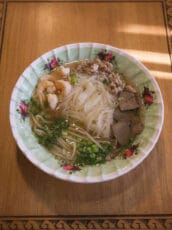
I hope this soup brings you and your family the same comfort it’s brought to mine for generations. If you make it, I’d love to hear how it turns out. You can leave a comment below or tag me on social media. And if you’re looking for more Cambodian recipes to try, check out my Classic Khmer Noodle Soup or this Easy Cambodian Stir-Fry. For more about Cambodian ingredients and where to find them, Serious Eats has a great guide that I still reference sometimes.
Thank you for spending time with me today. Now go make some soup and feed the people you love.
Frequently Asked Questions
Q: Can I use frozen shrimp for this recipe?
A: Yes, frozen shrimp works fine. Just thaw them completely in the refrigerator overnight and pat them very dry with paper towels before chopping. Extra water will make your shrimp mixture too loose.
Q: What if I can’t find yu choy anywhere?
A: No problem at all. Baby bok choy is probably the closest substitute. You could also use regular bok choy, choy sum, or even broccoli rabe. Each will give you a slightly different flavor, but all will be delicious.
Q: Is taro the same as eddoes or malanga?
A: They’re related but not exactly the same. Taro is more common in Asian cooking. If you can’t find taro, purple sweet potato or even regular potato will work, though the texture won’t be quite as creamy.
Q: Why do my hands get itchy when I peel taro?
A: That’s from calcium oxalate crystals in the raw taro. It’s completely harmless and goes away once the taro is cooked. Wear gloves if it bothers you, or just wash your hands well afterward and avoid touching your eyes.
Q: Can I make the shrimp balls ahead of time?
A: Absolutely. You can form them up to a day in advance and keep them covered in the refrigerator. Let them sit at room temperature for about 15 minutes before adding to the soup so they cook evenly.
Q: How do I know when the shrimp balls are fully cooked?
A: They’ll change from grayish to opaque pink and float to the surface. If you’re unsure, cut one open – it should be white and pink all the way through with no translucent gray areas.
Q: Is this soup spicy?
A: Not at all as written. It’s mild and gentle, perfect for kids or anyone who doesn’t like heat. You can easily add chilies if you want spice.
Q: Can I use chicken broth instead of water?
A: You can, but I actually prefer water for this particular soup. The shrimp and taro flavors are delicate, and broth can sometimes overpower them. If you do use broth, go easy on the fish sauce at first.
Yu Choy with Taro and Shrimp Ball Soup
2
servings20
minutes25
minutes285
kcal45
minutesThis Yu Choy with Taro and Shrimp Ball Soup is a traditional Cambodian dish featuring tender homemade shrimp balls, creamy taro cubes, and fresh yu choy in a light, flavorful broth seasoned simply with fish sauce and a touch of sugar.
Ingredients
1 lb 1 (450 gram) of shrimp, peeled, de-veined and grounded
1/4 teaspoon 1/4 salt
1/4 teaspoon 1/4 black pepper
3 3 stalks of green onion, chopped
1 cup 1 cubes taro root
4 cups 4 water
2 lbs 2 (900 gram) of yu choy, cut off roots and cut 2 inches in length
1/2 tablespoon 1/2 sugar
2 tablespoons 2 fish sauce
Directions
- In a small bowl, put grounded shrimp with salt, black pepper and ½ amount of chopped green onion, mix well, use your hands to rolls marinated shrimp in to small ball. When done set a side.
- Put taro root and water in a soup pot, cook till taro root tender.
- Add shrimp ball in to soup pot and yu choy, cook till shrimp ball turns darker pink color.
- Seasoning soup with sugar and fish sauce.
- Top with remaining green onion.
Recipe Video
Recipe Notes
- Fresh shrimp really do make a difference here. If you can get them from the seafood counter instead of the freezer section, do it.
- Take your time cutting the taro into even pieces. It’s worth the extra few minutes for even cooking.
- Don’t skip mixing the shrimp mixture by hand. You need to feel when it becomes sticky and holds together.
- Wet your hands before rolling the shrimp balls and they won’t stick as much.
- Add the yu choy in batches if your pot is small. It will wilt down quickly and you can add more.
- Taste the broth before serving and adjust seasonings. Everyone’s fish sauce and preferences are different.
- The soup is best eaten the day it’s made, but leftovers are still good for a couple days.
- Serve with plenty of rice to soak up every last drop of broth.
Nutrition Facts
- Serving Size: 1g
- Total number of serves: 4
- Calories: 250kcal
- Fat: 10g
- Saturated Fat: 2g
- Trans Fat: 0g
- Polyunsaturated Fat: 3g
- Monounsaturated Fat: 4g
- Cholesterol: 80mg
- Sodium: 750mg
- Potassium: 600mg
- Carbohydrates: 30g
- Fiber: 5g
- Sugar: 4g
- Protein: 15g
- Vitamin A: 150IU
- Vitamin C: 40mg
- Calcium: 100mg
- Iron: 2mg
- Vitamin D: 1mg
- Vitamin E: 2mg
- Vitamin K: 70mg
- Thiamin: 0.2mg
- Riboflavin: 0.3mg
- Niacin: 3mg
- Vitamin B6: 0.3mg
- Vitamin B12: 1mg
- Folate: 40mg
- Biotin: 5mg
- Pantothenic Acid: 1.5mg
- Phosphorus: 200mg
- Iodine: 40mg
- Magnesium: 50mg
- Zinc: 1mg
- Selenium: 20mg
- Copper: 0.1mg
- Manganese: 0.5mg
- Chromium: 10mg
- Molybdenum: 20mg
- Chloride: 100mg
Did you make this recipe?
Tag @cambodiarecipe on Instagram and hashtag it
Like this recipe?
Follow us @cambodiarecipe on Pinterest
Did you make this recipe?
Follow us on Facebook