Fish Maw and Crab Soup
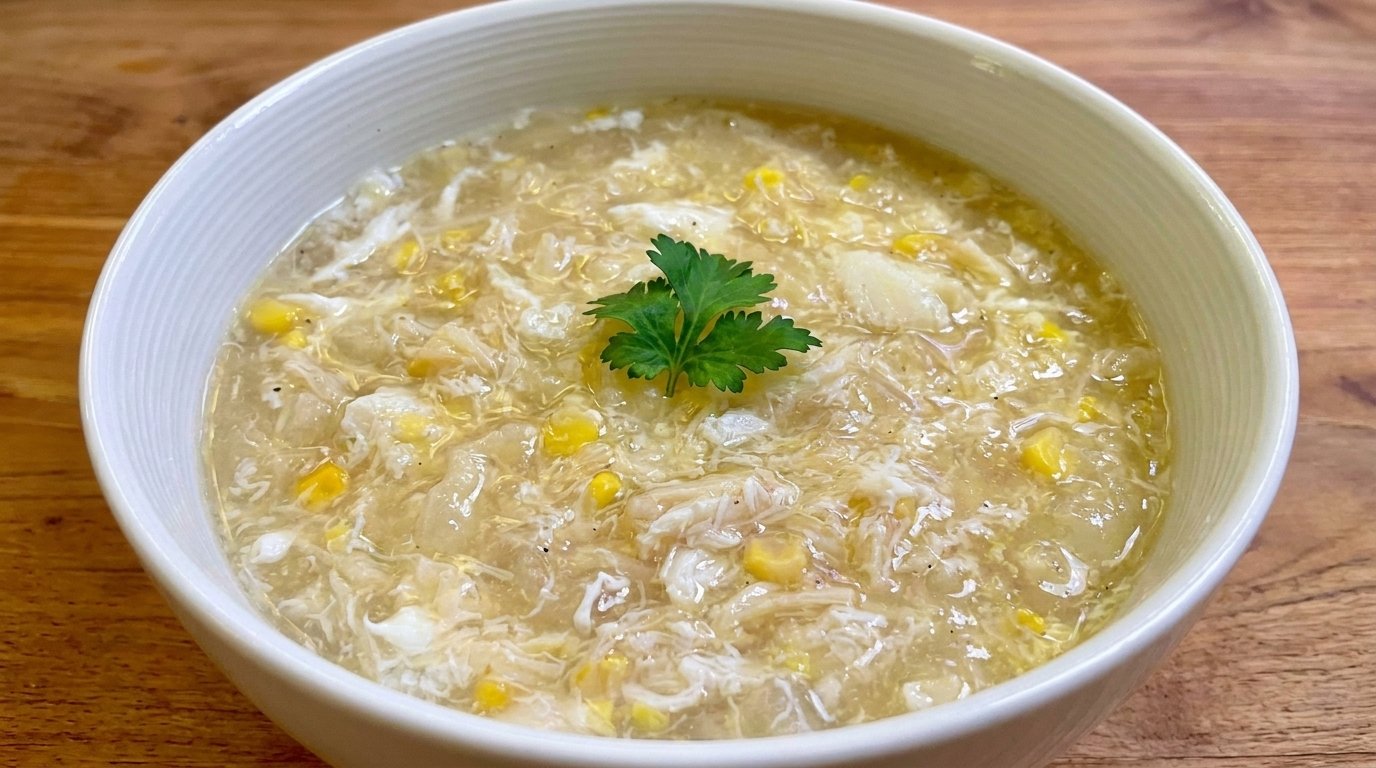
Some soups are loud. This one is not. Fish Maw and Crab Soup is quiet, warm, and deeply comforting. The fish maw turns soft and almost silky, the crab meat adds a gentle sweetness, and the egg ribbons make the broth look delicate without any extra effort.
In Khmer culture, this soup often appears at weddings and family celebrations, but you do not need a special occasion to make it at home. With a few pantry staples and a little patience, you can bring this classic Cambodian dish to your own table.
What You Need
The ingredient list looks long, but most of it is simple. Fish maw is the star. You can find dried fish maw at Asian grocery stores, and some sell it already cleaned. Canned crab meat and straw mushrooms save time without sacrificing flavor. The egg and cornstarch slurry give the soup its body. Everything else—garlic, ginger, onion, and basic seasonings—comes together to build a warm, savory broth.
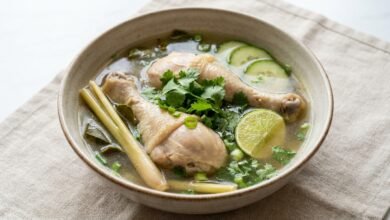
If you enjoy trying different Cambodian soups, you might also like our Easy Cambodian Chicken Lemon Soup or the gentle Khmer Lemongrass Chicken Soup. Both are light and comforting in their own way.
Equipment
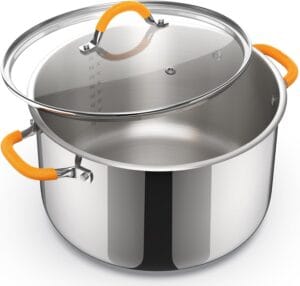
Soup pot: To simmer the broth, fish maw, and vegetables until everything is tender.
Chef’s knife: To cut the soaked fish maw into bite-size pieces and chop the onion and green onion.
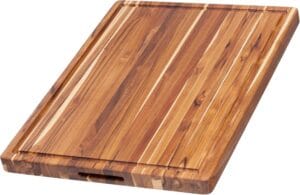
Cutting board: To prepare the fish maw and vegetables safely.
Grater: To grate the fresh ginger.
Measuring cups: To measure the chicken broth, water, and mixed vegetables.
Measuring spoons: To measure the oyster sauce, salt, sugar, sesame oil, and cornstarch.
Small bowl: To mix the cornstarch and water into a smooth slurry.
Whisk or fork: To beat the eggs until they are well blended.
Wooden spoon: To stir the ingredients as they cook.
Ladle: To serve the hot soup into bowls.
Can opener: To open the canned chicken broth and straw mushrooms.
How to Make Fish Maw and Crab Soup
Step 1: Prepare the cornstarch slurry.
In a small bowl, mix 1 teaspoon of cornstarch with 2 tablespoons of water. Stir until smooth and set it aside. You will use this later to thicken the soup.
Step 2: Sauté the aromatics and fish maw.
Heat a soup pot over medium heat. When it is hot, add 1 tablespoon of cooking oil. Add the minced garlic, chopped yellow onion, grated ginger, and fish maw. Stir until the onion turns golden brown. Keep the heat at medium and stir often so the garlic does not burn.
Step 3: Simmer the broth.
Pour in the chicken broth and water. Let the soup come to a gentle simmer over medium heat. Cook until the fish maw becomes tender. This may take some time, so let it simmer gently and check the texture.
Step 4: Add the vegetables.
Add the frozen mixed vegetables and the canned straw mushrooms. Continue simmering until the vegetables are tender.
Step 5: Create the egg ribbons.
Slowly pour the beaten eggs into the soup, a little at a time, while stirring gently. The egg will cook instantly and form soft ribbons.
Step 6: Thicken the soup.
Give the cornstarch slurry a quick stir, then pour it into the pot. Stir well. The soup will thicken slightly.
Step 7: Add the crab meat.
Add the cooked lump crab meat and the imitation crab meat, if using. Stir gently to combine. Let everything heat through.
Step 8: Season and finish.
Season with sugar, salt, and oyster sauce. Taste and adjust if needed. Turn off the heat. Sprinkle with chopped green onion, a dash of black pepper, and the sesame oil.
Cooking Tips
- Soak the fish maw in warm water until it is soft and pliable before cutting. This helps it cook evenly and gives it the right texture.
- Keep the heat at medium when sautéing the aromatics. Garlic burns quickly, and burnt garlic will make the soup taste bitter.
- Add the beaten egg slowly while stirring in one direction. This creates delicate ribbons instead of large clumps.
- If you are using imitation crab meat, add it at the same time as the real crab meat so it does not break apart.
How to Serve
Serve the soup hot, straight from the pot. It works well on its own as a light meal, or with steamed jasmine rice for something more filling. For a complete Cambodian-style meal, pair it with a simple stir-fry or a fresh vegetable dish.
Recipe Notes
- Imitation crab meat is optional. The soup is just as good with only the canned lump crab meat.
- If you cannot find straw mushrooms, you can use another canned mushroom, but the flavor will be slightly different.
- The soup thickens as it sits. If you are reheating leftovers, add a splash of water or broth to loosen it.
Frequently Asked Questions
What is fish maw?
Fish maw is the dried swim bladder of a fish. When soaked and simmered, it becomes soft and slightly chewy. It is valued in Cambodian and Chinese cooking for its unique texture and its ability to absorb the flavors of the broth. The FDA has noted that dried fish maw can sometimes contain filth, so it is a good idea to buy from a trusted source and inspect it before cooking.
Can I make this soup ahead of time?
Yes. You can make the soup a day in advance and store it in the refrigerator. The flavor deepens overnight. Reheat gently on the stove, adding a little water if the soup has thickened too much.
How should I store leftovers?
Keep leftovers in a covered container in the refrigerator for up to 3 days. Reheat until steaming hot. Because the soup contains crab meat, follow safe handling and reheating guidelines for crab meat to reduce the risk of foodborne illness.
Is this soup gluten-free?
It depends on the brands you use. Oyster sauce and chicken broth can contain gluten. Check the labels carefully if you need a gluten-free diet.
Can I use fresh crab meat instead of canned?
Yes, you can. If you use fresh crab meat, make sure it is fully cooked before adding it to the soup. Follow the same food safety guidance for handling crab meat.
Final Thoughts
Fish Maw and Crab Soup is the kind of dish that feels special without being complicated. The fish maw gives it a texture you will not find in many other soups, and the crab and egg make it rich and satisfying. Serve it hot, take your time with each spoonful, and enjoy a quiet bowl of Cambodian comfort.
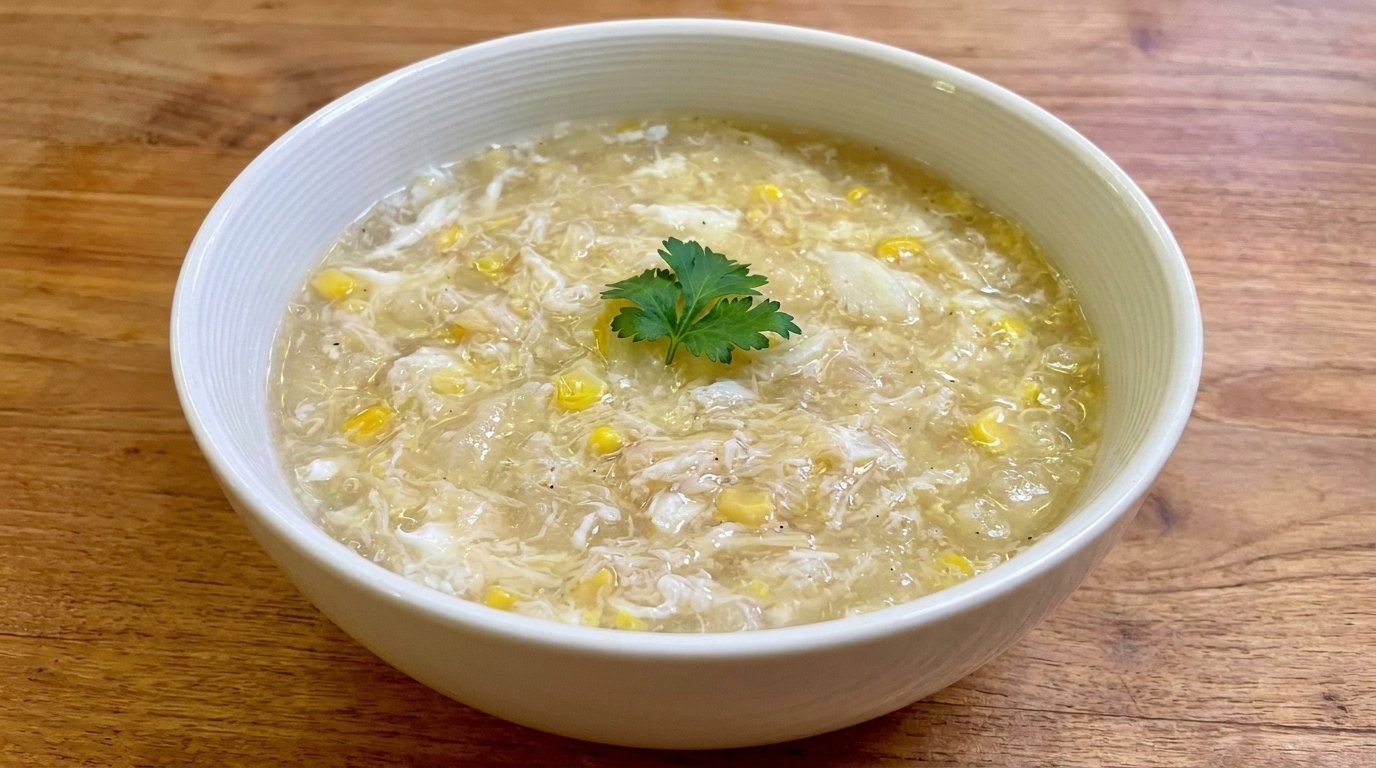
Fish Maw and Crab Soup
2
servings20
minutes35
minutes666
kcal55
minutesFish Maw and Crab Soup is a classic Khmer dish often served at celebrations. The fish maw becomes soft and slightly chewy, while the crab meat adds sweetness. Egg ribbons and a light cornstarch slurry give the soup its signature texture.
Ingredients
8 oz (230 gram) of fish maw. Soaked in warm water, rinsed and drained. Cut to bite sizes.
6 oz (170 gram) of canned cooked lump Crab meat.
3 Imitation crab meat. (Option).
2 cans chicken broth.
1 cup water.
1/4 teaspoon of grated fresh ginger root.
1/2 cup of finely chopped yellow onion.
1 stalk of green onion, chopped
1 canned (230 gram) of straw mushrooms.
1/2 cup of frozen mix vegetables.
1/2 teaspoon of oyster sauce.
1/2 teaspoon of salt.
1/2 teaspoon of sesames oil.
1 tablespoon sugar.
A dash of black pepper.
1 teaspoon cornstarch.
2 tablespoons water.
2 egg. Beaten.
1 clove garlic. Minced.
1 tablespoon cooking oil.
Directions
- Mix 1 cornstarch with 2 Tablespoon water, set it a side.
- Heat up the soup pot, when it hot add cooking oil.
- Immediately, add garlic, yellow onion, ginger and fish mau. Stirs till onion brown.( Do not let it burn).
- Pour chicken broth in to the soup pot. Let it cook in medium heat until fish maw tender.
- Add mix vegetables ,and straw mushroom. Simmering until the vegetables tender.
- Drops beaten eggs, a little at a time in to the soup. Stirs.
- Pour in cornstarch water. Stirs.
- Add cooked crabmeat and immitation crabmeat. Stirs.
- Seasoning with sugar, salt and oyster sauce.
- Sprinkles with chopped green onion and black pepper.
Equipment
 Large Soup PotCheck product details
 Small bowlCheck product details
 Wooden SpoonCheck product details
 Cutting boardCheck product details
 Chef’s KnifeCheck product details


Recipe Video
Nutrition Facts
- Serving Size: 1 g
- Total number of serves: 2
- Calories: 666kcal
- Fat: 26g
- Saturated Fat: 5.7g
- Cholesterol: 321mg
- Sodium: 2548mg
- Potassium: 1046mg
- Carbohydrates: 25g
- Net Carbs: 19.4g
- Fiber: 5.6g
- Sugar: 8.1g
- Protein: 83g
- Vitamin A: 142.7mcg
- Vitamin C: 15.3mg
- Calcium: 137mg
- Iron: 6mg
- Vitamin D: 4.6mcg
- Vitamin E: 2.8mg
- Vitamin K: 23.1mcg
- Thiamin: 0.2mg
- Riboflavin: 0.6mg
- Niacin: 9.4mg
- Vitamin B6: 0.8mg
- Vitamin B12: 11.1mcg
- Folate: 156.9mcg
- Pantothenic Acid: 2.1mg
- Phosphorus: 777mg
- Magnesium: 128mg
- Zinc: 10mg
- Selenium: 134.1mcg
- Copper: 1.2mg
- Manganese: 0.4mg
Did you make this recipe?
Tag @cambodiarecipe on Instagram and hashtag it
Like this recipe?
Follow us @cambodiarecipe on Pinterest
Did you make this recipe?
Follow us on Facebook