Cambodian Tuk Kapi (Shrimp Paste Dipping Sauce)
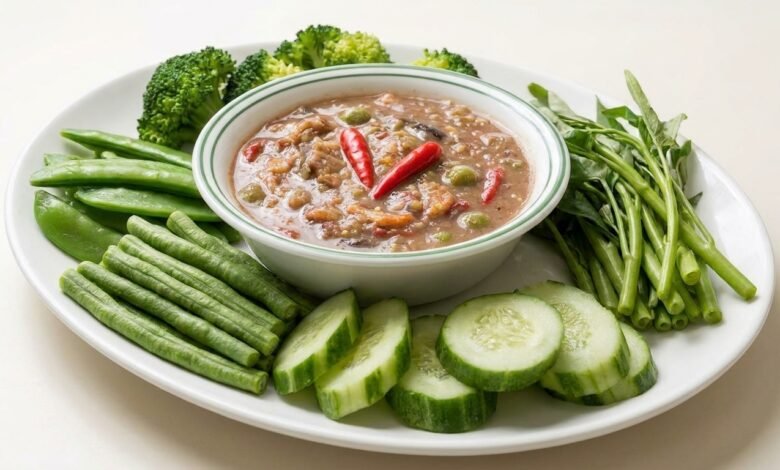
Cambodian meals often include a small bowl of sauce that does a lot of work. Tuk Kapi is one of the boldest: a savoury, tangy, and lightly sweet dip built around fermented shrimp paste. The shrimp paste gives it a deep savoury base, while lime juice and palm sugar keep it bright and balanced.
This version adds roasted small eggplants and dried fish, which bring a smoky depth and a little texture. You pound the aromatics in a mortar, then loosen everything with lime juice, fish sauce, and water. The result is a dip that wakes up fresh vegetables, grilled meat, or plain rice.
What You Need
Shrimp paste is the main savoury note here. Good-quality dried fish or dried shrimp adds a deeper fermented flavour, so use the best you can find. Small eggplants are roasted first until soft and smoky, then pounded into the mix. Lime juice, fish sauce, and palm sugar let you adjust the dip to your taste.
If you are new to Cambodian fermented pastes, our guide to what prahok is explains the family of ingredients that includes shrimp paste. It helps you understand the strong aroma before you start pounding.
Equipment
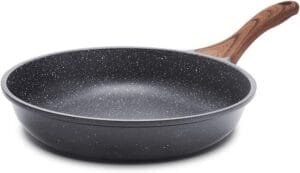
- Skillet: To roast the small eggplants until the skins are lightly browned and the flesh softens.
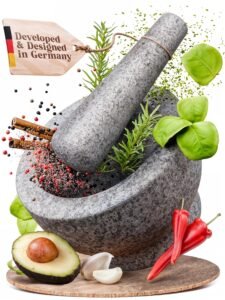
- Mortar and pestle: To pound the garlic, dried fish, chilies, shrimp paste, and roasted eggplants into a coarse paste.
- Chef’s knife: To roughly chop the chilies and garlic before pounding.
- Cutting board: To prepare the chilies and eggplants safely.
- Measuring spoons: To measure the shrimp paste, lime juice, fish sauce, and palm sugar.
- Small bowl: To hold the pounded paste and mix in the liquids.
- Spoon: To stir the dip and adjust the seasoning.
How to Make Cambodian Tuk Kapi
Step 1: Roast the Small Eggplants
Heat a skillet over medium heat. Add the small eggplants and roast them, turning occasionally, until the skins are lightly browned and the eggplants have softened. This should take about 8 to 10 minutes, depending on their size.
Remove the eggplants from the skillet and let them cool slightly. Set a few pieces aside to garnish the finished dip. Tiny green eggplants are one of Cambodia’s quiet kitchen treasures; they turn soft and smoky when roasted, which makes them perfect for soaking up savoury flavours.
Step 2: Pound the Aromatics and Eggplants
Place the garlic, dried fish or dried shrimp, and Thai chilies in a mortar. Pound with the pestle until they break down into a rough paste. Add the shrimp paste and the roasted eggplants, then continue pounding until everything comes together into a coarse, chunky mixture. You do not need a smooth puree — some texture is good.
Step 3: Mix and Adjust the Flavour
Transfer the pounded paste to a small bowl. Add the lime juice, fish sauce, and palm sugar. Stir well, then add a little water to loosen the dip to your preferred consistency. Taste and adjust: add more lime for sourness, more fish sauce for saltiness, more palm sugar for sweetness, or more chili for heat. Crushed peanuts can be stirred in at this stage if you like a little crunch.
Step 4: Garnish and Serve
Spoon the dip into a serving bowl. Top with the reserved roasted eggplants. Serve it at room temperature or chilled, alongside fresh vegetables, grilled meat, or rice.
Cooking Tips
- Taste as you go. The balance of salty, sour, sweet, and hot is personal. Start with the lower end of the lime juice and fish sauce, then add more until it tastes right to you.
- Roast the eggplants properly. They should be soft all the way through and lightly charred on the skin. This gives the dip its smoky background.
- Use fresh lime juice. Bottled juice can taste flat. Squeeze the lime just before mixing for the brightest flavour.
How to Serve
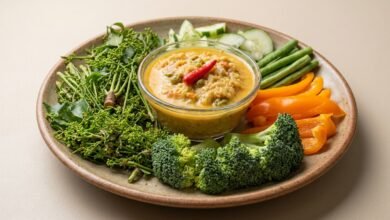
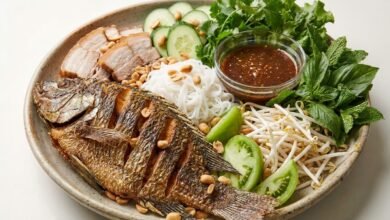
Tuk Kapi is a table dip. Spoon it into a small bowl and place it in the centre of the meal. It works well with fresh cucumber, long beans, Thai eggplant, cabbage, and green mango. It also pairs with grilled fish, grilled chicken, or fried fish. For another style of Cambodian dip, try our bok Kapi picnic food, which is built around a similar fermented base.
Recipe Notes
Shrimp paste is a fermented product, and quality varies. When buying, check the label and choose a reputable brand. Food safety authorities have issued recalls for some shrimp paste products due to potential lead contamination. It is always wise to buy from a trusted supplier and follow any official food safety guidance for seafood products.
Frequently Asked Questions
Can I make Tuk Kapi ahead of time?
Yes. You can pound the paste and mix the dip a few hours before serving. Keep it covered in the refrigerator and stir well before serving. The flavours will deepen as it sits.
How should I store leftovers?
Store any leftover dip in a covered container in the refrigerator. Because it contains fermented seafood, treat it like other perishable seafood products and follow safe refrigeration practices. It is best eaten within a few days.
Is this dip gluten-free?
The core ingredients — shrimp paste, fish sauce, lime juice, palm sugar, garlic, chilies, and eggplants — are typically gluten-free. However, some fish sauces or shrimp pastes may contain additives. Check the labels of your specific products if you need a confirmed gluten-free result.
Final Thoughts
Tuk Kapi is the kind of dip that makes a simple plate of vegetables or grilled fish feel complete. The roasted eggplants give it a soft, smoky body, while the lime and palm sugar keep it lively. Once you have the balance you like, it is a quick bowl to put together whenever you want a taste of Cambodia on the table. For a faster version without eggplants, you can also try our shrimp paste dipping sauce.
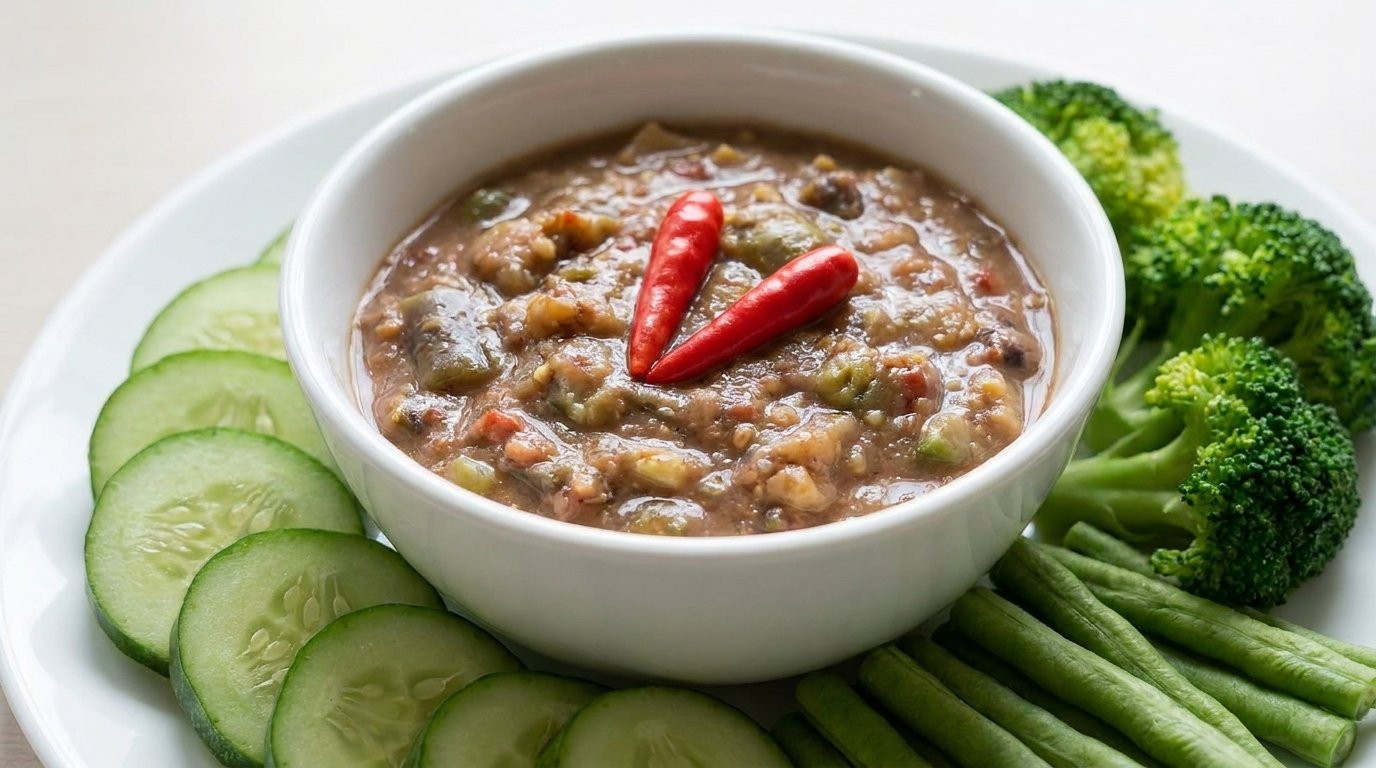
Thai Nam Prik or Cambodian Tuk Kapi
4
servings15
minutes10
minutes110
kcal25
minutesTuk Kapi is a savoury, tangy, and lightly sweet Cambodian dipping sauce. Roasted small eggplants add a smoky depth to the fermented shrimp paste base. Adjust the lime, fish sauce, and palm sugar to your taste.
Ingredients
2 tablespoons shrimp paste
4 cloves garlic
2 to 3 Thai chilies
2 to 3 tablespoons lime juice
2 to 3 tablespoons fish sauce
1/4 cup dried fish or dried shrimp
Small eggplants (add as you like)
2 tablespoons palm sugar (more or less to taste)
Crushed peanuts (optional)
Water
Directions
- Roast the small eggplants in a skillet over medium heat until softened and lightly browned, about 8 to 10 minutes. Set a few pieces aside for garnish.
- In a mortar and pestle, pound the garlic, dried fish, chilies, shrimp paste, and roasted eggplants into a coarse paste.
- Transfer the paste to a bowl. Add lime juice, fish sauce, palm sugar, and water. Stir and adjust the flavour to your taste — hot, sour, salty, or sweet.
- Stir in crushed peanuts if using. Garnish with the reserved roasted eggplants and serve.
Equipment
 Cutting boardCheck product details

 Measuring Spoons & CupsCheck product details
 Mortar and Pestle SetCheck product details
 SkilletCheck product details
 Small bowlCheck product details
 Spoon and Folk SetCheck product details



Recipe Video
Recipe Notes
- Use good-quality dried fish and shrimp paste for the best flavour. Adjust the lime juice and fish sauce gradually.
Nutrition Facts
- Serving Size: 1 g
- Total number of serves: 4
- Calories: 110kcal
- Fat: 1g
- Cholesterol: 254mg
- Sodium: 1518mg
- Potassium: 121mg
- Carbohydrates: 9.4g
- Net Carbs: 8.9g
- Fiber: 0.5g
- Sugar: 5.8g
- Protein: 18.1g
- Vitamin A: 11mcg
- Vitamin C: 35.6mg
- Calcium: 110mg
- Iron: 2mg
- Vitamin E: 0.2mg
- Vitamin K: 3.3mcg
- Niacin: 0.5mg
- Vitamin B6: 0.2mg
- Folate: 10.8mcg
- Phosphorus: 16mg
- Magnesium: 25mg
- Selenium: 1.4mcg
- Copper: 0.1mg
- Manganese: 0.1mg
Did you make this recipe?
Tag @cambodiarecipe on Instagram and hashtag it
Like this recipe?
Follow us @cambodiarecipe on Pinterest
Did you make this recipe?
Follow us on Facebook