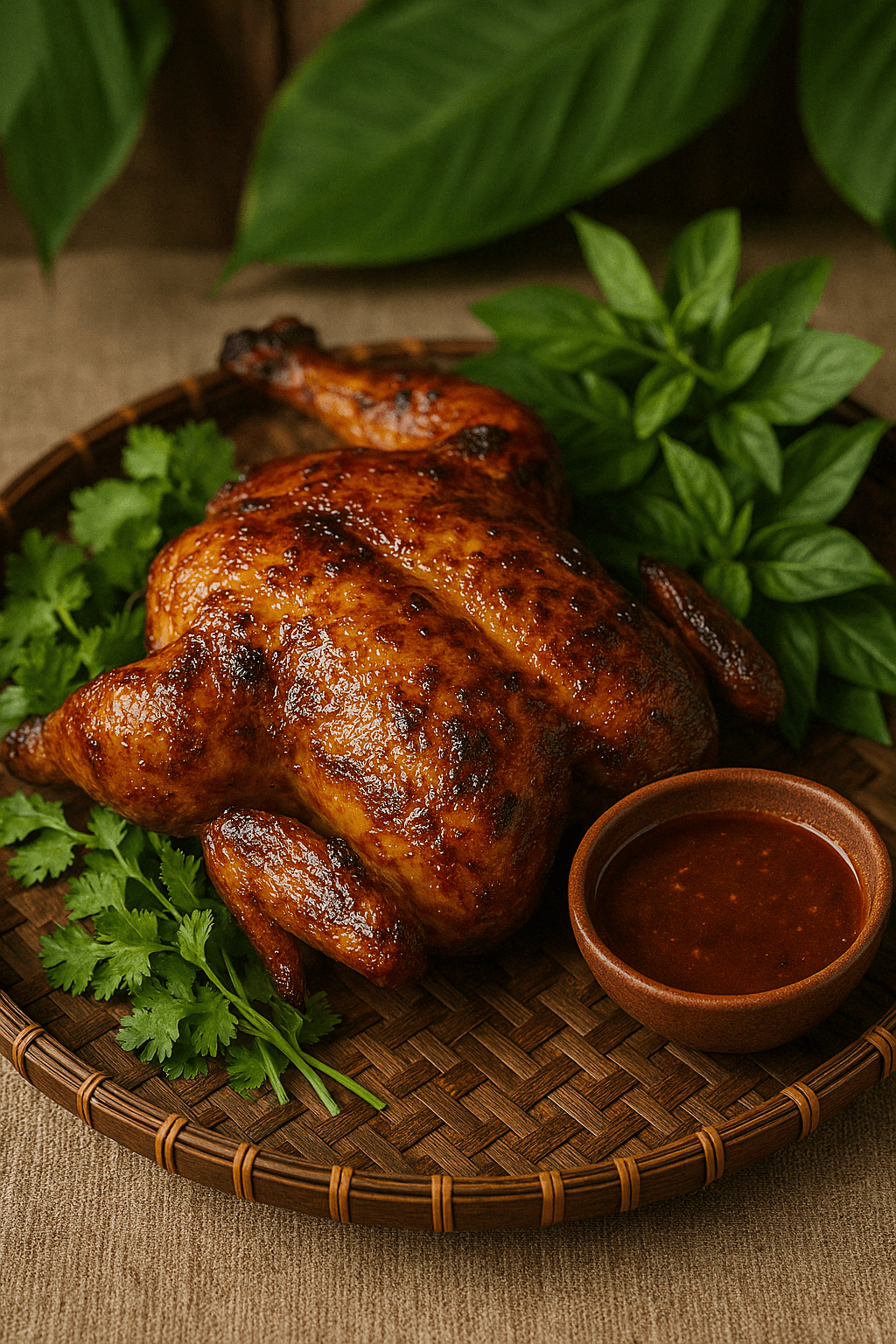
Homemade Italian Sausage recipe

Making Italian sausage at home gives you control over the seasoning, the fat level, and the freshness of every link. This version uses ground pork, toasted fennel, smoked paprika, and a little apple juice to build a savory sausage that browns well in a pan.
The process is hands-on, but the steps are simple. Once you mix the spices and stuff the casings, you have a batch ready for breakfast, pasta night, or the grill.
What You Need
The main ingredient is ground pork with about 25% fat. That fat keeps the sausage juicy and helps the links hold together.
Toasted fennel seeds give the sausage its classic Italian aroma. Paprika adds color and warmth, while cayenne and crushed chilies bring optional heat.
Fresh garlic and chopped Italian parsley add a bright, savory note. Apple juice adds gentle sweetness and moisture to the meat mixture.
You can also add sautéed green bell pepper and onion for a softer, slightly sweeter sausage. That step is optional and easy to skip.
Equipment
- KitchenAid stand mixer with food grinder and sausage stuffer attachment: To grind the pork if needed and stuff the seasoned meat into casings.
- Large mixing bowl: To hold the ground pork while you mix in the spices and apple juice.
- Measuring spoons: To measure the spices, apple juice, and other seasonings accurately.
- Chef’s knife: To chop the Italian parsley and, if using, the bell pepper and onion.
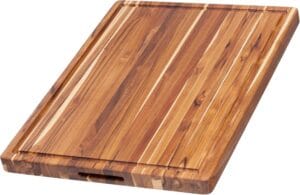
- Cutting board: To safely chop the parsley, pepper, and onion.
- Mortar and pestle: To crush the toasted fennel seeds so their flavor spreads evenly through the meat.
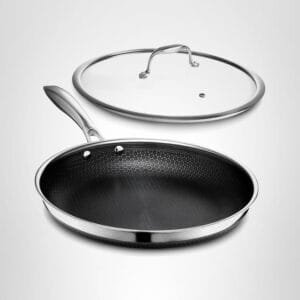
- Frying pan: To sauté the optional bell pepper and onion before adding them to the pork.
- Spatula: To stir the pepper and onion while they cook.
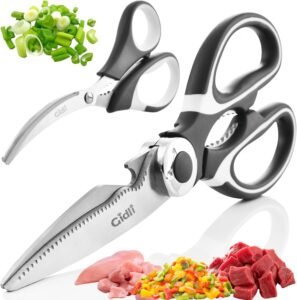
- Kitchen scissors: To cut the soaked casings into usable lengths.
- Bowl for soaking casings: To hold the casings in warm water before stuffing.
- Instant-read meat thermometer: To check that the cooked sausage reaches a safe internal temperature.
How to Make Homemade Italian Sausage
Step 1: Toast and Crush the Fennel Seeds
Place the fennel seeds in a dry pan over medium heat. Toast them for a minute or two, until they smell warm and aromatic. Move them to a mortar and pestle and crush them coarsely.
Toasted fennel is one of the defining flavors of Italian sausage. In the U.S., Italian sausage products are required to contain either fennel or anise, so this step is worth doing carefully.
Step 2: Measure the Spices
Measure the spaghetti seasoning, Italian seasoning, paprika, salt, optional sweetener, cayenne, ground anise, black pepper, and crushed chilies into a small bowl. Add the minced garlic and chopped parsley.
Keep the spices close to the pork so you can sprinkle them evenly in the next step.
Step 3: Mix the Seasonings into the Pork
Put the ground pork in a large mixing bowl. Sprinkle the spice mixture evenly over the surface.
Pour in the dry red wine or red wine vinegar and the apple juice. Mix with your hands until the spices, liquid, and pork are fully combined. Stop mixing once everything looks even; overmixing can make the sausage dense.
Step 4: Add the Optional Pepper and Onion
If you want a softer, slightly sweeter sausage, chop one green bell pepper and one onion. Heat 3 tablespoons of olive oil in a frying pan over medium heat. Sauté the pepper and onion until they are soft, then let them cool for a few minutes.
Add the cooled vegetables to the pork mixture and mix them in by hand until evenly distributed.
Step 5: Prepare the Casings
Rinse the casings thoroughly under cold running water. Soak them in a bowl of warm water while you finish preparing the meat.
Follow safe home sausage-making practices for handling raw meat and cleaning utensils. The Mississippi State University Extension guide to making sausage at home covers casing preparation and basic hygiene in more detail.
Step 6: Stuff the Sausages
Set up your KitchenAid stand mixer with the food grinder and sausage stuffer attachment. Slide a soaked casing onto the stuffer tube and tie the end closed.
Fill the casing with the pork mixture, guiding it gently as it comes off the tube. Do not pack it too tightly, or the casing may split. Twist the sausage into links at the length you prefer, and prick any large air pockets with a pin.
Step 7: Cook and Check Doneness
Cook the sausages in a frying pan over medium heat until browned on the outside and cooked through. Use an instant-read thermometer to confirm the center reaches 160°F (71°C).
The USDA Food Safety and Inspection Service advises that uncooked sausages containing ground pork should be cooked to 160°F to prevent foodborne illness.
Cooking Tips
Keep the pork cold while you work. Chilled meat holds its texture better and stuffs more cleanly.
Toast the fennel seeds just before crushing them. The flavor fades quickly once they are ground.
Prick large air pockets in the casing before cooking. This helps the sausage cook evenly and reduces the chance of splitting.
If you are not cooking the sausages right away, refrigerate them and cook them within one to two days. You can also freeze the links for longer storage.
How to Serve
Serve the sausages with eggs and toast for breakfast. They also work well sliced into pasta sauce, served with roasted vegetables, or grilled alongside peppers and onions.
For a Cambodian pork sausage with a very different flavor profile, try Twa Ko, a Cambodian pork sausage made with galangal, garlic, and peanuts. If you prefer beef, this Cambodian beef sausage uses a similar stuffing approach.
You can find more ideas for links, skewers, and grilled meats in the Cambodian grilled and BBQ recipe collection.
Recipe Notes
The optional sweetener in the ingredient list was supplied without a specific ingredient name. Use sugar if you want a slightly sweet sausage, or leave it out for a savory batch.
The optional bell pepper and onion change the texture and flavor of the sausage. Add them only if you want a softer, more vegetal link.
Frequently Asked Questions
Can I make this sausage without a stand mixer?
Yes. You can mix the seasonings into the pork by hand and use a manual sausage stuffer. A stand mixer makes stuffing faster, but it is not required for the recipe to work.
How should I store leftover sausages?
Keep fresh sausages in the refrigerator and cook them within one to two days. For longer storage, freeze the links and thaw them in the refrigerator before cooking.
Final Thoughts
Homemade Italian sausage is a practical recipe to keep in your rotation because the flavor is easy to adjust. The toasted fennel and paprika come through clearly, and the apple juice keeps the pork from tasting flat. Stuff a batch on a quiet afternoon, then cook a few links for breakfast and freeze the rest for busier days.

Homemade Italian Sausage recipe
10
servings30
minutes15
minutes421
kcal45
minutesMake homemade Italian sausage from scratch with ground pork, warm spices, and a KitchenAid stuffer. The links are juicy, savory, and ready for breakfast or pasta night.
Ingredients
3 lbs ground pork with 25% fat
1 tsp spaghetti seasoning
1 tsp Italian seasoning
2 tsp fresh chopped Italian parsley
3 tsp dry red wine or red wine vinegar
1 tsp salt
1 tsp optional sweetener (use sugar if you like sweet sausages)
1 tsp + 1½ tsp paprika (2½ tsp total)
1½ tsp toasted fennel seeds, crushed
1 tsp cayenne
1 tsp ground anise
3 tsp minced garlic
1 tsp fresh ground black pepper
1 tsp crushed chilies (optional, for spicy sausages)
1 cup apple juice
1 green bell pepper, chopped (optional)
1 onion, chopped (optional)
3 tbsp olive oil (optional, for sautéing)
Directions
- Toast the fennel seeds in a dry pan over medium heat until aromatic. Crush them coarsely with a mortar and pestle.
- Measure all the spices, garlic, and parsley into a small bowl.
- Put the ground pork in a large bowl. Sprinkle the spice mixture over the pork. Add the red wine or vinegar and apple juice. Mix by hand until fully combined.
- For the optional vegetables, sauté the chopped bell pepper and onion in olive oil over medium heat until soft. Cool slightly, then mix into the pork.
- Rinse and soak the casings in warm water.
- Set up the KitchenAid with the sausage stuffer attachment. Slide a casing onto the tube and fill it with the pork mixture. Twist into links and prick air pockets.
- Cook the sausages in a pan over medium heat until browned and the internal temperature reaches 160°F (71°C).
Equipment
 Cutting boardCheck product details
 Deep Frying PanCheck product details
 Kitchen scissorsCheck product details

 Large bowlCheck product details
 Measuring Spoons & CupsCheck product details
 Mixing BowlsCheck product details
 Mortar and Pestle SetCheck product details
- Soup ThermometerCheck product details
 SpatulaCheck product details
 Stand Mixer MachineCheck product details








Recipe Notes
- The optional sweetener was supplied without a specific ingredient name. Use sugar if desired. The bell pepper and onion are optional and change the texture of the sausage.
Nutrition Facts
- Serving Size: 3 g
- Total number of serves: 10
- Calories: 421kcal
- Fat: 33.4g
- Saturated Fat: 11.4g
- Cholesterol: 98mg
- Sodium: 315mg
- Potassium: 476mg
- Carbohydrates: 6.1g
- Net Carbs: 5.3g
- Fiber: 0.8g
- Sugar: 3.3g
- Protein: 23.6g
- Vitamin A: 6.8mcg
- Vitamin C: 12.1mg
- Calcium: 36mg
- Iron: 2mg
- Vitamin E: 0.7mg
- Vitamin K: 5.4mcg
- Thiamin: 1mg
- Riboflavin: 0.3mg
- Niacin: 6.1mg
- Vitamin B6: 0.6mg
- Vitamin B12: 1mcg
- Folate: 10.9mcg
- Pantothenic Acid: 1mg
- Phosphorus: 252mg
- Magnesium: 33mg
- Zinc: 3mg
- Selenium: 34mcg
- Copper: 0.1mg
- Manganese: 0.1mg
Did you make this recipe?
Tag @cambodiarecipe on Instagram and hashtag it
Like this recipe?
Follow us @cambodiarecipe on Pinterest
Did you make this recipe?
Follow us on Facebook