Koh Tonsay (Rabbit Island) Guide: Beaches, Bungalows & How to Get There
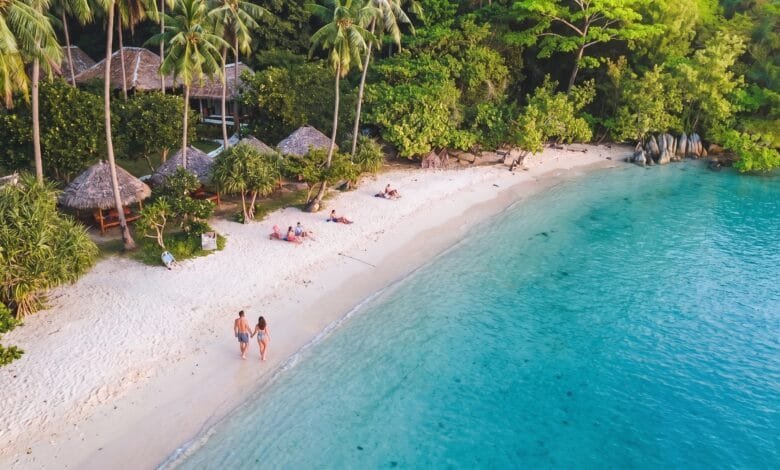
If you are planning a trip to Cambodia and looking for a beach experience that feels genuinely removed from the modern world, Koh Tonsay might be exactly what you are looking for. This small island sits just off the coast of Kep, a quiet coastal town in southern Cambodia, and it has become a favorite day trip and overnight escape for travelers who want calm water, fresh seafood, and a pace of life that slows down the moment you step off the boat.
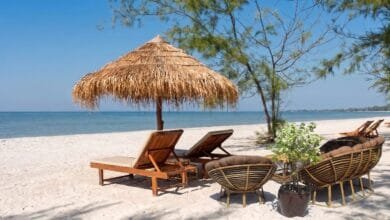
Koh Tonsay is not a resort island. There are no large hotels, no nightclubs, and no shopping districts. What you will find instead is a single main beach lined with coconut palms, simple wooden bungalows, beachside restaurants run by local families, and hammocks strung between trees. For some travelers, that is precisely the appeal. For others, it may be too simple. This guide will help you understand what to expect, how to get there, and whether Koh Tonsay fits your Cambodia itinerary.
QUICK TRAVEL INFORMATION
Location: Approximately 4–4.5 km south of Kep town, in the Gulf of Thailand
Province: Kep Province
Type: Small island (approximately 2 km²)
Main Access Point: Kep Boat Pier, near the Crab Market in Kep town
How to Get There: Local boats depart from Kep pier. The journey takes approximately 20–40 minutes depending on boat type and weather conditions. Tickets can be purchased at the pier or arranged through guesthouses in Kep.
Best Time to Visit: The dry season (November–April) generally offers sunny skies, calm seas, and good conditions for swimming. The rainy season (May–October) brings fewer visitors but also occasional heavy rains and rougher seas.
Recommended Stay: 1–2 nights is a practical starting point for travelers who want to experience the island after day-trippers leave and enjoy sunset and stargazing.
Main Activities: Swimming, relaxing in hammocks, seafood dining, walking the beach, snorkeling near rocky areas, short hikes through the island interior
Accommodation: Basic wooden bungalows and tents on the main beach, run by local families
Useful to Know: There are no ATMs on the island. Bring enough cash for boat fares, food, and accommodation. Electricity is limited and internet is patchy to non-existent.
Where Is Koh Tonsay?
Koh Tonsay is a small island located in the Gulf of Thailand, just off the southern coast of Cambodia. It sits approximately 4 to 4.5 kilometers from Kep town, which is the smallest province in Cambodia and is known for its crab market and relaxed seaside atmosphere.
The island covers an area of about 2 square kilometers and is administered by Kep Province. It is close to the border with Vietnam and is part of Cambodia’s southern coastal region. For travelers exploring Cambodia beyond Siem Reap and Phnom Penh, Kep and Koh Tonsay offer a different side of the country—one defined by coastline, fishing communities, and a slower pace of life.
Why Visit Koh Tonsay?
Koh Tonsay stands out among Cambodia’s islands for its simplicity. While some Cambodian islands have seen significant development in recent years, Koh Tonsay has retained a rustic character that appeals to travelers seeking a low-key beach experience.
The island is small enough to walk around in a few hours, and there are no cars or motorbikes. The main beach is lined with coconut palms and simple beach shacks serving freshly caught seafood. Local families live on the island year-round, and the businesses there are family-run.
If you are looking for a digital detox, Koh Tonsay is well suited to that. Electricity typically runs for only a few hours in the evening, and Wi-Fi is limited or unavailable. The atmosphere is quiet, especially on weekdays, and the shallow, warm water makes it easy to swim or simply float.
What Is Koh Tonsay Like?
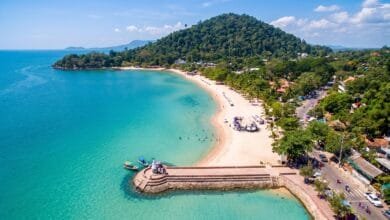
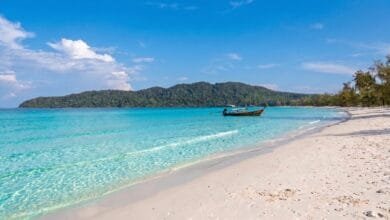
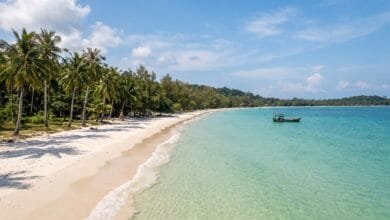
The island has one main beach on its western side, where most of the accommodation and restaurants are located. The sand is white, the water is shallow and calm, and the sea floor slopes gently, making it suitable for children and less confident swimmers.
Inland, the island is covered with dense tropical vegetation and coconut palms. There are sand paths that allow you to walk from the main beach to quieter areas on other sides of the island. The walk around the island takes roughly two to three hours at a relaxed pace.
The island is not heavily developed. You will find basic bungalows, a handful of beachside restaurants, and local families going about their daily routines. There are no large resorts, no spas, and no organized nightlife. The vibe is quiet and unhurried.
Best Things to Do on Koh Tonsay
Swimming and Floating
The calm, shallow water on the main beach is ideal for swimming. The gentle slope means you can wade far out without the water getting too deep, which makes it comfortable for families and casual swimmers.
Relaxing in a Hammock
Hammocks are everywhere on Koh Tonsay, strung between palm trees and under beach huts. Reading a book, watching the water, or simply doing nothing are all legitimate activities here.
Eating Fresh Seafood
The beachside restaurants serve freshly caught crab, prawns, squid, and fish. The seafood is often grilled over charcoal right on the beach. Kampot pepper crab is a regional specialty worth trying.
Walking the Island
There are sand paths that lead around the island. A full circuit takes about two to three hours and passes through jungle and quieter beaches. You may encounter the remains of a Khmer Rouge-era bunker along the way.
Snorkeling
Coral around Koh Tonsay is limited compared to some other Southeast Asian destinations, but snorkeling near the rocky outcrops at either end of the main beach can reveal colorful fish and other marine life. Equipment may be available from your accommodation, or you can bring your own.
Watching Sunset and Stargazing
If you stay overnight, the sunsets over the water are a highlight. At night, light pollution is minimal, making it a good place for stargazing.
How to Get to Koh Tonsay
Getting to Koh Tonsay involves reaching Kep town first, then taking a short boat ride to the island.
Getting to Kep
Kep is accessible from Phnom Penh by bus, minivan, or private taxi. The journey typically takes several hours by road. Kep is also commonly visited as part of a route that includes Kampot, which is a short drive away.
The Boat to Koh Tonsay
Boats to Koh Tonsay depart from Kep Boat Pier, which is located near the Crab Market. The journey takes approximately 20 to 40 minutes, depending on the boat and weather conditions. Tickets can be purchased directly at the pier, arranged through guesthouses in Kep, or booked via local tour operators.
Boat services operate during daylight hours. Return trips are generally flexible, but it is wise to confirm the schedule with the boat operator in advance, especially if you plan to stay overnight or if weather conditions are uncertain.
Important Note: Boat schedules and prices can change. Check with your guesthouse or the boat operator on the day of travel for current information.
When Is the Best Time to Visit Koh Tonsay?
The dry season, from November to April, is generally considered the best time to visit Koh Tonsay. During these months, you can expect sunny skies, calm seas, and comfortable temperatures. This is also the peak season for tourism in Cambodia, so weekends and holidays may be busier with domestic visitors.
The rainy season runs from May to October. This period brings fewer visitors and greener landscapes, but also occasional heavy rains and rougher seas. Boat services may be affected by weather conditions during this time.
The island’s climate is tropical, with average temperatures ranging between roughly 30°C and 32°C throughout the year. Rainfall varies significantly by month, with the wettest months typically falling between July and October.
How Long Should You Stay?
A day trip to Koh Tonsay is feasible and popular. Many travelers take a morning boat from Kep, spend the day swimming and eating seafood, and return in the afternoon.
However, staying overnight allows you to experience the island after the day-trippers leave. The evenings are quiet, the sunsets are beautiful, and the pace slows down even further. One or two nights is a practical starting point for most travelers.
If you are looking for a longer digital detox or a very relaxed beach stay, you could comfortably spend two to three nights. The island is small, so most activities can be done in a day, but the appeal is in slowing down rather than checking off things to do.
Where to Stay on Koh Tonsay
Accommodation on Koh Tonsay is basic and rustic. There are no luxury resorts or hotels. Instead, you will find simple wooden bungalows on the main beach, run by local families. Bungalows typically include a bed with a mosquito net and a fan, and shared bathroom facilities.
Some places also offer tents for camping on the beach. Hammocks can be rented for the day or overnight.
Advance booking is generally not necessary outside of busy holiday weekends. Most travelers arrive and find a bungalow on the spot. However, if you are visiting during a peak period, it may be worth asking your guesthouse in Kep to help arrange accommodation.
Electricity on the island is typically generated and runs only in the evening. Hot water is not usually available. These limitations are part of the island’s simple character, but travelers should be prepared for them.
Food and Local Dining
Food on Koh Tonsay centers on seafood. The beachside restaurants serve crab, prawns, squid, and fish, often caught by local fishermen and grilled fresh. The meals are simple but flavorful, and the setting—eating with your feet in the sand—is part of the experience.
Kampot pepper crab is a regional dish worth trying while you are in Kep or on the island. The crab is typically stir-fried with fresh green peppercorns from nearby Kampot province.
Prices for meals are generally affordable, but it is a good idea to bring cash, as there are no ATMs on the island. Most restaurants accept Cambodian riel and US dollars.
What Should Travelers Pack?
For a trip to Koh Tonsay, pack light and practical. Essentials include:
- Sunscreen and a hat
- Insect repellent
- A flashlight or headlamp (electricity is limited)
- Cash in small bills (no ATMs)
- A power bank for charging devices
- Comfortable flip-flops or sandals
- A swimsuit and quick-dry towel
- Any medications you may need
If you plan to snorkel, you may want to bring your own mask and snorkel, as rental equipment availability can vary.
Travel Tips for First-Time Visitors
Bring cash. There are no ATMs on Koh Tonsay. Bring enough cash for boat fares, meals, accommodation, and any extras. US dollars and Cambodian riel are both accepted.
Expect limited electricity and internet. Power typically runs only in the evening, and Wi-Fi is unreliable or unavailable. This is part of the island’s charm for many travelers, but it is worth knowing in advance.
Confirm boat times. Boat schedules can change based on weather and demand. Confirm your return time with the boat operator when you arrive.
Respect the local community. Koh Tonsay is home to fishing families who live on the island year-round. Be mindful of your impact and dispose of trash properly.
Watch for boats when swimming. The main beach is also where boats arrive and depart. Be aware of boat traffic when you are in the water.
Responsible Beach and Island Travel
Koh Tonsay remains relatively undeveloped, but it faces the same environmental pressures as other coastal destinations in Southeast Asia. Travelers can help by minimizing plastic waste, avoiding single-use plastics, and supporting local family-run businesses.
There are no specific environmental regulations mentioned in the sources reviewed for this guide, but general responsible travel practices apply: do not remove coral or marine life, dispose of waste properly, and respect the local community’s privacy and way of life.
Is Koh Tonsay Right for You?
Koh Tonsay may be a good fit if you:
- Want a quiet, rustic beach experience with minimal development
- Are comfortable with basic accommodation and limited amenities
- Enjoy seafood and simple local dining
- Are looking for a digital detox
- Are traveling as a couple, solo, or with friends and want a low-key island escape
Koh Tonsay may not be right for you if you:
- Want luxury resorts, air conditioning, and hot showers
- Need reliable Wi-Fi or electricity throughout the day
- Prefer lively nightlife or organized entertainment
- Are looking for extensive snorkeling or diving opportunities
- Have mobility limitations that make basic beach bungalows difficult
Families with young children may enjoy the calm, shallow water, but should be prepared for basic facilities. Solo travelers and couples often appreciate the peaceful atmosphere. Backpackers and budget travelers will find the island affordable.
Frequently Asked Questions
How do I get to Koh Tonsay from Kep?
Boats depart from Kep Boat Pier, near the Crab Market. The journey takes approximately 20 to 40 minutes. Tickets can be purchased at the pier or arranged through guesthouses in Kep. Confirm the schedule with the operator on the day of travel.
Is there electricity on Koh Tonsay?
Electricity is limited and typically runs only in the evening. Many guesthouses use generators or solar power. Bring a flashlight and a power bank.
Can I use a credit card on Koh Tonsay?
Most places on the island operate on a cash basis. There are no ATMs, so bring enough cash in US dollars or Cambodian riel for your entire stay.
Is Koh Tonsay good for snorkeling?
Snorkeling is possible, particularly near the rocky outcrops at the ends of the main beach. Coral is limited compared to some other destinations, but you can still see fish and marine life. Bring your own equipment if possible.
How long should I stay on Koh Tonsay?
A day trip is common, but staying one or two nights allows you to enjoy the island after day-trippers leave. Two or three nights would suit travelers seeking a very relaxed pace.
What is the best time of year to visit Koh Tonsay?
The dry season from November to April generally offers the best conditions, with calm seas and sunny weather. The rainy season brings fewer visitors but also occasional rough seas.
Is Koh Tonsay suitable for families?
The calm, shallow water on the main beach is suitable for children. However, accommodation is basic and amenities are limited, so families should be prepared for a rustic experience.
Conclusion
Koh Tonsay offers something increasingly rare in Southeast Asia: a beach destination that has not been overtaken by large-scale development. Its appeal is not in luxury or excitement, but in simplicity—calm water, fresh seafood, hammocks under palm trees, and a pace of life that encourages you to slow down.
The island suits travelers who are comfortable with basic accommodation and limited amenities, and who value quiet over convenience. It pairs naturally with a visit to Kep, where you can explore the Crab Market and enjoy the town’s relaxed seaside atmosphere.
If your Cambodia itinerary includes time on the coast, Koh Tonsay is worth considering. It is not for everyone, but for the right traveler, that is exactly the point.