Phnom Penh Travel Guide: What First-Time Visitors Should Know
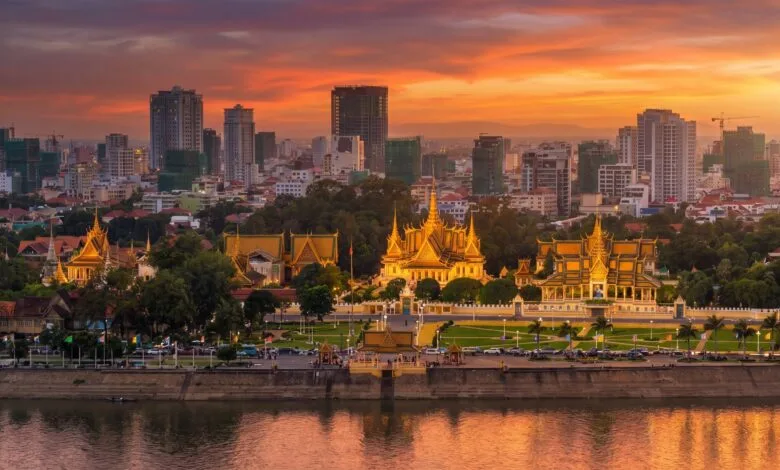
Phnom Penh is the capital of Cambodia and the country’s largest city. For many travelers, it is the first stop after landing at Techo International Airport, and it often becomes the place where Cambodia starts to make sense — the food, the history, the traffic, the river, and the warmth of daily life all come together here.
The city sits at the meeting point of three rivers: the Mekong, the Tonle Sap, and the Bassac. This location has shaped Phnom Penh for centuries. It is a city of wide boulevards, golden roofs, busy markets, and quiet temple courtyards. It is also a city with a difficult recent history, and many visitors find that understanding that history helps them understand modern Cambodia.
This guide is written for first-time visitors, especially travelers from the United States and other countries who may not know much about Cambodia. It covers what to see, what to eat, how to get around, and what to expect. It does not promise that Phnom Penh is for everyone. Instead, it tries to give you the information you need to decide whether the city belongs on your itinerary and how to make the most of your time there.
Quick Travel Information
Location: South-central Cambodia, at the confluence of the Tonle Sap, Mekong, and Bassac rivers.
Province / Region: Phnom Penh is an autonomous municipality, equivalent to a province. It is surrounded by Kandal Province.
Destination Type: Capital city, cultural and historical destination, urban center.
Known For: The Royal Palace, Tuol Sleng Genocide Museum, Choeung Ek, the Riverside promenade, and Cambodian street food.
Main Attractions: Royal Palace and Silver Pagoda, Tuol Sleng Genocide Museum, Choeung Ek Genocidal Center, Wat Phnom, National Museum of Cambodia, Central Market, Russian Market.
Main Access Point: Techo International Airport (KTI), which opened in September 2025.
How to Get There: By air (international flights), by bus from Siem Reap, Sihanoukville, and other cities, and by train on limited routes.
Recommended Stay: 2–3 days to see the main sites without rushing.
Best Time to Visit: November to February offers cooler, drier weather. March to May is hot. May to October is the wet season.
Main Activities: Visiting historical sites, exploring markets, walking the riverside, trying street food, taking a sunset cruise.
Accommodation: Options range from hostels to boutique hotels, mostly concentrated in the Riverside, Daun Penh, and BKK1 areas.
Useful to Know: Cash is widely used. US dollars are accepted alongside Cambodian riel. Modest clothing is required at temples and the Royal Palace.
Where Is Phnom Penh?
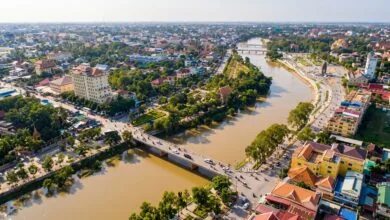
Phnom Penh is located in the south-central part of Cambodia. The city is built at the point where the Tonle Sap River meets the Mekong River. A third river, the Bassac, branches off just south of the city center. This confluence is called Chaktomuk, which means “four faces” in Khmer.
The city is fully surrounded by Kandal Province, but it is administered separately as an autonomous municipality. In practical terms, this means Phnom Penh is its own region, on the same level as Cambodia’s other provinces.
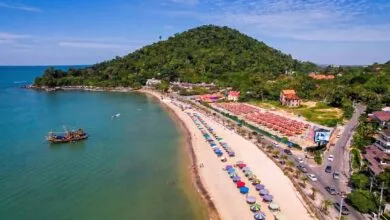
For travelers, the location matters for a few reasons. First, it is the main gateway to Cambodia for many international flights. Second, it sits roughly between Siem Reap (the gateway to Angkor Wat) and the southern coast (Kampot, Kep, and Sihanoukville). Many travelers pass through Phnom Penh on the way from one to the other. Third, the rivers give the city a different feel from other Cambodian destinations — the waterfront is a central part of daily life, and evening walks along the riverside are one of the simplest pleasures in the city.
What Is Phnom Penh Like?
Phnom Penh is a city of contrasts. In the same day, you can visit a golden palace, a sobering genocide museum, a bustling local market, and a quiet temple on a small hill. The city moves quickly — motorbikes weave through traffic, vendors call out from stalls, and construction is visible in many parts of town. But there are also calm spaces: the riverfront at sunrise, the shaded courtyards of Wat Phnom, and the quiet streets of the BKK1 neighborhood.
The city is not as polished as some Southeast Asian capitals. Sidewalks are uneven, traffic can be intense, and crossing the street requires patience. But for many travelers, this is part of what makes Phnom Penh feel real. It is a working city, not just a tourist destination.
Phnom Penh is also a young city in terms of population. After the Khmer Rouge period in the 1970s, the city was largely emptied. People returned, rebuilt, and the city has grown rapidly since the 1990s. Today it is home to more than two million people.
Why Visit Phnom Penh?
There are several specific reasons to include Phnom Penh in a Cambodia trip.
History. The city contains some of the most important historical sites in Cambodia, including Tuol Sleng Genocide Museum and Choeung Ek. These sites are difficult but important. Visiting them helps travelers understand Cambodia’s modern history in a way that books and documentaries cannot fully convey.
The Royal Palace. The Royal Palace and the Silver Pagoda are the most significant cultural landmarks in the city. The Silver Pagoda contains a floor made of thousands of silver tiles and a revered emerald Buddha statue.
Food. Phnom Penh has an excellent street food scene. A full meal at a local market often costs less than $2.50. Dishes like bai sach chrouk (grilled pork and rice), kuy teav (noodle soup), and lort cha (stir-fried short noodles) are affordable, delicious, and part of everyday life.
The riverside. The Sisowath Quay promenade along the Tonle Sap River is a good place for an evening walk. Locals gather here for exercise, snacks, and socializing, especially around sunset.
Markets. Phnom Penh has several large markets, including Central Market, Russian Market (Tuol Tom Poung), and Orussey Market. These are good places to try local food, buy souvenirs, and observe daily life.
Best Things to Do in Phnom Penh
Visit the Royal Palace and Silver Pagoda
The Royal Palace is the official residence of the King of Cambodia and one of the most recognizable landmarks in the country. It is located near the riverfront on Samdach Sothearos Boulevard. The palace grounds include the Throne Hall and the Silver Pagoda, which houses a 17th-century emerald Buddha statue and a floor covered with more than 5,000 silver tiles.
The palace is open daily, typically from 8:00 AM to 11:00 AM and 2:00 PM to 5:00 PM. It may be closed when the King is in residence. Modest clothing covering shoulders and knees is required. Entrance fee is approximately $10 per person.
Learn at Tuol Sleng Genocide Museum
Tuol Sleng was a high school that was converted into a prison and interrogation center by the Khmer Rouge regime. Today it is a museum that preserves the cells, photographs, and stories of the people held there. The museum is open daily from 8:00 AM to 5:00 PM. Entry is approximately $5 for international visitors.
The visit is emotionally heavy. Many travelers find it helpful to take breaks and to read the information panels slowly.
Reflect at Choeung Ek Genocidal Center
Choeung Ek, often called the Killing Fields, is located about 15 kilometers from the city center. It was one of the sites where prisoners from Tuol Sleng were executed. Today it is a memorial site with a stupa containing thousands of skulls. The entrance fee is approximately $6 per person.
Walk the Riverside (Sisowath Quay)
The riverside promenade is one of the most pleasant places in Phnom Penh. In the early morning, locals exercise and walk. In the evening, the area comes alive with street food vendors, families, and a cool breeze from the river. It is a good place to sit, watch the boats, and try some grilled skewers.
Explore the Markets
Central Market is housed in a distinctive yellow Art Deco building. It sells clothing, jewelry, electronics, and food. Russian Market (Tuol Tom Poung) is known for souvenirs, textiles, and street food. Orussey Market is a local market with a hidden food alley where vendors grill pork, chicken, and beef skewers over charcoal.
Take a Sunset Cruise
Several companies offer boat trips on the Tonle Sap and Mekong rivers. A sunset cruise is a relaxed way to see the city from the water and to watch the sky change over the river.
Food and Local Flavors
Phnom Penh is one of the best places in Cambodia to try local food at low prices. Street food and market stalls are the heart of the food culture.
What to Try:
- Bai sach chrouk: Grilled pork and rice, usually eaten for breakfast. Costs around $1–2 at local markets.
- Kuy teav: Rice noodle soup with pork broth. A classic Phnom Penh dish.
- Lort cha: Short, stir-fried noodles with egg, bean sprouts, and sauce. Around $1.25–2.
- Num pang sach: A Cambodian-style baguette sandwich with pork, vegetables, and sauce. Costs 75 cents to $1.50.
- Fish amok: Cambodia’s national dish, a coconut-based curry steamed in a banana leaf. Available at many restaurants and some market stalls.
- Fresh spring rolls: As little as 50 cents each.
Where to Eat:
The Phnom Penh Night Market along Sisowath Quay is a good starting point for evening food. It operates from around 5:00 PM to 11:00 PM on weekends, with stalls selling grilled meats, seafood, noodles, and snacks. Tuol Tom Poung Market, Central Market, Orussey Market, and the Old Market are all good for daytime food.
For a more comfortable setting, the Bassac Lane and BKK1 areas have restaurants and bars that serve food late into the night.
Culture and Local Life
Cambodia is a Buddhist country, and respect for monks and sacred sites is important. When visiting temples or the Royal Palace, cover your shoulders and knees. Remove your hat when passing through a temple gate, and take off your shoes before entering temple buildings.
The Cambodian greeting is a sampeah — pressing your palms together at chest level with a slight bow. Handshakes are also common in business settings, but the sampeah is always appropriate.
Khmer New Year (usually in mid-April) is the most important holiday in Cambodia. If you are in Phnom Penh during this time, expect large crowds and heavy traffic, especially around Wat Phnom and the riverside. The U.S. Embassy advises increased caution during this period due to higher rates of petty crime and traffic accidents.
Markets are an important part of daily life. When bargaining, keep it friendly and calm. A smile goes a long way.
History
Phnom Penh has been the capital of Cambodia since the 15th century, with some interruptions. The city’s name comes from Wat Phnom, a temple built on a small hill. According to tradition, a woman named Penh found four Buddha statues in a log floating on the river and built a temple on the hill to house them.
In the 20th century, Phnom Penh experienced dramatic changes. During the Khmer Rouge regime from 1975 to 1979, the city was evacuated and much of its population was forced into rural labor camps. The Tuol Sleng prison and Choeung Ek execution site are memorials to this period.
Since the 1990s, Phnom Penh has rebuilt and grown rapidly. Today it is a city of modern buildings, old temples, and a young population.
Nature and Outdoors
Phnom Penh is an urban destination, but there are green spaces and nature experiences nearby.
Wat Phnom is a small hill with a temple at the top. It is the highest point in the city and offers a quiet escape from the streets below.
Silk Island (Koh Dach) is a short ferry ride from the city. It is known for silk weaving and offers a glimpse of rural life close to the capital.
Kirirom National Park is about two hours from Phnom Penh and can be visited as a day trip. The park has pine forests, walking trails, and a lake.
Oudong Mountain is about 45 kilometers from the city and was the royal capital before Phnom Penh. It has stupas, views of the surrounding plains, and a peaceful atmosphere.
Day Trips from Phnom Penh
Several destinations can be visited as day trips from Phnom Penh.
Kampot and Kep are about three hours away by road. Kampot is known for pepper farms, and Kep is known for its crab market and seafood. Some tours combine both in one day.
Oudong Mountain is a shorter trip, about one hour from the city. It can be combined with a visit to Silk Island.
Kirirom National Park is another option for travelers who want a break from the city. The park has trails and pine forests, and some tours offer hiking and a waterfall visit.
How to Get to Phnom Penh
By Air: Techo International Airport (KTI) opened in September 2025 and handles international and domestic flights. The airport is located outside the city center. A public shuttle bus connects the airport to the city from 5:30 AM to 11:30 PM. The fare is 1,500 riel (about $0.40), and exact change is required. Taxis and ride-hailing apps are also available. A metered taxi to the city center typically costs $9–15.
By Bus: Phnom Penh has bus connections to Siem Reap (about 6–7 hours, $10–20), Sihanoukville (3–4 hours, $8–15), and other cities. Several bus companies operate these routes.
By Train: Royal Railway Cambodia operates limited train services from Phnom Penh to other destinations. Trains are slower but more scenic than buses.
How to Get Around Phnom Penh
Tuk-tuk: The most common way for visitors to get around. Tuk-tuks are available on the street and through ride-hailing apps. A typical trip within the city center costs $1–3.
Ride-hailing apps: PassApp and Grab are both widely used in Phnom Penh. PassApp is a local app and is often cheaper for daily rides. Grab is more familiar to international travelers and is reliable for airport pickups.
Walking: Walking is possible in some areas, especially along the riverside and around the Royal Palace. However, sidewalks can be uneven and traffic is heavy. Use caution when crossing streets.
Bicycle and motorbike rental: Some shops rent bicycles and motorbikes. This is an option for confident riders, but traffic conditions can be challenging.
When to Visit
Phnom Penh has a tropical climate with two main seasons.
Dry Season (November to April): This is the most popular time to visit. November and December are generally the most comfortable months, with lower humidity and cooler temperatures. March and April can be very hot, with temperatures sometimes reaching 40°C (104°F).
Wet Season (May to October): The wet season brings rain, but it usually falls in short, heavy bursts rather than all-day rain. September and October are the wettest months. Travelers who do not mind humidity and occasional rain may find fewer crowds and lower prices during this period.
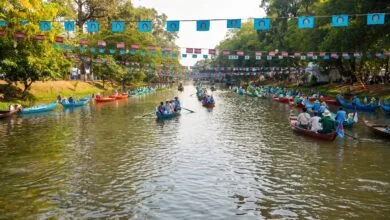
Festivals: Khmer New Year in mid-April is the biggest holiday. The Water Festival (Bon Om Touk) usually takes place in November and brings boat races and celebrations to the riverside.
How Long to Stay
Most travelers find that two to three full days in Phnom Penh is enough to see the main sites without feeling rushed. A shorter visit of one full day is possible, but it will be tight if you want to visit both the Royal Palace and the genocide sites.
If you have more time, you can add a day trip to Oudong, Silk Island, or Kirirom National Park. Slow travelers may enjoy staying longer to explore neighborhoods, try more food, and take day trips.
Where to Stay
Phnom Penh has accommodation options for all budgets.
Riverside / Daun Penh: This is the most popular area for first-time visitors. It is close to the Royal Palace, the night market, and the riverside promenade. There are hotels, guesthouses, and hostels in this area.
BKK1 (Boeung Keng Kang 1): A quieter neighborhood with boutique cafés, restaurants, and shops. It is popular with expats and travelers who prefer a more relaxed atmosphere.
Toul Tom Poung (Russian Market area): Known for the Russian Market and a growing number of guesthouses and hostels. It is a good option for budget travelers.
Toul Kork: North of the center, this area is quieter and has more local character. It is less convenient for sightseeing but can be a good choice for longer stays.
Travel Tips
Cash: US dollars are widely accepted in Phnom Penh. Cambodian riel is used for smaller transactions. ATMs are available, but fees can be high. Bring small bills.
Dress code: Cover shoulders and knees at temples and the Royal Palace. A light scarf or sarong is useful.
Safety: Exercise increased caution due to crime. Petty theft, such as phone and bag snatching, is a concern in tourist areas. Keep your belongings secure, especially in tuk-tuks. Do not physically resist a robbery attempt.
Connectivity: SIM cards are cheap and widely available. Most hotels and cafés have Wi-Fi.
Health: Drink bottled water. Use mosquito repellent, especially during the wet season.
Is Phnom Penh Right for You?
Phnom Penh is a good fit for travelers who are interested in history, culture, and food. It is also a good starting point for a Cambodia trip because it is easy to reach by air and has connections to other parts of the country.
It may be less appealing for travelers who prefer beach destinations or who are uncomfortable with busy, sometimes chaotic cities. The traffic and uneven sidewalks can be challenging for travelers with mobility issues.
Families with older children may find the historical sites meaningful, but the genocide museum and Killing Fields are not suitable for young children. Solo travelers and couples will find plenty to do, and the city has a growing café and restaurant scene.
Responsible Travel
When visiting Tuol Sleng and Choeung Ek, remember that these are memorial sites. Speak quietly, avoid smiling in photographs, and do not touch the exhibits.
At temples, dress respectfully and remove your shoes before entering buildings. Do not point your feet toward Buddha statues or monks.
Support local businesses by eating at market stalls, buying from small shops, and using local guides.
Avoid littering, especially along the riverside. Cambodia has limited waste management infrastructure, and plastic waste is a visible problem.
Do not touch or feed wildlife. If you visit a wildlife center, choose one with a genuine conservation mission.
Frequently Asked Questions
Is Phnom Penh worth visiting?
Yes, for most travelers. It offers a mix of history, culture, and food that is different from Siem Reap and the coast. The Royal Palace and the genocide memorial sites are significant. The city is also a convenient transport hub.
How do I get to Phnom Penh?
Most international travelers arrive by air at Techo International Airport. There are also bus connections from Siem Reap, Sihanoukville, and other cities.
How long should I stay?
Two to three days is enough for the main sites. Add more time if you want to take day trips.
What is Phnom Penh known for?
The Royal Palace, Tuol Sleng Genocide Museum, Choeung Ek, the riverside, and street food.
What should I eat in Phnom Penh?
Try bai sach chrouk, kuy teav, lort cha, num pang, and fish amok. Market stalls and street vendors offer the best value.
What is the best time to visit?
November to February has the most comfortable weather. March to May is very hot. May to October is the wet season.
Is Phnom Penh suitable for first-time travelers?
Yes, as long as you are prepared for a busy city and are interested in history. It is a common first stop in Cambodia.
Can I combine Phnom Penh with other destinations?
Yes. Phnom Penh is well connected to Siem Reap, Kampot, Kep, and Sihanoukville by road and air.
Conclusion
Phnom Penh is not a quiet city, and it does not try to be. It is a working capital with a complicated history, a vibrant food scene, and a riverside that comes alive every evening. For first-time visitors to Cambodia, it offers a useful introduction to the country — not just its temples and beaches, but its daily life, its resilience, and its warmth.
The city is best for travelers who are curious about history and culture, who enjoy street food, and who are comfortable in busy urban environments. It is a place where you can spend the morning at a palace and the afternoon at a market, and where a bowl of noodle soup costs less than a cup of coffee.
If you are planning a trip to Cambodia, Phnom Penh is worth considering as more than just a transit stop. Give it two or three days. Walk the riverside at sunset. Try food you have never heard of. Visit the memorial sites with respect. You will leave with a more complete understanding of Cambodia than Angkor Wat alone can provide.