Yummy Sukhothai Pad Thai
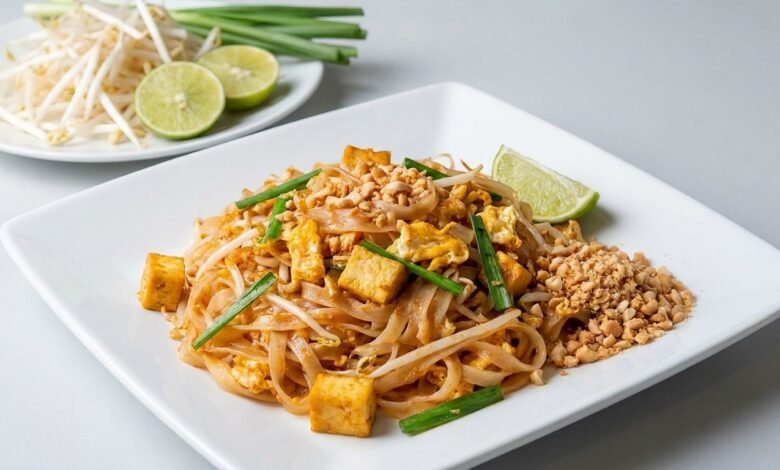
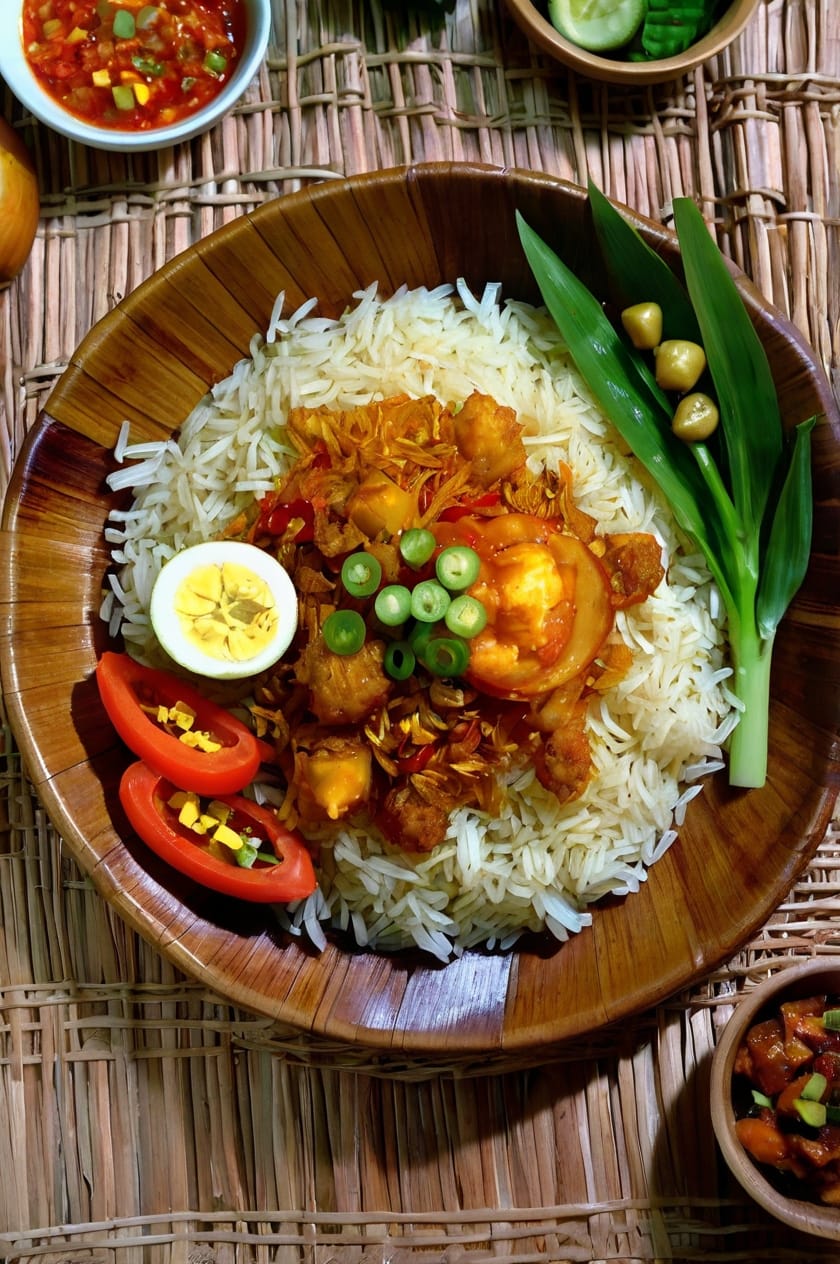
Pad Thai is one of those dishes that feels like a treat whether you order it at a restaurant or make it at home. This Sukhothai-style version brings together soft rice noodles, scrambled eggs, golden tofu, and a sweet-sour sauce made with tamarind and vinegar.
It is a forgiving recipe, too. The sauce comes together in one small saucepan, and the noodles finish cooking right in the wok. If you have been looking for a Pad Thai recipe that is easy to follow at home, this is a good place to start. You can also browse more Thai rice noodle recipes with peanut sauce if you enjoy this style of cooking.
What You Need
The ingredient list looks long, but most of these items are pantry staples or easy to find in the Asian foods section of a supermarket. The sauce is built from white sugar, distilled white vinegar, soy sauce, and tamarind pulp. For the stir-fry itself, you will need dried rice noodles, eggs, firm tofu, garlic, and vegetable oil.
Ground peanuts and chopped fresh chives add texture and a fresh finish. Bean sprouts and lime wedges are served on the side, so each person can add as much crunch and tang as they like. Ground dried oriental radish and paprika are stirred in at the end for a subtle savoury note.
Equipment
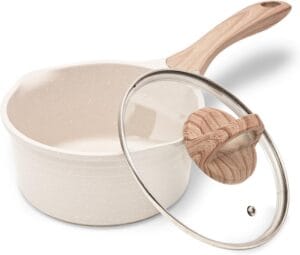
- Saucepan: To blend the sugar, vinegar, soy sauce, and tamarind pulp into a smooth Pad Thai sauce over medium heat.
- Wok or large skillet: To scramble the eggs, warm the garlic, and stir-fry the tofu and noodles.
- Chef’s knife: To mince the garlic, cut the tofu into strips, and chop the fresh chives.
- Cutting board: To prepare the garlic, tofu, and chives safely.
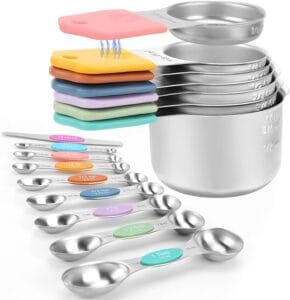
- Measuring cups and spoons: To measure the sugar, vinegar, soy sauce, oil, salt, and other ingredients accurately.
- Wooden spoon or spatula: To stir the sauce and toss the noodles without damaging them.
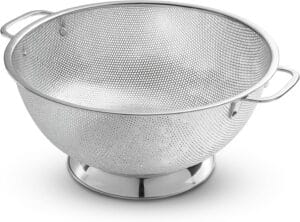
- Colander or strainer: To drain the soaked rice noodles before they go into the wok.
- Serving plate or shallow bowl: To pile the finished Pad Thai and arrange the bean sprouts and lime wedges alongside.
How to Make Yummy Sukhothai Pad Thai
Step 1: Make the Pad Thai Sauce
Place a medium saucepan over medium heat. Add ½ cup white sugar, ½ cup distilled white vinegar, ¼ cup soy sauce, and 2 tablespoons tamarind pulp. Stir gently until the sugar dissolves and the mixture is well blended. Set the sauce aside while you prepare the noodles and stir-fry. Tamarind is the ingredient that gives Pad Thai its distinctive sour depth, and it is worth seeking out for this sauce.
Step 2: Soak the Rice Noodles
Put the dried rice noodles in a bowl of cold water and let them soak until they are soft and pliable. This usually takes about 20 to 30 minutes, depending on the thickness of the noodles. Drain them well in a colander before cooking.
Step 3: Scramble the Eggs and Cook the Tofu
Warm ½ cup vegetable oil in a large wok or skillet over medium heat. Add 2 teaspoons minced garlic and 4 eggs. Scramble the eggs gently until they are just set. Add 340 g firm tofu cut into ½-inch strips and stir until the tofu is coated and warmed through.
Step 4: Add the Noodles and Sauce
Add the drained noodles to the wok and stir gently until they are heated through and coated in the oil. Pour in the prepared Pad Thai sauce, then stir in 1½ tablespoons sugar and 1½ teaspoons salt. Keep tossing until the noodles are evenly coloured and the sauce is absorbed.
Step 5: Finish with Peanuts, Radish, and Chives
Stir in 2 cups ground peanuts and 2 teaspoons ground dried oriental radish. Remove the wok from the heat. Add ½ cup chopped fresh chives and 1 tablespoon paprika, then toss once more so the chives stay bright and fresh.
Step 6: Serve with Bean Sprouts and Lime
Transfer the Pad Thai to a serving plate. Serve 2 cups fresh bean sprouts and 1 lime cut into wedges on the side, so everyone can add crunch and a squeeze of sour juice at the table. For more quick stir-fry ideas, explore the Cambodian stir-fry recipe collection.
Cooking Tips
Soak the noodles until they bend easily but still feel slightly firm. They will finish cooking in the wok, so you do not want them fully soft before they go in.
Keep the heat at medium. Garlic and eggs can scorch quickly in a hot wok, and a gentler heat gives you more control when you are adding the noodles and sauce.
Taste the sauce before you pour it over the noodles. The balance of sweet, sour, and salty can vary depending on the tamarind and soy sauce you use, so adjust with a little extra sugar or soy sauce if needed.
How to Serve
Pad Thai is a complete meal on its own, but you can serve it with extra lime wedges, a small bowl of crushed peanuts, and a few fresh chives on the side. If you want a little heat, offer sliced fresh chilli or dried chilli flakes at the table.
Recipe Notes
The supplied recipe mentions adding 1½ tablespoons sugar and 1½ teaspoons salt in the stir-fry step, in addition to the sugar already in the sauce. If you prefer a less sweet dish, start with the smaller amount and taste before adding more.
Frequently Asked Questions
Can I use a different protein instead of tofu?
Yes. The recipe notes that shrimp, chicken, or pork can be used instead of tofu. If you use raw meat or shrimp, cook it through in the wok before adding the eggs and noodles.
Is this Pad Thai gluten-free?
Not automatically. Soy sauce often contains wheat, and some brands are not gluten-free. Check the label on your soy sauce if you need a gluten-free dish.
How should I store leftovers?
Keep leftovers in a covered container in the refrigerator and eat them within 2 to 3 days. Reheat gently in a wok or microwave, and add a squeeze of lime or a splash of soy sauce to refresh the flavour.
Final Thoughts
This Sukhothai Pad Thai is a practical home version of a much-loved noodle dish. The sauce is quick to mix, the noodles soak while you prep, and the wok does the rest. Serve it with plenty of bean sprouts and lime, and let everyone at the table adjust their own bowl.
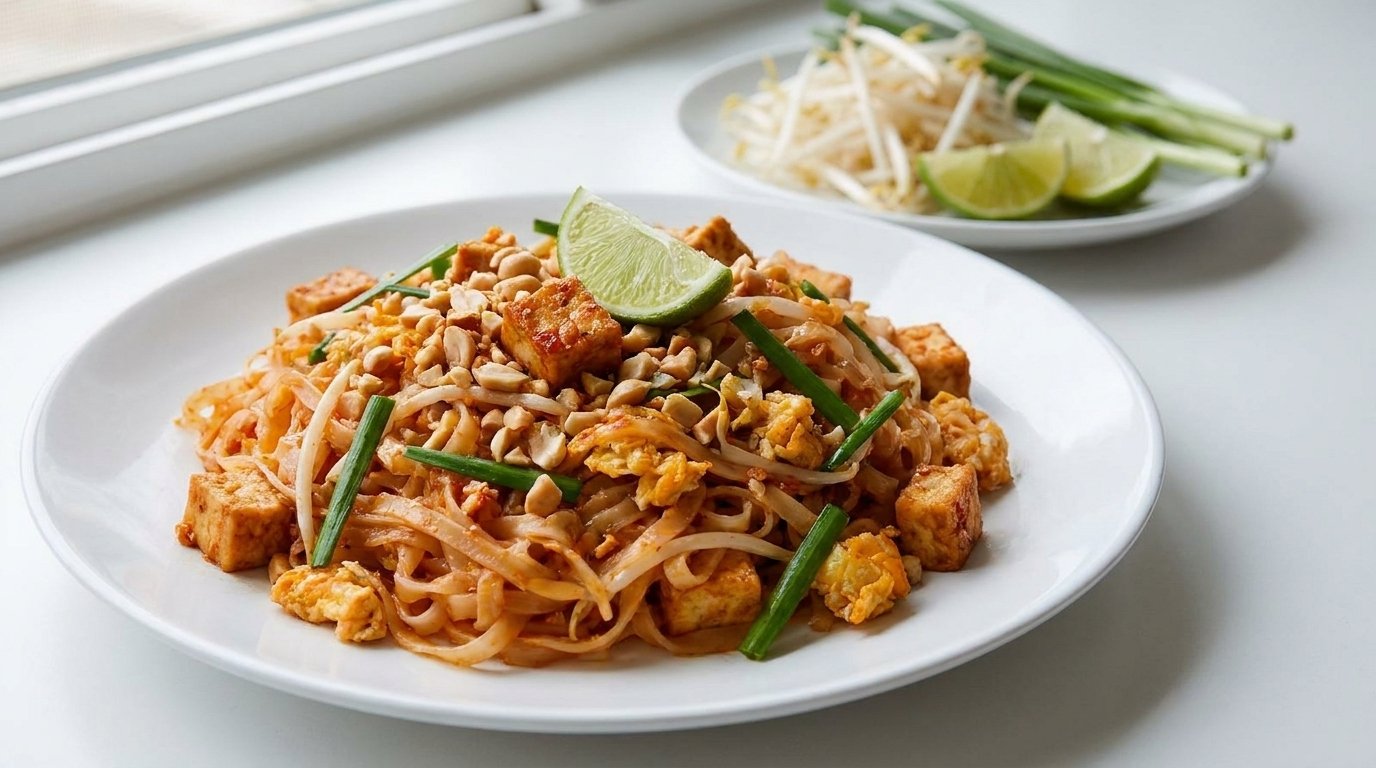
Yummy Sukhothai Pad Thai
4
servings20
minutes15
minutes993
kcal35
minutesSoft rice noodles tossed in a tamarind, vinegar, and soy sauce blend with scrambled eggs, golden tofu, ground peanuts, and fresh chives. Served with bean sprouts and lime wedges.
Ingredients
½ cup white sugar
½ cup distilled white vinegar
¼ cup soy sauce
2 tablespoons tamarind pulp
1 package dried rice noodles
½ cup vegetable oil
2 teaspoons minced garlic
4 eggs
1 package firm tofu, cut into ½-inch strips
2 teaspoons salt
2 cups ground peanuts
2 teaspoons ground dried oriental radish
½ cup chopped fresh chives
1 tablespoon paprika
2 cups fresh bean sprouts
1 lime, cut into wedges
Directions
- Make the sauce. In a medium saucepan over medium heat, blend ½ cup sugar, ½ cup vinegar, ¼ cup soy sauce, and 2 tablespoons tamarind pulp. Stir until the sugar dissolves. Set aside.
- Soak the noodles. Soak the rice noodles in cold water until soft. Drain well.
- Scramble the eggs and cook the tofu. Warm ½ cup oil in a large wok or skillet over medium heat. Add 2 teaspoons garlic and 4 eggs, and scramble the eggs. Add 340 g tofu strips and stir until well mixed.
- Add the noodles and sauce. Add the drained noodles and stir until heated through. Stir in the prepared sauce, 1½ tablespoons sugar, and 1½ teaspoons salt. Stir in 2 cups ground peanuts and 2 teaspoons ground radish.
- Finish with chives and paprika. Remove from the heat. Add ½ cup chopped chives and 1 tablespoon paprika, and toss to combine.
- Serve. Serve with 2 cups bean sprouts and lime wedges on the side.
Equipment
 Cutting boardCheck product details
 Dinner PlatesCheck product details
 Measuring Spoons & CupsCheck product details
 Sharp Kitchen KnifeCheck product details
 Small potCheck product details
 SpatulaCheck product details
 StrainerCheck product details

 Wooden SpoonCheck product details




Recipe Notes
- The recipe can be made with shrimp, chicken, or pork instead of tofu. Adjust the sauce ingredients to taste.
Nutrition Facts
- Serving Size: 4 g
- Total number of serves: 4
- Calories: 993kcal
- Fat: 53g
- Saturated Fat: 8.8g
- Cholesterol: 164mg
- Sodium: 2166mg
- Potassium: 858mg
- Carbohydrates: 98.4g
- Net Carbs: 87.1g
- Fiber: 11.3g
- Sugar: 31.5g
- Protein: 39.3g
- Vitamin A: 67mcg
- Vitamin C: 15.4mg
- Calcium: 271mg
- Iron: 7mg
- Vitamin D: 0.9mcg
- Vitamin E: 1.6mg
- Vitamin K: 40mcg
- Thiamin: 0.6mg
- Riboflavin: 0.4mg
- Niacin: 13.2mg
- Vitamin B6: 0.5mg
- Vitamin B12: 0.4mcg
- Folate: 240.5mcg
- Pantothenic Acid: 2.4mg
- Phosphorus: 528mg
- Magnesium: 180mg
- Zinc: 3mg
- Selenium: 28.6mcg
- Copper: 0.9mg
- Manganese: 2.5mg
Did you make this recipe?
Tag @cambodiarecipe on Instagram and hashtag it
Like this recipe?
Follow us @cambodiarecipe on Pinterest
Did you make this recipe?
Follow us on Facebook