Mondulkiri Travel Guide: What Makes Cambodia’s Eastern Highlands Different
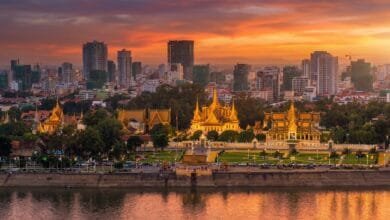
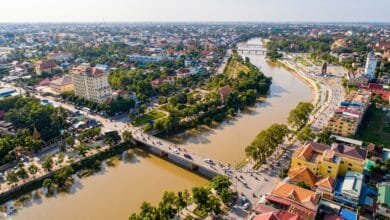
Most travelers who visit Cambodia spend their time in the lowlands — Phnom Penh’s busy streets, Siem Reap’s temple complexes, or the southern coast. Mondulkiri province sits far to the northeast, pressed against the Vietnamese border, and it feels like another country altogether.
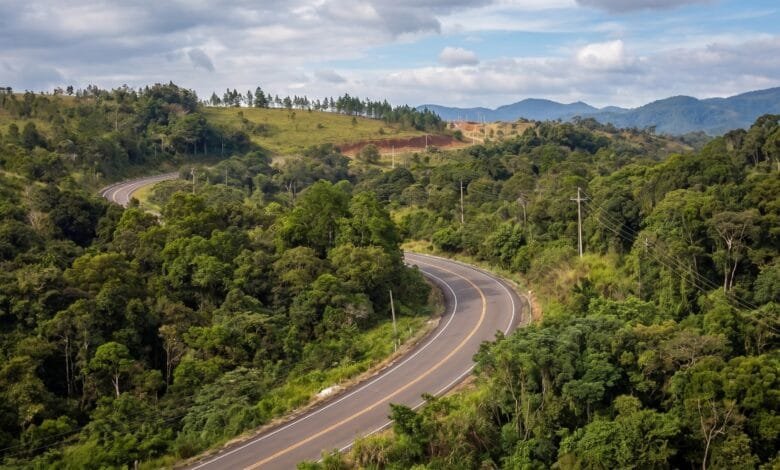
The road climbs into rolling hills covered in dense forest. The air turns cool. The towns thin out. And the people you meet along the way may speak Bunong, an indigenous language, before they speak Khmer. Mondulkiri is Cambodia’s largest province and its most sparsely populated. It is also one of the most rewarding places in the country for travelers willing to go a little further.
This guide covers what makes Mondulkiri different, what to see and do, how to get there, and what to expect when you arrive.
Quick Travel Information
| Information | Information |
|---|---|
| Location | Northeastern Cambodia, bordering Vietnam to the east and south |
| Province | Mondulkiri |
| Capital | Sen Monorom |
| Destination Type | Highland province, indigenous culture, nature and wildlife |
| Known For | Elephant sanctuaries, waterfalls, Bunong culture, coffee, cool climate |
| Main Attractions | Bou Sra Waterfall, Elephant Valley Project, Mondulkiri Project, Sen Monorom Market, Phnom Doh Krormom |
| Main Access Point | Sen Monorom town |
| How to Get There | Bus or minivan from Phnom Penh (most common); direct routes from Siem Reap |
| Recommended Stay | 2–4 days |
| Best Time to Visit | November to February (cool, dry); waterfalls strongest October–November |
| Main Activities | Elephant observation, waterfall visits, jungle trekking, Bunong village visits, coffee farm tours |
| Useful to Know | Cooler than lowland Cambodia; ATMs limited; bring cash; malaria precautions advised for forest areas |
Where Is Mondulkiri?
Mondulkiri is in Cambodia’s far northeast, sharing a long border with Vietnam. It borders Ratanakiri province to the north and Kratie province to the west. The provincial capital, Sen Monorom, sits about 370 kilometers east of Phnom Penh at an elevation of around 800 meters above sea level.
That elevation matters. While most of Cambodia is flat and hot year-round, Mondulkiri’s highland position gives it a noticeably cooler climate. Nights can be chilly enough to need a jacket from November through February. The province covers approximately 14,288 square kilometers, making it the largest province in Cambodia by area. But with only around 4–5 people per square kilometer, it is also the most sparsely populated.
The landscape is a mix of thick forest, red dirt roads, rolling grasslands, and steep valleys. It is very different from the rice paddies and palm trees that define most of lowland Cambodia.
What Is Mondulkiri Like?
Sen Monorom is the only real town in the province. It has a relaxed, frontier feel — guesthouses, a handful of restaurants, a central market, and not much else. Some travel guides have compared it to an American Wild West town, though that comparison is a bit of a stretch. What it really feels like is a small highland settlement where tourism is still developing and the pace is slow.
Outside town, the province opens up into a vast, green landscape. You will pass through Bunong villages, coffee farms, cashew plantations, and stretches of dense jungle. The roads can be rough in places, especially after rain, but the scenery is consistently beautiful.
Mondulkiri is not a place for nightlife or luxury shopping. It is a place for fresh air, long walks, wildlife encounters, and learning about a part of Cambodia that most visitors never see.
Why Visit Mondulkiri?
Mondulkiri offers several experiences that are genuinely hard to find elsewhere in Cambodia:
Ethical elephant encounters. Several sanctuaries around Sen Monorom care for rescued elephants. The Elephant Valley Project and the Mondulkiri Project both operate strict no-riding policies. Visitors walk with the elephants through the forest, observe them from a respectful distance, and learn about their care from Bunong guides.
Indigenous culture. About 80 percent of Mondulkiri’s population belongs to indigenous tribal groups, with the Bunong (also called Phnong) being the largest. Their traditions, language, and connection to the forest remain strong. Visitors can learn about Bunong customs through guided village visits, homestays, and cultural performances.
Waterfalls. Bou Sra Waterfall is the province’s most famous natural attraction, a powerful two-stage cascade surrounded by forest. Smaller waterfalls like Lèng Kao and Dak Dam offer quieter alternatives.
Cool climate. For travelers who have had enough of Cambodia’s heat, Mondulkiri’s highland air is a welcome change. The mornings and evenings can be genuinely cool.
Coffee. Mondulkiri’s cooler climate and fertile soil produce coffee that is exported to Vietnam, Japan, South Korea, and China. Several farms around Sen Monorom welcome visitors for tours and tastings.
Best Things to Do in Mondulkiri
Visit an Ethical Elephant Sanctuary
This is the main reason many travelers come to Mondulkiri. The Mondulkiri Project and the Elephant Valley Project are both well-established sanctuaries that prioritize elephant welfare over tourist entertainment. The Mondulkiri Project is the only Cambodian-owned elephant sanctuary in the country and has been operating since 2014. Tours typically involve walking through the jungle with the elephants, feeding them, and observing them bathe. Bunong guides lead many of these experiences and share their knowledge of the forest and the animals.
It is important to book in advance during peak season (November–February), as tours fill up quickly.
See Bou Sra Waterfall
Bou Sra is the most visited site in Mondulkiri. During the rainy season, the water volume is powerful and dramatic. In the drier months, the falls are gentler but the surrounding forest is still lush and the trails are easier to walk.
Explore Lèng Kao Waterfall
A newer eco-tourism site within the Keo Seima Wildlife Sanctuary, Lèng Kao is a three-tiered waterfall about 500 meters off the main road. The community here offers traditional Bunong dance performances, homestays, indigenous cuisine, and guided forest treks.
Walk Around Sen Monorom
The provincial capital is small but has its own quiet charm. Visit the central market in the morning for local snacks and produce. Stop at a bamboo café for Mondulkiri coffee. In the late afternoon, head to Phnom Doh Krormom, a hilltop shrine with panoramic views over the valley and a good spot for sunset.
Trek Through the Forest
Mondulkiri’s forests are part of the Eastern Plains Landscape, one of the largest remaining forest areas in Southeast Asia. The Keo Seima Wildlife Sanctuary protects important habitat for Asian elephants, banteng, and hundreds of bird species. Several operators offer guided treks ranging from half-day walks to multi-day camping trips.
Try Mondulkiri Coffee
Several coffee farms around Sen Monorom offer tours and tastings. The cool climate and volcanic soil produce beans that are increasingly recognized for their quality. PIDA Coffee Farm Lodge is one option for visitors interested in seeing how the coffee is grown and processed.
Food and Local Flavors
Mondulkiri’s food scene reflects its indigenous heritage. The most distinctive local dish is Samlor Prong (also spelled Somlor Prung), a soup cooked inside a bamboo tube. It is a traditional Bunong preparation made with fish or meat, forest vegetables, and herbs.
Sen Monorom’s market is the best place to try local ingredients — mountain vegetables, bamboo shoots, forest herbs, and honey. In town, restaurants serve a mix of Khmer and Vietnamese dishes alongside some Western options. Chomno Thmey is often recommended for local Khmer food.
Mondulkiri honey and locally grown coffee are two food products worth seeking out. The honey has a distinctive flavor from the wildflowers of the highland forests.
Culture and Local Life
The Bunong people have lived in the forests of eastern Cambodia for centuries. Their culture is closely tied to the land — they practice rotational farming, worship forest spirits, and maintain traditions that predate the Khmer empire. Traditional gongs and large ceramic jars are among the most valued possessions in Bunong communities and are used in ceremonies and festivals.
Several community-based tourism initiatives now welcome visitors. The Lèng Kao eco-tourism community, for example, offers homestays where guests can experience Bunong daily life, taste indigenous food, and watch traditional dance performances. Other villages in the O’Reang and Sen Monorom districts also receive visitors.
When visiting Bunong villages, it is important to be respectful. Ask before taking photos. Follow your guide’s instructions about where you can and cannot go. And remember that tourism income directly supports these communities when you book through local operators.
History
Mondulkiri was established as a province in 1961, though the area has been home to the Bunong and other indigenous groups for much longer. During the Khmer Rouge period, many traditional objects — gongs, jars, ceremonial items — were buried in the jungle for safekeeping. Some of these have been recovered, while others remain hidden.
The province has historically been one of Cambodia’s most isolated regions. Roads were poor, infrastructure limited, and the indigenous population largely self-sufficient. In recent decades, improved roads and growing interest in eco-tourism have brought more visitors, but Mondulkiri remains far less developed than Cambodia’s major tourist destinations.
Nature and Outdoors
Mondulkiri’s natural landscape is its greatest asset. The province sits on a plateau at altitudes between 200 and 1,000 meters, with two main rivers — the Preaek Chhbaar and the Preaek Te — crossing the territory.
The Keo Seima Wildlife Sanctuary covers a large portion of the province and is home to significant wildlife populations. Birdwatchers, in particular, find Mondulkiri rewarding, with species including the giant ibis, white-shouldered ibis, and various hornbills. Wildlife sightings are never guaranteed, but guided treks with local experts offer the best chances.
Waterfalls are a major draw. In addition to Bou Sra and Lèng Kao, there are several smaller falls including Dak Dam, Chrey Thom, and Lèng Khin. Each has its own character, and many are accessible by motorbike or tuk-tuk from Sen Monorom.
How to Get There
The most common route to Mondulkiri is from Phnom Penh. Express minivans run daily from the capital, with morning departures typically between 7:00 and 8:00 AM and some afternoon services. The journey takes around 5.5 to 6 hours, and tickets cost approximately $12–15 per person. Key operators include Kim Seng Express, TCT Mondulkiri Express, Rithya Mondulkiri Express, and Virak Buntham. Night buses are also available through Virak Buntham.
From Siem Reap, there are direct services that avoid the need to go through Phnom Penh. Rithya Mondulkiri Express departs Siem Reap daily at around 7:45 AM and arrives in Sen Monorom in the afternoon, taking approximately 8.5 hours. Virak Buntham also runs a longer scenic route through Preah Vihear, Stung Treng, and Banlung.
There is no airport in Mondulkiri and no direct bus service from the southern coast. Travelers coming from Kampot, Kep, or Sihanoukville will need to go through Phnom Penh first.
Important: Bus schedules, prices, and operators change. Verify current information before travel.
How to Get Around
Sen Monorom is small enough to walk around. For exploring the province, you have a few options:
- Tuk-tuk: Available in town for local trips and waterfall visits.
- Motorbike rental: Several shops in Sen Monorom rent semi-automatic motorbikes. The roads can be rough, especially in the wet season, so this is best for experienced riders. Do not ride after dark.
- Private car or driver: Can be arranged through guesthouses for day trips to waterfalls or villages.
- Guided tours: Most elephant sanctuaries and trekking operators include transport from Sen Monorom.
When to Visit
The best time to visit Mondulkiri is generally from November to February. During these months, the weather is cooler and drier, with nighttime temperatures that can drop to around 15–18°C. Waterfalls are still flowing well after the rainy season, and the landscape is green.
The rainy season runs from May to October. Waterfalls are at their most powerful during and just after this period, but some roads and trails can become difficult or impassable. The dry season from March to April brings hotter temperatures and lower water levels.
If your priority is seeing the waterfalls at full flow, October and November are the best months. If you prefer cooler, comfortable hiking weather, December and January are ideal.
How Long to Stay
Two to three days is enough to see the main highlights — an elephant sanctuary visit, Bou Sra Waterfall, and some time in Sen Monorom. Four days or more allows for deeper exploration: longer treks, village homestays, coffee farm visits, and discovering some of the lesser-known waterfalls.
Mondulkiri is not a place to rush. The pace of travel here is slower, and the best experiences often come from simply being in the landscape rather than ticking off attractions.
Where to Stay
Accommodation in Mondulkiri is concentrated in and around Sen Monorom. Options range from simple guesthouses to eco-lodges and farm stays.
- Guesthouses: Sokcheav Guesthouse, Route 76 Guest House, and Manel Guesthouse and Restaurant are among the established options.
- Eco-lodges and farm stays: PIDA Coffee Farm Lodge offers mountain views and coffee farm tours. Several Airbnb listings offer Bunong-style farmhouse stays in villages around 10 km from town.
- Elephant sanctuary stays: Both the Elephant Valley Project and the Mondulkiri Project offer overnight options that support their conservation work.
Accommodation availability is limited compared to Cambodia’s major tourist towns. Book ahead during peak season (November–February).
Travel Tips
Bring cash. ATMs in Sen Monorom are limited and may not accept foreign cards reliably. Bring enough US dollars or Cambodian riel for your entire stay.
Pack layers. Nights and early mornings can be surprisingly cool. A light jacket or fleece is useful from November to February.
Malaria precautions. Mondulkiri is considered a moderate malaria risk area, particularly for forest trekking. Consult a travel doctor before your trip about prophylaxis and bring mosquito repellent.
Respect local communities. Ask before taking photos in Bunong villages. Follow your guide’s advice. Dress modestly when visiting communities and cultural sites.
Book elephant tours in advance. The ethical sanctuaries are popular and fill up during peak season. Book directly through the sanctuary websites before you leave Phnom Penh or Siem Reap.
Road conditions vary. Some roads are paved, others are red dirt. In the wet season, conditions can be challenging. Allow extra time for travel and consider a private car if you are not comfortable on a motorbike.
Is Mondulkiri Right for You?
Mondulkiri is a good fit for travelers who:
- Want to see a side of Cambodia that is not defined by temples or beaches
- Are interested in indigenous culture and ethical wildlife experiences
- Enjoy cool mountain air and outdoor activities
- Are comfortable with basic infrastructure and limited tourist facilities
- Are willing to travel further from the main tourist trail
It may be less suitable for travelers who:
- Want luxury accommodation and nightlife
- Have very limited time in Cambodia
- Prefer fully paved, easy-to-navigate roads
- Are looking for beach or temple-focused holidays
Responsible Travel
Mondulkiri’s growing tourism industry brings both opportunities and challenges. Here are some ways to travel responsibly:
- Choose ethical elephant sanctuaries. Avoid any venue that offers elephant riding, performances, or forced contact. The Elephant Valley Project and the Mondulkiri Project both follow observation-focused models.
- Support local businesses. Stay in locally owned guesthouses, eat at local restaurants, and book tours through community-based operators.
- Respect the forest. Do not litter. Do not remove plants or wildlife. Follow Leave No Trace principles on treks.
- Be thoughtful about village visits. Not every community wants to be a tourist attraction. Visit through organized community tourism programs rather than showing up unannounced.
- Consider the environment. Mondulkiri’s forests are under pressure from logging and land conversion. Choosing eco-tourism helps create economic incentives for conservation.
Frequently Asked Questions
Is Mondulkiri worth visiting?
Yes, if you are interested in indigenous culture, ethical elephant experiences, and highland scenery. It offers a very different travel experience from the rest of Cambodia. It requires more effort to reach than Phnom Penh or Siem Reap, but that effort is part of what makes it rewarding.
How do I get to Mondulkiri?
The most common route is a minivan or bus from Phnom Penh, taking around 5.5–6 hours. There are also direct services from Siem Reap. No flights or trains serve the province. Check current schedules with operators like Virak Buntham, Kim Seng Express, or Rithya Mondulkiri Express.
How long should I stay in Mondulkiri?
Two to three days covers the main highlights. Four or more days allows for deeper exploration and a more relaxed pace.
What is Mondulkiri known for?
Mondulkiri is known for its elephant sanctuaries, waterfalls (especially Bou Sra), Bunong indigenous culture, coffee, and cooler highland climate.
What should I eat in Mondulkiri?
Try Samlor Prong, a traditional Bunong soup cooked in a bamboo tube. Also look for local honey, mountain vegetables, and Mondulkiri coffee.
What is the best time to visit?
November to February offers the most comfortable weather — cool and dry. October and November are best for seeing the waterfalls at full flow.
Can I combine Mondulkiri with other destinations?
Yes. Mondulkiri can be combined with Ratanakiri province to the north, or with Kratie province to the west. Some travelers travel overland from Mondulkiri to Vietnam via the border crossing at Oyadao or Boun E.
Is Mondulkiri suitable for first-time visitors to Cambodia?
It can be, but it works best as part of a longer trip that also includes Cambodia’s more established destinations. If you only have one week in Cambodia, Mondulkiri may be difficult to fit in comfortably. If you have two weeks or more, it is well worth the detour.
Conclusion
Mondulkiri is a province that rewards travelers who make the journey. Its cool highland climate, dense forests, and powerful waterfalls offer a sharp contrast to the heat and bustle of lowland Cambodia. But what truly sets it apart is its indigenous character — the Bunong people, their traditions, and their deep connection to the forests they have called home for generations.
This is not a destination for everyone. The roads can be rough, the infrastructure is limited, and you will not find luxury resorts or busy night markets. But for travelers interested in nature, culture, and a slower pace of travel, Mondulkiri offers something increasingly rare: a genuine sense of discovery in a part of Cambodia that remains far from the tourist mainstream.
The practical essentials are simple. Come with cash, pack layers, book your elephant experience in advance, and allow enough time to slow down. Mondulkiri is not a place to rush through. It is a place to breathe in, look around, and appreciate how different one province can feel from the rest of the country.