Kep Travel Guide: Cambodia’s Quiet Coastal Escape
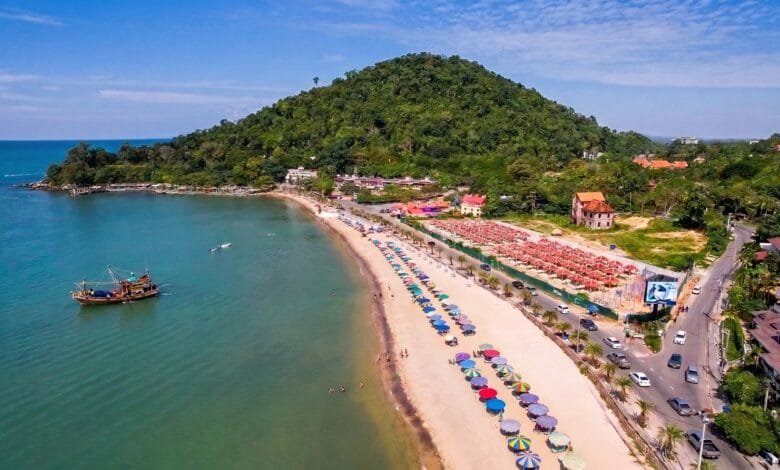
Kep is Cambodia’s smallest province, a compact coastal destination on the Gulf of Thailand with a population of around 49,000 residents. It covers just 336 square kilometres and has a scenic 27-kilometre shoreline. Unlike Phnom Penh or Siem Reap, life here moves in a gentler rhythm — one shaped by fishing boats, pepper farms, and quiet waterfront evenings.
Travelers often reach Kep after time in Cambodia’s busier cities and find something different: a place where the main decision of the day is which crab to eat for lunch. Once a glamorous seaside retreat for French colonials and Cambodian elites, Kep faded during the Khmer Rouge era. Today it is finding a new identity as a relaxed, slightly upscale coastal destination that draws weekend visitors from Phnom Penh and international travelers looking for the rustic side of Cambodia.
Quick Travel Information
| Field | Details |
|---|---|
| Location | Southern Cambodia, on the Gulf of Thailand |
| Province | Kep Province (Cambodia’s smallest province by area) |
| Destination Type | Coastal province, seaside town |
| Known For | Blue crab, Crab Market, abandoned French villas, Kep National Park, Rabbit Island (Koh Tonsay) |
| Main Attractions | Kep Crab Market, Kep National Park, Rabbit Island (Koh Tonsay), abandoned colonial villas, Kep Beach |
| How to Get There | By bus or taxi from Phnom Penh (approximately 3–4 hours); from Kampot by tuk-tuk or motorbike (25 km, roughly 30–45 minutes) |
| Recommended Stay | 1–3 days |
| Best Time to Visit | November to April (dry season); the wet season (May–October) brings fewer visitors and lower prices, though seas can be rougher for island trips |
| Main Activities | Seafood dining, hiking, island day trips, pepper farm visits, exploring abandoned villas |
| Accommodation | Guesthouses, boutique hotels, and hillside resorts |
Note: Travel times, prices, and seasonal conditions can change. Verify the latest information before your trip.
Where Is Kep?
Kep sits on Cambodia’s southern coastline, on the Gulf of Thailand, about 150 kilometres southwest of Phnom Penh. The province borders Kampot to the west and shares a maritime border with Vietnam’s Phu Quoc Island to the south. Kep is Cambodia’s smallest province by area, covering just 336 square kilometres.
For travelers, Kep’s location is one of its advantages. It is close enough to Phnom Penh for a weekend trip and close enough to Kampot — about 25 kilometres away — that the two destinations are commonly combined. Many travelers use Kep as a quiet coastal stop after exploring Kampot’s riverside and pepper farms, or as a relaxed finish to a longer Cambodia itinerary.
What Is Kep Like?
Kep has a distinct atmosphere that separates it from other Cambodian coastal towns. There are no high-rise resorts, no beach bars, and no thumping parties. The town is quiet, the streets are relaxed, and the pace encourages lingering rather than rushing.
The landscape blends several elements: a compact beach area, dense forested hills protected within Kep National Park, salt fields and farmland in the surrounding countryside, and a working waterfront centred on the Crab Market. Abandoned villas from the colonial and pre-Khmer Rouge eras still dot the hillsides, some reclaimed by jungle — a striking visual reminder of the province’s past.
Kep is not a large or bustling destination. It is a place for slow mornings, seafood lunches, afternoon walks, and watching the sun go down over the Gulf of Thailand.
Why Visit Kep?
Seafood culture. Kep is widely known for its blue swimmer crab, caught in nearby waters and prepared with local Kampot pepper — a combination that has become one of Cambodia’s signature dishes. The Crab Market is the heart of this food culture.
Nature and hiking. Kep National Park offers an 8-kilometre trail loop through dense forest with viewpoints over the coastline and islands. It is Cambodia’s smallest national park and easy to explore on foot or by motorbike.
Island escape. Rabbit Island (Koh Tonsay) sits a short boat ride from Kep’s pier. It offers rustic beaches, wooden chalets, and a chance to disconnect for a day or longer.
Historical character. The ruins of French colonial and mid-century modernist villas give Kep a melancholic beauty that is unlike anywhere else in Cambodia. Some have been restored into hotels; others remain abandoned and overgrown.
Pepper farms. The countryside between Kep and Kampot is home to pepper plantations where travelers can learn how Kampot pepper — a protected geographical indication product — is grown and processed.
Best Things to Do in Kep
Visit the Crab Market
The Kep Crab Market is the province’s most famous attraction and arguably its culinary soul. It is a working market along the waterfront where fishermen bring in their daily catch and vendors sell fresh crab, prawns, squid, and fish. You can select live crabs, choose how you want them cooked, and eat at one of the waterfront restaurants nearby.
The market is busiest around lunchtime (11:30 AM to 1 PM). Pepper crab is the default preparation — blue swimmer crab stir-fried with fresh green Kampot peppercorns. Prices vary by crab size, but expect to pay in the range of $8–15 for a whole crab with sides. A cold beer and a plate of crab by the water is one of Kep’s essential experiences.
Hike Kep National Park
Kep National Park was established in 1993 and covers approximately 66 square kilometres. The main trail is an 8-kilometre loop suitable for walking or mountain biking, passing through dense forest with viewpoints over the Gulf of Thailand and nearby islands. The park is Cambodia’s smallest national park, so it does not require a full day to explore — a morning or afternoon is enough for most visitors.
A foreign visitor entrance fee of $1 is commonly reported. Trails are generally easy to follow, though some sections may be overgrown. Bring water and comfortable shoes.
Take a Boat to Rabbit Island (Koh Tonsay)
Rabbit Island, known locally as Koh Tonsay, is a small island about 20–30 minutes by boat from Kep’s main pier. The island has a 250-metre main beach lined with coconut palms and calm waters. It is rustic — wooden chalets and simple beach shacks rather than resorts — and that is part of its appeal.
Round-trip boat tickets typically cost around $7–10 per person. Boats generally depart in the morning and return by late afternoon (around 4 PM). Bring cash, sunscreen, and water, as facilities on the island are limited.
Explore the Abandoned Villas
Scattered across Kep’s hillsides are the remains of French colonial and mid-century modernist villas. In the 1950s and 1960s, Kep was a glamorous seaside retreat for Cambodia’s elite and French colonials. During the Khmer Rouge era, the town was abandoned, and many villas were looted, burned, or stripped for building materials.
Today, around 30 historical villas still stand, down from roughly 150 in Kep’s heyday. Some have been restored into boutique hotels; others remain as haunting ruins slowly being reclaimed by jungle. Exploring these villas — on foot, by bicycle, or by tuk-tuk — offers a unique window into Cambodia’s layered history.
Visit a Pepper Farm
Kampot pepper, which also grows in Kep Province, holds a Protected Geographical Indication (PGI) — a status similar to Champagne in France. Several pepper farms between Kep and Kampot welcome visitors for guided tours and tastings. La Plantation is one of the most established, offering free guided tours in English and French, with private tours from around $10 and cooking classes from around $28. Sothy’s Pepper Farm is a smaller, family-run option that offers a more personal experience.
Pepper can be purchased directly from farms, often fresher and cheaper than in city tourist shops.
Relax at Kep Beach
Kep Beach is a kilometre-long crescent of sand near the tip of the Kep peninsula. It was recently revitalized with white sand, and the shoreline now stretches wider than before. It is a modest beach by regional standards, but it is clean, calm, and rarely crowded during weekdays. A promenade runs along the waterfront, and the iconic giant crab statue stands nearby — a popular photo stop.
Food & Local Flavors
Kep’s food identity is built on two ingredients: blue swimmer crab and Kampot pepper. The combination — fresh crab stir-fried with green peppercorns, garlic, and a touch of palm sugar — is the province’s signature dish and one of Cambodia’s most celebrated meals.
Beyond crab, the Crab Market offers grilled squid, prawns, fish, and simple sides like fried rice and morning glory. Seafood cooking classes are available at several venues, often starting with a market visit and ending with eating what you have prepared. Prices vary, but affordable options exist alongside upscale resort classes.
Kampot pepper itself is worth exploring. The green, black, red, and white varieties each have distinct flavor profiles. Buying pepper directly from farms in the Kep–Kampot area supports local growers and ensures freshness.
How to Get to Kep
From Phnom Penh: Buses run from Phnom Penh to Kep, with journey times typically reported around 3–4 hours. Several bus companies serve the route, with fares commonly in the $6–8 range. Hiring a private taxi is faster (roughly 2.5–3 hours) but more expensive.
From Kampot: The road between Kampot and Kep is paved and well signposted. The distance is about 25 kilometres, and the trip takes roughly 30–45 minutes by tuk-tuk or motorbike taxi. Bus fares are low (around $2), while tuk-tuk fares are higher and negotiable.
From Sihanoukville: Minibuses connect Sihanoukville to Kep, taking around 2 hours.
Transport schedules and fares change. Check with your hotel or a local booking platform for current options.
How to Get Around Kep
Kep is small and easy to navigate. Tuk-tuks and motorbike taxis are the most common ways to get around town and to nearby attractions. Short trips within town are inexpensive. Many travelers also rent bicycles or motorbikes to explore the countryside and pepper farms at their own pace.
Walking is practical for the central area around Kep Beach and the Crab Market, which are about a 25-minute walk apart.
When to Visit Kep
Dry season (November to April): This is the most popular time to visit, with warm, dry weather and calm seas ideal for boat trips to Rabbit Island. Weekends see more domestic visitors from Phnom Penh, so mid-week visits are quieter.
Wet season (May to October): Afternoon rains are common, and seas can be rougher for island trips. However, there are fewer visitors and lower prices. The countryside is green and lush during this period.
Kep has a tropical climate with warm temperatures year-round. Pack sunscreen, a hat, and light clothing regardless of season.
How Long to Stay
One day: Travelers can visit the Crab Market, walk part of Kep National Park, and relax at Kep Beach. This is enough for a taste of Kep but feels rushed.
Two to three days: This allows time for the Crab Market, a full hike in Kep National Park, a boat trip to Rabbit Island, and a pepper farm visit. Most travelers find 2–3 days comfortable for experiencing Kep without rushing.
Longer stays: Kep rewards slow travel. Some visitors stay a week or more to fully unwind, explore the countryside by bicycle, and use Kep as a base for day trips to Kampot and the surrounding area.
Where to Stay in Kep
Kep’s accommodation leans toward the boutique and upscale end, though budget options exist. Hillside resorts offer the best views and pools but may require transport to reach the beach and Crab Market. Properties near the Crab Market are convenient for dining and walkable to the beach. The national park area offers a quieter, jungle setting.
Knai Bang Chatt is a well-known boutique property centred around three restored colonial villas designed by Vann Molyvann, a celebrated Cambodian architect. It has 18 rooms, an infinity pool overlooking the Gulf of Thailand, and a sailing club with kayaks and paddle boards. Rates start around $127 per night.
Samanea Beach Resort & Spa is a 12-villa property set among botanical gardens adjacent to a protected mangrove forest.
Other options include Saravoan Kep Hotel, Kep Lodge, Atmaland Resort, and various guesthouses and bungalows at lower price points. Budget travelers can find basic rooms in the $10–15 range, while mid-range boutique hotels typically run $25–50 per night.
Accommodation availability and prices change. Verify current details before booking.
Is Kep Right for You?
Kep suits travelers who value quiet over nightlife, nature over shopping, and slow travel over packed itineraries.
Kep is a good fit for:
- Couples looking for a peaceful coastal retreat
- Solo travelers who enjoy nature and reflection
- Food travelers interested in seafood and regional cuisine
- Photographers drawn to abandoned architecture and coastal landscapes
- Slow travelers who want to unwind after Cambodia’s busier destinations
Kep may not be ideal for:
- Travelers seeking vibrant nightlife or party scenes
- Those who want long stretches of pristine white-sand beach
- Visitors with very limited time who are prioritizing Angkor Wat and major cities
Responsible Travel in Kep
Kep’s charm depends on its quiet character and natural environment. A few simple practices help preserve it:
- Support local vendors at the Crab Market and small family-run restaurants rather than only large resorts.
- Buy pepper directly from farms — it is fresher and supports local growers.
- Respect the national park by staying on trails, taking your litter with you, and not disturbing wildlife.
- Ask before photographing people, especially at markets and fishing villages.
- Be mindful of crab stocks — blue swimmer crab populations face pressure from over-fishing. Enjoy the local specialty while supporting sustainable practices where possible.
Frequently Asked Questions
Is Kep worth visiting?
Kep is worth visiting for travelers who want a quiet, food-focused coastal experience away from Cambodia’s busier tourist hubs. Its combination of seafood, nature, history, and relaxed atmosphere is distinctive.
How do I get to Kep from Phnom Penh?
Buses run from Phnom Penh to Kep, typically taking around 3–4 hours. Fares are commonly in the $6–8 range. Private taxis are faster but more expensive.
How long should I stay in Kep?
Two to three days is enough to visit the Crab Market, hike Kep National Park, take a boat to Rabbit Island, and visit a pepper farm. One day is possible but rushed.
What is Kep known for?
Kep is best known for its blue crab and Crab Market, its abandoned French colonial villas, Kep National Park, and Rabbit Island (Koh Tonsay). It is also part of Cambodia’s Kampot pepper-growing region.
Can I combine Kep with Kampot?
Yes. Kep and Kampot are about 25 kilometres apart, roughly a 30–45 minute tuk-tuk ride. Many travelers visit both on the same trip.
What is the best time to visit Kep?
The dry season (November to April) offers the best weather for beach and island activities. The wet season (May–October) has fewer crowds and lower prices but more rain.
Is Kep suitable for first-time visitors to Cambodia?
Kep works well as a second or third stop after Phnom Penh or Siem Reap, offering a coastal contrast to Cambodia’s more famous destinations. It is easy to navigate and relaxed.
Conclusion
Kep is a small province with a distinct character: quiet, coastal, and rooted in seafood culture and layered history. It is not a destination of grand monuments or sprawling resorts. Instead, it offers something simpler — fresh crab by the water, forest trails with ocean views, a boat ride to a rustic island, and the ruins of a glamorous past slowly returning to nature.
For travelers who have seen Cambodia’s temples and cities and want to slow down, Kep is a natural next step. The practical considerations are straightforward: plan for warm weather year-round, bring cash for the market and island trips, and allow at least two days to experience the province without rushing. Kep rewards those who arrive with patience and leave with a slower pace.