Cambodia Shopping Tips: What to Buy, How to Bargain, and What to Avoid
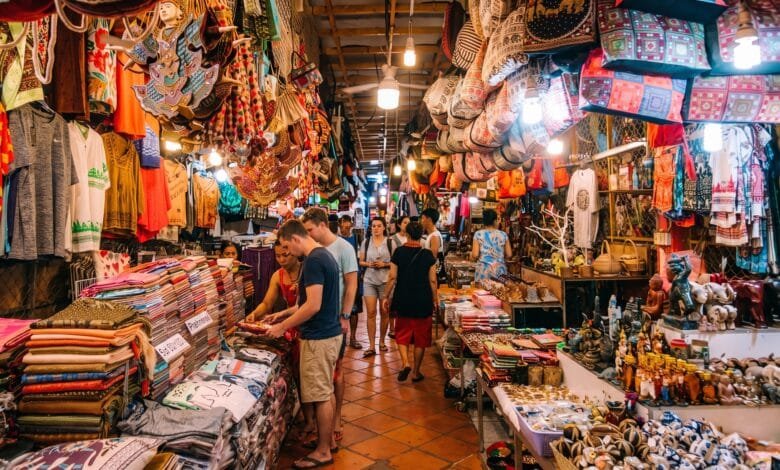
You spot a beautiful silk scarf at a market stall in Siem Reap. The vendor smiles and says, “Ten dollars.” You hesitate. Is that a fair price? Should you bargain? How much? And is the silk even real?
For many first-time visitors to Cambodia, market shopping is one of the most enjoyable — and most confusing — parts of the trip. The prices seem arbitrary. The rules are unspoken. And nobody wants to be the tourist who paid triple what everyone else did.
This guide will walk you through everything you need to know about shopping in Cambodia — from understanding how pricing really works to knowing which souvenirs are worth buying and which ones you should walk away from.
Quick Travel Information
| Information | Details |
|---|---|
| Topic | Shopping in Cambodia |
| Best For | Souvenirs, textiles, spices, handicrafts, clothing |
| Applies To | Travelers visiting Phnom Penh, Siem Reap, and other tourist areas |
| Main Thing to Know | Bargaining is expected at markets but not at fixed-price shops |
| Typical Situation | Vendors quote 2–3× the fair price; counter at 40–50% |
| What to Prepare | Small bills ($1, $5) and a rough idea of fair prices |
| Important Warning | Do not buy genuine antiques or items made from endangered species |
| Official Source | Angkor Handicraft Association Seal of Authenticity; Cambodian Ministry of Interior warnings |
How Shopping Works in Cambodia
Shopping in Cambodia is different from what most foreign travelers are used to. There are no fixed prices at markets. Vendors expect you to negotiate. And the first price you hear is rarely the final one.
Understanding a few basic rules will help you shop with confidence and avoid overpaying.
The Dual-Currency System
Cambodia runs on two currencies: US dollars and Cambodian riel. Both are accepted almost everywhere, but they serve different purposes.
US dollars are used for larger purchases — hotel bills, restaurant meals, tours, and souvenirs that cost more than a few dollars. Cambodian riel is used for small everyday items — a bottle of water, a plate of street food, a short tuk-tuk ride. The rough exchange rate is $1 to about 4,000–4,100 riel.
Here is the practical part: when you pay in US dollars for something that costs less than a dollar, you will get change in riel. And when you pay in riel, vendors will often round the price in their favor. Neither is a scam — it is just how the system works.
One important tip: carry small US dollar bills. Ones, fives, and tens are useful. Vendors often struggle to make change for $20 bills, and $50 or $100 bills may be refused altogether because of concerns about counterfeits.
The Three-Tier Pricing Structure
In tourist markets like Phsar Chas (Old Market) in Siem Reap or the Russian Market in Phnom Penh, there are effectively three prices for the same item.
The first is the tourist price — the opening quote you will hear. This is typically 2–3× what the item is actually worth. The second is the expat price — what long-term foreign residents pay. The third is the local price — what Cambodians pay.
As a visitor, you will never get the local price. That is not realistic. But understanding this structure helps you negotiate more effectively. Your goal is to move from the tourist price toward something closer to the expat price.
Where to Shop: Markets vs. Shops
Cambodia has two main shopping environments: markets and fixed-price shops. Each has its own rules.
Markets are where bargaining is expected. The Russian Market (Psar Tuol Tom Poung) in Phnom Penh and the Old Market in Siem Reap are the two most popular for tourists. These are sprawling, crowded, and full of everything from silk scarves to street food. Prices are negotiable, and vendors expect you to haggle.
Fixed-price shops include supermarkets, convenience stores, pharmacies, and social enterprises like Artisans Angkor and Daughters of Cambodia. Prices are set, and bargaining is not appropriate. These shops often sell higher-quality, ethically produced goods, and the prices reflect that.
There is also a middle category: tourist-oriented night markets in Siem Reap and Phnom Penh. These are convenient and have a wide selection, but prices tend to be higher than at local markets. Bargaining is still expected, but the starting prices are often inflated more than at markets that serve local customers.
What to Buy in Cambodia
Cambodia offers a wide range of souvenirs, from inexpensive T-shirts to high-quality silk and silver. Here are the items most worth your money — and what to look for.
Silk and Textiles
Cambodian silk is famous for its rich colors and traditional patterns. You will find silk scarves, sarongs, table runners, and clothing at almost every market.
Prices vary widely. A simple silk scarf might cost $3–15, while a larger, hand-woven piece can run $50 or more. The key is knowing what you are buying. Many items sold as “silk” are actually synthetic blends or machine-made imports from Thailand or Laos.
To check if silk is real, rub the fabric between your fingers. Genuine silk feels warm and makes a faint “squeaky” sound. It also has slight irregularities in the weave — a sign of hand-production. If the fabric feels smooth and uniform, it is likely synthetic.
The krama — a traditional checkered scarf — is a practical and affordable souvenir. These typically cost $2–5 and are used by Cambodians for everything from sun protection to carrying babies. They make useful gifts and are easy to pack.
Kampot Pepper
Kampot pepper is one of Cambodia’s most celebrated exports. It is grown in the Kampot region and is prized by chefs around the world for its complex flavor. You can buy black, white, and red varieties, usually in small bags or gift sets.
A bag of Kampot pepper typically costs $3–5 at markets. It is lightweight, easy to pack, and makes an excellent gift for anyone who cooks. Look for pepper that is labeled with its origin and packaged by a reputable producer.
Silver and Jewelry
Cambodian silverwork is a traditional craft, and you will find bracelets, rings, necklaces, and decorative boxes at markets across the country. Prices range from a few dollars for small pieces to $50 or more for heavier items.
The silver content varies. Some pieces are made from an alloy that contains 70–80% pure silver, while others may be lower. Heavier pieces generally indicate higher silver content. If you are buying an expensive piece, ask about the silver content and check for a hallmark.
Be cautious about gemstones. Rubies, sapphires, and emeralds are sold in Cambodian markets, but fake stones are common. Unless you know how to identify gemstones, it is safer to buy from a reputable jeweler than from a market stall.
Handicrafts and Carvings
Wood carvings, stone reproductions, lacquerware, and Buddha statues are popular souvenirs. Prices range from $1–20 for small items to much more for large pieces.
Be aware that many “antiques” sold in Cambodian markets are reproductions. This is not necessarily a problem — reproductions can be beautiful and affordable. But do not pay antique prices for a reproduction, and do not attempt to export genuine antiquities.
Cambodia prohibits the export of genuine cultural artifacts. If you buy an old stone carving that vendors claim is from Angkor, it may be confiscated at the airport — and buying such items encourages the plunder of Cambodia’s heritage.
Food and Edible Souvenirs
Cambodia has plenty of edible souvenirs that travel well. Dried mango, spiced peanuts, palm sugar, coffee, and coconut cookies are all popular choices.
Mango chocolate — a combination of sweet dried mango and chocolate — is a particularly popular gift. Angkor-shaped cookies and hard candies are also widely available and make fun, lightweight souvenirs.
If you are buying food items, check the expiration date and make sure the packaging is sealed. Dried fruits and spices are generally safe to bring through customs, but fresh produce and meat products may be restricted.
Clothing and Accessories
Cambodia’s garment industry produces clothing for international brands, and factory overruns — items that did not meet export standards — are sold at markets at very low prices. A pair of jeans that would cost $60 abroad might sell for $5–10 at the Russian Market.
Quality varies, so check stitching and seams carefully before buying. Many stalls also have on-site tailors who can make alterations within an hour.
T-shirts with Angkor Wat designs and other Cambodian motifs are widely available for $2–5. Elephant pants — loose, comfortable trousers — are another popular buy, especially for hot weather.
Handwoven bags made from recycled materials, natural fibers, and traditional Khmer weaving techniques are also worth seeking out. These are often sold at social enterprises and ethical boutiques.
How to Bargain Respectfully
Bargaining is part of the shopping experience in Cambodia. But it is important to do it respectfully. Aggressive haggling is considered rude, and Cambodians respond much better to a friendly, good-natured approach.
When to Bargain and When Not To
Bargaining is expected at markets and with tuk-tuk drivers. It is not appropriate at restaurants, cafes, supermarkets, convenience stores, pharmacies, or hotels with posted rates. It is also not appropriate at social enterprises and fair-trade shops, where prices are fixed and designed to support workers directly.
A good rule of thumb: if the vendor is a small market stall with no posted prices, bargain. If the price is clearly marked or the business is a fixed-price shop, pay the asking price.
A Step-by-Step Bargaining Approach
Here is a simple approach that works well in Cambodian markets:
1. Browse first. Walk around and compare prices at several stalls before you commit. This gives you a sense of the fair price range.
2. Ask the price. The vendor will give you an inflated starting price, typically 2–3× the fair price.
3. Counter at 40–50%. Start your offer at about half of the asking price. The vendor may act shocked — this is part of the process.
4. Meet in the middle. Go back and forth two or three times. A fair settlement is usually around 60–70% of the asking price.
5. Be willing to walk away. If you cannot agree on a price, thank the vendor and walk away politely. If they call you back, you know you are close to their real price.
6. Buy multiple items. If you are buying several things from the same vendor, use that as leverage. “If I buy three, what price?” is an effective approach.
Always keep the interaction friendly. Smile. Treat it as a social exchange, not a confrontation. The phrase “thlai nah” (too expensive) said with a smile works well.
Useful Khmer Phrases for Shopping
Learning a few basic Khmer phrases goes a long way. Even minimal effort with the language can shift you toward better pricing and create a warmer interaction.
| English | Khmer |
|---|---|
| Hello | Chomreab Suor |
| Thank you | Aw-kun |
| How much? | Thlai pon man? |
| Too expensive | Thlai nah |
| Can you lower the price? | Som thlot thlai? |
| I will buy it | Khnom yk |
Common Shopping Mistakes to Avoid
Most first-time visitors make at least one of these mistakes. Knowing them in advance will save you money and frustration.
Paying with Large Bills
Many vendors cannot make change for $20 bills, and $50 or $100 bills are often refused due to counterfeit concerns. Carry small denominations — $1, $5, and $10 bills — and use riel for small purchases.
Assuming Everything Is Locally Made
A large portion of the souvenirs sold in Cambodian markets are imports from Thailand and China. If you want genuinely Cambodian products, look for items with the Angkor Handicraft Association’s Seal of Authenticity, or buy from social enterprises like Artisans Angkor.
Buying Restricted Items
Cambodia prohibits the export of genuine cultural artifacts and items made from endangered species. Do not buy old stone carvings claimed to be from Angkor, and avoid products made from ivory, tortoiseshell, or other restricted materials. These items may be confiscated at customs, and buying them contributes to illegal trade.
Falling for Online Shopping Scams
If you are buying from online sellers in Cambodia, be cautious. The Anti-Cyber Crime Department warns that scammers create fake Facebook pages and Telegram channels offering products at 50–70% below market value. They demand deposits or full payment, then disappear. Always check page transparency, read reviews, and choose cash on delivery where possible.
Shopping Responsibly in Cambodia
Shopping can be a force for good — or it can cause harm. Here is how to make sure your purchases support Cambodia’s people and heritage.
Supporting Local Artisans
Buying directly from local artisans and cooperatives puts money into the hands of the people who made the products. Look for social enterprises and fair-trade shops like Artisans Angkor, Daughters of Cambodia, and Rehab Craft. These organizations provide training and employment for disadvantaged Cambodians, and their prices are fixed and fair.
Avoiding Illegal Wildlife Products
Cambodia is a source and transit country for illegal wildlife trade. Products made from ivory, tiger bone, pangolin scales, and other endangered species are sometimes sold in markets. Do not buy them. It is illegal, and it contributes to the decline of threatened species.
Understanding Export Restrictions
Before you buy anything old or culturally significant, check whether it can legally leave the country. Genuine antiquities require an export permit, and many items sold as “antiques” in markets are either reproductions or illegal to export. If in doubt, ask the seller for documentation — and if they cannot provide it, do not buy.
Shipping and Customs: What Happens After You Buy
If you buy more than you can fit in your luggage, you may want to ship items home. Here is what to know.
Taking Souvenirs Home in Your Luggage
Most souvenirs — textiles, spices, clothing, and small handicrafts — can be carried in your luggage without issue. Keep receipts for expensive items in case customs asks about them. If you are traveling to the United States, be aware that US Customs and Border Protection may inspect your bags and may charge duty on items above a certain value.
Mailing Items from Cambodia
Cambodia’s postal service and international couriers can ship packages overseas, but the process can be slow and the costs vary. Cambodia’s duty-free limit for incoming personal imports is approximately $50. Shipments above this amount are subject to duties and a standard 10% VAT.
Some items cannot be shipped by mail, including currency, precious metals, and jewelry. If you are shipping valuable items, use a reputable courier and consider insurance.
If you are shipping items to the United States, check USPS restrictions for Cambodia. Priority Mail Express International shipments to Cambodia cannot include coins, banknotes, precious metals, or jewelry.
Tips for First-Time Shoppers
Here is a quick summary of the most important things to remember:
- Carry small bills. $1, $5, and $10 bills are the most useful. Use riel for purchases under a dollar.
- Know the fair price range before you start bargaining. Browse a few stalls first.
- Start at 40–50% of the asking price and work toward a middle ground.
- Be friendly. Bargaining is social. Smile, stay relaxed, and do not get aggressive.
- Do not bargain at fixed-price shops or social enterprises. Prices there are already fair.
- Check for authenticity. Real silk makes a squeaky sound when rubbed. Look for the Seal of Authenticity on local handicrafts.
- Avoid buying antiques or items made from endangered species. They may be confiscated — or illegal.
- Buy from social enterprises if you want to support local communities directly.
- Keep receipts for expensive purchases in case customs asks.
- Walk away if the price is not right. There is always another stall.
Frequently Asked Questions
Do I need to bargain in Cambodia?
At markets, yes — bargaining is expected and part of the culture. At fixed-price shops, restaurants, and supermarkets, no. Prices are set and bargaining is not appropriate.
What is a fair price for a silk scarf in Cambodia?
A simple silk scarf typically costs $3–15 at markets. A larger, hand-woven piece can cost $50 or more. The first price you hear will likely be 2–3× the fair price.
Can I use US dollars in Cambodia?
Yes. US dollars are widely accepted, especially for larger purchases. You will receive change in Cambodian riel for amounts under a dollar. Carry small bills — $1, $5, and $10 — as vendors often cannot make change for larger notes.
Is it safe to buy from market vendors in Cambodia?
Yes, generally. Petty theft is uncommon in markets, but keep an eye on your belongings in crowded areas. Be cautious about buying expensive gemstones or “antiques” unless you know how to verify authenticity.
Can I bring Cambodian souvenirs home?
Most souvenirs — textiles, spices, clothing, and small handicrafts — can be brought home without issue. However, genuine cultural artifacts and items made from endangered species are prohibited. Check your home country’s customs rules before you travel.
What should I avoid buying in Cambodia?
Avoid genuine antiques, items made from endangered species (ivory, tortoiseshell, etc.), and expensive gemstones from untrusted sellers. Also avoid “antiques” claimed to be from Angkor — they may be confiscated and buying them encourages looting.
How much should I tip when shopping in Cambodia?
Tipping is not expected when shopping at markets. If someone helps you carry bags or provides exceptional service, a small tip ($1–2) is appreciated but not required. Tipping is more common in restaurants and for tour guides.
Can I ship souvenirs home from Cambodia?
Yes, but it can be slow and expensive. Cambodia’s duty-free limit for personal imports is about $50, and shipments above that are subject to duties and VAT. Use a reputable courier for valuable items. Some items, like jewelry and precious metals, cannot be shipped by mail.
Conclusion
Shopping in Cambodia can be one of the highlights of your trip — if you know the rules. Bargain with a smile at markets. Carry small bills. Know what you are buying before you pay for it. And choose souvenirs that support local artisans and respect Cambodia’s cultural heritage.
The most important lesson is this: shopping in Cambodia is not about getting the lowest possible price. It is about participating in a social exchange that is part of everyday life here. When you bargain respectfully, you are not just saving a dollar — you are engaging with Cambodian culture in a genuine way.
Before you head out to the markets, take a moment to check the latest exchange rate, confirm your home country’s customs rules, and decide on a budget. Then go enjoy the experience. The markets of Cambodia are full of beautiful things, interesting people, and small moments that will stay with you long after you get home.
Travel information can change. Check the latest information with the relevant official source before your trip, especially for customs rules, export restrictions, and prices.