Cambodia Scams and Tuk-Tuk Rip-Offs: What Foreign Travelers Need to Know
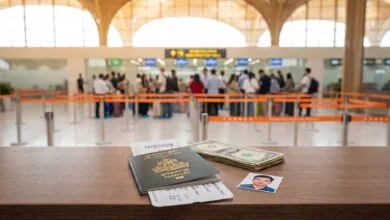
You step out of Phnom Penh airport, tired from a long flight. A man approaches and offers you a taxi for $25. You don’t know it yet, but the official taxi counter inside the terminal charges a flat $12 to anywhere downtown. That’s your first Cambodia scam—and you haven’t even left the airport.
Most travelers who visit Cambodia have a wonderful, safe experience. The country is full of warm, welcoming people. But like any tourist destination, there are people who see visitors as easy targets. Knowing how the most common scams work is the best way to avoid them.
This guide covers the scams foreign travelers actually encounter in Cambodia—especially tuk-tuk rip-offs, airport overcharging, and street crime. More importantly, it gives you simple strategies to protect yourself without becoming paranoid or ruining your trip.
Quick Travel Information
| Information | Details |
|---|---|
| Topic | Scam avoidance and personal safety for foreign travelers |
| Applies To | Travelers using tuk-tuks, taxis, and public transport |
| Main Thing to Know | Negotiate fares before you get in, or use Grab/PassApp |
| Best Defense | Ride-hailing apps and the 117 police hotline |
| Emergency Police | 117 |
| Tourism Police | 016 654 736 |
| Rapid Response for Foreigners | 031 201 2345 / 031 601 2345 |
| Official Source | Cambodia Ministry of Tourism |
Emergency numbers are current as of 2026. Verify before your trip.
The Two Most Important Rules for Avoiding Scams in Cambodia
If you remember nothing else from this article, remember these two rules.
Rule one: Always know the price before you get in the vehicle. This applies to tuk-tuks, taxis, and motos. Traditional tuk-tuks in Cambodia do not have meters. If you don’t agree on a price first, you’re inviting an argument later.
Rule two: Use Grab or PassApp whenever possible. These ride-hailing apps show you the price upfront, track the route, and record the driver’s details. They eliminate the negotiation game entirely and protect you from overcharging. Both apps work well in Phnom Penh and Siem Reap.
These two rules will prevent the vast majority of scams you might encounter.
Tuk-Tuk Scams: How They Work and How to Avoid Them
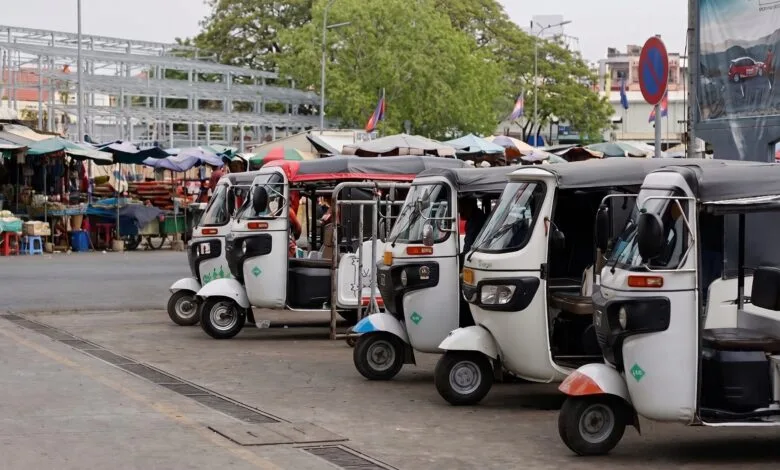
Tuk-tuks are the most common way travelers get around Cambodian cities. They’re convenient, affordable, and part of the experience. But the lack of meters creates opportunities for overcharging.
The No-Meter Problem
A tuk-tuk driver quotes you $8 for a 3-kilometer ride. You don’t know the going rate, so you agree. Later, you realize the normal price is $2–$3.
This is the most common tuk-tuk rip-off. It’s not a “scam” in the criminal sense—it’s just aggressive tourist pricing. Drivers can tell you’re new to Cambodia. They quote high, expecting you to negotiate.
What to do: Research typical fares before you arrive. In Phnom Penh, short city trips run $2–$4. In Siem Reap, short hops should never exceed $3. If a driver quotes double or triple those rates, walk away. Another driver will accept a fair price.
The “My Friend’s Shop” Detour
You hire a tuk-tuk for a day of temple exploring. Your driver suggests stopping at his cousin’s silk workshop or a “special” market. You agree. You end up spending an hour in a shop where prices are inflated, and your driver gets a commission.
This is a soft scam. It’s not dangerous, but it wastes your time and pushes you toward overpriced souvenirs.
What to do: If you want to visit a craft center or market, ask your hotel to recommend a reputable place. Tell your driver you want to go directly to your destination with no stops. If they insist, hire someone else.
Ride-Hailing Apps: Your Best Defense
Grab and PassApp have changed tuk-tuk travel in Cambodia. Both apps show fixed prices, track your route, and record driver information. There’s no negotiation, no “broken meter” excuse, and no argument at the end of the ride.
Grab is the more established app and works well in Phnom Penh and Siem Reap. PassApp is a local alternative that’s also widely used. Both accept cash payment. Download one or both before you arrive.
If you can’t use an app, agree on the price before you get in. Repeat it back to the driver. If there’s a language barrier, use a translation app or write the price on your phone screen.
Airport Taxi and Transfer Scams
Airport arrivals are prime territory for overcharging. Drivers know you’re tired, unfamiliar with local prices, and likely carrying cash.
At Phnom Penh International Airport, unofficial drivers outside the terminal routinely quote $15–$25 for the 10-kilometer ride downtown. The official taxi counter inside the terminal charges a fixed $12 to central Phnom Penh.
What to do: Walk past the drivers who approach you outside. Go into the terminal and find the official taxi counter. In Siem Reap, the airport is closer to town, and a tuk-tuk should cost $7–$10.
Some tuk-tuk drivers at airports also work through cartels that pay for access to arriving passengers. This can drive up prices. Your safest bet is always the official counter or a ride-hailing app.
The Massage Parlor “Switcheroo” Scam
This one is more serious. In 2026, Phnom Penh authorities raided multiple massage parlors where staff were secretly swapping tourists’ genuine US dollar bills for counterfeit $100 notes.
The setup is simple. You leave your wallet in a locker or in your clothes during a massage. Staff access it through a hidden door and replace your real money with fake bills. You don’t discover the switch until later, when you try to spend the counterfeit notes.
One victim reported losing $1,400. Another lost $22,500.
What to do: Keep your wallet, passport, and valuables with you at all times. Don’t leave them in a locker, even if it seems secure. If you must leave something behind, only take what you need for the massage and leave the rest in your hotel safe. If you discover counterfeit money after a massage, call the police hotline 1291 immediately.
Fake Job Offers and “Scam Centers”
This scam doesn’t target tourists directly, but it’s worth knowing about because it affects Cambodia’s overall safety reputation and has involved foreign nationals.
Organized crime groups have lured people from across Asia to Cambodia with fake job offers—promises of high salaries and easy work. Victims arrive and find themselves trapped in “scam centers,” forced to work in online fraud operations under strict control.
The Cambodian government has conducted major crackdowns, deporting over 8,000 foreigners and filing cases against more than 500 ringleaders. Authorities aim to clean up the situation, though the problem is not fully resolved.
What this means for you as a tourist: Be skeptical of any unsolicited job offer that seems too good to be true. Legitimate employers do not recruit through Telegram or social media with promises of $2,000 for two weeks of “hotel work.” If you’re traveling for business, verify the company independently before you go.
Street Crime: Snatch-and-Grab Robberies
Cambodia is generally safe for tourists, but petty theft does happen, especially in Phnom Penh. The most common form is the “snatch-and-grab”—someone on a motorbike grabs your phone or bag as they drive past.
Tuk-tuk passengers are sometimes targeted because the vehicles are open-sided. The U.S. Embassy specifically advises travelers to safeguard their belongings when using tuk-tuks and public transportation.
What to do:
- Keep your phone in your pocket, not in your hand, when walking near traffic or sitting in a tuk-tuk.
- Wear your bag across your body, not on one shoulder.
- Don’t display expensive jewelry, cameras, or large amounts of cash.
- At night, use ride-hailing apps rather than hailing a tuk-tuk on the street.
If someone does grab your belongings, don’t chase them. Your safety is worth more than your phone. Report the incident to the police and your embassy.
Common Mistakes Foreign Travelers Make
Carrying only large US dollar bills. Many small businesses in Cambodia struggle to make change for $50 or $100 bills. Carry smaller denominations—$1s, $5s, and $10s. You’ll get better treatment and avoid awkward situations.
Assuming every price is fixed. In markets and for tuk-tuks, prices are often negotiable. Street food is usually fixed, but transport and souvenirs are not.
Leaving valuables in a locker during a massage. As the switcheroo scam shows, even a locked locker isn’t always safe. Keep your wallet with you.
Not having the emergency numbers saved. Save 117 (police), 016 654 736 (Tourism Police), and your embassy’s number in your phone before you arrive.
Getting into a vehicle without agreeing on the price. This is the number one cause of tuk-tuk arguments. Always confirm the price first.
What to Do If Something Goes Wrong
If you’re overcharged, scammed, or robbed, here’s what to do.
For overcharging: If a driver demands more than the agreed price, stay calm. Pay what you agreed and walk away. Don’t escalate the situation. If you feel unsafe, call the Tourism Police at 016 654 736.
For theft or robbery: Call the police at 117. The Rapid Response Team for Foreigners can be reached at 031 201 2345 or 031 601 2345. Contact your embassy as well. The U.S. Embassy in Phnom Penh issues security alerts and can provide emergency assistance.
For counterfeit money: Call 1291, the hotline used in recent massage scam cases. Keep the counterfeit bills as evidence.
For medical emergencies: Call 119 for an ambulance.
Save these numbers in your phone before you need them.
Frequently Asked Questions
Are tuk-tuks safe in Cambodia?
Yes, generally. Tuk-tuks are a normal and widely used form of transport. The main risks are overcharging and opportunistic theft. Use ride-hailing apps or agree on a price first, and keep your belongings secure.
How much should a tuk-tuk cost in Phnom Penh?
Short trips within the city center typically cost $2–$4. Airport transfers are around $10–$12. Day hires run $20–$40 depending on distance and itinerary.
Should I use Grab or PassApp in Cambodia?
Both work well. Grab is more established internationally. PassApp is locally popular. Having both gives you options. Both show fixed prices and record driver details.
What is the “switcheroo” scam?
It’s a scam where staff at some massage parlors secretly swap tourists’ genuine US dollar bills for counterfeit $100 notes. Keep your wallet with you during massages to avoid it.
Is it safe to walk around Phnom Penh at night?
Stick to well-lit areas and avoid displaying valuables. Use ride-hailing apps rather than walking long distances after dark. Petty theft is the main concern, not violent crime.
What do I do if a tuk-tuk driver overcharges me?
Pay the agreed price if you agreed on one. If the driver demands more, don’t argue. Report the incident to the Tourism Police if you feel it’s necessary.
Do I need travel insurance for Cambodia?
Travel insurance is not mandatory, but it’s highly recommended. Some insurers exclude certain regions of Cambodia from coverage. Check your policy carefully before you travel.
Can I drink the tap water in Cambodia?
No. Stick to bottled water. This is a health precaution, not a scam issue, but it’s worth knowing.
Conclusion
Cambodia is a wonderful country to visit. The vast majority of travelers have safe, enjoyable trips. But knowing how the most common scams work will help you avoid the few people who try to take advantage of tourists.
The two rules that matter most: agree on the price before you get in any vehicle, and use Grab or PassApp whenever you can. Keep your valuables secure, especially in tuk-tuks and massage parlors. Save the emergency numbers in your phone.
You don’t need to be suspicious of everyone you meet. Most Cambodians are honest and welcoming. But a little preparation goes a long way. Know the tricks, trust your instincts, and enjoy your trip.
Travel information can change. Check the latest information with the relevant official source before your trip, especially for emergency numbers, transport prices, and local regulations.