BKK Market Guide: What to Eat, See and Buy at Phnom Penh’s Local Favorite
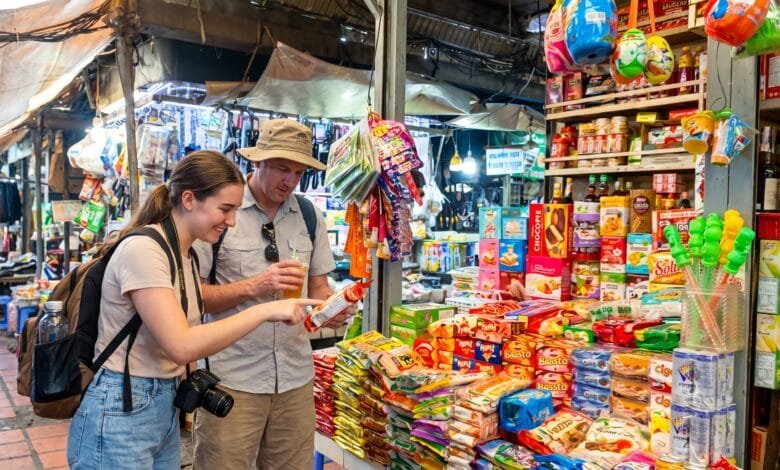
The morning heat begins to build as the market stirs to life. Under a patchwork of makeshift awnings, vendors lay out their goods—fresh produce, glistening cuts of meat, piles of herbs, and stacks of second-hand clothes. The air fills with the sounds of bargaining, the sizzle of cooking, and the rich aroma of street food. This is Boeung Keng Kang Market—known locally as BKK Market—and it is one of Phnom Penh’s most authentic local experiences.
Unlike the more tourist-focused Central Market or Russian Market, BKK Market remains a place where Phnom Penh residents shop for their daily needs. It is a working market, a community hub, and for travelers, a fascinating window into everyday Cambodian life.
This guide covers everything you need to know: what to eat, what to see, what to buy, and how to make the most of your visit.
Quick Facts / At a Glance
| Location | St 392, Phnom Penh, Cambodia |
| Also known as | Street 380 and 392 Market, BKK Market |
| Famous for | Local produce, street food, vintage clothing, expat-local fusion |
| Market type | Traditional local market |
| Opening hours | Fresh market: 5 AM–6 PM; Boutiques/Cafés: 7 AM–10 PM |
| Best time | Early morning (5–9 AM) for the freshest produce and local bustle |
| Recommended visit | 1–2 hours |
| Distance from city center | About 15–20 minutes by tuk-tuk |
| Entrance fee | Free |
Why Visit BKK Market?
BKK Market offers something increasingly rare in Phnom Penh: an authentic local market experience that hasn’t been fully commercialized for tourism. It is the market where locals shop, sometimes twice a day, because many homes lack adequate refrigeration.
The market sits in the heart of the BKK1 district, one of Phnom Penh’s most desirable neighborhoods, known for its embassies, expatriate residences, and upscale cafes. The contrast is striking—high-end real estate surrounds a humble, bustling market that has served the community for decades.
For travelers, BKK Market is a place to:
- Experience a working Cambodian market
- Eat authentic Khmer street food at local prices
- Find vintage clothing and unique souvenirs
- Observe daily life in one of Phnom Penh’s most dynamic districts
As one travel writer put it, this market is “a colourful and authentic microcosm of the spirit of Phnom Penh’s old markets”.
What to See at the Market
BKK Market is not a single, uniform space. It is better understood as a labyrinth of different sections, each with its own character.
The Core Fresh Market (Phsar BKK)
This is the heart of BKK Market. In the early morning hours, from about 5 AM to 9 AM, the market is at its busiest. Here you will find:
- Fresh produce: piles of tropical fruits, vegetables, and herbs
- Meat and poultry: freshly butchered, displayed on wooden tables
- Seafood: fish, prawns, and other catches from Cambodia’s waterways
- Lotus stems, live frogs, and Kampot peppercorns—ingredients that feature in local cooking
- Sauces and spices: fish sauce, prahok (fermented fish paste), and dried herbs
Clothing and Vintage Section
BKK Market is well known for its affordable clothing. Vendors sell:
- Second-hand clothes and shoes from across Asia
- Vintage fashion items
- Local fashion accessories and jewelry
Flower Stalls
Outside the main market building, you can find stalls selling fresh flowers at very reasonable prices—a rose for around $0.50 or a sunflower for about $1.
The Boutique Belt
Radiating from the core market, the surrounding streets (especially Streets 360–398) are lined with upscale boutiques, designer Khmer silk shops, and third-wave cafes.
What to Eat
BKK Market is an excellent place to try authentic Cambodian street food. Prices are affordable, and the food is prepared fresh.
Num Banh Chok (Fish Noodle Soup)
This is one of Cambodia’s most beloved breakfast dishes. At BKK Market, you can find it served by vendors who have been making it for years. Look for the blue-stall grannies—they are known for serving a bowl for around $1.50. The dish consists of rice noodles topped with a fish-based green curry gravy, served with fresh herbs and vegetables.
Kuy Teav (Noodle Soup)
Another breakfast favorite, this noodle soup is typically made with pork or beef broth and served with rice noodles, meat, and fresh greens. It is a comforting, flavorful way to start the day.
Palm Sugar Sticky Rice
For something sweet, look for palm sugar sticky rice wrapped in banana leaves. The combination of sweet palm sugar and chewy rice is simple but satisfying.
Fried Bread with Mung Bean Paste
This popular snack features fried bread filled with a sweet mung bean paste. It is a great option for a quick bite while exploring the market.
Sugar Cane Juice
On Street 398, you can find carts selling fresh sugar cane juice for about $1. It is refreshing and sweet—a perfect way to cool down in Phnom Penh’s heat.
Local Coffee
Cambodian coffee, often served with sweetened condensed milk, is a strong and delicious pick-me-up. Several vendors around the market serve it hot or over ice.
What to Buy
Beyond food, BKK Market is a good place to shop for items that reflect local life and Cambodian craftsmanship.
Fresh Ingredients
If you are staying in accommodation with a kitchen, the fresh produce section is a great place to buy tropical fruits, vegetables, and herbs at local prices.
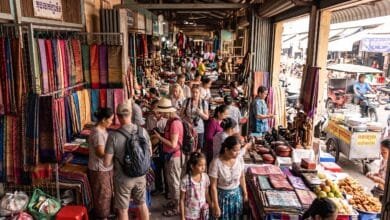
Silk Scarves
Khmer silk scarves (krama) are a classic Cambodian souvenir. At BKK Market, prices are generally more reasonable than at tourist-oriented shops. Expect to pay around $6–10 for a silk scarf.
Vintage Clothing
The second-hand clothing section is popular with both locals and expats. You can find everything from casual wear to unique vintage pieces.
Handmade Accessories
Several stalls and nearby boutiques sell handmade accessories, including recycled accessories from Smateria and embroidered totes from Water Lily.
Kampot Pepper
Cambodia’s Kampot pepper is internationally recognized for its quality. You can find it at the market, often sold in small bags.
The Local Food Story
BKK Market is more than a place to buy ingredients—it is a living connection to Cambodia’s food culture. The market reflects the way many Cambodians still shop: daily, in small quantities, and with a focus on freshness.
The ingredients sold here tell a story of Cambodian cuisine. Prahok (fermented fish paste) is a fundamental flavor in many Khmer dishes. Kampot pepper is prized for its complex aroma. Lotus stems and water lilies are used in salads and soups. Palm sugar is a natural sweetener used in both savory and sweet dishes.
The market also shows how Phnom Penh’s food culture has evolved. Alongside traditional Khmer street food, you can find Vietnamese pho, Korean fried chicken, and French crepes—a reflection of the city’s international character.
How to Experience the Market
To get the most out of your visit, consider this approach:
- Arrive early. The market is at its most vibrant between 5 AM and 9 AM. This is when the freshest produce arrives and locals do their daily shopping.
- Start with the fresh market. Walk through the produce, meat, and seafood sections. Observe the activity, the bargaining, and the organization of the stalls.
- Explore the clothing section. Browse the second-hand and vintage clothing stalls. Even if you are not buying, it is an interesting part of the market experience.
- Eat something. Try a bowl of num banh chok or kuy teav from a street-food stall. Sit on a plastic stool and eat like a local.
- Wander the surrounding streets. The area around the market, especially Streets 360–398, is full of boutiques, cafes, and hidden courtyards.
- Cool down. Stop for a sugar cane juice or a local coffee before heading to your next destination.
Best Time to Visit
Early Morning (5–9 AM)
This is the best time to experience the market at its most authentic. The fresh market is bustling, the food stalls are serving breakfast, and the light is good for photography. It is also cooler than later in the day.
Late Morning (9–11 AM)
The market remains active but is less crowded. This can be a good time to browse the clothing stalls and eat without the early-morning rush.
Evening (5–10 PM)
In the evening, the area transforms. Boutiques and cafes remain open, and the streets take on a relaxed, social atmosphere with fairy lights and chatter. Some street food stalls continue to serve dinner.
Avoid
- The hottest part of the afternoon (12–3 PM), when the market can be quiet and the heat is intense.
- Rainy season (May–October) can bring afternoon downpours—mornings are generally more reliable.
Practical Tips
Cash
Most vendors at BKK Market only accept cash. Bring small denominations of US dollars or Cambodian riel. Having smaller bills makes transactions easier.
Clothing and Footwear
Wear comfortable, modest clothing suitable for a local market. Some paths inside the market can be slippery, so wear sturdy footwear with good grip.
Photography
Ask permission before taking photos of people, especially close-up shots. Many vendors are happy to be photographed if you ask politely.
Bargaining
Bargaining is expected for clothing and souvenirs, but less so for food. Be respectful and keep the negotiation friendly. Remember that prices are already low by international standards.
Food Hygiene
Stick to stalls that are busy—high turnover means fresher food. Look for vendors who handle food with clean utensils and keep ingredients covered.
Hydration
Phnom Penh is hot and humid. Drink plenty of water. Sugar cane juice and fresh coconut water are good local options.
Language
Very minimal English is spoken at the market, but vendors are generally kind and will try to communicate. A few words of Khmer—suosdey (hello) and awkun (thank you)—go a long way.
Accessibility
The market has narrow aisles and uneven surfaces. It is not easily accessible for wheelchairs or those with mobility issues.
How to Get There
From Phnom Penh city center
BKK Market is located in the BKK1 district, about 15–20 minutes from the city center by tuk-tuk.
By Tuk-Tuk
This is the most convenient and fun way to get there. Simply tell the driver “BKK Market” and they will know where to go. Prices from the city center are typically $2–5, depending on your starting point and your bargaining skills.
By Grab or PassApp
These ride-hailing apps are reliable and offer fixed prices. They are a good option if you prefer air conditioning and want to avoid bargaining.
By Foot
If you are staying in the BKK1 area, the market is within walking distance. The streets are relatively safe and tree-lined.
How Long Should You Spend?
Plan to spend 1–2 hours at BKK Market. This gives you enough time to:
- Walk through the fresh market section
- Browse the clothing stalls
- Eat a meal or snack
- Explore the surrounding boutiques and cafes
If you want to fully explore the surrounding BKK1 neighborhood, including its cafes, boutiques, and hidden courtyards, allow for half a day.
Where to Stay
The BKK1 district is one of Phnom Penh’s most popular areas for travelers. It offers a wide range of accommodation, from budget guesthouses to upscale hotels and serviced apartments.
Staying in BKK1 puts you within walking distance of the market and the neighborhood’s many cafes, restaurants, and shops. It is also well-located for visiting other Phnom Penh attractions like the Independence Monument and Tuol Sleng Genocide Museum.
Things to Do Nearby
Independence Monument (800m)
This iconic monument was built in 1958 to commemorate Cambodia’s independence from France in 1953. It is a short walk or tuk-tuk ride from BKK Market.
Tuol Sleng Genocide Museum (1.2km)
Formerly a high school turned prison during the Khmer Rouge regime, this museum is a sobering but important historical site.
Russian Market (Toul Tom Poung)
Phnom Penh’s most famous market for souvenirs, including silk scarves, silver jewelry, and clothing. It is about 10–15 minutes from BKK Market by tuk-tuk.
BKK1 Cafés and Boutiques
The streets surrounding BKK Market are full of excellent cafes, restaurants, and boutiques. Brown Coffee, Backyard Cafe, and various hidden courtyard spots are worth exploring.
Responsible Travel
- Support local vendors. Buying directly from market sellers supports families and local livelihoods.
- Reduce plastic. Bring your own reusable bag and water bottle. Avoid single-use plastics where possible.
- Respect local customs. Dress modestly, ask before taking photos, and be patient and polite.
- Bargain fairly. Negotiate respectfully, remembering that the amounts involved are small but meaningful to vendors.
Frequently Asked Questions
What are BKK Market’s opening hours?
The fresh market operates from approximately 5 AM to 6 PM. Boutiques and cafes in the surrounding area are generally open from 7 AM to 10 PM.
What is the best time to visit BKK Market?
Early morning (5–9 AM) is the best time to experience the market at its busiest and most authentic.
Is there an entrance fee for BKK Market?
No, entry to the market is free.
What food can I try at BKK Market?
Popular options include num banh chok (fish noodle soup), kuy teav (noodle soup), palm sugar sticky rice, fried bread with mung bean paste, and sugar cane juice.
Can tourists buy fresh seafood at BKK Market?
Yes, the fresh market section sells seafood, meat, produce, and other ingredients. It is a good place to buy if you are self-catering.
Is bargaining expected at BKK Market?
Bargaining is expected for clothing and souvenirs, but less so for food. Be respectful and keep negotiations friendly.
How do I get to BKK Market?
Take a tuk-tuk (tell the driver “BKK Market”), use the Grab or PassApp ride-hailing apps, or walk if you are staying in the BKK1 area.
Is BKK Market suitable for children?
Yes, the market is family-friendly. However, the aisles can be narrow and crowded, so keep an eye on young children.
What should I bring to BKK Market?
Bring cash (small denominations), a reusable bag, a water bottle, comfortable shoes, and a camera.
Is BKK Market better than Russian Market?
It depends on what you are looking for. BKK Market is more of a local, everyday market. Russian Market has a wider selection of souvenirs and is more tourist-oriented. Many travelers visit both.
Final Thoughts
BKK Market is not the biggest or the most famous market in Phnom Penh. It is not designed for tourists. But that is precisely what makes it worth visiting. It is a place where you can see how Phnom Penh residents actually shop, eat, and live. It is a market with history, character, and community spirit.
From the early-morning bustle of the fresh produce section to the relaxed evening vibe of the surrounding cafes, BKK Market offers a slice of authentic Phnom Penh life that is increasingly hard to find. If you are planning a trip to Cambodia’s capital, put this market on your itinerary—and come hungry.
Planning a food-focused trip through Phnom Penh? Save this Market Trails guide and add BKK Market to your itinerary.
Have you visited BKK Market? What was your favorite find? Share your experience in the comments below.