Cambodian Fresh Shrimp Spring Rolls
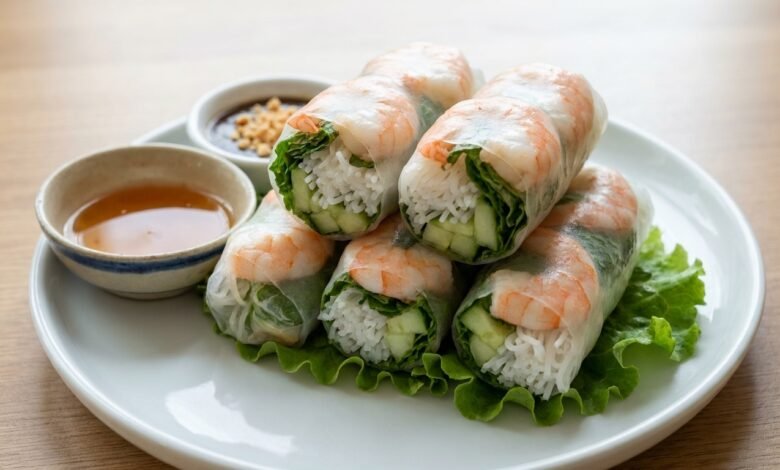
Fresh Cambodian shrimp spring rolls are a light, hands-on dish that lets you taste every ingredient. Soft rice paper wraps cool noodles, crisp lettuce, cucumber, mint, Thai basil, and sweet shrimp into a bundle you eat with your fingers.
The dipping sauce is what brings it all together. You get a choice between a tangy fish sauce dip and a sweet, nutty hoisin sauce. Both come together in minutes while the noodles cook, so the whole plate feels fresh and doable on a weeknight.
What You Need
The filling is flexible, but the texture comes from layering soft and crisp ingredients. Cook the rice noodles or bean thread noodles according to the package directions, then rinse them under cool water so they stop cooking and stay separate.
Use pre-cooked shrimp or chicken to keep the prep quick. If you are cooking raw shrimp yourself, cook them just until they turn pink and opaque, then cool them before rolling. The herbs and lettuce should be washed and dried well, because extra water can make the rice paper tear.
Equipment
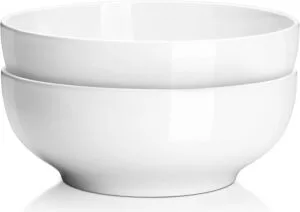
- Large bowl: To soak the rice paper sheets in water until they soften.
- Cutting board: To slice the cucumber, shrimp, and herbs safely.
- Chef’s knife: To cut the cucumber into thin strips and slice the cooked shrimp.
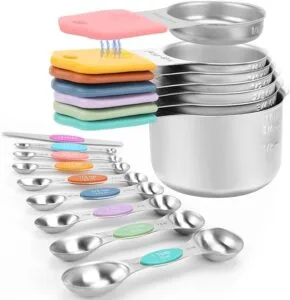
- Measuring cups and spoons: To measure the sugar, water, vinegar, fish sauce, and hoisin sauce for the dipping sauces.
- Small bowl: To mix the fish sauce dip or the hoisin dip.
- Serving plate: To hold the finished rolls without crowding them.
How to Make Cambodian Fresh Shrimp Spring Rolls
Step 1: Prepare the Noodles and Fillings
Cook the rice noodles or bean thread noodles according to the package directions. Drain them, rinse with cool water, and set aside. Wash the lettuce, Thai basil, and mint, then pat them dry. Cut the cucumber into thin strips. If your shrimp or chicken is not already cooked, cook it now and let it cool slightly before slicing.
Step 2: Soak the Rice Paper
Pour water into a large bowl. Dip one sheet of rice paper into the water for a few seconds, then lift it out and lay it flat on a clean cutting board or plate. Wait a moment for the sheet to become soft and pliable. Do not leave it in the water too long, or it will become too fragile to roll.
Step 3: Layer the Fillings and Roll
Place a small piece of lettuce on the lower third of the softened rice paper. Add a small handful of noodles on top of the lettuce. Lay two thin strips of cucumber over the noodles, then add a few Thai basil and mint leaves. Finally, place two pieces of shrimp or chicken on top.
Fold the bottom edge of the rice paper up over the filling. Fold in the left and right sides, then roll forward gently until the seam closes. Set the finished roll on a serving plate and cover it with a slightly damp paper towel while you roll the rest.
Step 4: Make the Dipping Sauce
You can serve either sauce or both. For the fish sauce dip, stir together ¼ cup sugar, ½ cup water, ¼ cup vinegar or lime juice, ¼ cup fish sauce, 2 minced Thai chilies, and 2 minced garlic cloves in a small bowl. Taste and adjust the sweetness, saltiness, or heat. For the hoisin dip, mix 2 teaspoons hoisin sauce, 2 teaspoons water, 1 teaspoon soy sauce, 1 teaspoon sugar, 1 teaspoon lime juice, 1 teaspoon chili garlic paste, and 1 teaspoon sriracha or hot sauce. Top either sauce with crushed peanuts just before serving.
Cooking Tips
Prepare all the fillings before you soak the first rice paper sheet. Once the sheet is soft, it dries quickly, so having everything within reach makes rolling much easier.
Keep the water bowl wide enough to lay a whole sheet flat. If the water is too shallow, the edges will stay hard and crack when you fold them.
Do not overfill the rolls. A small amount of each filling keeps the roll tight and easy to eat. If the rice paper tears while rolling, you can often patch it with a small piece of soaked rice paper.
How to Serve
Serve the rolls right away, while the rice paper is still soft and the herbs are fresh. Set the dipping sauce in the middle of the table so each person can dip as they like. For a fuller meal, pair the rolls with grilled chicken or a simple cucumber salad.
Recipe Notes
The recipe gives you two dipping sauce options. The fish sauce dip is sharper and more savory, while the hoisin dip is sweeter and nuttier. You can make both and let people choose. Crushed peanuts are a garnish, so add them at the end to keep them crunchy.
Frequently Asked Questions
Can I make these spring rolls ahead of time?
These rolls are best assembled and eaten fresh. The rice paper softens over time and can become sticky or tear. You can prepare the fillings and sauces a few hours ahead and keep them covered in the refrigerator, then roll just before serving.
Can I use tofu instead of shrimp?
Yes, you can use firm tofu for a meatless version. Cut it into thin strips and pan-fry or bake it until lightly golden before rolling. The rest of the filling and the dipping sauces stay the same.
How do I keep the rice paper from sticking together?
Lay each finished roll on a plate without letting them touch. If you need to stack them, place a piece of parchment paper or a damp paper towel between the layers. Do not refrigerate the finished rolls for long, because cold rice paper becomes stiff.
Final Thoughts
Cambodian fresh shrimp spring rolls are a good reminder that a dish does not need a long cooking time to feel special. The mix of cool noodles, crisp vegetables, fragrant herbs, and sweet shrimp is light but satisfying, and the dipping sauce lets you adjust every bite. Once the fillings are ready, rolling becomes a quick, almost meditative job, and the plate looks bright and generous on the table.
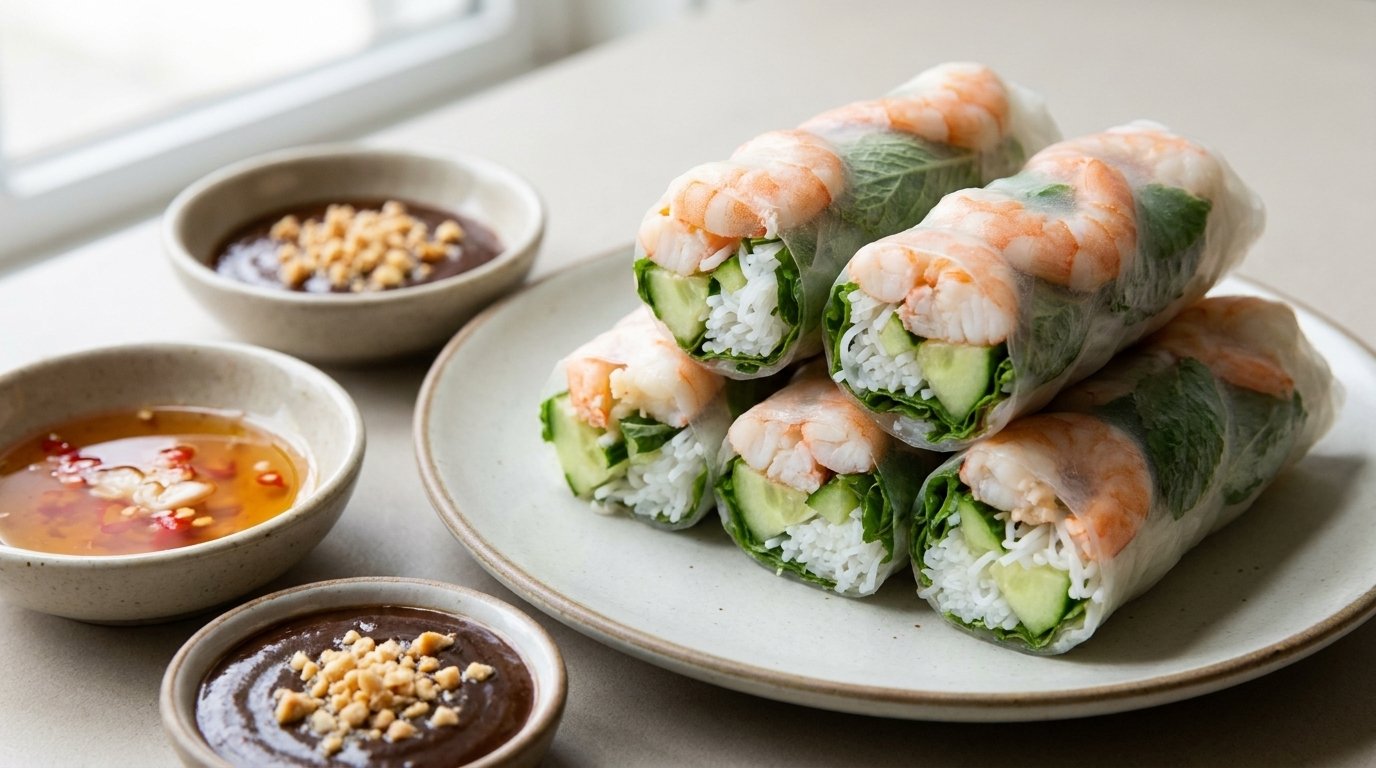
Cambodian Fresh Shrimp Spring Rolls
4
servings20
minutes10
minutes333
kcal30
minutesA light, hands-on Cambodian appetizer. Soft rice paper wraps cool noodles, crisp vegetables, fresh herbs, and cooked shrimp. Two dipping sauces come together quickly: a savory fish sauce dip and a sweet, nutty hoisin sauce topped with crushed peanuts.
Ingredients
- For the rolls:
Rice paper
Green leaf lettuce
Cooked shrimp or cooked chicken
Thai basil
Mint
Rice noodles or bean thread noodles, cooked according to the package directions
Cucumber
- For the fish sauce dip:
¼ cup sugar
½ cup water, or more to taste
¼ cup vinegar or lime juice
¼ cup fish sauce (if you do not like fish sauce, use soy sauce and adjust to taste)
2 Thai chilies, minced
2 cloves garlic, minced
Crushed peanuts, for garnish
- For the hoisin dip:
2 teaspoons hoisin sauce
2 teaspoons water, to thin the sauce
1 teaspoon soy sauce
1 teaspoon sugar
1 teaspoon lime juice
1 teaspoon chili garlic paste
1 teaspoon sriracha sauce or hot sauce
Crushed peanuts, for garnish
Directions
- Cook the rice noodles or bean thread noodles according to the package directions. Drain, rinse with cool water, and set aside. Wash and dry the lettuce, Thai basil, and mint. Cut the cucumber into thin strips.
- If your shrimp or chicken is not already cooked, cook it now and let it cool slightly before slicing.
- Pour water into a large bowl. Dip one sheet of rice paper into the water for a few seconds, then lay it flat on a clean cutting board or plate. Wait for the sheet to soften.
- Place a small piece of lettuce on the lower third of the rice paper. Add a small amount of noodles, two strips of cucumber, a few basil and mint leaves, and two pieces of shrimp or chicken.
- Fold the bottom edge of the rice paper over the filling. Fold in the sides, then roll forward gently until the seam closes. Set the roll aside and repeat with the remaining ingredients.
- For the fish sauce dip, stir together the sugar, water, vinegar or lime juice, fish sauce, minced chilies, and minced garlic. Taste and adjust.
- For the hoisin dip, mix the hoisin sauce, water, soy sauce, sugar, lime juice, chili garlic paste, and sriracha. Top either sauce with crushed peanuts before serving.
Equipment
 Chef’s KnifeCheck product details
 Cutting boardCheck product details
 Dinner PlatesCheck product details
 Large bowlCheck product details
 Measuring Spoons & CupsCheck product details
 Small bowlCheck product details


Recipe Video
Recipe Notes
- The recipe provides two dipping sauce options. Serve the rolls immediately for the best texture. Crushed peanuts should be added just before serving so they stay crisp.
Nutrition Facts
- Serving Size: 2 g
- Total number of serves: 4
- Calories: 238kcal
- Fat: 6.9g
- Saturated Fat: 1.7g
- Cholesterol: 64mg
- Sodium: 1356mg
- Potassium: 378mg
- Carbohydrates: 20.6g
- Net Carbs: 19.7g
- Fiber: 0.9g
- Sugar: 16.1g
- Protein: 23.6g
- Vitamin A: 21mcg
- Vitamin C: 39.7mg
- Calcium: 38mg
- Iron: 2mg
- Vitamin E: 0.2mg
- Vitamin K: 12.2mcg
- Thiamin: 0.1mg
- Riboflavin: 0.2mg
- Niacin: 7.9mg
- Vitamin B6: 0.6mg
- Vitamin B12: 0.3mcg
- Folate: 28.2mcg
- Pantothenic Acid: 1mg
- Phosphorus: 194mg
- Magnesium: 58mg
- Zinc: 2mg
- Selenium: 23.3mcg
- Copper: 0.1mg
- Manganese: 0.3mg
Did you make this recipe?
Tag @cambodiarecipe on Instagram and hashtag it
Like this recipe?
Follow us @cambodiarecipe on Pinterest
Did you make this recipe?
Follow us on Facebook