A Day Exploring Kampot’s Pepper Farms: From Vine to Table
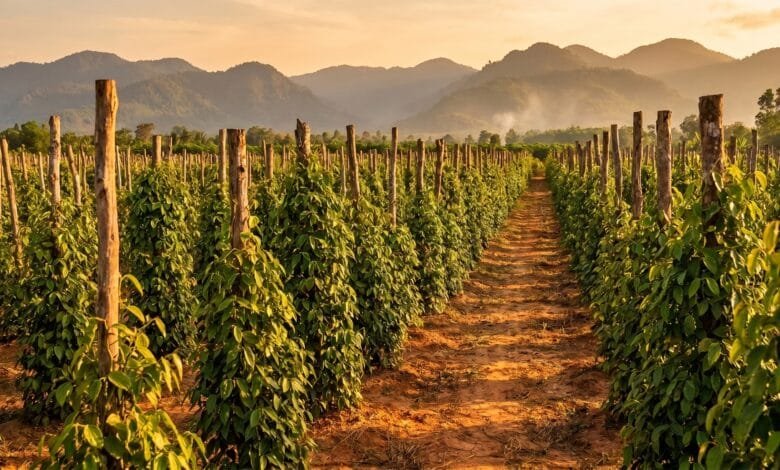
Kampot pepper is one of the most famous spices in the world. Chefs prize it for its unique flavor and aroma. It has Protected Geographical Indication status, like Champagne in France or Parmigiano-Reggiano in Italy. But Kampot pepper is more than just a spice. It is a story about land, climate, tradition, and the people who grow it.
For travelers, visiting a Kampot pepper farm is a chance to understand Cambodian food culture from the ground up. You can see how pepper is grown, taste different varieties straight from the vine, and then enjoy dishes made with the very pepper you just learned about.
This article explains what a pepper farm visit is like, what you can learn, and how to include it in your Cambodia trip.
Quick Facts / At a Glance
| Detail | Information |
|---|---|
| Location | Kampot Province, southwestern Cambodia |
| Province | Kampot |
| Experience Type | Farm tour, self-guided or guided, food tasting |
| Best Time | November to April (dry season); pepper harvest is February to April |
| Typical Duration | 1 to 2 hours for a farm tour |
| Main Food | Kampot pepper (black, white, red, green), pepper-infused dishes |
| Main Activities | Farm tour, pepper tasting, cooking class, farm restaurant |
| Travel Style | Slow travel, cultural travel, food travel |
Why This Food Experience Is Worth Having
Kampot pepper has been cultivated here for over a thousand years. The French helped make it world-famous. Then the Khmer Rouge halted production. Today, local farmers have revived the industry.
When you visit a pepper farm, you are not just seeing how a spice is made. You are seeing how a community rebuilt itself. You are tasting a product that is deeply connected to this place — the soil, the climate, and the knowledge passed down through generations.
The experience is also a sensory adventure. The farms are beautiful. Rows of green pepper vines climb wooden stakes against a backdrop of mountains. The air smells fresh and green. And the pepper itself — tasted straight from the vine — is nothing like the dried pepper you buy in a supermarket.
What the Experience Is Like
A pepper farm visit often feels more like a winery tour than a farm visit. The estates are well-maintained. The grounds are spacious and pleasant to walk through.
Most farms offer guided tours. A guide will walk you through the plantation and explain how pepper is grown, harvested, dried, and processed.
You will learn that pepper vines are planted on sloped land with good drainage. They are supported by wooden stakes. For the first three years, the vines are shaded from the sun. Farmers use natural fertilizers and avoid chemicals.
From June to December, farmers work the soil to ensure water reaches the roots. Then, between February and April, the peppercorns are handpicked. After picking, the peppercorns dry naturally under the sun for three days.
After the tour, you will head to the tasting room. This is where the experience becomes truly memorable. You will taste different pepper varieties — black, white, red, and green — and discover that each has its own distinct flavor. Some are hot and spicy. Others are fruity and aromatic.
It is a surprising experience. Most people have never tasted plain pepper before. But once you do, you will never look at pepper the same way again.
The Food Behind the Experience
Kampot pepper comes in four main varieties:
- Green pepper is fresh, sharp, and floral. It is used in stir-fries with crab and prawns. It is best eaten within hours of picking.
- Black pepper is sun-dried green pepper. It has a complex, fruity heat. It is the most versatile variety and is used in steaks, soups, and marinades.
- Red pepper comes from fully ripe berries. It is sweet, fruity, and has mild heat. It is rare and expensive, often used in desserts and premium dishes.
- White pepper is also produced and is another variety you may taste during a farm visit.
The flavor of Kampot pepper comes from the region’s unique soil and climate. The combination of minerals in the soil, the coastal air, and the experience of local farmers creates a pepper that is sought after by chefs around the world.
Ingredients and Local Production
Kampot pepper is grown on small farms across the province. Many farms are family-run. The production process is labor-intensive.
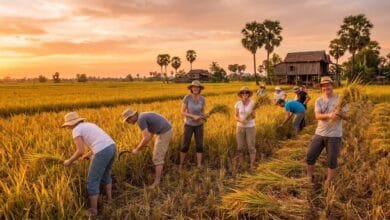
Farmers plant the vines on sloped land. They build wooden stakes for the vines to climb. They water and care for the plants throughout the year. During the harvest season, from February to April, workers handpick each peppercorn. This is slow, careful work.
After harvest, the peppercorns are sorted by hand. They are dried in the sun for three days. Then they are graded and packed.
Some farms, like La Plantation, also support local communities through education programs and job creation. When you buy Kampot pepper, you are supporting this work.
The People Behind the Food
The people who grow Kampot pepper are farmers who have learned their craft from previous generations. Many families have been growing pepper for decades.
After the Khmer Rouge period, local farmers worked hard to revive the pepper industry. Today, farms like La Plantation employ local staff and provide stable jobs. The farms also support children’s education and donate to schools.
When you visit a pepper farm, you are meeting people who are proud of their work. They are happy to share their knowledge with visitors. They want you to understand what makes Kampot pepper special.
What Travelers Can Eat
After visiting a pepper farm, you can enjoy dishes made with Kampot pepper at local restaurants. Some farms have their own restaurants where you can eat pepper-infused food.
Must-try dishes include:
- Kdam Chaa (Pepper Crab) — Whole crab stir-fried with fresh green peppercorns, garlic, and fish sauce. This is Kampot’s signature dish.
- Pepper Steak — Premium beef crusted with cracked black Kampot pepper.
- Green Pepper Prawns — River prawns tossed with fresh green peppercorns and holy basil.
- Fish Amok — Cambodia’s national dish, made with fresh fish, coconut milk, and spices, often with Kampot pepper.
- Pepper Ice Cream — Yes, it exists. Several cafés serve black pepper ice cream or pepper chocolate.
You can also buy pepper directly from the farms. Prices are often 30 to 50 percent lower than at tourist shops.
What Travelers Can Learn
A pepper farm visit teaches you many things about Cambodia:
- Agriculture — You will see how a major crop is grown using traditional methods.
- History — You will learn how the pepper industry was destroyed and rebuilt.
- Community — You will see how farms create jobs and support local people.
- Food culture — You will understand why Kampot pepper is so highly valued.
- Taste — You will discover that pepper is not just about heat. It has flavor, aroma, and character.
How to Experience It
Visiting a Kampot pepper farm is straightforward.
Where to go:
La Plantation is one of the most popular farms. It is located at Bosjheng village, Kampot. It is open daily from 9:00 AM to 5:00 PM.
Other farms include Bo Tree Pepper Farm, a small family-run place.
What to expect:
Most farms offer free guided tours. The tour takes about one hour. You will walk through the plantation, learn about pepper production, and do a tasting.
Do you need a guide?
A guide is useful because they can explain the cultivation process in detail. Most guides speak good English.
Do you need to book in advance?
For most farms, you can just turn up. But it is a good idea to check ahead, especially during peak season.
Best Time to Go
The best time to visit Kampot for a pepper farm experience is during the dry season, from November to April.
The pepper harvest is from February to April. This is the best time to visit because you can see the peppercorns being picked and taste the freshest green pepper.
The weather is cooler and drier from November to February. April and May are still dry but very hot. The rainy season, from June to October, brings lush greenery and fewer tourists. However, paths can be muddy.
How Long to Spend
A pepper farm visit typically takes 1 to 2 hours. If you want to have lunch at the farm restaurant, allow 2 to 3 hours total.
You can easily combine a pepper farm visit with other activities, such as visiting the salt fields, exploring Bokor Mountain, or dining at the Kep Crab Market.
How to Get There
Kampot is about 150 kilometers southwest of Phnom Penh. The drive takes about 3 hours by car or bus.
Once you are in Kampot, you can reach the pepper farms by:
- Tuk-tuk — The most common option. Your driver can wait while you tour the farm.
- Motorbike — You can rent a motorbike and explore the countryside at your own pace.
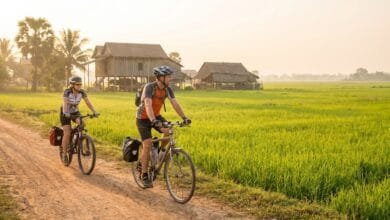
- Bicycle — Some travelers enjoy cycling through the countryside to reach the farms.
- Organized tour — Many tour operators offer day trips that include pepper farm visits.
What to Bring
- Sunblock and a hat — Shade is limited in the pepper fields.
- Comfortable shoes — You will be walking on dirt paths.
- Water — Stay hydrated, especially during the hot season.
- Camera — The views are beautiful.
- Cash — For buying pepper and paying for transportation.
- Insect protection — Useful in the countryside.
Practical Tips
- Arrive early — Morning light is best for photography, and the farm is less crowded.
- Ask questions — The guides are knowledgeable and happy to explain.
- Try everything — Taste all the pepper varieties. You will be surprised by the differences.
- Buy direct — Pepper is cheaper at the farm than in tourist shops.
- Combine with other activities — A pepper farm visit works well with a trip to the salt fields or Kep’s Crab Market.
Responsible Travel
- Ask before taking photos — Especially of local people.
- Support local farms — Buy pepper directly from the farm.
- Avoid waste — Bring a reusable water bottle.
- Respect the land — Stay on the paths and do not damage the plants.
- Be mindful of your belongings — Keep your valuables secure.
- Tread carefully in rainy weather — Paths can be slippery.
Things to Do Nearby
- Kep Crab Market — About 30 minutes away. Choose live crabs and have them cooked with Kampot pepper.
- Salt Fields — Vast shimmering fields where locals harvest sea salt.
- Bokor National Park — An abandoned French hill station with dramatic views.
- Kampot Night Market — Lantern-lit stalls with grilled seafood and pepper products.
- Kampot River — Kayaking and paddleboarding on the river.
Where to Stay
Kampot has a wide range of accommodation options, from guesthouses to boutique hotels and riverside bungalows. Many visitors choose to stay near the river, where they can enjoy sunset views and easy access to restaurants.
Frequently Asked Questions
1. Is Kampot pepper really that special?
Yes. Kampot pepper has Protected Geographical Indication status, which recognizes its unique quality. The flavor comes from the region’s special soil and climate
2. Are pepper farm tours free?
Many farms, including La Plantation, offer free guided tours. You can also do a self-guided visit
3. How long does a pepper farm tour take?
The tour typically takes about one hour. Including tasting and shopping, allow one to two hours.
4. What is the best time to visit a pepper farm?
The best time is during the dry season, from November to April. If you want to see the harvest, visit between February and April
5. Can I buy pepper at the farm?
6. Do I need to book a pepper farm tour in advance?
For most farms, you can just arrive. However, it is a good idea to check ahead, especially during peak season.
7. Is Kampot pepper used in Cambodian cooking?
Yes. Kampot pepper is used in many Cambodian dishes, including pepper crab, fish amok, lok lak, and pepper steak.
8. How do I get from Phnom Penh to Kampot?
The drive takes about 3 hours by car or bus. Buses are available from Phnom Penh to Kampot.
Final Thoughts
Kampot pepper is more than a spice. It is a taste of Cambodia’s land, history, and people. Visiting a pepper farm lets you see where this famous ingredient comes from and understand why it is so special.
You will walk through green fields. You will learn from farmers who have revived an industry. You will taste pepper in ways you never imagined. And then you will sit down to a meal that connects everything you have learned.
Food becomes place. Place becomes people. People become tradition. And tradition becomes an experience you carry with you.
When you visit Kampot, make time for the pepper farms. It is one of the best food experiences in Cambodia — and it will change the way you think about pepper forever.