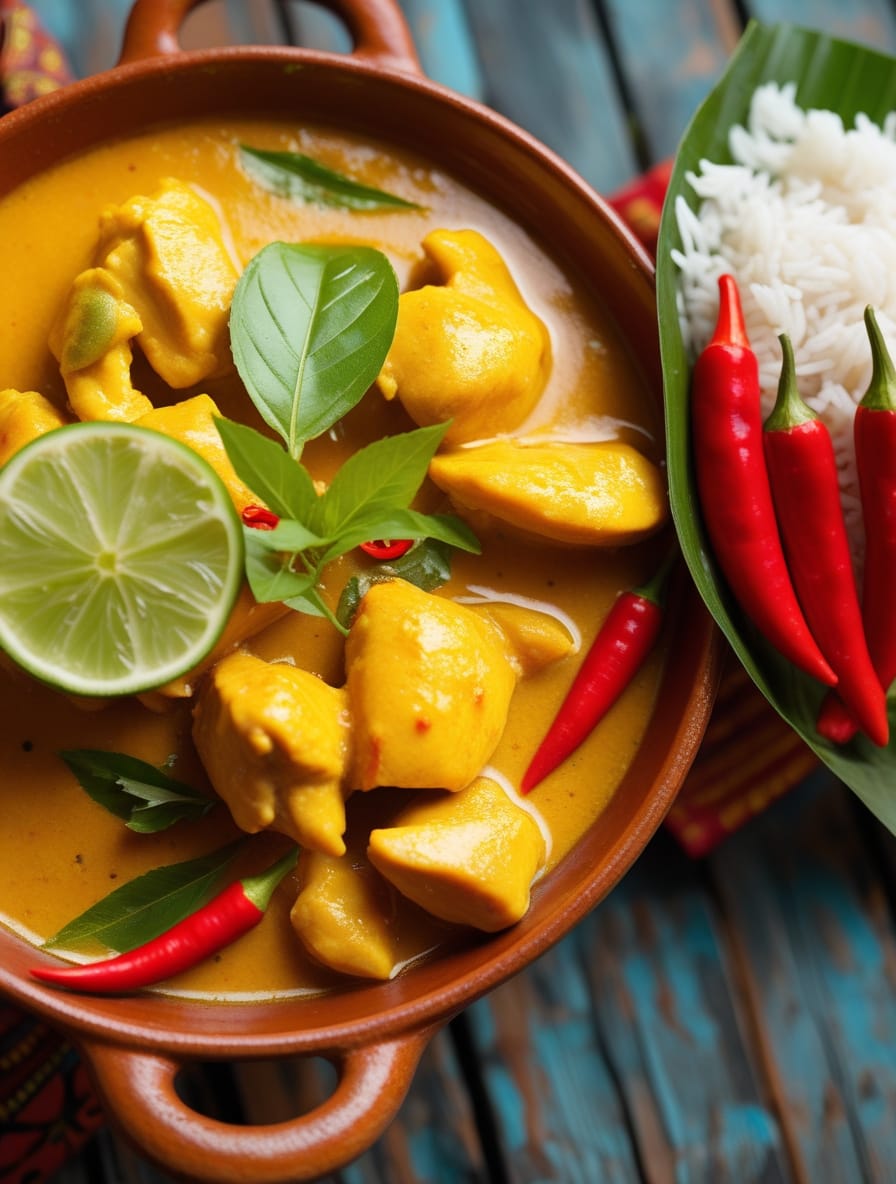
Chicken Curry in Coconut Milk
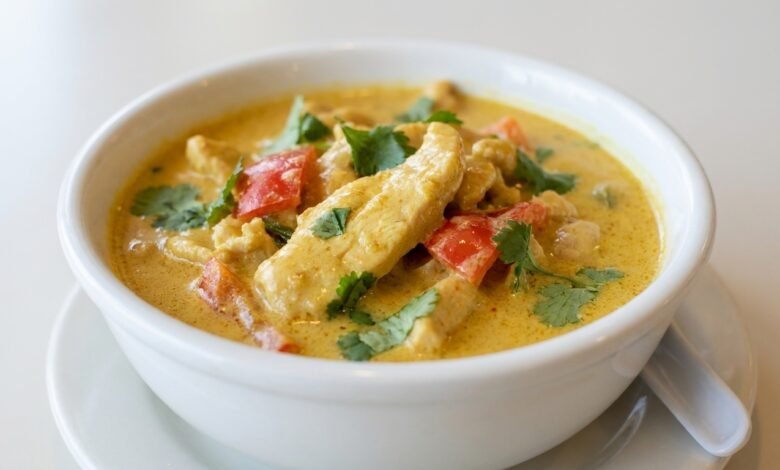
This chicken curry in coconut milk is a simple, weeknight-friendly skillet dish. It uses everyday ingredients and comes together in about twenty minutes, from the first stir of curry paste to the final sprinkle of fresh cilantro.
The sauce is light but creamy, built from light coconut milk, a little fish sauce, and bright lemon. It is mild enough for a beginner’s palate, yet fragrant enough to feel like a real curry dinner. Serve it with rice or bread to soak up every drop.
What You Need
The ingredient list for this curry is short and mostly pantry-friendly. Chicken breast strips cook quickly and stay tender in the gentle coconut sauce. A red bell pepper and an onion add color and a little sweetness.
The flavor comes from three quiet helpers: curry paste, fish sauce, and fresh lemon. The paste does the aromatic work, the fish sauce brings salt and depth, and the lemon zest and juice keep the sauce from tasting flat. A handful of cilantro at the end wakes everything up.
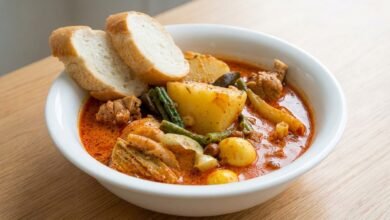
If you enjoy building a Cambodian-style curry from scratch, you might also like our Khmer red chicken curry, which uses a traditional kroeung paste and bone-in chicken for a deeper, slower-cooked sauce.
Equipment
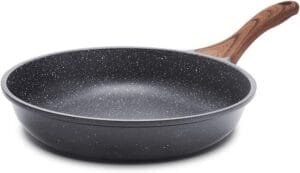
- Large skillet: To heat the oil, bloom the curry paste, and cook the chicken and sauce in one even layer.
- Chef’s knife: To cut the chicken breast into strips and chop the onion and bell pepper.
- Cutting board: To give you a steady, safe surface for preparing the chicken and vegetables.
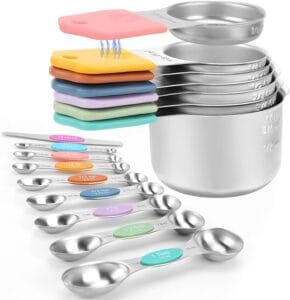
- Measuring spoons: To measure the curry paste, oil, fish sauce, and lemon juice.
- Measuring cup: To measure the light coconut milk.
- Citrus zester or fine grater: To remove the lemon zest without cutting into the bitter white pith.
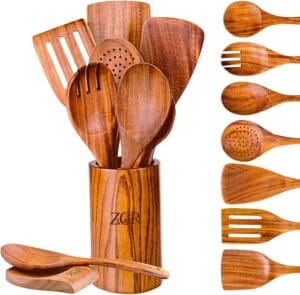
- Wooden spoon or spatula: To stir the curry paste into the oil and keep the chicken and vegetables moving as they cook.
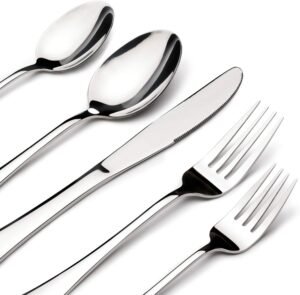
- Serving spoon: To transfer the finished curry and sauce onto plates or into bowls.
How to Make Chicken Curry in Coconut Milk
Step 1: Bloom the Curry Paste
Heat 1 tablespoon of vegetable oil in a large skillet over high heat. Add 1 teaspoon of curry paste and stir it into the hot oil for about 30 seconds, until it smells fragrant. Keep the paste moving so it flavors the oil without burning.
Step 2: Cook the Chicken
Add the 2 pounds of chicken breast strips to the skillet. Cook for about 3 minutes, stirring occasionally, until the outside of the chicken is no longer pink. The chicken does not need to be cooked through at this stage; it will finish cooking in the sauce.
Step 3: Build the Sauce and Simmer
Stir in the chopped onion, sliced red bell pepper, 1 tablespoon of grated lemon zest, 1 cup of light coconut milk, 1 tablespoon of fish sauce, and 1 tablespoon of fresh lemon juice. Bring the liquid to a boil, then lower the heat slightly and cook for 5 to 7 minutes, until the chicken is cooked through. Stir once or twice so the sauce cooks evenly.
For chicken food safety, the Centers for Disease Control and Prevention recommends cooking poultry to an internal temperature of 165°F (74°C). If you have an instant-read thermometer, use it to check the thickest piece of chicken before you take the skillet off the heat.
Step 4: Finish with Cilantro
Sprinkle ⅓ cup of chopped fresh cilantro over the curry. Stir it through, then turn off the heat. Taste the sauce and adjust with a little extra fish sauce or lemon juice if it needs more salt or brightness.
Cooking Tips
Keep the heat high when you bloom the paste. The 30 seconds of contact with hot oil is what releases the curry’s aroma. If the paste starts to stick or darken too quickly, slide the skillet off the heat for a moment.
Do not overcook the chicken breast. Chicken breast turns dry when it sits on the heat too long. Start checking the thickest strip at the 5-minute mark. As soon as it reaches 165°F, the curry is ready.
Use fresh lemon, not bottled juice, if you can. The zest carries most of the citrus oil, and bottled juice alone will not give the sauce the same clean, bright finish.
How to Serve
Spoon the curry and sauce over steamed jasmine rice. The rice soaks up the coconut sauce and balances the gentle saltiness from the fish sauce.
You can also serve it with warm crusty bread or a baguette, which is a common pairing for Cambodian coconut curries. If you want to explore more dishes in this style, browse our full collection of Cambodian curry recipes.
A simple cucumber or tomato salad on the side adds a cool, fresh contrast.
Frequently Asked Questions
Can I make this curry ahead of time?
Yes. The curry can be cooled and stored in an airtight container in the refrigerator for up to 3 days. Reheat it gently on the stovetop over low heat, adding a splash of water or coconut milk if the sauce has thickened too much.
Is this recipe gluten free or dairy free?
The core ingredients — chicken, coconut milk, fish sauce, lemon, and fresh vegetables — are naturally dairy free. However, curry paste is a packaged product, and its ingredients vary by brand. Check the label on your curry paste to confirm whether it is gluten free and dairy free before relying on those labels for this dish.
What can I use instead of light coconut milk?
Full-fat coconut milk will work in the same amount. The sauce will be richer and slightly thicker. If you use full-fat coconut milk, you may want to taste the sauce before serving and add a little more lemon juice to keep the balance bright.
Can I add vegetables to the curry?
Yes. Thinly sliced zucchini, snap peas, or spinach can be added in the last 3 to 4 minutes of cooking, so they soften without turning mushy. Keep in mind that adding extra vegetables will increase the total volume of the dish.
Final Thoughts
This chicken curry in coconut milk is the kind of dinner that feels generous without asking much of the cook. The sauce is light, the chicken stays tender, and the lemon and cilantro keep each bite fresh. Serve it over rice, tear off a piece of bread, and let the bowl do the rest.
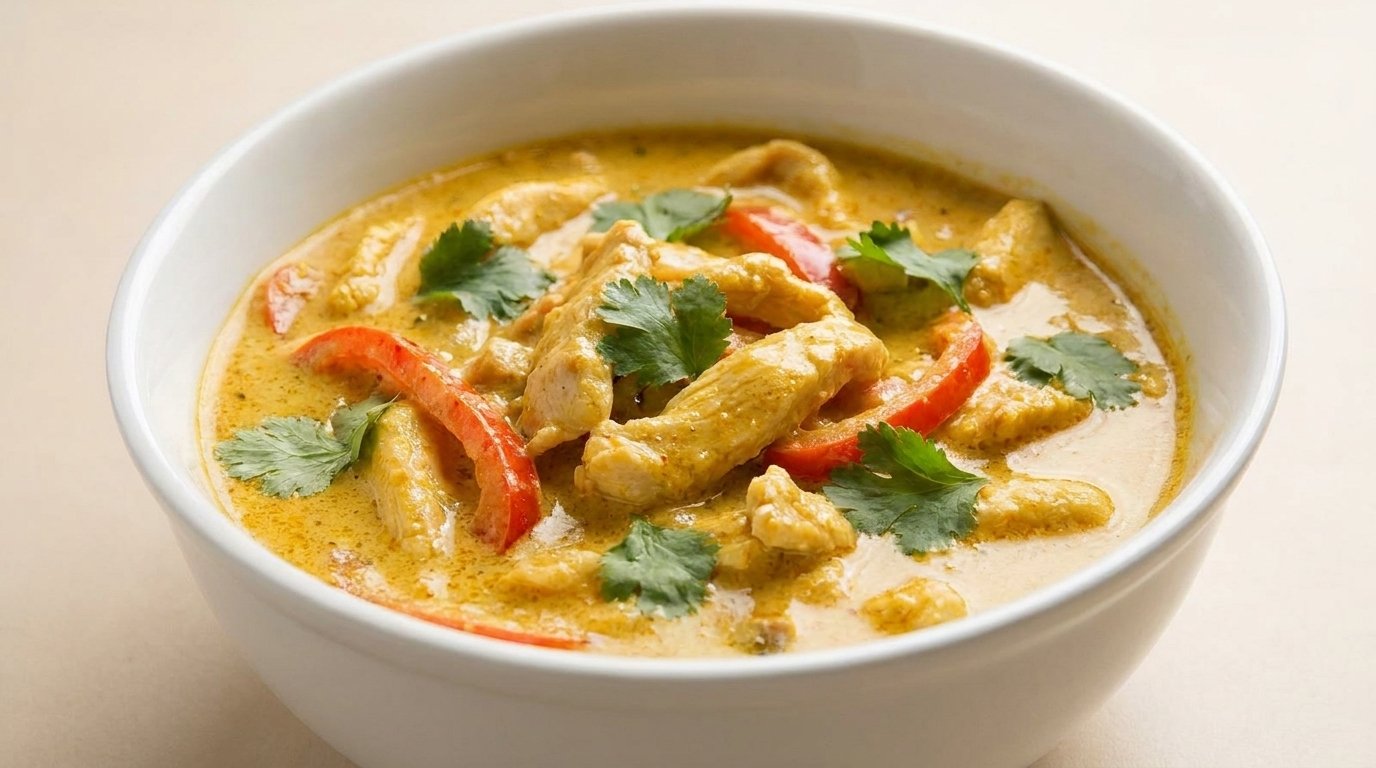
Chicken Curry in Coconut Milk
4
servings10
minutes12
minutes352
kcal22
minutesTender chicken breast strips simmered in a light coconut sauce with curry paste, fish sauce, and bright lemon. A simple weeknight curry that comes together in one skillet.
Ingredients
1 tbsp vegetable oil
1 tsp curry paste
2 lb (900 g) skinless, boneless chicken breast, cut into strips
1 onion, coarsely chopped
1 red bell pepper, cut into strips
1 tbsp grated lemon zest
1 cup light coconut milk
1 tbsp fish sauce
1 tbsp fresh lemon juice
⅓ cup chopped fresh cilantro
Directions
- Heat the oil in a large skillet over high heat. Add the curry paste and stir for about 30 seconds, until fragrant.
- Add the chicken strips and cook for about 3 minutes, stirring occasionally, until the outside is no longer pink.
- Stir in the onion, bell pepper, lemon zest, coconut milk, fish sauce, and lemon juice. Bring to a boil, then cook for 5 to 7 minutes, until the chicken is cooked through.
- Sprinkle the chopped cilantro over the curry, stir, and turn off the heat.
Equipment
 Chef’s KnifeCheck product details
 Cutting boardCheck product details
 GraterCheck product details
 Measuring Spoons & CupsCheck product details
 SkilletCheck product details
 SpatulaCheck product details
 Spoon and Folk SetCheck product details
- Wooden SpoonCheck product details


Recipe Notes
- Chicken breast is lean and cooks quickly. Check the thickest piece for an internal temperature of 165°F (74°C) to prevent overcooking.
Nutrition Facts
- Serving Size: 4 g
- Total number of serves: 4
- Calories: 352kcal
- Fat: 12.8g
- Saturated Fat: 5.2g
- Cholesterol: 144mg
- Sodium: 659mg
- Potassium: 962mg
- Carbohydrates: 6.9g
- Net Carbs: 5.5g
- Fiber: 1.4g
- Sugar: 2.8g
- Protein: 48.7g
- Vitamin A: 64.4mcg
- Vitamin C: 46.7mg
- Calcium: 26mg
- Iron: 1mg
- Vitamin D: 0.2mcg
- Vitamin E: 1.2mg
- Vitamin K: 12.4mcg
- Thiamin: 0.2mg
- Riboflavin: 0.3mg
- Niacin: 23.9mg
- Vitamin B6: 1.8mg
- Vitamin B12: 0.5mcg
- Folate: 32mcg
- Pantothenic Acid: 3.4mg
- Phosphorus: 490mg
- Magnesium: 73mg
- Zinc: 1mg
- Selenium: 72.6mcg
- Copper: 0.1mg
- Manganese: 0.1mg
Did you make this recipe?
Tag @cambodiarecipe on Instagram and hashtag it
Like this recipe?
Follow us @cambodiarecipe on Pinterest
Did you make this recipe?
Follow us on Facebook