Cambodian Homemade Salty Eggs Recipe

Salty eggs are a quiet staple in many Cambodian kitchens. You brine fresh eggs in salt water, wait a few weeks, then boil them until the white turns firm and the yolk becomes rich and deeply savory. They are simple to make, but the result feels special — a salty, umami-packed egg that turns plain rice or congee into a satisfying meal.
This version uses just eggs, water, and salt. The waiting time does most of the work. Once the eggs are ready, you can keep them in the refrigerator and boil one whenever you want a quick breakfast, a snack, or a side dish for a larger Khmer meal. If you are new to Cambodian food, this is an easy first project that shows how Cambodian cuisine often builds big flavor from very few ingredients.
What You Need
The ingredient list is short: fresh eggs, salt, and water. Use eggs with clean, uncracked shells. Duck eggs are traditional and give a richer yolk, but chicken eggs work well too. A clean glass jar with a lid is essential, and you will also need a pot to boil the brine and later to cook the eggs.
Equipment
- Large pot: To boil the water and salt until the salt dissolves completely.
- Large clean jar with lid: To hold the eggs and cooled salt water during the 4 to 5 week brining period.
- Measuring cup: To measure the water accurately.
- Measuring spoons or dry measuring cup: To measure the salt.
- Long-handled spoon: To stir the salt into the hot water.
- Slotted spoon or tongs: To lower the eggs gently into the jar and to remove them later without cracking the shells.
- Pot for boiling eggs: To cook the brined eggs for 20 minutes before serving.
How to Make Cambodian Homemade Salty Eggs
Step 1: Make the Salt Water
Pour 4 to 6 cups of water into a pot and bring it to a boil. Add 1½ cups of salt and stir until the salt is completely dissolved. Take the pot off the heat and let the salt water cool down completely. It must be fully cool before it touches the eggs; warm brine can cook the eggs and ruin the texture.
Step 2: Pack the Jar and Add the Brine
Gently place the 12 clean, dry eggs into the large jar. Do not force them or stack them too tightly. Slowly pour the cooled salt water over the eggs until they are fully covered. Put the lid on the jar and close it securely.
Step 3: Brine on the Counter
Leave the jar on the kitchen counter for 4 to 5 weeks. Keep it out of direct sunlight. The eggs will slowly absorb salt through their shells. Do not open the jar repeatedly; let the eggs sit undisturbed.
Step 4: Boil Before Serving
When you are ready to eat the eggs, take out as many as you need. Put them in a pot of water, bring it to a boil, and cook for 20 minutes. Drain the hot water and let the eggs cool before peeling. The white should be firm and the yolk should be dense and savory.
Cooking Tips
- Start with eggs that have no cracks. A cracked shell lets in too much salt and can make the egg overly salty or unsafe.
- The salt water must be completely cool before you pour it over the eggs. Even slightly warm water can affect the final texture.
- Use a clean jar and clean hands. Any oil or residue in the jar can spoil the brine.
- Brining time can vary with room temperature. In very hot weather, check the eggs at 4 weeks. In cooler weather, they may need the full 5 weeks.
How to Serve
Salty eggs are usually served in small amounts because they are intensely savory. Cut a boiled egg into quarters and serve it alongside white rice, plain congee, or a simple vegetable stir-fry. The saltiness of the egg balances the mild flavor of rice and makes a humble meal feel complete.
You can also serve salty eggs as part of a Cambodian breakfast spread. They fit naturally next to dishes like Kuy Teav Phnom Penh, where a rich broth and noodles are already on the table. For more small-plate ideas, browse our collection of Cambodian appetizers and side dishes.
Recipe Notes
This recipe follows the traditional method of brining eggs at room temperature, as supplied. For general food safety guidance on shell eggs, the FDA recommends keeping eggs refrigerated and cooking them thoroughly. If you choose to refrigerate the jar during brining, the process may take longer than 4 to 5 weeks. Always cook the eggs for the full 20 minutes before eating.
Frequently Asked Questions
Can I use chicken eggs instead of duck eggs?
Yes. Chicken eggs work well in this recipe. Duck eggs are traditional and produce a richer, oilier yolk, but the method and timing are the same for both.
How should I store the eggs after brining?
Once the brining period is finished, you can move the jar to the refrigerator. Keep the eggs in the brine until you are ready to boil them. Boiled salty eggs can be stored in the refrigerator and eaten within a few days.
Why did my eggs turn out too salty?
The most common reasons are cracked shells, a brine that was too strong, or leaving the eggs in the salt water for too long. Use uncracked eggs and measure the salt and water as written. If the eggs are still too salty to eat on their own, serve them with plain rice or congee.
Final Thoughts
Homemade salty eggs are a lesson in patience. The recipe takes only a few minutes of active work, but the waiting is what creates that firm white and rich, savory yolk. Make a jar when you have a quiet afternoon, then let it sit. In a few weeks, you will have a simple Cambodian staple ready to turn a bowl of rice into something memorable.

Cambodian Homemade Salty Eggs Recipe
12
servings15
minutes20
minutes72
kcal35
minutesA traditional Cambodian method for preserving eggs with salt and water. The result is a firm, salty egg with a rich yolk, perfect with rice or congee.
Ingredients
12 large eggs, chicken or duck, washed and dried, shells uncracked
4 to 6 cups water, enough to cover the eggs
1½ cups salt
1 large clean jar with lid
Directions
- Bring the water to a boil in a pot. Add the salt and stir until dissolved. Remove from heat and let the salt water cool completely.
- Gently place the eggs in the clean jar. Pour the cooled salt water over the eggs until fully covered. Close the lid.
- Leave the jar on the kitchen counter for 4 to 5 weeks.
- To serve, boil the eggs for 20 minutes. Let cool before peeling.
Equipment
 Glass JarsCheck product details

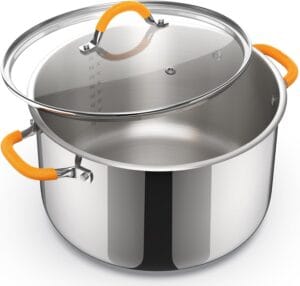
 Large Soup PotCheck product details
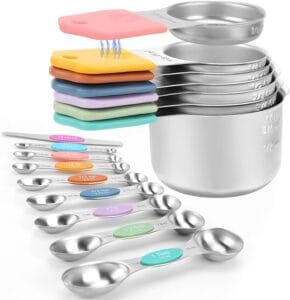
 Measuring Spoons & CupsCheck product details
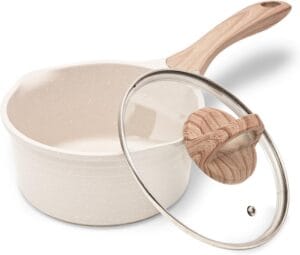
 Small potCheck product details




Recipe Video
Recipe Notes
- Brining at room temperature is the traditional method. For FDA egg safety guidance, see the link in the article. If refrigerating during brining, allow extra time.
Nutrition Facts
- Serving Size: 2 g
- Total number of serves: 12
- Calories: 72kcal
- Fat: 4.8g
- Saturated Fat: 1.6g
- Cholesterol: 186mg
- Sodium: 14223mg
- Potassium: 72mg
- Carbohydrates: 0.4g
- Sugar: 0.2g
- Protein: 6.3g
- Vitamin A: 13.5mcg
- Calcium: 39mg
- Iron: 1mg
- Vitamin D: 1mcg
- Vitamin E: 0.5mg
- Riboflavin: 0.2mg
- Vitamin B6: 0.1mg
- Vitamin B12: 0.4mcg
- Folate: 23.5mcg
- Pantothenic Acid: 0.8mg
- Phosphorus: 99mg
- Magnesium: 7mg
- Zinc: 1mg
- Selenium: 15.4mcg
- Copper: 0.1mg
- Manganese: 0.1mg
Did you make this recipe?
Tag @cambodiarecipe on Instagram and hashtag it
Like this recipe?
Follow us @cambodiarecipe on Pinterest
Did you make this recipe?
Follow us on Facebook