Exploring Knorng Psar Mountain: Grasslands, Panoramic Views & Community-Led Ecotourism in Cambodia
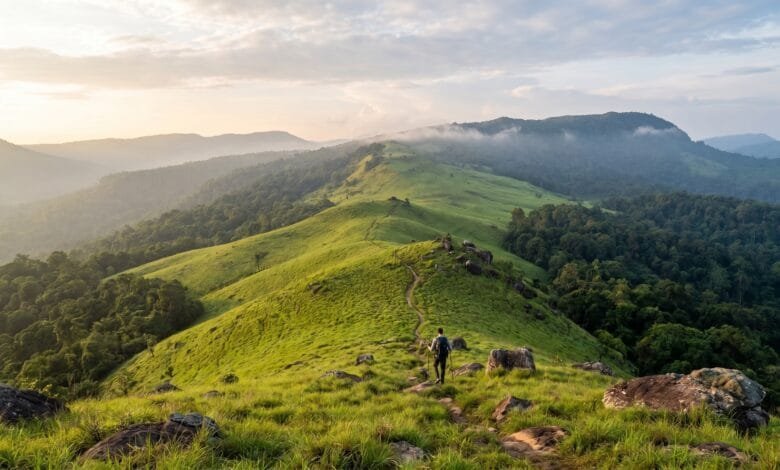
Knorng Psar Mountain rises from the Central Cardamom Mountains at the meeting point of three Cambodian provinces: Kampong Speu, Koh Kong, and Pursat. It is not a typical tourist attraction with paved walkways and visitor centers. Instead, it is a working landscape where a local community has taken charge of protecting the forest and welcoming travelers who are willing to make the journey.
The mountain has become known among Cambodian hikers and a growing number of foreign visitors for its open grasslands, panoramic ridge views, and the sense that tourism here directly supports conservation rather than working against it. If you are looking for a nature experience in Cambodia that feels genuinely local and requires a bit of effort to reach, Knorng Psar is worth understanding before you go.
Quick Travel Information
Where Is Knorng Psar Mountain?
Knorng Psar sits at a rare geographic point in Cambodia where three provinces meet. The mountain is part of the Central Cardamom Mountains National Park, also referred to as Phnom Kravanh National Park in some government communications.
The primary access route for most visitors is through Kampong Speu province, specifically the Aural district and Ta Sal commune area. The community of Taing Bompong serves as the gateway, where local families have organized themselves into a tourism community that manages access, guiding, and visitor services.
From Phnom Penh, the mountain is roughly 165 kilometers away by road, and from Kampong Speu town, it is over 80 kilometers. The journey involves traveling along National Road 4 and then transitioning to smaller roads that lead toward the mountain community. Road conditions and travel times can vary, so it is wise to confirm the current situation before setting out.
What Makes Knorng Psar Special?
Knorng Psar is not a manicured national park with paved trails and interpretive signs. Its character comes from a combination of natural features and the way the local community has chosen to manage tourism.
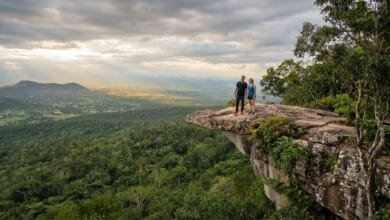
The landscape itself is distinctive. The mountain reaches approximately 1,017 meters above sea level and offers 360-degree panoramic views from the summit. The terrain includes dense forests, high mountain ridges, and open grassland areas that change dramatically with the seasons. During the rainy season, the grasslands are lush and green. In the dry season, they turn golden, creating a different but equally striking visual experience.
What sets Knorng Psar apart from many other nature destinations in Cambodia is the community-led model. The area was once a remote community dependent on forest resources. Today, local residents have become the custodians of the landscape and the visitor experience. Community members have undergone first aid training, adopted hygienic food preparation practices, and committed to fair and transparent pricing for all visitors.
Government support has helped develop basic infrastructure, including a first aid station, visitor information center, sanitation facilities, and a community market. A sustainable tourism infrastructure plan is being implemented under the Cambodia Sustainable Landscape and Ecotourism Project, which includes road rehabilitation and the construction of additional visitor facilities.
What to See
The main visual attractions at Knorng Psar are the landscape itself and the views it offers.
The grassland ridges. The mountain’s open grassy areas are the signature feature. They create a sense of openness and light that is unusual in Cambodia’s typically dense tropical forests. The appearance shifts with the seasons, from vibrant green during the rains to golden and dry in the hotter months.
Panoramic summit views. From the top, the 360-degree views take in surrounding mountain ranges and forested valleys. On clear days, the scale of the Cardamom Mountains becomes apparent.
Sunrise and sunset. The summit is known as a place to watch the sun rise or set over the landscape. Early mornings often bring cool temperatures and misty conditions that add atmosphere to the experience.
Forest and wildlife habitat. The mountain is covered in dense forest that supports a range of wildlife. The area is described as home to rare species, though sightings are never guaranteed and depend on many factors.
Things to Do at Knorng Psar
Hiking and trekking. This is the primary reason most visitors come. The hike to the summit is described as challenging, with government sources noting a 5–7 hour duration on foot for the full ascent. Community ox carts are sometimes available for part of the journey, but the core experience is on foot. The route passes through grassland, forest, and ridge sections, with several named peaks along the way, including Phnom Khnong Krapeu and Phnom Khnong Srov.
Camping. Camping is a popular activity, and the area has gained recognition as a camping site. Community-managed camping areas exist, and infrastructure improvements include designated camping sites. Camping allows visitors to experience the mountain at sunrise and sunset, which are often highlighted as the most rewarding times.
Photography. The changing light over the grasslands, the forested ridges, and the panoramic views make this a rewarding destination for landscape photography. The seasonal transformation of the grass—from green to gold—offers different visual opportunities throughout the year.
Nature observation. The area’s forests and grasslands support birdlife and other wildlife. The environment ministry has noted that the lush forests and abundant birdlife offer a sense of peace and immersion in nature. Wildlife sightings are never guaranteed, and visitors should maintain respectful distance from any animals they encounter.
Experiencing community-based tourism. Staying overnight or spending time at the community area provides a direct experience of how local families have organized tourism around conservation. Meals prepared by local families showcase authentic local cuisine and reflect the community’s commitment to hygiene and quality.
Wildlife and Nature
The Central Cardamom Mountains, which include Knorng Psar, are recognized as a significant area for biodiversity in Cambodia. The mountain’s forests and grasslands provide habitat for a range of species.
Government communications describe the area as containing rare wildlife, though specific species are not consistently listed in accessible sources. The environment ministry has highlighted the area’s birdlife as part of its appeal for nature immersion.
Visitors should approach wildlife expectations realistically. Even in areas with confirmed wildlife populations, sightings are unpredictable and depend on season, time of day, noise levels, and luck. The value of a visit to Knorng Psar lies as much in the landscape and the experience of being in a protected natural area as in any specific wildlife encounter.
How to Get to Knorng Psar Mountain
The journey to Knorng Psar requires some planning. The mountain is not served by regular public transportation in the way that major tourist destinations are.
From Phnom Penh. The most common starting point is Phnom Penh. The drive to the community area takes approximately 3 hours by road, depending on conditions. The route follows National Road 4 toward Kampong Speu province, then continues toward the Aural district and Ta Sal commune.
Organized tours. Several tour operators offer trekking and camping packages to Knorng Psar from Phnom Penh. These typically include early morning pickup, transport to the community area, and guided hiking. Some packages include meals, camping equipment, and community fees. Prices and inclusions vary by operator.
Independent travel. Independent travelers can arrange private transport (car or motorbike) to the community area. Local transport options from Kampong Speu town may exist but should be confirmed locally, as schedules and availability are not consistently documented. Reaching the trailhead may involve a final section by community tractor or ox cart, which is part of the experience for many visitors.
Returning. The same routes apply in reverse. If you have arranged a tour, return transport is typically included. Independent travelers should arrange return transport in advance or confirm local options upon arrival.
When to Visit
Knorng Psar is considered a year-round destination, but the experience varies considerably by season.
Rainy season (roughly May to October). The grasslands are green and lush, and the landscape is at its most vibrant. Rain can make trails muddy and more challenging, and cloud cover may obscure summit views. The rainy season has been noted as a period when the mountain becomes particularly appealing for visitors seeking greenery.
Dry season (roughly November to April). The grass turns golden, creating a different kind of beauty. Trails are generally firmer and easier to navigate. Temperatures can be hot, especially on exposed ridge sections. The dry season is often recommended for those who prioritize clear views and more stable trail conditions.
Because weather patterns can shift and local conditions change, check current conditions and forecasts before traveling. The community tourism group or your tour operator can provide the most up-to-date information.
How Long to Stay
A day visit is possible for travelers with limited time. A very early start from Phnom Penh would allow for a hike to the summit and return the same day, but this would be rushed and would miss the sunrise and sunset experiences that many consider the highlight.
One overnight stay is the most practical option for most visitors. Arriving in the afternoon, camping or staying in community accommodation, hiking to the summit for sunset or sunrise, and returning the next day allows for a more relaxed experience.
Two nights would allow for a more thorough exploration of the area, including different trails and more time to appreciate the landscape without rushing. This is a good option for photographers or travelers who want to fully immerse themselves in the environment.
Where to Stay
Accommodation at Knorng Psar is primarily community-managed. Camping is the most common option, with designated camping areas and the possibility of renting equipment locally (confirm availability in advance). Some community-based homestay or guesthouse options may exist in the area, but these are not widely documented and should be confirmed directly with the community tourism group.
There are no large hotels or resorts at the mountain itself. The nearest significant accommodation options would be in Kampong Speu town or along the route from Phnom Penh, but staying there would mean a very early start to reach the mountain. For the full experience, plan to camp or stay in community-managed accommodation at the site.
Because accommodation options are limited and can change, it is essential to confirm availability and arrangements before traveling.
What to Pack
Packing for Knorng Psar should reflect the fact that this is a remote, outdoor destination with limited facilities.
- Sturdy walking shoes or hiking boots. The terrain includes uneven ground, grassland, and forest sections.
- Plenty of water. There are limited opportunities to refill on the mountain.
- Sun protection. Hat, sunscreen, and sunglasses are important, especially on exposed ridge sections.
- Rain protection. A lightweight rain jacket or poncho is useful year-round.
- Insect repellent. The forest environment means mosquitoes and other insects are present.
- Warm layer for early morning and evening. The summit can be cool, especially at sunrise.
- Headlamp or flashlight. Useful for early morning hikes or moving around camp after dark.
- Snacks. Energy-rich food for the hike.
- Cash. For community fees, food, and any local purchases. Do not assume card payments are accepted.
- Power bank. For charging devices, as electricity may be limited.
- Reusable water bottle. To reduce plastic waste.
Travel Tips
Confirm arrangements in advance. Because Knorng Psar is community-managed and infrastructure is still developing, it is best to confirm access, guiding, camping, and food arrangements before you travel. Contact the community tourism group or a reputable tour operator.
Start early. The hike is challenging and takes several hours. Starting early allows more time on the mountain and a better chance of favorable conditions.
Bring enough water. The hike is strenuous, and dehydration is a real risk. Carry more water than you think you need.
Be prepared for limited facilities. While infrastructure is improving, facilities are basic. Do not expect the amenities of a developed national park.
Respect the community’s rules. The community has established rules for visitors, including pricing transparency and environmental protection. Follow them.
Check road conditions. The access road is being improved, but conditions can vary. Confirm the current situation with your transport provider or the community.
Responsible Travel
Knorng Psar’s tourism model is built on the idea that conservation and community benefit go together. Visitors play a role in making that model work.
- Do not litter. The community regularly cleans trails and campsites. Carry out everything you carry in.
- Stay on established trails. This protects vegetation and reduces erosion.
- Do not disturb wildlife. Observe animals from a distance and never feed them.
- Respect community rules. Follow any guidance provided by the community tourism group.
- Support the local economy. Buy food and services from community providers, and pay the agreed prices.
- Do not remove plants, rocks, or natural objects. Leave the landscape as you found it.
- Be mindful of noise. Loud music or shouting disrupts wildlife and other visitors.
- Use designated camping areas when camping is permitted.
The community has adopted a philosophy of what residents describe as a “clean heart” — fair pricing, honest service, and shared responsibility for protecting the environment. Visitors who respect these values help sustain a model that benefits both nature and local people.
Is Knorng Psar Right for You?
This destination may appeal to:
- Hikers and trekking enthusiasts looking for a challenging but rewarding mountain experience in Cambodia.
- Campers who enjoy overnight stays in natural settings and want to experience sunrise or sunset from a mountain summit.
- Travelers interested in community-based tourism who want their visit to directly support local conservation and livelihoods.
- Photographers drawn to open grassland landscapes, mountain ridges, and changing seasonal colors.
- Nature lovers who value immersion in a protected forest environment over developed tourist facilities.
This destination may not be ideal for:
- Travelers with limited mobility or those who cannot manage a 5–7 hour hike on uneven terrain.
- Visitors seeking resort-style comfort or extensive facilities.
- Families with very young children who may find the hike too demanding.
- Travelers with very limited time who cannot spare at least one overnight stay.
Knorng Psar rewards those who are prepared to make an effort. It is not a casual stop, but for the right traveler, the combination of landscape, community, and challenge makes it a memorable experience.
Frequently Asked Questions
Where is Knorng Psar Mountain?
How do I get to Knorng Psar?
From Phnom Penh, travel via National Road 4 toward Kampong Speu province and continue to the Ta Sal commune area. The drive takes approximately 3 hours. Organized tours from Phnom Penh are available and often include transport, guiding, and meals. Independent travelers can arrange private transport.
Is Knorng Psar worth visiting?
For travelers who enjoy hiking, camping, and nature without developed tourist infrastructure, Knorng Psar offers a distinctive experience. The community-led tourism model means your visit contributes directly to local livelihoods and conservation. The landscape—particularly the grasslands and panoramic views—is unlike more commonly visited Cambodian destinations.
How much time do I need at Knorng Psar?
At minimum, one overnight stay is recommended. This allows time to hike to the summit, experience sunrise or sunset, and camp. A day trip is possible but rushed. Two nights would allow for a more relaxed exploration.
What can I do at Knorng Psar?
The main activities are hiking to the summit, camping, photography, and enjoying the natural landscape. The area is known for its sunrise and sunset views, open grasslands, and forested ridges.
Is camping allowed at Knorng Psar?
What should I bring?
Bring sturdy shoes, plenty of water, sun protection, rain protection, insect repellent, a warm layer, a headlamp, snacks, cash, and a power bank. Facilities are limited, so plan accordingly.
Conclusion
Knorng Psar Mountain offers a different kind of Cambodian nature experience. It is not a place of paved paths and visitor centers, but a working landscape where a local community has taken responsibility for both the forest and the visitor experience. The hike is challenging, the facilities are basic, and getting there requires planning. But for travelers who are willing to make the effort, Knorng Psar provides open grasslands, panoramic ridge views, and the satisfaction of knowing that their visit supports conservation and local livelihoods. Check current conditions and arrangements before you go, and come prepared for a genuine outdoor experience in one of Cambodia’s lesser-known protected areas.