Why Battambang Became Cambodia’s First UNESCO City of Gastronomy
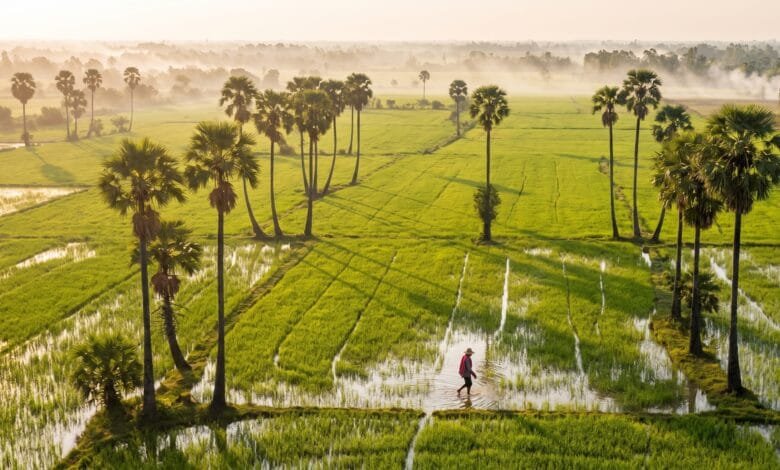
For Cambodians, the answer to “What’s delicious in Battambang?” is simple: everything. The legendary singer Sinn Sisamouth crooned exactly that in his famous song — “Batdambng mean avei chhnganh?” — and for generations, Cambodians have known that the province produces the country’s most delicious food. Now UNESCO agrees.
On 31 October 2023, Battambang became the first-ever Cambodian city to join the UNESCO Creative Cities Network, designated as a Creative City of Gastronomy. This recognition is not about Michelin stars or fine-dining restaurants — Battambang has neither. Instead, it honors something far more profound: the deep connection between a place, its people, and the food they grow, cook, and share.
So why did Battambang become Cambodia’s first UNESCO City of Gastronomy? The answer lies in the land itself.
Quick Regional Food Facts
| Detail | Information |
|---|---|
| Region | Northwestern Cambodia |
| Province | Battambang |
| Main Food Identity | “Cambodia’s Rice Bowl” — agricultural heartland |
| Key Ingredients | Phka Rumdoul rice, oranges, prahok, bamboo shoots, durian |
| Signature Foods | Nem Battambang, Borbor Phek, Sangvak, Kralan, Kantuy Hes |
| Main Food Season | Green Season (May–October) — harvest abundance |
| Best Travel Season | November–February (cool dry season) or May–October (green season) |
| Food Experiences | Markets, food tours, cooking classes, fruit festivals |
What Makes Battambang’s Food Special?
The short answer is geography. The longer answer is everything that geography makes possible.
Battambang sits in northwestern Cambodia, bordered by the Tonlé Sap lake to the east and traversed by the Sangker River. The province’s fertile alluvial plains — fed by the river and the lake’s seasonal ebb and flow — create some of the most productive agricultural land in the country. Agriculture accounts for 62.32% of the provincial economy.
This is not a place where food is imported or manufactured. This is a place where food is grown, harvested, preserved, and transformed through generations of knowledge. The land itself determines what people eat, and the people have learned to honor that land with every meal.
Battambang’s food is not fancy. It is honest, abundant, and deeply rooted. That is exactly why UNESCO took notice.
The Landscape Behind the Food
To understand Battambang’s food, you must first understand its landscape. The province is known as “Cambodia’s rice bowl” — and for good reason.
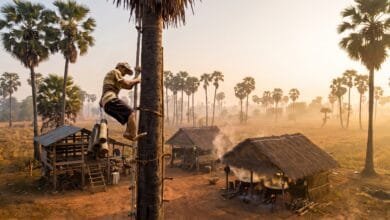
Endless rice paddies stretch across the plains, turning brilliant green during the rainy season and golden at harvest. The Sangker River winds through the province, providing water for irrigation and fish for the table. To the east, the Tonlé Sap — Southeast Asia’s largest freshwater lake — influences the region’s climate and provides a bounty of fish.
This landscape supports more than just rice. The fertile soil produces cassava, corn, bananas, mangoes, mung beans, and a variety of vegetables. The province is also known for its oranges, which are being considered for Geographical Indication (GI) status, and Samlot durian, cultivated in the district of the same name.
The landscape doesn’t just produce food — it shapes it. The abundance of rice means rice-based dishes dominate the cuisine. The availability of freshwater fish means fermented fish products are central to local cooking. The seasonal rhythms of monsoon and dry season determine when certain foods are available and how they are preserved.
The Ingredients That Define the Region
Phka Rumdoul — The World’s Best Rice
Perhaps Battambang’s most famous ingredient is Phka Rumdoul, a fragrant jasmine rice variety grown in the province’s fertile paddies. This rice has been crowned the World’s Best Rice five times — in 2012, 2013, 2014, 2018, and 2022. Its natural aroma, soft texture, and exquisite flavor have made it a source of national pride.
For Battambang, rice is not just a crop — it is livelihood, heritage, and everyday sustenance. The province recorded over 1.67 million tonnes of surplus paddy in 2025, with 184 registered rice mills processing the harvest.
Prahok — The Fermented Heart of Khmer Cuisine
Battambang is a major center for prahok production, the fermented fish paste that is the backbone of Cambodian cooking. The Phsa Prahok (Prahok Market) in Prek Kancheng village is the heart of this tradition. Here, producers chop hundreds of kilograms of fish daily, mixing it with salt and allowing it to ferment in clay jars for a minimum of 20 days. In 2013, Battambang produced 2,887 tons of prahok.
Battambang Oranges
The province’s oranges are renowned for their unique, sought-after flavor and are being considered for GI status.
Local Vegetables and Bamboo Shoots
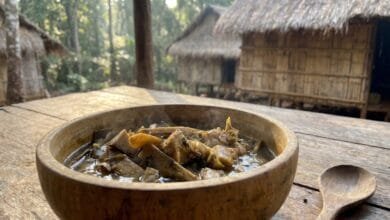
The region’s abundance of vegetables and bamboo shoots features prominently in local dishes like Borbor Phek, a vegetable rice porridge that calls for bamboo shoots.
Regional Foods and Dishes to Know
Battambang’s cuisine is best experienced not in fine-dining restaurants but in its markets, street stalls, and family kitchens. Here are some of the dishes most closely associated with the region:
Nem Battambang
A preserved pork specialty that UNESCO has specifically identified as a Battambang dish. It reflects the region’s tradition of food preservation.
Borbor Phek (បបរភេក)
While Cambodian porridge typically features chicken or fish, Battambang’s version is distinguished by its heavy mix of local greens and tubers — particularly bamboo shoots. This is comfort food for Battambang folk.
Sangvak (សង្វាក់)
Grilled fish paste wrapped in banana leaves. This street snack showcases the region’s access to freshwater fish and the tradition of grilling in banana leaves.
Kralan (ក្រឡាន)
Sticky rice stuffed into bamboo tubes and roasted over fire. This is both a snack and a celebratory treat.
Kantuy Hes (កន្ទុយហេស)
A spicy paste made from shredded fish, krosang fruit, and chili. Some older generations claim it originated in Battambang’s Banan district.
Lot (ឡុត)
A crispy snack on a wooden skewer made from sweet potato and taro — a taste of childhood for older Battambang residents.
The People Behind the Food
Battambang’s food is made by farmers, fishers, producers, market vendors, and family cooks — people whose knowledge has been passed down through generations.
Rice farmers cultivate the Phka Rumdoul variety in paddies that stretch to the horizon. Many are smallholder farmers who have worked the same land for generations.
Prahok producers at Phsa Prahok maintain traditional fermentation techniques, processing hundreds of kilograms of fish daily. The base ingredient — fish — is finely chopped and mixed with salt before being left to ferment in clay jars.
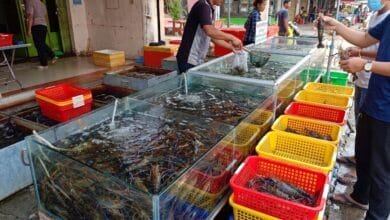
Market vendors at Battambang’s bustling markets — including the riverside night market — sell fresh produce, snacks, and prepared foods that sustain the city daily.
Family cooks preserve recipes like Borbor Phek and Lot that might otherwise be forgotten. As one article noted, these dishes are “better-known among Cambodia’s older generation than the young” — a reminder of the importance of preserving culinary heritage.
How Local Food Traditions Developed
Battambang’s food traditions have been shaped by centuries of agriculture, trade, and cultural exchange.
The province’s status as “Cambodia’s rice bowl” is not recent — it has been the country’s main rice provider historically. The fertile soil and reliable water supply from the Sangker River and Tonlé Sap made large-scale rice cultivation possible long before modern times.
The tradition of prahok production reflects the need to preserve fish during seasons of abundance for consumption during leaner times. This ancient preservation technique remains central to Battambang’s food identity.
The city’s artistic heritage — including the songs of Sinn Sisamouth that celebrate Battambang’s food — shows that food has long been central to local cultural identity. The legendary singer’s question “Batdambng mean avei chhnganh?” (“Anything delicious in Battambang?”) is answered by the province’s abundance.
The Khmer Rouge era (1975-1979) had a profound impact on Cambodian food traditions, including in Battambang. Dishes like Borbor Phek became associated with survival during this period, when simplified cuisine was the reality of daily life. The resilience of these food traditions — their survival and revival — is part of what makes Battambang’s culinary heritage so remarkable.
Food Through the Seasons
Battambang’s food changes with the seasons.
Green Season (May–October)
The rainy season is when the landscape is at its most vibrant. Rice paddies turn brilliant green, and agricultural abundance is at its peak. This is the season of the Battambang Fruits Event — a 10-day festival in July celebrating the province’s renowned fruit production, including a three-day durian buffet.
Dry Season (November–April)
The harvest season brings golden rice fields and the culmination of the agricultural year. Cooler temperatures make this the most comfortable time for travel.
Year-Round
Prahok production, noodle-making, and market activity continue throughout the year, though the availability of fresh ingredients shifts with the seasons.
Where Travelers Can Experience the Food
Beoung Chhuk Market
A bustling local market where visitors can learn about local ingredients, traditions, and Cambodia’s farm-to-table food culture.
Phsa Prahok (Prahok Market)
Located in Prek Kancheng village, this market offers a glimpse into the traditional process of making prahok.
Riverside Night Market
Established along the Sangkae River, this market showcases local gastronomy.
Food Tours
Several operators offer tuk-tuk food tours exploring Battambang’s culinary highlights, from bustling markets to family-run kitchens.
Cooking Classes
Hands-on classes typically begin with a market visit to select fresh ingredients, followed by preparing Khmer dishes in a local home.
Jaan Bai Restaurant
A training restaurant backed by renowned Australian chef David Thompson, offering modern Khmer cuisine.
What to Eat and Look For
| Food | What It Tastes Like | Why It Matters | Where to Find |
|---|---|---|---|
| Phka Rumdoul rice | Fragrant, soft, exquisite | World’s best rice | Throughout province |
| Nem Battambang | Preserved pork, savory | Regional specialty | Markets, restaurants |
| Borbor Phek | Vegetable porridge with bamboo shoots | Local comfort food | Local eateries |
| Sangvak | Grilled fish paste, smoky | Traditional snack | Markets, street stalls |
| Kralan | Sweet sticky rice in bamboo | Celebratory treat | Markets, festivals |
| Kantuy Hes | Spicy fish paste | Regional heritage | Local restaurants |
| Battambang oranges | Sweet, fragrant | Potential GI product | Markets, farms |
A Food-Focused Way to Explore the Region
Morning:
Start at Beoung Chhuk Market to see how locals buy and prepare ingredients daily. Sample breakfast dishes like Bai Sach Chrouk (grilled pork with rice).
Late Morning:
Visit a rice-producing village to see how Phka Rumdoul is cultivated. Alternatively, visit Phsa Prahok to learn about fish fermentation.
Lunch:
Try Borbor Phek or Nom Banh Chok (Khmer noodles with fish curry) at a local eatery.
Afternoon:
Take a cooking class to learn traditional Battambang dishes, or explore the riverside and colonial architecture.
Evening:
Visit the riverside night market for street food and local snacks.
Best Time to Visit
Best Food Season: Green Season (May–October) — when agricultural abundance is at its peak and the Battambang Fruits Event takes place in July.
Best Travel Season: November–February — cooler, drier weather makes exploration more comfortable. However, the Green Season offers a uniquely vibrant landscape and special food experiences.
How to Get There
From Phnom Penh: Approximately 5–6 hours by bus or car via National Road 5.
From Siem Reap: Approximately 3 hours by bus or car.
Local Transportation: Tuk-tuks are the most common way to get around the city and visit nearby attractions.
Responsible Food Travel
- Respect local communities — ask before photographing people
- Ask before entering private areas like homes or production facilities
- Do not interfere with food production or damage crops
- Follow local instructions at markets and production sites
- Support local producers by buying directly from markets and vendors
- Avoid wasting food — order what you can eat
- Respect local food traditions — try dishes as they are traditionally prepared
Nearby Culinary Trails
- Kampot Pepper and Coastal Food — Cambodia’s other emerging gastronomy destination
- Siem Reap’s Food Scene — beyond Pub Street
- Tonlé Sap Fishing Communities — freshwater fish traditions
- Market Trails — explore Cambodia’s vibrant local markets
- Farm & Producer Stories — meet the people behind the ingredients
Frequently Asked Questions
What does it mean to be a UNESCO City of Gastronomy?
It means the city has been recognized by UNESCO for its rich culinary traditions, unique local dishes, and commitment to using gastronomy for sustainable urban development
Is Battambang the only UNESCO City of Gastronomy in Cambodia?
Yes. As of 2026, Battambang remains the first and only Cambodian city in the UNESCO Creative Cities Network for Gastronomy. Kampot is currently preparing its application
What food is Battambang known for?
Battambang is known for Phka Rumdoul rice (world’s best rice), Nem Battambang (preserved pork), Borbor Phek (vegetable porridge), Sangvak (grilled fish paste), Kralan (bamboo sticky rice), and prahok (fermented fish paste)
Why is Battambang called Cambodia’s rice bowl?
Because it is Cambodia’s most important agricultural province, producing vast quantities of rice and other crops on its fertile plains
What is the best time to visit Battambang for food?
Can I take a food tour in Battambang?
Yes. Several operators offer tuk-tuk food tours exploring markets, street food stalls, and local eateries
What is Phka Rumdoul rice?
It is a fragrant jasmine rice variety grown in Battambang that has been named the World’s Best Rice five times.
Final Thoughts
Battambang became Cambodia’s first UNESCO City of Gastronomy not because of fancy restaurants or celebrity chefs. It earned this recognition because of something more fundamental: the deep, unbroken connection between land and table.
In Battambang, food is not imported or manufactured — it is grown, harvested, preserved, and transformed by people whose families have done the same work for generations. The rice in your bowl comes from paddies that stretch to the horizon. The fish in your curry was caught in the Sangker River or the Tonlé Sap. The vegetables were picked that morning from a nearby farm.
This is what sustainable gastronomy looks like. It is not about trendiness or exclusivity. It is about honoring the land, preserving traditions, and sharing food with community.
For Cambodians, Battambang has always been special — a place of abundance, flavor, and culinary pride. Now the world knows it too. And as UNESCO itself noted, this recognition is “a testimony to Battambang’s longstanding efforts and commitment to harnessing culture and creativity for sustainable urban development”.
When you visit Battambang — whether you come for the rice, the markets, the street food, or simply to understand why this quiet provincial capital earned a place on the world’s culinary map — you will taste something that cannot be replicated anywhere else. You will taste place itself.