Visiting Battambang for the First Time: What to Expect
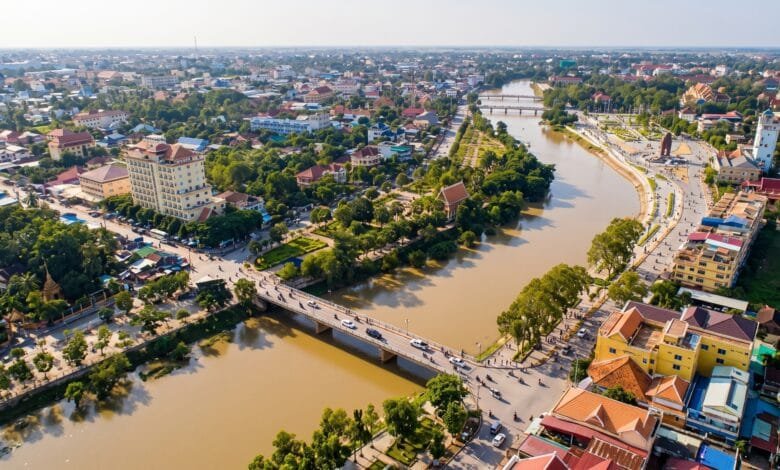
Battambang is Cambodia’s second-largest city, but it does not feel like a big city at all. Located in the northwest of the country, it sits on the Sangkae River and is surrounded by rice fields, small villages, and low hills. For many travelers, it feels like a quieter, more grounded alternative to Phnom Penh or Siem Reap.
What makes Battambang interesting is that it combines several different sides of Cambodia in one place. There is a walkable town center with faded French colonial architecture, a riverside promenade, and busy local markets. Just outside town, there are ancient temples on hilltops, a bamboo train that rattles through the countryside, and villages where families make rice paper, noodles, and bamboo sticky rice by hand. In 2023, Battambang became the first Cambodian city to be named a UNESCO Creative City of Gastronomy, which recognized its strong food traditions.
This guide is designed for first-time visitors who want to understand what Battambang is like, what there is to see and do, and how to plan a visit that fits their travel style.
Quick Travel Information
Where Is Battambang?
Battambang is in northwestern Cambodia, roughly halfway between Phnom Penh and the Thai border. The city sits on the Sangkae River, a tributary that flows into the Tonle Sap lake system.
The surrounding province is one of Cambodia’s most important rice-producing regions. The landscape is mostly flat, with rice paddies, sugar palm trees, and small villages. To the south and west, low limestone hills rise above the plains, and several of Battambang’s most popular attractions are located in these hills.
For travelers, Battambang’s location is useful because it sits on a natural route between Siem Reap (the gateway to Angkor) and the Thai border at Poipet. Many travelers stop in Battambang while moving between Thailand and Cambodia, or while traveling between Siem Reap and Phnom Penh.
What Is Battambang Like?
The first thing many visitors notice about Battambang is its pace. Compared to Siem Reap’s busy tourist areas or Phnom Penh’s traffic, Battambang feels calm. The city center is compact enough to walk around, and the riverside area is pleasant for an evening stroll.
The architecture is a mix of styles. There are old French colonial buildings, many of them faded but still standing. The Psar Nat market is a central landmark, and the streets around it are full of small shops, cafes, and local restaurants. The city has a strong connection to the arts, with galleries and performance spaces that reflect its history as a cultural center.
Outside the city center, the character changes quickly. Within a short tuk-tuk or bicycle ride, you can be in the middle of rice fields, passing wooden houses on stilts, and watching farmers work. This easy access to the countryside is one of Battambang’s best features. It means you can experience both a lively Cambodian town and a quiet rural landscape in the same day.
Why Visit Battambang?
Battambang offers several things that are harder to find in Cambodia’s more heavily visited destinations.
First, it is a place where you can see traditional crafts and food production up close. Villages around the city are known for making rice paper, rice noodles, bamboo sticky rice, and rice wine using methods that have been passed down through generations. Cycling tours through these villages are a popular way to see this firsthand.
Second, the surrounding area has a good mix of historical and natural attractions. The bamboo train is a unique experience, and Phnom Sampov mountain offers both a sobering look at Cambodia’s recent history and a spectacular natural phenomenon at sunset.
Third, Battambang is a good place for travelers who want to slow down. It is not a destination you rush through. It rewards visitors who are willing to spend a couple of days exploring at a relaxed pace.
Best Things to Do
Ride the Bamboo Train
The bamboo train, known locally as the “norry,” is one of Battambang’s most well-known experiences. It is a small platform made of bamboo and wood, powered by a small motor, that runs on a section of old railway track through rice fields and countryside.
The ride is not a high-speed thrill, but it is a genuinely unusual way to see the landscape. The platform moves at a moderate pace, and you get open views of the fields and villages around you. Many travelers combine the bamboo train with a visit to nearby villages or continue on to other attractions in the area. The bamboo train is generally open daily, but schedules can shift, so it is worth checking locally when you arrive.
Visit Phnom Sampov and the Bat Cave
Phnom Sampov is a limestone hill about 13 kilometers west of Battambang city. It is known for two main attractions: the Killing Cave, a memorial site from the Khmer Rouge period, and the bat cave, where millions of bats fly out at sunset.
The bat cave experience is the main draw for many visitors. Around sunset, a continuous stream of bats emerges from the cave and stretches across the sky. The cave itself is not open for exploration, but there are viewing areas where you can sit and watch. The timing of the bat emergence varies with the season, and the best viewing is generally in the late afternoon to early evening.
Climb Wat Banan
Wat Banan is an 11th-century temple on top of a hill about 25 kilometers south of Battambang. It is reached by climbing more than 350 steps, but the effort is rewarded with panoramic views of the surrounding plains.
The temple has five towers, similar in style to those at Angkor Wat, though much smaller. The site is less crowded than many of Cambodia’s more famous temples, which makes it a peaceful place to explore. There are carvings to look at on the sandstone, and at the base of the hill there is a working pagoda and a small lake with bamboo huts for eating and resting.
Explore the Food Villages
The villages around Battambang are known for their traditional food production. A short bicycle or tuk-tuk ride from the city center can take you to places where families make rice paper by hand, steam rice noodles, and produce bamboo sticky rice.
A Battambang food cycling tour is one of the best ways to see this. These tours typically last about half a day, cover around 19 kilometers of mostly flat, quiet roads, and stop at several villages where you can watch the production process and taste the results. The pace is relaxed and suitable for almost anyone.
Walk Around the City Center
Battambang’s city center is worth exploring on foot. The riverside area has a promenade where you can walk in the evening. The Psar Nat market is a good place to see local life and buy fresh food or snacks. There are also several old colonial buildings scattered around the center, some of which have been converted into cafes, galleries, or guesthouses.
The city has a growing arts scene, with galleries and street art in some areas. Art festivals are held periodically, and you may see murals or other public art if you explore the streets on foot.
Food & Local Flavors
Battambang has a strong food culture, and trying local dishes is a highlight of a visit.
Num banh chok is one of Cambodia’s most traditional dishes. It is a rice noodle dish served with a fish-based broth and fresh vegetables. In Battambang, you can find versions made with freshly made noodles, which gives the dish a different texture than the dried noodles used in other places.
Mikola is a Battambang specialty. It is a noodle soup with a distinctive flavor and a history that is often shared by local cooks. Food tours in the city frequently include a stop to try it.
Borbor phek is a type of rice porridge that is especially popular in Battambang. Unlike standard Cambodian porridge, it includes a heavy mix of local greens and tubers, and in Battambang specifically, it often calls for bamboo shoots.
The city’s markets and street food stalls are good places to try these dishes. The Psar Nat market and the areas around it have many food vendors, and evening food stalls appear along the riverside and in other parts of town.
Culture & Local Life
Battambang has a long association with the arts. For centuries, it was known as a center for traditional music, dance, and painting. The Khmer Rouge period was devastating for this artistic community, but in recent decades, there has been a revival. Today, there are galleries, performance spaces, and art events that reflect this history.
The city was named a UNESCO Creative City of Gastronomy in 2023. This recognition highlights the province’s food traditions, which include fish pastes, fermented noodles, and the rice-based snacks that villagers have been making for generations.
For visitors, this means there are opportunities to engage with local culture beyond the standard tourist attractions. You can visit craft villages, watch artisans at work, and learn about the food traditions that are central to the region’s identity.
History
Battambang has a complex history. The area was part of the Khmer Empire, and several Angkorian-era temples, including Wat Banan and Ek Phnom, are located in the province. From 1795 to 1907, the province was under Siamese (Thai) control, and it was returned to Cambodia as part of a treaty between France and Siam in 1907.
During the Khmer Rouge period in the 1970s, Battambang was evacuated, and the city was not reestablished until 1979. The Killing Cave at Phnom Sampov is a memorial to the victims of that era, and visiting it can be a sobering but important part of understanding Cambodia’s recent history.
How to Get There
The most common way to reach Battambang is by bus. There are regular bus and van services from Phnom Penh, Siem Reap, and Bangkok. Several companies operate this route, including Giant Ibis, Mekong Express, and others. Buses depart throughout the day, and tickets can be purchased in advance.
There is also a boat connection between Battambang and Siem Reap via the Sangkae River, but this service only operates when water levels are high enough. It is slower than the bus but offers a scenic journey through the countryside and floating villages.
Battambang has an airport, but it is not widely used for commercial passenger flights. The train service has been limited in recent years, though there have been efforts to restore rail connections. It is best to check the current situation locally if you are interested in traveling by train.
How to Get Around
In the city, tuk-tuks are the most common form of transportation for visitors. They are easy to find, and you can negotiate a price before you start your trip. For short distances within the center, walking is also an option.
For exploring the surrounding area, many visitors hire a tuk-tuk driver for the day. This allows you to visit multiple attractions, such as the bamboo train, Phnom Sampov, and Wat Banan, without worrying about arranging separate transport for each one. Bicycles and motorbikes can also be rented in town, but make sure you are comfortable with local traffic conditions before deciding to ride.
When to Visit
Battambang has a tropical climate with two main seasons: dry and wet. The dry season runs from November to April, and the wet season from May to October.
The most comfortable time to visit is generally from November to March. During these months, temperatures are cooler, and the weather is drier, which makes it easier to spend time outdoors. The hot season from March to May can be very hot, with temperatures regularly reaching the mid-30s Celsius (mid-90s Fahrenheit). The wet season brings rain, but it also makes the countryside green and the rice fields full of water.
There is no single “best” time for everyone. If you want cooler weather, aim for November to February. If you do not mind heat and want to see the landscape at its greenest, the wet season has its own appeal.
How Long to Stay
For most first-time visitors, two days is enough to see the main attractions and get a feel for the city. This gives you time for the bamboo train, Phnom Sampov, Wat Banan, and some time in the city center.
If you want to explore the food villages, do a cycling tour, or spend more time in the countryside, three days would be more comfortable. Battambang is not a place where you need to rush. Spending an extra day allows you to slow down and experience the city at its own pace.
Where to Stay
Battambang has a range of accommodation options, including guesthouses, boutique hotels, and hostels. Most are located in the city center, close to the river, markets, and restaurants. Prices are generally lower than in Siem Reap or Phnom Penh.
Accommodation availability and quality can change, so it is a good idea to check current reviews and confirm that the property is still operating before you book. The city center is the most convenient area for first-time visitors because it is within walking distance of many restaurants, cafes, and the riverside.
Travel Tips
Cash: Cambodian riel is the local currency, but US dollars are widely accepted in Battambang. Small notes are useful for markets and small purchases.
Connectivity: Mobile data coverage in Battambang is generally good. You can buy a local SIM card at the airport or in town if you need internet access.
Market etiquette: When visiting markets, it is polite to ask before taking photos of vendors or their stalls. Bargaining is common, but it should be done with a friendly attitude.
Weather preparation: Bring sun protection and a light rain jacket if you are visiting during the wet season. Comfortable walking shoes are useful for temple visits and countryside walks.
Responsible travel: When visiting temples and memorial sites, dress respectfully and follow any local rules about photography or behavior. Support local businesses by eating at family-run restaurants and buying from local markets.
Is Battambang Right for You?
Battambang is a good fit for travelers who want to see a different side of Cambodia beyond the major tourist destinations. It is especially well-suited for:
- Slow travelers who prefer a relaxed pace and time to explore
- Food travelers interested in traditional production methods and local specialties
- Culture travelers who want to see arts, crafts, and daily life
- Photographers looking for countryside scenes, temple views, and street life
- First-time visitors who want a manageable introduction to Cambodia outside the biggest cities
It may be less appealing for travelers who are short on time and want to focus only on Angkor Wat, or for those who prefer a high level of tourist infrastructure and nightlife.
Frequently Asked Questions
Is Battambang worth visiting?
Yes, especially if you want to see a quieter, more rural side of Cambodia. It offers a mix of temples, countryside, food experiences, and local culture that is different from what you find in Siem Reap or Phnom Penh.
How do I get to Battambang?
The most common way is by bus from Phnom Penh, Siem Reap, or Bangkok. There is also a seasonal boat connection from Siem Reap.
How long should I stay in Battambang?
Two days is enough for most first-time visitors to see the main attractions. Three days allows for a more relaxed pace and time for countryside activities.
What is Battambang known for?
Battambang is known for its bamboo train, the bat cave at Phnom Sampov, traditional food villages, and its status as a UNESCO Creative City of Gastronomy.
What should I eat in Battambang?
Try num banh chok (rice noodles), mikola (a local noodle soup), and borbor phek (rice porridge with local greens). The city’s markets and food stalls are good places to find these dishes.
What is the best time to visit Battambang?
November to March offers the most comfortable weather, with cooler temperatures and less rain. The wet season from May to October is greener but rainier.
Can I combine Battambang with other destinations?
Yes. Battambang is on the route between Siem Reap and the Thai border, so it can be easily combined with a trip to Angkor or with travel onward to Thailand.
Conclusion
Battambang is a city that rewards travelers who are willing to slow down and look beyond the main tourist trail. It combines a relaxed urban center with easy access to rice fields, traditional craft villages, and ancient temples. The food culture is strong, the arts scene is growing, and the pace of life is gentle.
For first-time visitors to Cambodia, Battambang offers a useful contrast to the bigger cities. It is not a destination that requires a long stay, but two or three days here can add depth to a Cambodia itinerary. The main practical consideration is transportation: getting there by bus is straightforward, and once you arrive, tuk-tuks make it easy to explore both the city and the surrounding countryside.
If you are looking for a place that feels like a real Cambodian town rather than a tourist hub, Battambang is worth considering.