Grilled Fish with Pickle Fish Sauce
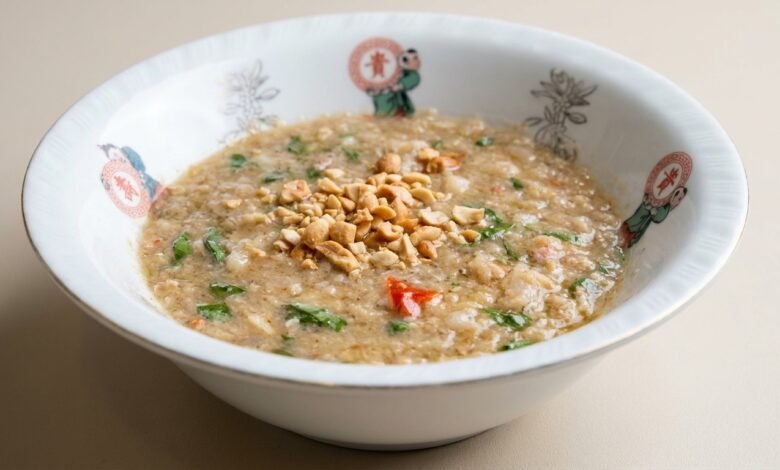
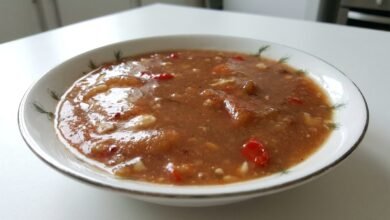
Grilled fish with pickle fish sauce is a Cambodian home dish built on contrast: smoky, flaky fish meets a warm, tangy sauce made from lemongrass, lime, and prahok. The sauce is bold and savory, with a fermented depth that clings to every piece of fish. It is the kind of dish that wakes up your appetite before the first bite.
What makes this recipe practical is its flexibility. You can grill the fish or boil it, depending on your kitchen and the weather. Either way, the fish gets broken into tender pieces and folded into a bubbling sauce that comes together in one small pan. Serve it hot with rice and a plate of raw vegetables, and you have a complete Cambodian meal.
What You Need
This dish uses a short list of ingredients, but each one does real work. Catfish or basa gives the sauce a soft, meaty base. Fresh lemongrass and garlic build the aroma. Lime juice brings the sour edge, while prahok supplies the salty, fermented backbone that defines the sauce.
If you are new to prahok, it is a salted and fermented fish paste used across Cambodian cooking. It has a strong aroma, but once simmered with lime, sugar, and lemongrass, it settles into a rounded, savory flavor. You can read more about what prahok is and how it is used in Khmer cooking before you start.
Equipment
- Grill or saucepan: To cook the fish fillets, either over an open flame or in simmering water.
- Large bowl: To hold the cooked fish while you break it into pieces with a fork.
- Fork: To flake the cooked fish into small, bite-sized pieces.
- Mortar and pestle: To pound the garlic, lemongrass, and chili into a rough paste.
- Small saucepan: To simmer the sauce until it bubbles and thickens slightly.
- Stirring spoon: To stir the sauce and fish together as they cook.
- Measuring cups and spoons: To measure the water, sugar, lime juice, and oil.
- Chef’s knife and cutting board: To mince the garlic and chop the chili and basil.
- Serving plate or bowl: To bring the finished dish to the table.
How to Make Grilled Fish with Pickle Fish Sauce
Step 1: Cook and Flake the Fish
Grill the fish fillets until they are cooked through, or boil them in water until the flesh turns opaque and flakes easily. Transfer the cooked fish to a large bowl. Use a fork to break the meat into small, loose pieces. Set the bowl aside.
If you enjoy lemongrass with fish, you might also like our Cambodian lemongrass fish, which uses a similar aromatic base.
Step 2: Pound the Aromatics
Peel the garlic cloves and place them in a mortar with the minced lemongrass and chopped hot chili, if using. Pound with the pestle until the ingredients come together into a rough, fragrant paste. Set the paste aside.
Step 3: Build the Sauce
Heat a small saucepan over medium heat. When the pan is hot, add the vegetable oil and the pounded lemongrass mixture. Stir for a moment until the aroma rises, then add the flaked fish. Stir well so the fish is coated in the aromatics.
Step 4: Add the Liquids and Seasonings
Pour in the water, then add the sugar, lime juice, and creamy prahok. Stir everything together. Let the sauce come to a gentle simmer and cook until it begins to bubble, about 5 to 7 minutes. Stir occasionally so the sauce cooks evenly.
Step 5: Finish with Basil and Peanuts
Taste the sauce and adjust if needed. Stir in the chopped sweet basil leaves, then remove the pan from the heat. Transfer the fish and sauce to a serving plate or bowl. Scatter the crushed roasted peanuts over the top just before serving.
Cooking Tips
- Control the saltiness: Prahok is very salty, so taste the sauce before adding any extra salt. The lime juice and sugar help balance it.
- Keep the fish in pieces: Break the fish into bite-sized pieces rather than mashing it. Larger pieces hold their texture in the sauce.
- Adjust the chili: The chili is optional. Add it to the mortar for a gentle heat, or leave it out if you prefer a milder sauce.
- Work quickly with the basil: Stir the basil in at the very end and remove the pan from the heat. The residual heat wilts the leaves without dulling their fragrance.
How to Serve
Serve the fish and sauce hot with steamed jasmine rice. A plate of fresh raw vegetables is traditional alongside: cabbage leaves, cucumber slices, green banana, and mint. The cool, crisp vegetables balance the salty, fermented sauce.
For another fish-based dish that pairs well with a fresh salad, try our papaya salad with grilled salmon. It uses grilled fish and a fish sauce dressing in a different style, and it can round out a Cambodian table.
Recipe Notes
This recipe comes together best when the fish is cooked just before you make the sauce. If you cook the fish ahead, keep it covered in the refrigerator and bring it to room temperature before flaking it into the warm sauce.
When buying fish, look for fillets that smell fresh and mild, not fishy or sour. The FDA’s guidance on selecting and serving seafood safely is a useful reference for handling and storing fish at home.
Frequently Asked Questions
What does pickle fish sauce taste like?
The sauce tastes salty, sour, and deeply savory. Prahok gives it a fermented umami flavor, lime juice adds brightness, and sugar rounds out the edges. Lemongrass and basil keep it aromatic rather than heavy.
Can I use a different fish?
Yes. The recipe works with any firm white fish, including basa, tilapia, or cod. Catfish is traditional because it is widely available in Cambodian cooking, but the sauce is forgiving.
Is this dish very spicy?
Only if you add the chili. The chili is optional, and the sauce itself is not built on heat. You can leave it out entirely or serve sliced chili on the side for people who want more spice.
Can I make it ahead?
The sauce is best served soon after it is made, while the basil is still fragrant and the peanuts are crisp. You can cook the fish ahead and store it in the refrigerator, but assemble the sauce just before serving for the best texture.
Final Thoughts
Grilled fish with pickle fish sauce is a dish of small contrasts: soft fish, crunchy peanuts, cool vegetables, and a warm, tangy sauce. It does not need special equipment or a long ingredient list. What it asks for is a quick hand at the mortar and a willingness to taste as the sauce simmers. Once the prahok, lime, and lemongrass come together, the dish carries the deep, savory character that makes Cambodian home cooking so satisfying. Serve it with plenty of rice and a plate of raw vegetables, and let the sauce do the rest.
Grilled Fish with Pickle Fish Sauce
2
servings15
minutes20
minutes623
kcal35
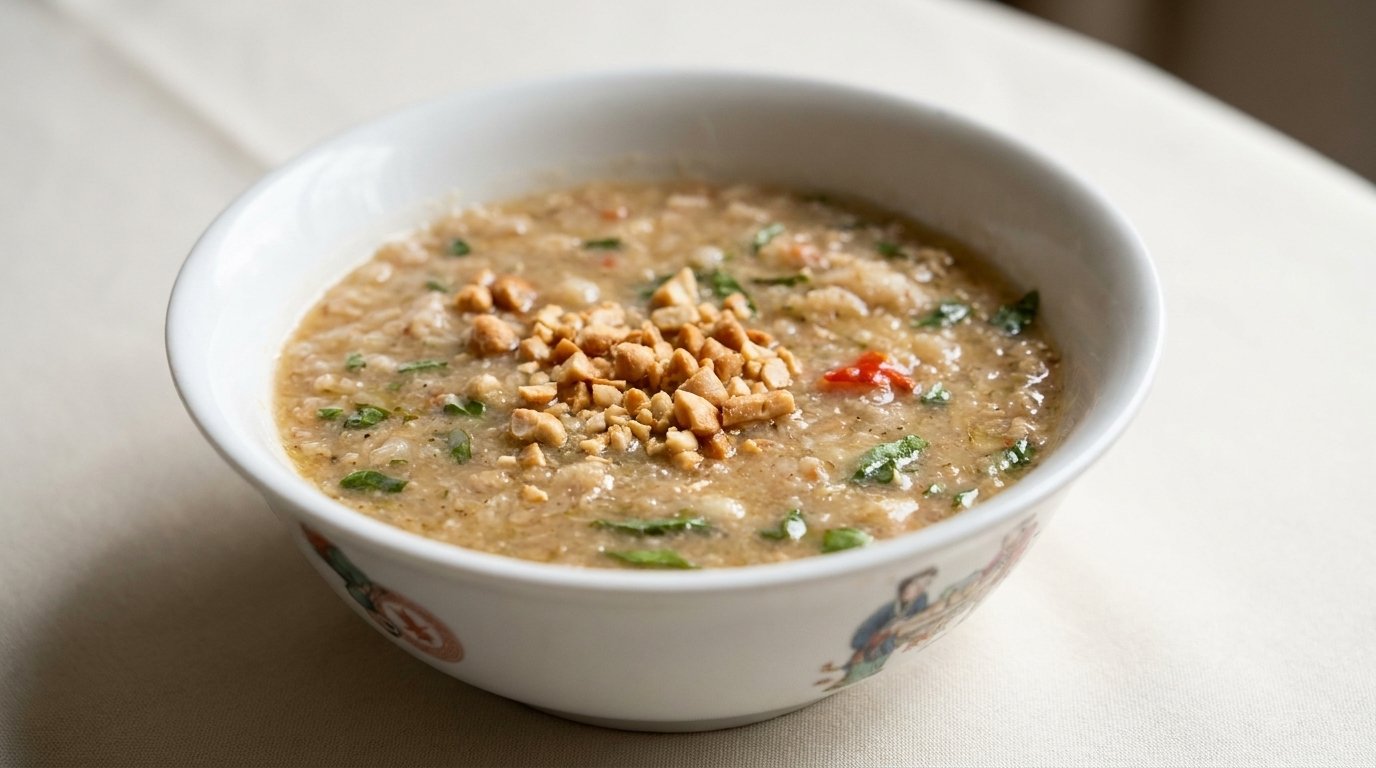
minutesA Cambodian home recipe for grilled fish with pickle fish sauce, also known as tirk kreoung pahok. The fish is cooked until tender, flaked, and folded into a bubbling sauce of lemongrass, garlic, lime, sugar, and prahok. Served with rice and fresh raw vegetables, it is a practical weeknight meal with a deep, fermented savory flavor.
Ingredients
1 lb 455 g (450 gram) of fillet of catfish, basa or any white meat fish
3 cloves 3 cloves garlic, minced
1/2 cup 34 g fresh or frozen fresh or frozen minced lemon grass
3 3 chopped hot chili pepper or to your taste (option)
2 tablespoons 2 tablespoons vegetable oil
1 cup 235 ml water
1 tablespoon 1 tablespoon sugar
2 tablespoons 2 tablespoons fresh lime or lemon juice
1/2 cup 70 g creamy style pickle fish (pahok)
A handful of chopped sweet basil leaves
1/2 cup 75 g unsalted roasted peanut, crushed
Directions
- Grilled or boiled fish. When fish cooked, put fish in a large bowl and use a fork to break up fish meat.
- Using mortal and pestles to pounded on garlic, lemon grass and hot chili pepper together, set a side.
- Heat up a small sauce-pan.
- When sauce-pan is hot, add oil, prepared lemon grass mixture and fish, stirs well.
- Add water, sugar, lime juice and creamy picklefish, stirs well and simmering till sauce bubbling, add sweet basil leaves, stirs and remove from heat. Top with peanut before serve.
- Serve hot with rice along with fresh raw vegetables; cabbage, cucumber or my favorite green banana, boiled pka snor and mints.
Equipment
 Chef’s KnifeCheck product details
 Cutting boardCheck product details
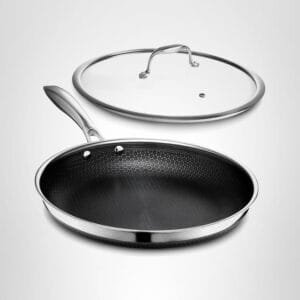
 Deep Frying PanCheck product details
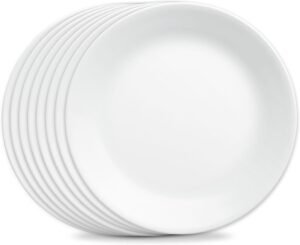
 Dinner PlatesCheck product details
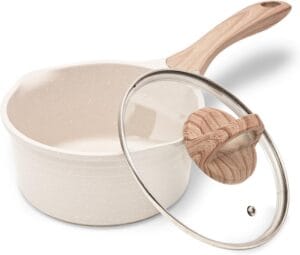
 Small potCheck product details
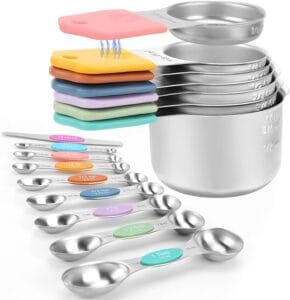
 Measuring Spoons & CupsCheck product details
Recipe Video
Nutrition Facts
- Serving Size: 1 g
- Total number of serves: 2
- Calories: 623kcal
- Fat: 38.7g
- Saturated Fat: 6.6g
- Cholesterol: 131mg
- Sodium: 408mg
- Potassium: 1492mg
- Carbohydrates: 25.2g
- Net Carbs: 20.2g
- Fiber: 5g
- Sugar: 10.5g
- Protein: 48.5g
- Vitamin A: 43.8mcg
- Vitamin C: 107.2mg
- Calcium: 124mg
- Iron: 4mg
- Vitamin D: 28.1mcg
- Vitamin E: 1.7mg
- Vitamin K: 44.7mcg
- Thiamin: 0.8mg
- Riboflavin: 0.3mg
- Niacin: 11.2mg
- Vitamin B6: 0.8mg
- Vitamin B12: 5mcg
- Folate: 144.9mcg
- Pantothenic Acid: 2.6mg
- Phosphorus: 672mg
- Magnesium: 152mg
- Zinc: 3mg
- Selenium: 32.1mcg
- Copper: 0.6mg
- Manganese: 2.1mg
Did you make this recipe?
Tag @cambodiarecipe on Instagram and hashtag it
Like this recipe?
Follow us @cambodiarecipe on Pinterest
Did you make this recipe?
Follow us on Facebook