Tamarind Sauce: Cambodian Sweet, Sour & Spicy Dipping Sauce
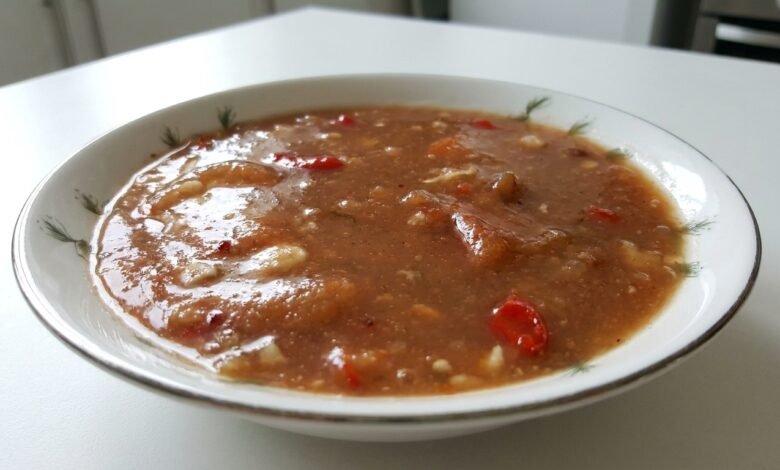
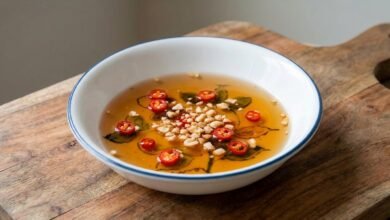
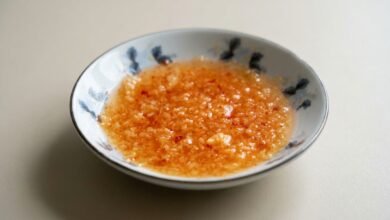
Tamarind sauce, known in Khmer as tirk umpel, is a small bowl with a big job at the Cambodian table. It brings together sour tamarind, salty fish sauce, and a touch of sugar into a glossy dipping sauce that wakes up grilled meat, seafood, and fresh spring rolls.
This version keeps things simple. You simmer tamarind pulp with water, stir in fish sauce and sugar, and finish with optional garlic and chili for extra punch. The result is a balanced sauce you can mix in one small saucepan and adjust to your own taste.
What You Need
The ingredient list is short. Tamarind pulp gives the sauce its sour backbone. Fish sauce adds salt and depth. Sugar rounds out the edges. Garlic and chili are optional, but they add a fresh, spicy kick that many Cambodian families enjoy.
Use seedless tamarind pulp for convenience. If your tamarind still has seeds, soak it in the warm water first and pick them out before cooking.
Equipment
- Small saucepan: To simmer the water and tamarind pulp until the liquid starts bubbling.
- Measuring cups: To measure the water accurately.
- Measuring spoons: To measure the tamarind pulp, sugar, and fish sauce.
- Wooden spoon or cooking spoon: To stir the tamarind mixture and dissolve the sugar.
- Garlic press or chef’s knife: To crush or finely chop the garlic if you are using it.
- Small serving bowl: To hold the finished sauce at the table.
How to Make Tamarind Sauce
Step 1: Simmer the Tamarind
Put 1/3 cup water and 2 tablespoons seedless tamarind pulp into a small saucepan. Stir and cook over medium heat until the water starts bubbling. The tamarind will soften and begin to break down into the water.
Step 2: Add the Seasonings
Add 2 tablespoons sugar, 2 tablespoons fish sauce, 2 cloves crushed garlic (if using), and 2 chopped hot peppers (if using). Stir well until the sugar dissolves completely.
Step 3: Cool and Serve
Remove the saucepan from the heat. Let the sauce cool before serving. Taste it and adjust as needed—more fish sauce for saltiness, more sugar for sweetness.
Cooking Tips
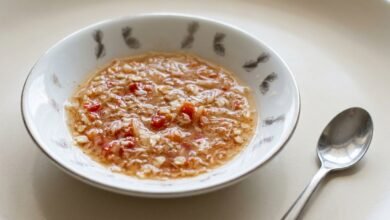
Tamarind pulp absorbs liquid quickly, almost like a sponge. If the sauce thickens too much as it sits, stir in a little extra fish sauce or water to loosen it.
Always taste the sauce before serving. The balance of sour, salty, and sweet is personal, and a small adjustment can make a big difference.
How to Serve
This sauce is a natural partner for grilled dishes. Try it with Cambodian BBQ Whole Chicken with Tamarind Sauce or spoon it over grilled fish and seafood.
It also works as a dressing. Toss it with the ingredients for Fish and Pork or Tofu Salad for a tangy, savory finish.
Recipe Notes
The recipe uses tamarind pulp, not tamarind concentrate. Pulp gives a rounder, more natural sourness. If you only have concentrate, start with a smaller amount and taste as you go.
Frequently Asked Questions
How long does tamarind sauce last?
Store leftover sauce in a covered container in the refrigerator. For food safety guidance on storing sauces, see the USDA recommendations for handling leftovers.
Is tamarind sauce gluten-free?
The sauce is naturally dairy-free and nut-free. However, some brands of fish sauce contain wheat. Check the label on your fish sauce if you need a gluten-free sauce.
Final Thoughts
Tamarind sauce is one of those condiments that proves how much flavor a few pantry staples can deliver. The next time you grill chicken, fish, or vegetables, keep this small saucepan recipe nearby. A quick simmer is all it takes to bring a bright, sour, and savory note to the table.
Tamarind Sauce
4
servings5
minutes5
minutes62
kcal10
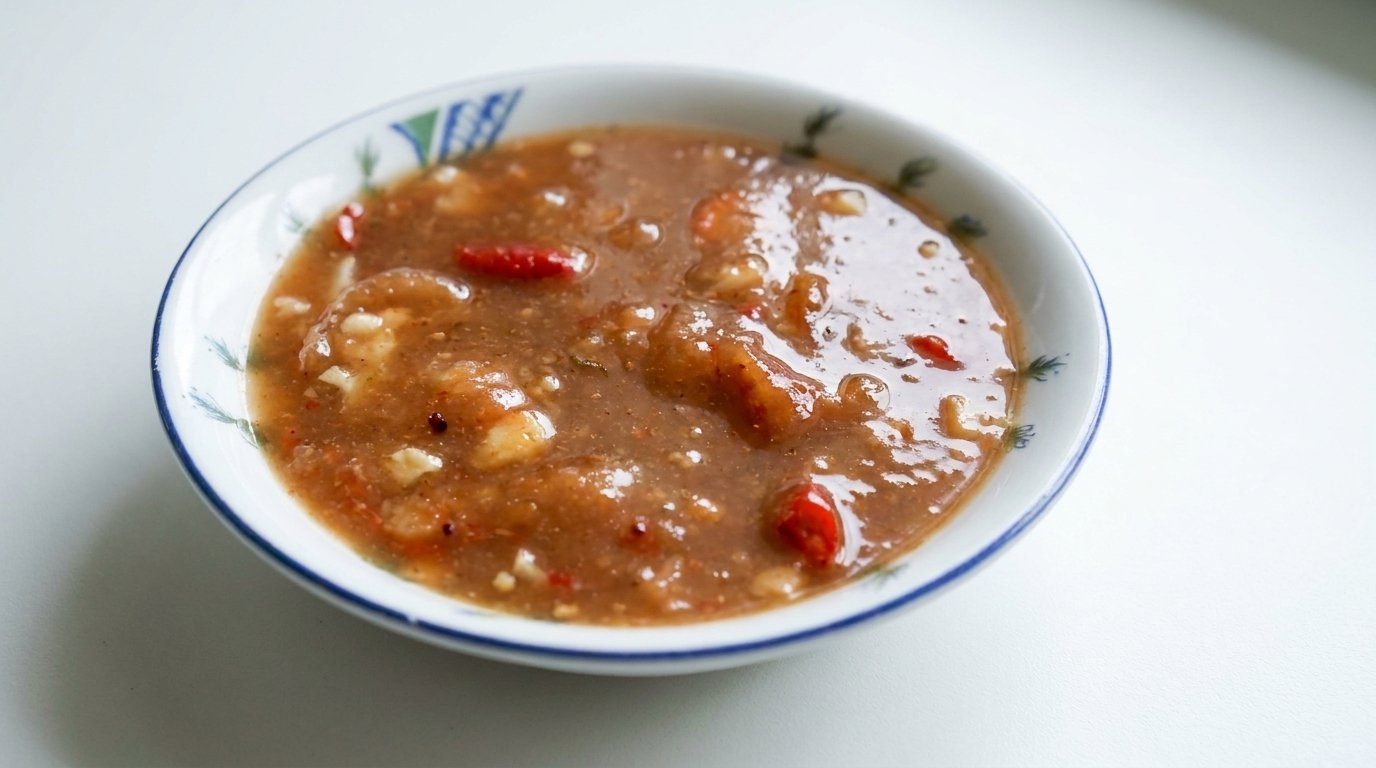
minutesThis sweet, sour, and spicy tamarind sauce is a classic Khmer condiment for grilled meat and seafood. It comes together in one small saucepan and can be adjusted to your taste.
Ingredients
1/3 cup water
2 tablespoons seedless tamarind pulps
2 tablespoons sugar
2 tablespoons fish sauce
2 cloves garlic, crushed (option)
2 chopped hot pepper (option)
Directions
- Put water and tamarind in a small sauce-pan, stirs and cook till water bubbling.
- Add sugar, fish sauce, garlic and hot chili pepper, stirs till sugar dissolved, removed from heat, let it cool before serve.
- Note: Tamarind absorb liquid very fast like sponge, add more fish sauce as you eat. If you like sweeter, add more sugar. More fish sauce if you like it saltier.
- Always taste the sauce to your liking before serve.
Equipment
 Chef’s KnifeCheck product details
 Garlic PressCheck product details
 Small bowlCheck product details
 Small potCheck product details
 Measuring Spoons & CupsCheck product details
 Wooden SpoonCheck product details





Recipe Video
Nutrition Facts
- Serving Size: 2 g
- Total number of serves: 4
- Calories: 62kcal
- Fat: 0.3g
- Saturated Fat: 0.1g
- Sodium: 712mg
- Potassium: 204mg
- Carbohydrates: 15g
- Net Carbs: 13.3g
- Fiber: 1.7g
- Sugar: 11.7g
- Protein: 1.4g
- Vitamin A: 93.3mcg
- Vitamin C: 76.9mg
- Calcium: 17mg
- Iron: 1mg
- Vitamin E: 1mg
- Vitamin K: 3.2mcg
- Thiamin: 0.1mg
- Riboflavin: 0.1mg
- Niacin: 0.9mg
- Vitamin B6: 0.2mg
- Folate: 33mcg
- Pantothenic Acid: 0.2mg
- Phosphorus: 27mg
- Magnesium: 30mg
- Selenium: 1.2mcg
- Manganese: 0.1mg
Did you make this recipe?
Tag @cambodiarecipe on Instagram and hashtag it
Like this recipe?
Follow us @cambodiarecipe on Pinterest
Did you make this recipe?
Follow us on Facebook