Ream National Park Guide: What to See, Things to Do & How to Visit
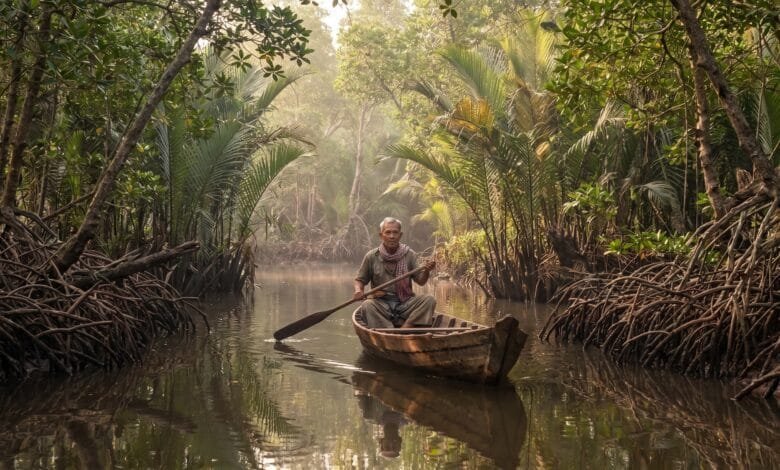
Ream National Park sits along Cambodia’s southern coast, about 18 kilometers from Sihanoukville. It is one of the country’s most accessible coastal protected areas, and it offers a different kind of Cambodian travel experience: mangrove channels instead of temple crowds, estuary boat rides instead of beach bars, and quiet forest trails instead of busy roads.
The park was established in 1993 and is officially known as Preah Sihanouk Ream National Park. Its landscape brings together rivers, mangrove forests, estuaries, beaches, coral reefs, and lowland forest. For travelers based in Sihanoukville who want to see a natural side of coastal Cambodia, Ream is a practical and rewarding day trip.
Quick Travel Information
| Field | Details |
|---|---|
| Location | About 18 km east of Sihanoukville, Preah Sihanouk Province, southwestern Cambodia |
| Province | Preah Sihanouk (Sihanoukville) Province |
| Type | National Park / Protected Area |
| Protected Area Status | Established in 1993; governed by the Ministry of Environment |
| Main Access Point | Ream commune / Prey Nob district area, along National Road 4 |
| How to Get There | Tuk-tuk, taxi, or private car from Sihanoukville (approximately 30 minutes); buses from Phnom Penh to Sihanoukville also pass near the park |
| Best Time to Visit | Dry season, November to April |
| Recommended Stay | Half a day to one full day |
| Main Activities | Boat trips through mangrove channels, nature walks, birdwatching, beach visits |
| Entrance Fee | Reported at approximately $5 per person; confirm current fee locally |
| Useful to Know | Guides and boats can usually be arranged locally; check current conditions before traveling |
Where Is Ream National Park?
Ream National Park is located in Preah Sihanouk Province, in southwestern Cambodia. It sits between the town of Ream and Sihanoukville, along the Gulf of Thailand coast. The park is close enough to Sihanoukville that you can visit it as a day trip without needing to change your base.
The park covers a mix of terrestrial and marine habitats. The Prek Teuk Sap river runs through the park and flows to the sea. The western side of the park includes two main hills, with Phnom Mollou reaching 277 meters, the highest point in the park. The islands of Koh Thmei and Koh Seh make up the eastern portion of the protected area.
For travelers coming from Phnom Penh, Ream is roughly 200 kilometers away by road. The drive typically takes around three hours, though this can vary depending on traffic and road conditions.
What Makes Ream National Park Special?
What sets Ream apart from Cambodia’s better-known inland parks is its coastal character. The park protects mangrove forests, freshwater wetlands, seagrass beds, evergreen forest, beaches, coral reefs, and offshore islands in close proximity. This combination of marine and terrestrial ecosystems makes it ecologically significant and visually varied.
The mangrove forests are a highlight. They form a maze of channels and roots that you can explore by small boat. At low tide, you can see fiddler crabs and mudskippers moving across the mudflats. The mangrove areas also serve as nursery habitat for fish and other marine life.
The park is also part of the Cardamom Mountains-Kirirom bird area, and it supports a range of bird species including hornbills, kingfishers, and herons. Wildlife reported in the park includes rhesus monkeys, monitor lizards, and various small mammals. Dolphins have been observed in the bay, though sightings are never guaranteed.
What to See
Mangrove forests and channels. The mangrove system is the park’s defining natural feature. Boat trips through the channels offer close views of the root systems, birds, and small wildlife.
Ream estuary. The Prek Teuk Sap river mouth creates a sheltered estuary environment. This is where many boat tours begin and where you can see a mix of freshwater and marine habitats.
Koh Thmei island. This island lies within the park and is known for its quiet beaches and coastal forest. A small eco-lodge operates on the island, though it is best to confirm current availability before planning a stay.
Beaches. Ream Beach and nearby stretches of sand offer a quieter alternative to Sihanoukville’s busier beaches. Some beach areas within the park remain relatively undeveloped.
Phnom Mollou. The park’s highest hill offers a viewpoint over the surrounding landscape. Access may require a guide, and trail conditions can vary.
Things to Do
Boat trips through mangrove channels. This is the most popular way to experience the park. Small boats travel along the river and through mangrove-lined canals. Tours typically last a few hours and can be arranged from Sihanoukville or locally near the park.
Nature walks and forest trails. Short trails pass through forest and along the coast. Trails are generally not long or technical, but conditions can change with the season. Hiring a local guide is recommended, especially for first-time visitors.
Birdwatching. The park’s wetlands, mangroves, and forests attract a variety of bird species. Early morning is usually the best time for bird activity.
Beach visits. Some beaches within or near the park are accessible and suitable for a quiet walk or a rest. Swimming conditions depend on the season and local advice.
Photography. The mangrove channels, estuaries, and coastal landscapes offer strong photographic opportunities, especially in the softer light of morning and late afternoon.
Wildlife and Nature
Ream National Park supports a range of wildlife, though sightings are never guaranteed. The park’s habitats include lowland evergreen forest, melaleuca forest, and mangrove forest. Wildlife reported in the area includes rhesus monkeys, dugongs, turtles, dolphins, mouse-deer, Sarus cranes, and pelicans.
The mangrove forests are particularly important for fish and invertebrate species. The seagrass beds in sheltered bays provide habitat for sea turtles and dugongs. Coral reefs around the offshore islands support diverse fish communities.
It is important to remember that this is a protected natural area, not a zoo. Wildlife is wild, and what you see depends on season, time of day, weather, and luck. Respect any rules about not feeding or disturbing animals.
How to Get There
The most common starting point for visiting Ream National Park is Sihanoukville. From there, the park is about 18 kilometers away. A tuk-tuk or taxi from Sihanoukville typically takes around 30 minutes, though traffic and road conditions can affect travel time.
If you are coming from Phnom Penh, you can take a bus or shared van to Sihanoukville. The journey usually takes several hours. From Sihanoukville, you can arrange local transport to the park. Private cars and taxis are also an option for travelers who prefer more flexibility.
Once at the park area, boat trips and guides can often be arranged locally. It is a good idea to confirm availability and current arrangements before you go, especially outside the main tourist season.
When to Visit
The dry season, from November to April, is generally considered the best time to visit Ream National Park. During these months, the weather is typically drier and cooler, and sea conditions are calmer. This makes boat trips and outdoor activities more comfortable.
The wet season, from May to October, brings heavier rain and rougher seas. Some boat services may be limited during this period, and trails can be muddy or difficult. The park remains open, but visiting requires more flexibility and preparation.
Temperatures in the area generally range between 25°C and 35°C (77°F to 95°F) year-round. Starting activities early in the morning can help you avoid the midday heat.
How Long to Stay
For most travelers, half a day is enough to take a boat trip through the mangrove channels and see the main natural features of the park. A full day allows more time for a nature walk, a beach visit, and a slower pace.
If you want to explore Koh Thmei or spend time on the trails, plan for a full day or consider an overnight stay. The park is not large, but the experience is more about slowing down than covering distance.
Where to Stay
Accommodation inside the park is limited. There are some simple options near Ream Beach and on Koh Thmei, but availability can change. Most travelers stay in Sihanoukville and visit the park as a day trip, which offers a wider range of hotels, guesthouses, and restaurants.
If you prefer to stay closer to nature, check current options before you go. Some places may close seasonally or change management.
What to Pack
- Comfortable walking shoes or sandals suitable for uneven ground
- Water
- Sun protection (hat, sunscreen, sunglasses)
- Rain protection, especially in the wet season
- Insect repellent
- Light, breathable clothing
- Camera
- Reusable water bottle
Travel Tips
- Arrive early in the morning for cooler temperatures and better wildlife activity.
- Bring cash for local fees and services. Do not assume card payment is available.
- Confirm boat and guide availability before you travel to the park.
- Respect local rules and any instructions from park staff or guides.
- Mobile service may be limited in some parts of the park.
Responsible Travel
Ream National Park is a protected area. Visitors can help keep it that way by following a few simple principles:
- Do not litter. Take everything you bring back out with you.
- Stay on permitted trails and do not create new paths through vegetation.
- Do not feed or disturb wildlife.
- Do not remove plants, rocks, shells, or other natural objects.
- Respect local communities and their access to natural resources.
- Follow park rules and any instructions from rangers or guides.
- Use designated areas for any activities that are permitted.
Is This Place Right for You?
Ream National Park may appeal to travelers who want a coastal nature experience near Sihanoukville without traveling deep into Cambodia’s interior. It suits nature lovers, photographers, birdwatchers, and travelers looking for a quieter alternative to beach-focused days.
It may be less suitable for travelers seeking dramatic mountain scenery, long treks, or guaranteed wildlife encounters. The park is more about mangroves, estuaries, and gentle coastal landscapes than high-adventure trekking.
Families with young children may find the boat trips and short walks manageable, but conditions can be hot and humid. Travelers with limited mobility should check access options in advance.
Frequently Asked Questions
Where is Ream National Park?
It is in Preah Sihanouk Province, about 18 kilometers from Sihanoukville in southwestern Cambodia.
How do I get to Ream National Park?
From Sihanoukville, you can take a tuk-tuk, taxi, or private car. From Phnom Penh, take a bus or van to Sihanoukville and then arrange local transport.
What can I do in Ream National Park?
Common activities include boat trips through mangrove channels, nature walks, birdwatching, and beach visits.
How long do I need to visit?
Half a day is enough for a boat trip and a short walk. A full day allows more time for exploring.
What should I bring?
Comfortable shoes, water, sun protection, insect repellent, and rain protection depending on the season.
Is there an entrance fee?
An entrance fee of approximately $5 per person has been reported. Fees can change, so confirm locally before your visit.
Can I visit without a guide?
Some areas may be accessible independently, but a local guide is recommended for boat trips and forest trails.
Conclusion
Ream National Park offers a coastal nature experience that is easy to reach from Sihanoukville. Its mangrove channels, estuary, forest, and beaches give travelers a chance to see a different side of Cambodia’s southern coast. It is best suited to nature lovers, photographers, and travelers who enjoy slow-paced outdoor exploration. The main practical consideration is planning around the seasons and confirming local arrangements before you go. For travelers based in Sihanoukville, it is a worthwhile half-day or full-day escape into a protected coastal environment.