Essential Khmer Phrases for Travelers: What to Say in Cambodia
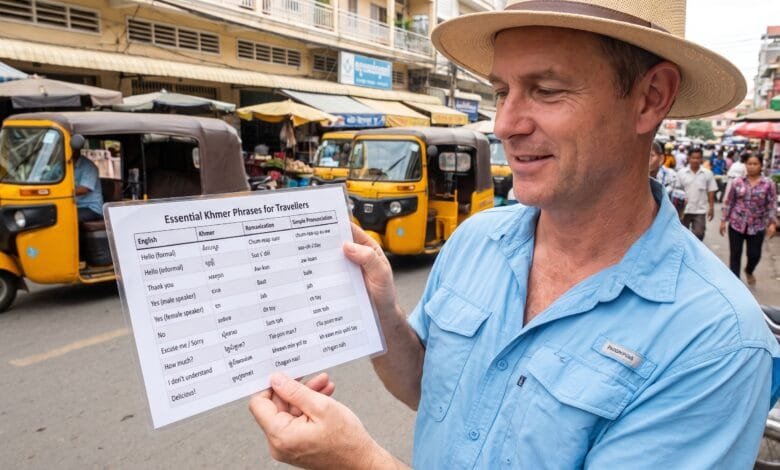
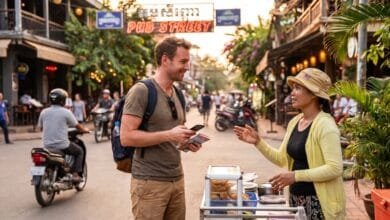
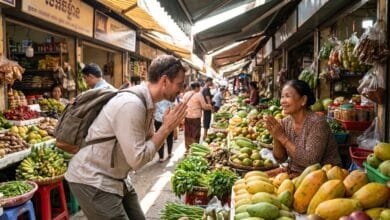
You step up to a fruit stall at Psar Thmei in Phnom Penh. The vendor looks up. You point at a cluster of ripe mangoes. She says something in Khmer. You smile, hold up your hands in the sampeah gesture, and say, “Sua s’dei.” Her face breaks into a wide grin. She nods and reaches for the best mangoes in the pile. That one word — hello — just changed the entire interaction.
You don’t need to speak Khmer fluently to travel in Cambodia. English is widely spoken in tourist areas like Siem Reap and Phnom Penh. But learning just a handful of Khmer phrases transforms your trip. It shows respect. It opens doors. And in a country where warmth and hospitality are deeply valued, it earns you smiles you wouldn’t otherwise receive.
This guide gives you the essential Khmer phrases you’ll actually use — at markets, hotels, restaurants, and temples. Every phrase includes verified Khmer script, simple pronunciation for English speakers, and real travel context.
Quick Answer: The 10 Khmer Phrases Every Traveler Should Know
If you learn nothing else, learn these:
| English | Khmer | Romanization | Simple Pronunciation |
|---|---|---|---|
| Hello (formal) | ជំរាបសួរ | Chum reap suor | chum-ree-up su-aw |
| Hello (informal) | សួស្តី | Sua s’dei | soo-uh s’day |
| Thank you | អរគុណ | Aw-kun | aw-koon |
| Yes (male speaker) | បាទ | Baat | baht |
| Yes (female speaker) | ចា | Jah | jah |
| No | អត់ទេ | Ot tey | ot-tay |
| Excuse me / Sorry | សុំទោស | Som toh | som-toh |
| How much? | ថ្លៃប៉ុន្មាន? | Tlai pon man? | t’lie poan man |
| I don’t understand | ខ្ញុំមិនយល់ទេ | Khnom min yol te | kh-nom min yohl tay |
| Delicious! | ឆ្ងាញ់ណាស់! | Chngan nas! | ch’ngan nah |
How Do You Say Hello in Khmer?
Khmer has two main ways to say hello, and the one you choose matters.
Chum reap suor (ជំរាបសួរ) is the formal greeting. Use it with elders, officials, monks, or anyone you meet in a formal setting. It’s pronounced roughly “chum-ree-up su-aw.”
Sua s’dei (សួស្តី) is the informal, everyday greeting. This is what you’ll use with vendors, tuk-tuk drivers, hotel staff, and new friends. It sounds like “soo-uh s’day.”
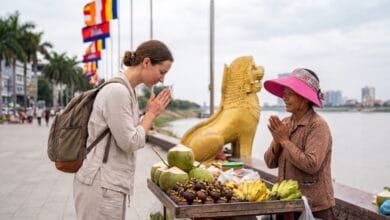
When you say either greeting, you can pair it with the sampeah — pressing your palms together at chest height with a slight bow. The higher your hands and the lower your bow, the more respect you’re showing. For everyday tourist interactions, chest-height palms and a small nod are perfectly appropriate.
A quick note on “yes”: Men say baat (បាទ) and women say jah (ចា). This distinction is appreciated, and using the correct form signals that you’ve made an effort to learn the language properly.
How Do You Say Thank You in Khmer?
Aw-kun (អរគុណ) is the standard way to say thank you. It’s one of the easiest and most rewarding Khmer words to learn — the sound is friendly, and Cambodians light up when they hear a foreigner say it.
If you want to express extra gratitude, say aw-kun ch’ran (អរគុណច្រើន), which means “thank you very much.”
You can also pair “aw-kun” with a small sampeah gesture when thanking someone, especially if they’ve done something meaningful for you. In Khmer culture, the sampeah is used not just for greetings but also for saying thanks or apologizing.
How Do You Say Sorry or Excuse Me?
Som toh (សុំទោស) covers both “sorry” and “excuse me.” Use it if you accidentally bump into someone, need to get past a crowd, or want to politely interrupt.
The same phrase works when you need to apologize for not understanding something. A smile and “som toh” go a long way.
Essential Khmer Numbers for Markets and Taxis
Numbers are some of the most practical Khmer words you’ll use. Whether you’re bargaining at a market or telling a tuk-tuk driver your destination, knowing your numbers helps.
| Number | Khmer | Romanization | Simple Pronunciation |
|---|---|---|---|
| 1 | មួយ | Muay | moo-ay |
| 2 | ពីរ | Bpii | bpee |
| 3 | បី | Bey | bay |
| 4 | បួន | Buan | boo-un |
| 5 | ប្រាំ | Bpram | bpram |
| 6 | ប្រាំមួយ | Bpram-muay | bpram-moo-ay |
| 7 | ប្រាំពីរ | Bpram-bpii | bpram-bpee |
| 8 | ប្រាំបី | Bpram-bey | bpram-bay |
| 9 | ប្រាំបួន | Bpram-buan | bpram-boo-un |
| 10 | ដប់ | Dɔp | dop |
A useful pattern: Numbers 6 through 9 are formed by adding 5. So 6 is “five-one,” 7 is “five-two,” and so on. Once you know 1–5, you can count to 9 without memorizing anything new.
Khmer Phrases for Markets and Shopping
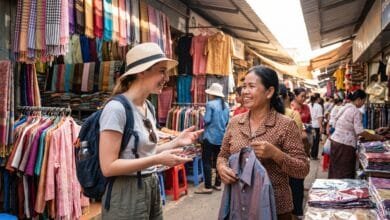
Cambodian markets are vibrant, chaotic, and wonderful. Bargaining is expected — it’s part of the social experience, not a confrontation.
How much does it cost?
Khmer: ថ្លៃប៉ុន្មាន?
Romanization: Tlai pon man?
Pronunciation: t’lie poan man
This is your single most important market phrase.
Too expensive.
Khmer: ថ្លៃណាស់
Romanization: Tlai nas
Pronunciation: t’lie nah
A gentle way to begin negotiating. Say it with a smile.
Cheap.
Khmer: ថោក
Romanization: Thaok
Pronunciation: towk
Useful when you want to acknowledge a fair price or ask for something more affordable.
I want to buy this.
Khmer: ខ្ញុំចង់ទិញនេះ
Romanization: Khnom chong tinh nih
Pronunciation: kh-nom chong tin nee
A cultural note: Going too low in your bargaining can seem disrespectful. Accepting the first price can seem naive. A smile, a few words of Khmer, and a fair counteroffer create the best experience for everyone.
Khmer Phrases for Restaurants and Food
Food is one of the great joys of traveling in Cambodia, and a few words make ordering easier.
Delicious!
Khmer: ឆ្ងាញ់ណាស់!
Romanization: Chngan nas!
Pronunciation: ch’ngan nah
Say this after your first bite of fish amok or beef lok lak. It’s a compliment that will make your server beam.
I don’t understand.
Khmer: ខ្ញុំមិនយល់ទេ
Romanization: Khnom min yol te
Pronunciation: kh-nom min yohl tay
Use this when the menu is entirely in Khmer and you need help.
Can you make it not spicy?
Khmer: សូមកុំដាក់គ្រឿង
Romanization: Som kom dak kreung
Pronunciation: som kom dak krung
Useful if you’re sensitive to heat.
Khmer Phrases for Hotels and Transportation
Where is the bathroom?
Khmer: បង្គន់នៅឯណា?
Romanization: Bongkon nov na?
Pronunciation: bong-kon noh nah
The word bongkon (បង្គន់) means toilet or bathroom.
I want to go to…
Khmer: ខ្ញុំចង់ទៅ…
Romanization: Khnom chong tov…
Pronunciation: kh-nom chong dtov…
Just add your destination. For example, “Khnom chong tov Angkor Wat.”
Stop here, please.
Khmer: ឈប់នៅទីនេះ
Romanization: Chhop nov ti nih
Pronunciation: chup noh tee nee
Useful for tuk-tuks and taxis.
What Foreign Visitors Should Know About Khmer
No tones, no verb conjugations. Unlike Thai or Vietnamese, Khmer is not a tonal language. The same word doesn’t change meaning based on pitch. And Khmer verbs don’t change form based on tense or subject. This makes basic spoken Khmer more approachable than many travelers expect.
Politeness matters. Khmer has formal and informal registers. Using “chum reap suor” with an elder or monk shows respect. Using “sua s’dei” with a market vendor is friendly and appropriate. Cambodians genuinely appreciate any effort to learn their language, even if pronunciation isn’t perfect.
The sampeah is not just for greeting. This gesture — palms together with a slight bow — is also used to say thank you, apologize, and show respect. The higher your hands and the deeper your bow, the more respect you’re conveying.
Common Mistakes to Avoid
Using the wrong “yes.” Men should say “baat” and women should say “jah.” Using the wrong one isn’t offensive, but using the right one shows attention to detail.
Forgetting the sampeah. A verbal greeting alone is fine, but adding the sampeah gesture elevates the interaction. It’s a small movement that carries significant cultural weight.
Bargaining too aggressively. In Cambodia, bargaining is a social dance, not a battle. A smile and a fair offer go further than hard negotiation.
Assuming everyone speaks English. English is common in tourist areas, but less so in rural markets and local neighborhoods. A few Khmer words bridge the gap.
Other Useful Khmer Words and Phrases
| English | Khmer | Romanization | Pronunciation |
|---|---|---|---|
| Goodbye (formal) | ជំរាបលា | Chum reap lea | chum-ree-up lee-uh |
| Goodbye (informal) | លាហើយ | Lea hoy | lee-uh hoy |
| Please | សូម | Som | som |
| You’re welcome | មិនអីទេ | Min ey te | min ay tay |
| How are you? | សុខសប្បាយទេ? | Sok sabai te? | sok sa-buy tay |
| I’m fine, thank you | ខ្ញុំសុខសប្បាយ អរគុណ | Khnom sok sabai, aw-kun | kh-nom sok sa-buy, aw-koon |
| My name is… | ខ្ញុំឈ្មោះ… | Khnom chmuah… | kh-nom chmoo-uh… |
| Nice to meet you | រីករាយដែលបានជួប | Rik-riay dael ban juab | rik-rye del bahn joop |
Frequently Asked Questions
What language do people speak in Cambodia?
Khmer (ភាសាខ្មែរ) is the official language of Cambodia. It’s spoken by about 16 million people and is the second most widely spoken Austroasiatic language after Vietnamese.
Is Khmer difficult for English speakers?
Spoken Khmer is more accessible than many travelers expect. There are no tones and no verb conjugations. The writing system is complex, but you don’t need to read Khmer to speak a few useful phrases.
Do tourists need to learn Khmer?
No — English is widely spoken in tourist areas. But learning a few phrases shows respect, makes interactions warmer, and is genuinely appreciated.
What is the easiest Khmer word to learn?
“Aw-kun” (thank you) is one of the easiest and most rewarding. It’s short, the pronunciation is straightforward, and it always gets a positive reaction.
How do you say hello in Khmer?
The informal greeting is “Sua s’dei” (សួស្តី). The formal greeting is “Chum reap suor” (ជំរាបសួរ). Use the informal version with most people you meet during your travels.
Can English speakers travel in Cambodia without speaking Khmer?
Yes. English is common in hotels, restaurants, and tourist areas. But in rural markets and local neighborhoods, a few Khmer words make everything easier and more enjoyable.
Conclusion
You don’t need to become fluent in Khmer to have a meaningful trip to Cambodia. You need maybe ten words. A greeting. A thank you. A “how much?” A smile. That’s enough to turn a transaction into an interaction, and an interaction into a memory.
The phrases in this guide are simple, verified, and genuinely useful. Practice them before you go. Say them with confidence when you arrive. And when a vendor’s face lights up because you said “aw-kun” instead of just handing over money — that’s the moment you’ll understand why a little Khmer goes such a long way.