Coconut Sauce
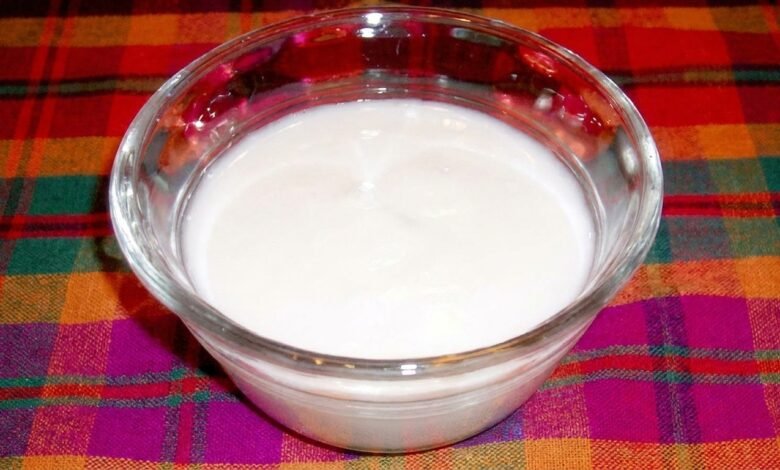
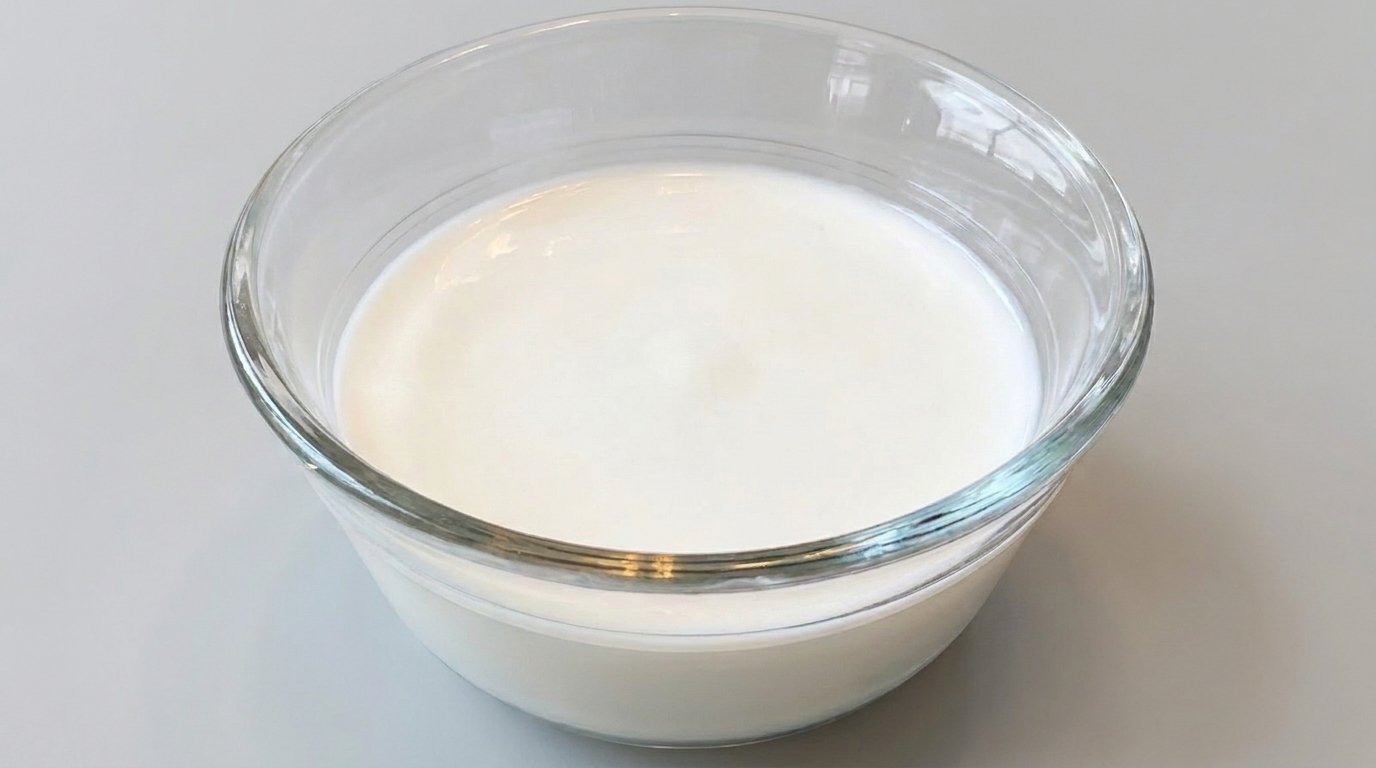
Cambodian coconut sauce, known as tirk doung, is a quiet kitchen staple in Khmer homes. It is a simple simmer of coconut milk, a little sugar, cornstarch, and salt until it turns silky and pourable.
You will see it spooned over Cambodian desserts, especially coconut pound cake with fresh mango. It is barely sweet, gently salty, and rich enough to coat the back of a spoon. If you keep a can of coconut milk in your pantry, you are already most of the way there.
What You Need
This sauce uses four ingredients, and each one has a job. Full-fat coconut milk gives the sauce its body and natural sweetness. A small amount of sugar rounds out the flavor without turning it into a sugary syrup. Cornstarch is what thickens the sauce as it simmers. Salt keeps the sweetness in check and makes the coconut taste more like itself.
Use full-fat canned coconut milk for the creamiest result. Light coconut milk will work, but the sauce will be noticeably thinner.
Equipment
- Small saucepan: To simmer the coconut milk, sugar, cornstarch, and salt together until the sauce thickens.
- Measuring cups: To measure the coconut milk accurately.
- Measuring spoons: To measure the sugar, cornstarch, and salt.
- Whisk or wooden spoon: To stir the ingredients smoothly as they heat, so the cornstarch dissolves without lumps.
- Heatproof spatula or spoon: To scrape down the sides of the pan and check the sauce’s consistency.
- Small serving jug or bowl: To hold the finished sauce for spooning over dessert.
How to Make Cambodian Coconut Sauce
Step 1: Combine Everything in the Pan
Pour the coconut milk into a small saucepan. Add the sugar, cornstarch, and salt.
Whisk or stir well before turning on the heat. The cornstarch should be fully dissolved with no dry pockets at the bottom of the pan. This step prevents lumps later.
Step 2: Simmer Until Thickened
Place the saucepan over medium heat. Bring the mixture to a gentle simmer, stirring often.
Keep simmering and stirring until the sauce thickens enough to coat the back of a spoon. This usually takes only a few minutes once the mixture is hot. Do not let it boil hard, or the coconut milk may split.
Step 3: Cool and Serve
Remove the pan from the heat. Let the sauce cool for a minute or two. It will thicken a little more as it sits.
Pour it into a small jug or bowl and serve it warm over cake, fruit, or pudding.
Cooking Tips
- Mix before heating. Stirring the cornstarch into cold coconut milk before the pan goes on the stove is the easiest way to avoid lumps. Once the liquid is hot, the starch sets quickly and clumps are harder to smooth out.
- Keep the heat gentle. A soft simmer is enough. A rolling boil can make the coconut milk look grainy or separated.
- Adjust thickness with cornstarch, not heat. If the sauce stays thin after several minutes of simmering, whisk in a teaspoon more cornstarch dissolved in a splash of water. Add it gradually.
- Taste after it thickens. The flavor concentrates as the sauce reduces slightly. If it tastes too sweet, a tiny extra pinch of salt will bring it back into balance.
How to Serve
The most traditional pairing on a Cambodian table is sliced ripe mango and a slice of coconut pound cake, with the sauce poured over the top while it is still warm. The sauce soaks into the cake and pools around the fruit.
It also works as a warm drizzle for rice pudding, baked bananas, or a simple bowl of fresh pineapple. Some home cooks serve it lightly chilled in summer, though it is thickest and most pourable when warm.
If you enjoy coconut-based Khmer sweets, this sauce is also the finishing touch for Cambodian corn pudding, where a spoonful melts into the warm rice and corn. You can also try it over Cambodian coconut sponge cake for a double-coconut dessert.
Frequently Asked Questions
Can I make Cambodian coconut sauce ahead of time?
Yes. Make it up to a day in advance and store it covered in the refrigerator. It will firm up when cold. Reheat it gently on the stove or in short bursts in the microwave, stirring between bursts, until it loosens back to a pourable consistency.
What can I use instead of cornstarch?
Cornstarch is the thickener in this recipe. Tapioca starch can be used in the same amount, though the final texture will be slightly stretchier. Arrowroot powder also works but can turn cloudy if overheated. Do not replace the cornstarch with flour; the flavor and texture will be different.
Why did my coconut sauce turn grainy?
Grainy sauce usually means the coconut milk boiled too hard or was heated too quickly. Keep the pan over medium or medium-low heat and stir steadily. If the sauce has already split, take it off the heat and whisk vigorously. It may smooth out, but the texture will not be as silky as a sauce that never boiled.
Is this coconut sauce sweet or savory?
It sits in between. The sugar is a background note, not the main flavor. The salt and coconut milk keep it gently savory. It is sweet enough for dessert but not so sweet that it tastes like frosting.
Final Thoughts
Tirk doung is the kind of sauce that takes almost no effort but makes a dessert feel finished. Four ingredients and one pan are all it asks for. Once you have made it a few times, you will know by the feel of the spoon whether it needs another minute or another pinch of salt. Keep a can of coconut milk on the shelf, and you can have a warm Cambodian coconut sauce ready before the cake is even sliced.
Coconut Sauce
4
servings10
minutes10
minutes289
kcal20
minutesTirk doung is a traditional Khmer coconut sauce used to finish desserts. It comes together in one small saucepan with four everyday ingredients. The sauce is barely sweet, gently salted, and thick enough to spoon over cake, fruit, or pudding.
Ingredients
2 cups fresh coconut milk or 1 large canned coconut milk
1/2 tablespoon sugar
1 tablespoon cornstarch
1/4 teaspoon salt
Directions
- In a small sauce-pan, mix all ingredients together
- Simmering till sauce thicken.
Equipment
 Large bowlCheck product details
 Measuring Spoons & CupsCheck product details
 Small potCheck product details

 Wooden SpoonCheck product details
 SpatulaCheck product details




Recipe Video
Nutrition Facts
- Serving Size: 4 g
- Total number of serves: 4
- Calories: 289kcal
- Fat: 28.6g
- Saturated Fat: 25.3g
- Sodium: 164mg
- Potassium: 316mg
- Carbohydrates: 10g
- Net Carbs: 7.3g
- Fiber: 2.7g
- Sugar: 5.5g
- Protein: 2.8g
- Vitamin C: 3.4mg
- Calcium: 19mg
- Iron: 2mg
- Vitamin E: 0.2mg
- Niacin: 0.9mg
- Folate: 19.2mcg
- Pantothenic Acid: 0.2mg
- Phosphorus: 120mg
- Magnesium: 44mg
- Zinc: 1mg
- Selenium: 7.5mcg
- Copper: 0.3mg
- Manganese: 1.1mg
Did you make this recipe?
Tag @cambodiarecipe on Instagram and hashtag it
Like this recipe?
Follow us @cambodiarecipe on Pinterest
Did you make this recipe?
Follow us on Facebook