Thai Traditional Monkfish Curry
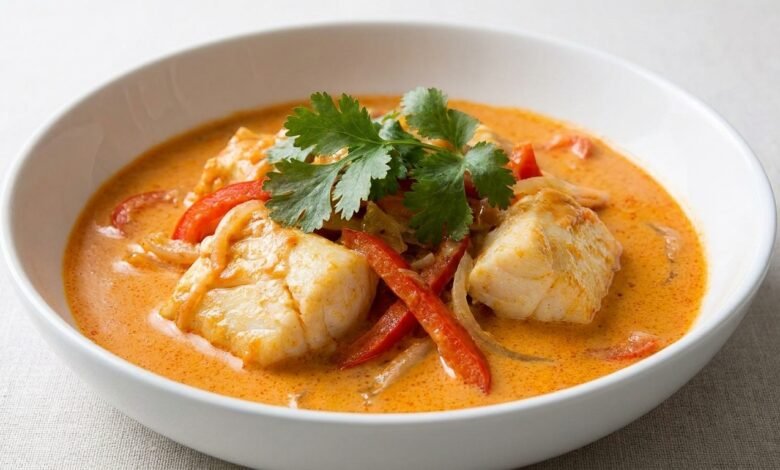
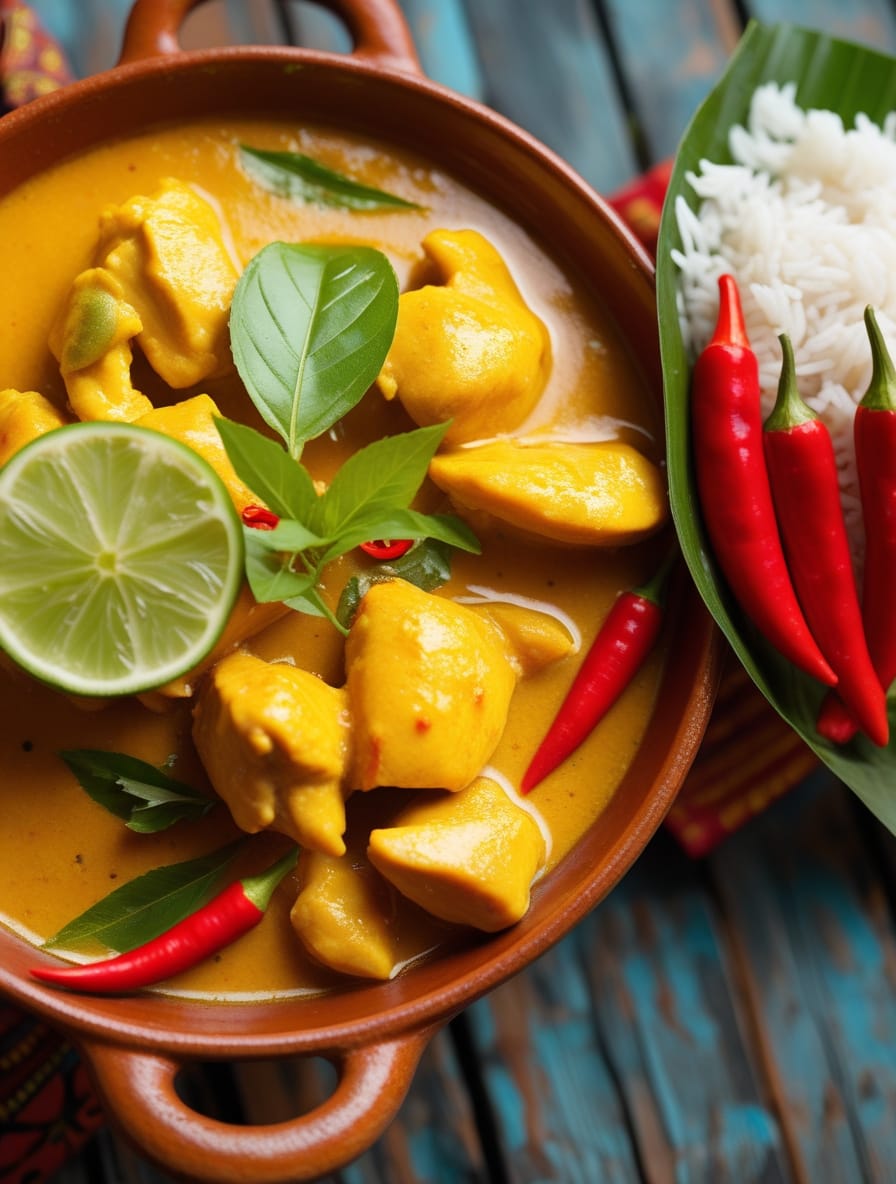
Monkfish holds its shape in a simmering sauce better than most delicate white fish. It stays firm and meaty, so every cube remains intact while the coconut milk and red curry paste build a fragrant, gently spicy broth around it.
This is a straightforward weeknight curry. The paste does most of the flavor work, and the fish cooks in under ten minutes once the sauce is ready. Serve it over jasmine rice so the sauce has somewhere to go.
What You Need
Monkfish is the center of this dish. Look for firm, pearly white fillets and cut them into even cubes so they cook at the same rate. The sauce comes from red Thai curry paste and a full can of coconut milk, with onion and red bell pepper adding sweetness and texture. Fish sauce, lime juice, and fresh cilantro finish the pot with salt, brightness, and a clean herbal note.
If monkfish is difficult to find, any firm white fish that holds its shape during a simmer will work in the same way. The cooking time may be slightly shorter for thinner fillets.
Equipment
- Large saucepan or deep skillet: To hold the coconut milk, vegetables, and monkfish without crowding so the fish simmers evenly.
- Chef’s knife: To finely chop the onion, chop the bell pepper, and cut the monkfish into cubes.
- Cutting board: To give you a steady surface for preparing the onion, pepper, and fish.
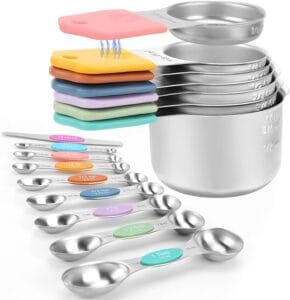
- Measuring spoons: To measure the curry paste, fish sauce, and lime juice.
- Measuring cup: To measure the coconut milk if your can does not list its volume clearly.
- Wooden spoon or cooking spoon: To stir the onion, pepper, and curry paste and to gently move the fish without breaking it.
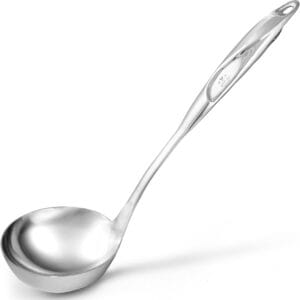
- Ladle or serving spoon: To transfer the curry and sauce into serving bowls.
How to Make Thai Traditional Monkfish Curry
Step 1: Soften the Onion
Heat the peanut oil in a large saucepan over medium heat. Add the chopped onion and cook for 3 to 5 minutes, until it softens and turns translucent. Stir occasionally so it cooks evenly without browning.
Step 2: Add the Bell Pepper
Add the chopped red bell pepper to the pan. Continue cooking for another 3 to 5 minutes, until the pepper softens slightly but still holds its shape.
Step 3: Bloom the Curry Paste
Stir in the red Thai curry paste and cook for 1 minute. The paste will darken slightly and release its aroma into the oil.
Step 4: Add the Coconut Milk and Monkfish
Pour in the coconut milk and stir to dissolve the paste into the liquid. Bring it slowly to a simmer. Once small bubbles break the surface, add the cubed monkfish. Simmer for 7 to 10 minutes, until the fish is firm and the center is no longer opaque.
Step 5: Finish the Curry
Stir in the fish sauce, lime juice, and chopped cilantro just before serving. Taste the sauce and adjust with a little more fish sauce if it needs salt, or lime juice if it needs brightness. Spoon the curry over rice and serve hot.
Cooking Tips
Keep the heat moderate. A gentle simmer is enough to cook the monkfish through. A hard boil can toughen the fish and break the cubes apart.
Adjust the curry paste to your heat preference. Three tablespoons of red Thai curry paste gives a medium warmth in this amount of coconut milk. Use less if you are serving people who prefer mild food, or add a little more if you want a stronger kick.
Do not stir the fish too often. Once the monkfish is in the pot, stir gently once or twice to keep it from sticking. Over-stirring breaks the cubes and clouds the sauce.
How to Serve
Spoon the curry and sauce over steamed jasmine rice. The rice soaks up the coconut broth and balances the heat from the paste.
If you want something green on the side, plain steamed bok choy or a simple cucumber salad works well without competing with the curry. A wedge of lime on the plate lets each person add more brightness at the table.
For another fish curry from the CambodiaRecipe kitchen, you can try our Cambodian fish curry with coconut sauce. It uses a different paste and a longer simmer, but the same idea of fish gently cooked in a fragrant coconut broth.
Recipe Notes
Fish safety: Monkfish should be cooked until it is firm and opaque in the center. The supplied recipe uses 7 to 10 minutes of simmering for cubed fish, which is enough for pieces of even size. The U.S. Food and Drug Administration lists monkfish as an acceptable market name for Lophius piscatorius in its Seafood List, which is a useful reference when buying fish at the counter.
Curry paste labels: Red Thai curry paste brands vary in salt, heat, and whether they contain shrimp paste or other allergens. Check the label if you are cooking for someone with a shellfish allergy or a restricted diet.
Frequently Asked Questions
Can I use a different fish?
Yes. Any firm white fish that holds its shape during a short simmer will work. Cod, halibut, and haddock are common substitutes, but they may cook faster than monkfish, so check them a few minutes earlier.
How spicy is this curry?
The heat comes from the red Thai curry paste, not from added chilies. Three tablespoons in this amount of coconut milk gives a moderate warmth. If you are unsure, start with two tablespoons and add more after tasting the sauce.
Can I make this curry ahead of time?
The curry is best served right after the fish is cooked. If you refrigerate leftovers, the fish may firm up further and the sauce may thicken. Reheat gently on the stovetop with a splash of water or coconut milk, but avoid boiling so the fish does not toughen.
Final Thoughts
What makes this monkfish curry worth keeping in your rotation is how little effort it asks for and how complete it tastes. The paste and coconut milk do the heavy lifting, and the fish stays tender because it spends only a short time in the pan. Cook it once for a quick dinner, and the timing becomes easy to remember the next time.
If you enjoy building curries from a paste base, our Khmer red chicken curry is a natural next step. It uses a Cambodian kroeung paste instead of Thai red curry paste, but the same principle applies: bloom the paste, build the sauce, and let the protein simmer gently. For a steamed Cambodian fish curry, our fish amok guide explains the banana-leaf method and the kroeung that gives amok its custardy texture.
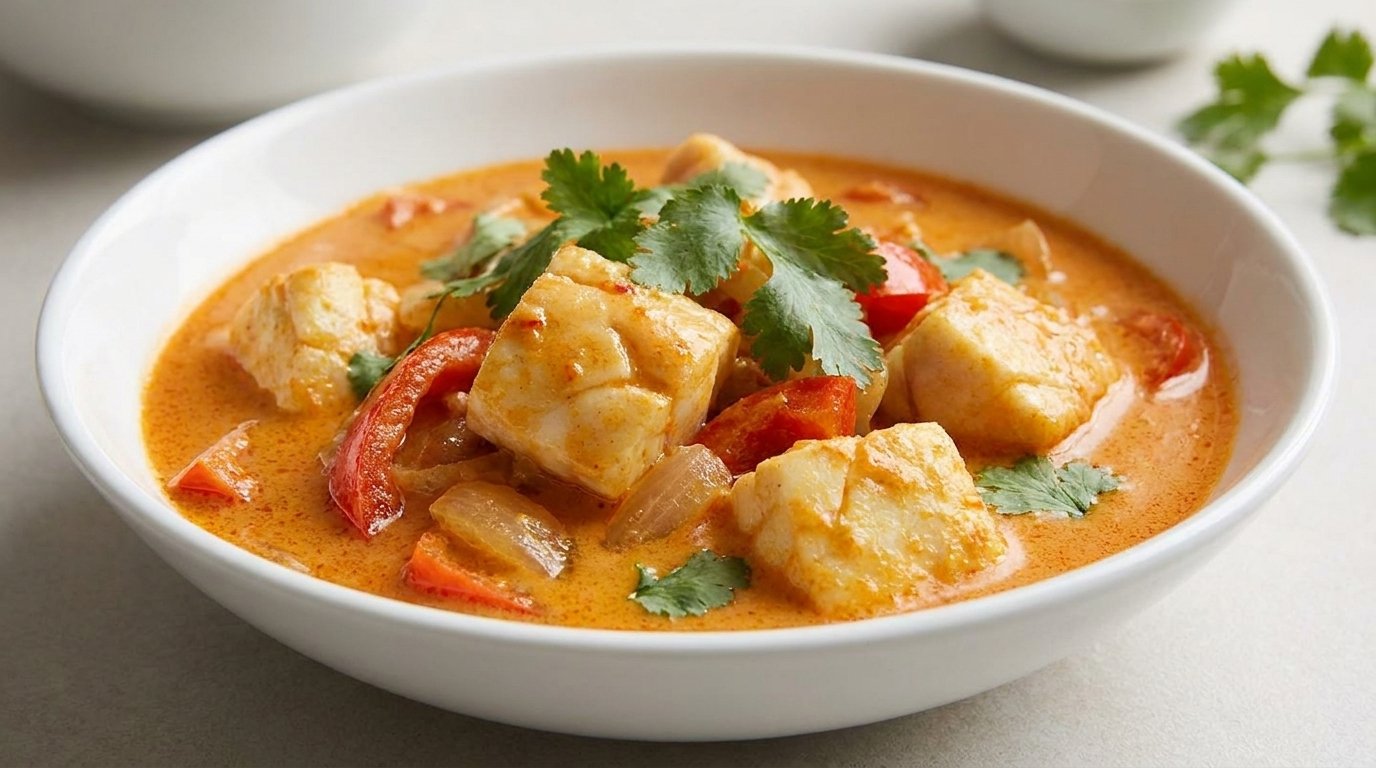
Thai Traditional Monkfish Curry
4
servings10
minutes30
minutes363
kcal40
minutesMonkfish cubes hold their shape in this fragrant coconut curry. Red Thai curry paste gives the sauce its color and gentle heat, while lime juice and cilantro keep the finish fresh. Serve over jasmine rice.
Ingredients
1 tablespoon peanut oil
½ sweet onion, finely chopped
1 red bell pepper, chopped
3 tablespoons red Thai curry paste
1 can (about 400 ml / 14 oz) coconut milk
12 ounces (340 g) monkfish, cut into cubes
1 tablespoon fish sauce
2 tablespoons lime juice
2 tablespoons chopped fresh cilantro
Directions
- Heat the peanut oil in a large saucepan over medium heat. Add the chopped onion and cook for 3 to 5 minutes, until softened and translucent.
- Add the red bell pepper and cook for another 3 to 5 minutes, until softened.
- Stir in the red Thai curry paste and cook for 1 minute. Pour in the coconut milk and stir to combine. Bring slowly to a simmer.
- Once the coconut milk is simmering, add the cubed monkfish. Simmer for 7 to 10 minutes, until the fish is firm and the center is no longer opaque.
- Stir in the fish sauce, lime juice, and cilantro before serving.
Equipment
 Cutting boardCheck product details

 Measuring Spoons & CupsCheck product details
 Sharp Kitchen KnifeCheck product details
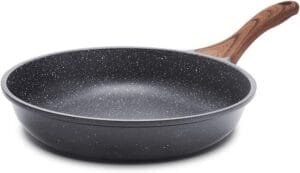
 SkilletCheck product details
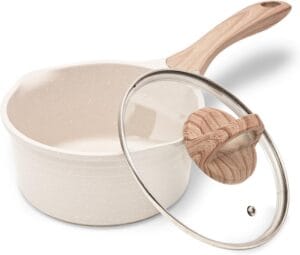
 Small potCheck product details
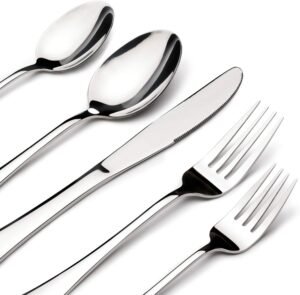
 Spoon and Folk SetCheck product details
- Wooden SpoonCheck product details



Recipe Video
Recipe Notes
- Cook the monkfish until firm and opaque in the center. Adjust the curry paste to your preferred heat level. Check curry paste and fish sauce labels for allergens and dietary suitability.
Nutrition Facts
- Serving Size: 4 g
- Total number of serves: 4
- Calories: 363kcal
- Fat: 29.5g
- Saturated Fat: 22.4g
- Cholesterol: 21mg
- Sodium: 388mg
- Potassium: 738mg
- Carbohydrates: 12.3g
- Net Carbs: 8.6g
- Fiber: 3.7g
- Sugar: 7.8g
- Protein: 15.7g
- Vitamin A: 137.8mcg
- Vitamin C: 47mg
- Calcium: 52mg
- Iron: 2mg
- Vitamin E: 1.2mg
- Vitamin K: 2.4mcg
- Thiamin: 0.1mg
- Riboflavin: 0.1mg
- Niacin: 3mg
- Vitamin B6: 0.4mg
- Vitamin B12: 0.8mcg
- Folate: 48.3mcg
- Pantothenic Acid: 0.5mg
- Phosphorus: 290mg
- Magnesium: 71mg
- Zinc: 1mg
- Selenium: 37.9mcg
- Copper: 0.3mg
- Manganese: 1mg
Did you make this recipe?
Tag @cambodiarecipe on Instagram and hashtag it
Like this recipe?
Follow us @cambodiarecipe on Pinterest
Did you make this recipe?
Follow us on Facebook