Cambodian Grilled Pork Noodle Salad Recipe
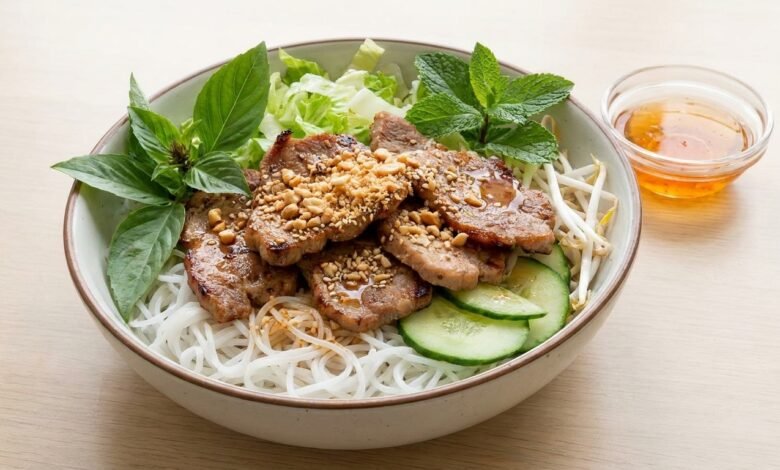
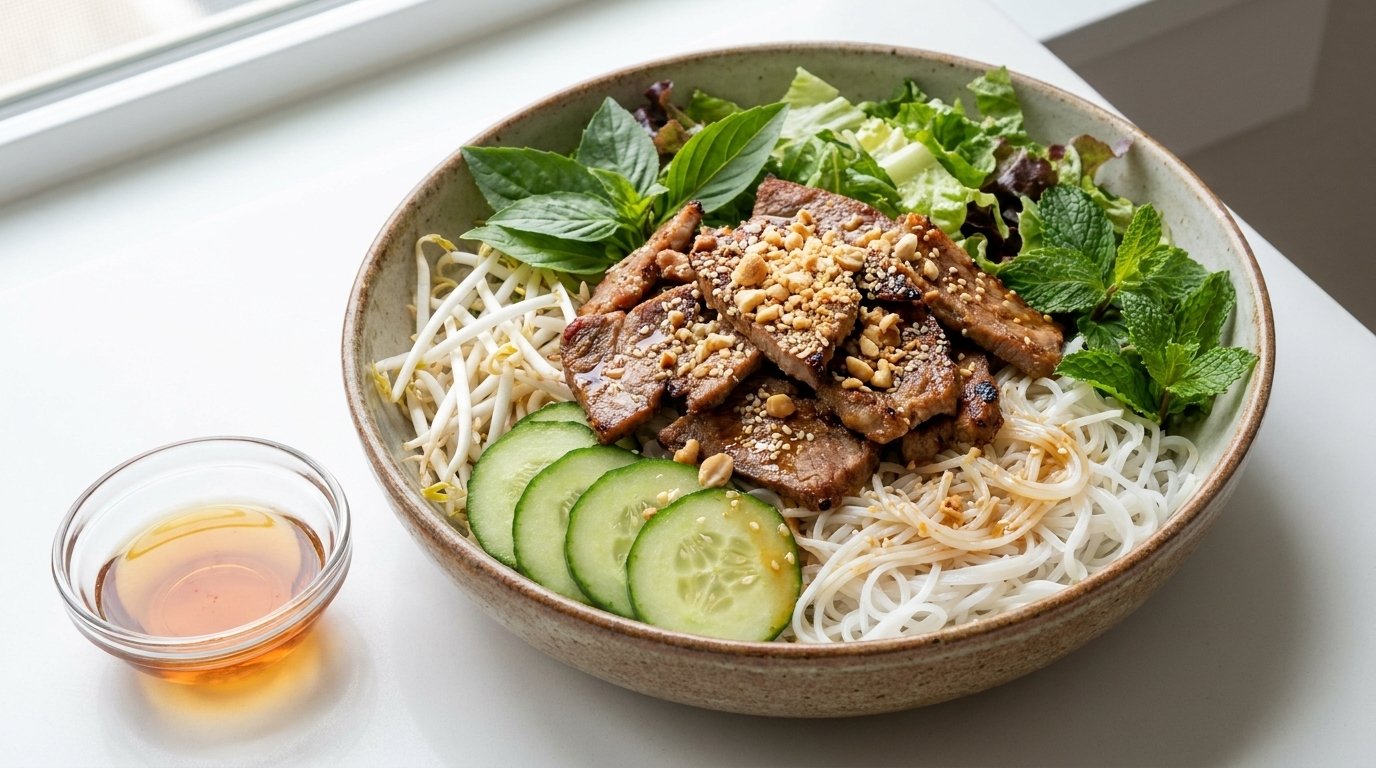
This Cambodian grilled pork noodle salad is the kind of bowl that feels light and generous at the same time. Cold rice noodles sit under warm slices of lemongrass-scented pork, crisp lettuce, cucumber, and a pile of fresh basil and mint. A sharp, garlicky fish sauce dressing gets drizzled over everything, and crushed peanuts go on last for crunch.
It is a practical meal for hot days because most of the work can happen ahead. You marinate the pork, make the dressing, and prep the vegetables. Then you grill the meat and build each bowl right before eating. The contrast between the cold noodles and the warm, charred pork is the whole point.
What You Need
The pork should be sliced shoulder, about 3 to 4 inches thick, so it stays juicy on the grill or in the pan. Brown sugar, garlic, shallot, lemongrass, black pepper, soy sauce, and fish sauce go into the marinade, with a little olive oil to help it cling.
For the dressing, you need boiling water, fish sauce, garlic, sugar, white vinegar, and fresh lime juice. The salad itself is built on cooked rice noodles, chopped lettuce, sliced cucumber, basil, mint, and bean sprouts. Crushed peanuts are the garnish.
Equipment
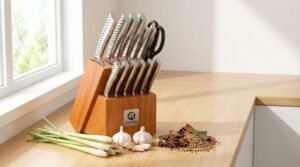
- Chef’s knife: To slice the pork shoulder and mince the garlic, shallot, and lemongrass for the marinade.
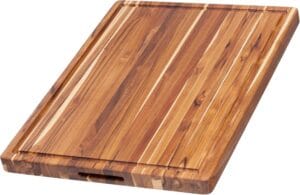
- Cutting board: To prepare the pork and chop the lettuce, cucumber, and herbs safely.
- Measuring spoons: To measure the brown sugar, soy sauce, fish sauce, vinegar, and other seasonings.
- Measuring cup: To measure the boiling water for the dressing.
- Mixing bowl: To combine the pork with the marinade and to mix the fish sauce dressing.
- Mortar and pestle: To pound the dry marinade ingredients into a paste, as the recipe directs.
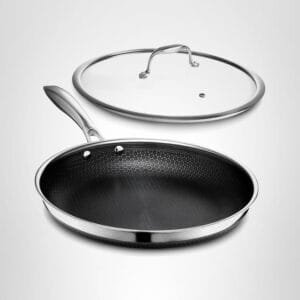
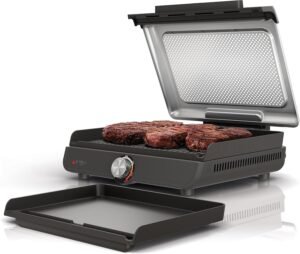
- Grill or frying pan: To cook the marinated pork until done, either outdoors or on the stovetop.
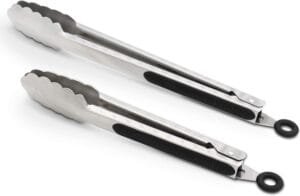
- Tongs: To turn the pork on the grill or in the pan without piercing the meat.
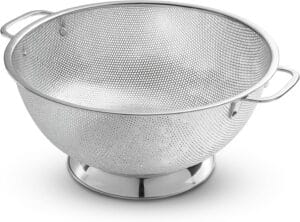
- Colander: To drain the cooked rice noodles after rinsing them under cold water.
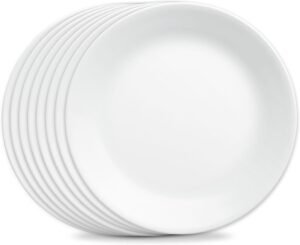
- Serving bowls: To build individual noodle salad portions.
How to Make Cambodian Grilled Pork Noodle Salad
Step 1: Make the Marinade Paste
Put the brown sugar, garlic, shallot, minced lemongrass, and black pepper into a mortar. Pound them together until they form a rough paste. This step distributes the aromatics evenly through the pork.
Step 2: Marinate the Pork
Put the sliced pork shoulder in a mixing bowl. Add the pounded paste, soy sauce, fish sauce, and olive oil. Mix well so every piece is coated. Cover the bowl and let the pork marinate for a few hours before cooking.
Step 3: Make the Fish Sauce Dressing
In a small bowl, combine the cooled boiling water, fish sauce, minced garlic, sugar, white vinegar, and lime juice. Stir until the sugar dissolves. Taste it and adjust to your preference, then set it aside.
Step 4: Cook the Pork
Grill the marinated pork over medium heat, or pan-fry it in a skillet, until it is cooked through. For whole cuts of pork, the safe minimum internal temperature is 145°F (62.8°C), followed by a three-minute rest. Slice the cooked pork into thin strips.
Step 5: Prepare the Noodles and Vegetables
Cook the rice noodles according to the package directions. Drain them in a colander and rinse under cold water until cool. Set them aside to drain well. Chop the lettuce, slice the cucumber, and pick the basil and mint leaves.
Step 6: Build the Bowls
Put enough cold rice noodles for one serving into a bowl. Top with lettuce, cucumber, basil, and bean sprouts. Add the sliced grilled pork on top. Drizzle the fish sauce dressing over the salad, mix everything together, and finish with crushed peanuts.
Cooking Tips
Pound the aromatics into a paste, not a puree. A rough paste is enough. The goal is to break down the lemongrass fibers and release the garlic and shallot juices so they cling to the pork.
Keep the noodles cold and well drained. Rinsing them under cold water stops the cooking and removes surface starch. Drain them thoroughly so the dressing does not turn the bowl watery.
Slice the pork against the grain. Pork shoulder has visible muscle lines. Cutting across them shortens the fibers and keeps each piece tender.
Taste the dressing before serving. Fish sauces vary in saltiness, and limes vary in acidity. Adjust with a little more sugar, lime, or fish sauce until the balance suits you.
How to Serve
Serve each bowl right after building it so the cold noodles and warm pork stay distinct. Put the crushed peanuts on the table so everyone can add their own. This salad works on its own for lunch or a light dinner. For a larger spread, pair it with another fresh Cambodian noodle dish, such as Cambodian noodle salad with sesame dressing, or keep the grilled pork theme going with Bai Sach Chrouk, Cambodia’s grilled pork and rice breakfast.
Recipe Notes
The recipe calls for marinating the pork for “a few hours.” Even 2 hours will season the meat, but a longer rest in the refrigerator builds more flavor. Let the pork sit at room temperature for about 15 minutes before grilling so it cooks more evenly.
If you pan-fry instead of grill, use a skillet wide enough to hold the pork in a single layer, or cook it in batches. Crowding the pan steams the meat instead of browning it.
Frequently Asked Questions
What does Cambodian grilled pork noodle salad taste like?
The dressing is salty, sour, and lightly sweet, with raw garlic and lime doing most of the sharp work. The pork brings a savory, lemongrass-scented note from the marinade. Fresh herbs and cucumber keep the bowl cooling, and peanuts add crunch.
Can I make this salad ahead?
You can marinate the pork, make the dressing, cook the noodles, and prep the vegetables up to a day ahead. Store each component separately in the refrigerator. Grill the pork and build the bowls when you are ready to eat.
How should I store leftovers?
Keep the cooked pork, noodles, vegetables, dressing, and peanuts in separate containers. The dressing will soften the vegetables if mixed in advance. Eat leftovers within 3 days.
Is this recipe gluten-free?
The recipe includes soy sauce, and regular soy sauce contains wheat. For a gluten-free version, use a certified gluten-free soy sauce or tamari, and check the fish sauce label if you need confirmed gluten-free status.
Final Thoughts
The best part of this bowl is the way the cold, slippery noodles meet the warm, savory pork. The dressing ties it together with salt and lime, and the peanuts keep every bite interesting. Once the pork is marinated, the rest comes together quickly, which makes this a useful recipe for a hot evening or a relaxed weekend lunch.
Cambodian Grilled Pork Noodle Salad Recipe
4
servings20
minutes15
minutes209
kcal35
minutesA Cambodian noodle salad built on chilled rice vermicelli, warm sliced grilled pork shoulder, lettuce, cucumber, basil, mint, and bean sprouts, finished with crushed peanuts and a lime-fish sauce dressing.
Ingredients
- For the pork marinade:
1½ lbs pork shoulder, sliced about 3 to 4 inches thick
1½ tsp brown sugar
1 tsp garlic
1 tsp shallot
3 tsp minced lemongrass
¼ tsp black pepper
1½ tsp soy sauce
1½ tsp fish sauce
1 tsp olive oil
- For the fish sauce dressing:
½ cup boiling water, cooled
¼ cup fish sauce
2 cloves garlic, minced
2 tsp sugar
1 tsp white vinegar
Juice of ½ lime
- For the noodle salad:
Rice noodles, cooked according to package directions and drained under cold water
Lettuce, chopped
Cucumber, sliced
Basil
Mint
Bean sprouts
Crushed peanuts, for garnish
Directions
- Pound the brown sugar, garlic, shallot, lemongrass, and black pepper in a mortar and pestle into a rough paste. Set aside.
- In a bowl, combine the pork with the pounded paste, soy sauce, fish sauce, and olive oil. Mix well. Cover and marinate for a few hours.
- In a small bowl, mix the cooled boiling water, fish sauce, minced garlic, sugar, white vinegar, and lime juice. Stir and set aside.
- Grill or pan-fry the marinated pork until cooked through. Slice into thin strips.
- Cook the rice noodles according to the package, drain, and rinse under cold water. Set aside.
- For each serving, put noodles in a bowl. Top with lettuce, cucumber, basil, and bean sprouts. Add sliced grilled pork. Drizzle the fish sauce dressing over the top, mix, and garnish with crushed peanuts.
Equipment
 Chef’s KnifeCheck product details
 Cutting boardCheck product details
 Deep Frying PanCheck product details
 Dinner PlatesCheck product details
 Indoor GrillCheck product details
 Measuring Spoons & CupsCheck product details
 Mixing BowlsCheck product details
 Mortar and Pestle SetCheck product details
 StrainerCheck product details




Recipe Video
Recipe Notes
- Marinate the pork for at least a few hours for better flavor. Let chilled pork sit at room temperature briefly before cooking so it grills more evenly.
Nutrition Facts
- Serving Size: 2 g
- Total number of serves: 4
- Calories: 209kcal
- Fat: 9.2g
- Saturated Fat: 2.8g
- Cholesterol: 70mg
- Sodium: 1532mg
- Potassium: 578mg
- Carbohydrates: 8.6g
- Net Carbs: 7.2g
- Fiber: 1.4g
- Sugar: 5.9g
- Protein: 22.8g
- Vitamin A: 30.3mcg
- Vitamin C: 6.1mg
- Calcium: 53mg
- Iron: 2mg
- Vitamin E: 0.4mg
- Vitamin K: 31.1mcg
- Thiamin: 1mg
- Riboflavin: 0.4mg
- Niacin: 5.3mg
- Vitamin B6: 0.6mg
- Vitamin B12: 1mcg
- Folate: 46.8mcg
- Pantothenic Acid: 1mg
- Phosphorus: 243mg
- Magnesium: 65mg
- Zinc: 4mg
- Selenium: 32.7mcg
- Copper: 0.2mg
- Manganese: 0.3mg
Did you make this recipe?
Tag @cambodiarecipe on Instagram and hashtag it
Like this recipe?
Follow us @cambodiarecipe on Pinterest
Did you make this recipe?
Follow us on Facebook