Khmer Beef Spring Roll
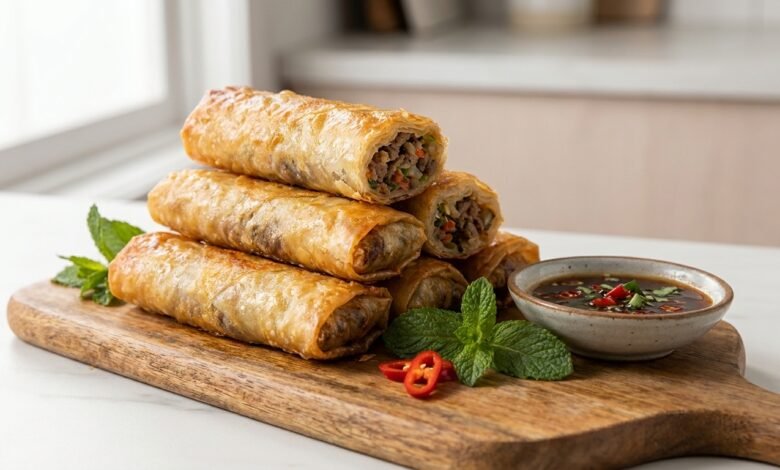
Khmer beef spring rolls are a special-occasion appetizer in Cambodian homes. The filling combines ground beef with jicama, a crisp root vegetable that stays slightly crunchy after cooking. Soy sauce, oyster sauce, and fish sauce give the meat a deep savory base, while a little sugar rounds out the edges.
These rolls are wrapped tightly and deep-fried until the shells turn golden and shatteringly crisp. They are best eaten hot, with a sweet fish sauce dip on the side. This recipe makes a large batch, so it works well for parties or a weekend cooking project.
What You Need
The most important ingredient here is jicama. It looks like a large brown turnip and has a white, crisp interior. When diced small, it adds a gentle sweetness and a light crunch that balances the richness of the beef. You can usually find it near the root vegetables in larger supermarkets or Asian grocery stores.
For the meat, use regular ground beef. The supplied recipe does not specify a lean-to-fat ratio. A common choice such as 80% lean / 20% fat will give you a juicy filling. The seasonings are standard Cambodian pantry items: fish sauce, soy sauce, oyster sauce, garlic, and black pepper.
Equipment
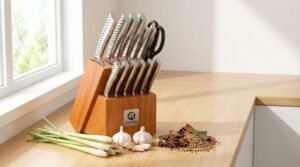
- Chef’s knife: To mince the garlic and dice the onion and jicama into small, even pieces.
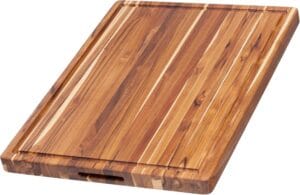
- Cutting board: A stable surface for preparing the vegetables and portioning the filling.
- Large mixing bowl: To combine the ground beef, vegetables, and seasonings thoroughly.
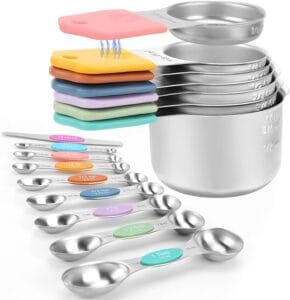
- Measuring cups and spoons: To measure the diced vegetables, sauces, sugar, and cornstarch accurately.
- Small bowl: To hold the egg white used for sealing the spring roll edges.
- Clean kitchen towel or paper towels: To pat the spring roll wrappers dry if they are moist, and to drain the finished rolls.
- Deep skillet, wok, or pot: For deep-frying the rolls in enough oil to submerge them.
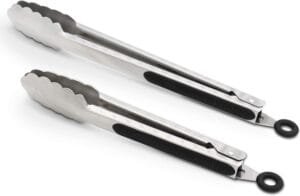
- Slotted spoon or tongs: To lower the rolls into the hot oil and lift them out safely.
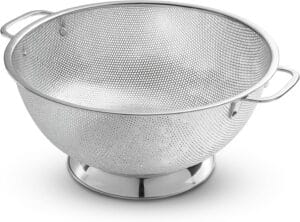
- Colander or wire rack: To rest the fried rolls so excess oil can drain away.
- Kitchen thermometer (optional but recommended): To monitor the oil temperature and keep it in a safe frying range.
How to Make Khmer Beef Spring Roll
Step 1: Make the Beef and Jicama Filling
Place the ground beef in a large mixing bowl. Add the minced garlic, diced yellow onion, and diced jicama.
Add the sugar, soy sauce, oyster sauce, fish sauce, cornstarch, and black pepper. Mix everything together until the seasonings are evenly distributed through the meat and vegetables. Set the filling aside while you prepare the wrappers.
Step 2: Separate the Spring Roll Shells
Gently pull apart the spring roll pastry shells one at a time. They are thin and can tear easily, so work slowly. Keep the unused shells covered with a clean, slightly damp towel to prevent them from drying out as you roll.
Step 3: Fill and Roll Each Spring Roll
Lay one sheet flat on a cutting board or plate. Spoon a portion of the meat filling onto the lower third of the wrapper. Do not overfill, or the roll may split during frying.
Fold the bottom edge of the wrapper over the filling, then fold in the two sides. Roll the wrapper upward tightly to enclose the filling. Dip a finger in the egg white and lightly moisten the top edge of the wrapper to seal the roll closed. Set the finished roll aside and continue with the remaining filling and wrappers.
Step 4: Deep-Fry Until Golden and Crisp
Heat the vegetable oil in a deep skillet, wok, or pot over medium heat. The oil should be hot enough to crisp the outside of the roll while the filling cooks through.
Deep-frying is fast, and hot oil can be dangerous. Never leave the pot unattended, and keep a kitchen fire extinguisher nearby. Do not let water touch the hot oil. If you have a kitchen thermometer, aim for a frying temperature around 350°F to 375°F, which is a common range for deep-fried foods.
Carefully lower a few rolls into the hot oil. Do not overcrowd the pot, because the temperature will drop and the rolls will absorb oil. Fry until the shells are golden brown and crisp on all sides. Use a slotted spoon or tongs to turn them as needed.
Lift the finished rolls out of the oil and rest them upright in a colander lined with paper towels. This allows excess oil to drain away.
Cooking Tips
- Keep the wrappers covered. Spring roll pastry dries out quickly. A damp towel over the stack makes separating and rolling much easier.
- Do not overfill. A modest amount of filling gives you a tighter roll that is less likely to burst in the oil.
- Fry in batches. Adding too many rolls at once lowers the oil temperature and makes the shells greasy instead of crisp.
- Drain upright. Resting the rolls on their ends in a colander helps oil run out from the open seams.
How to Serve
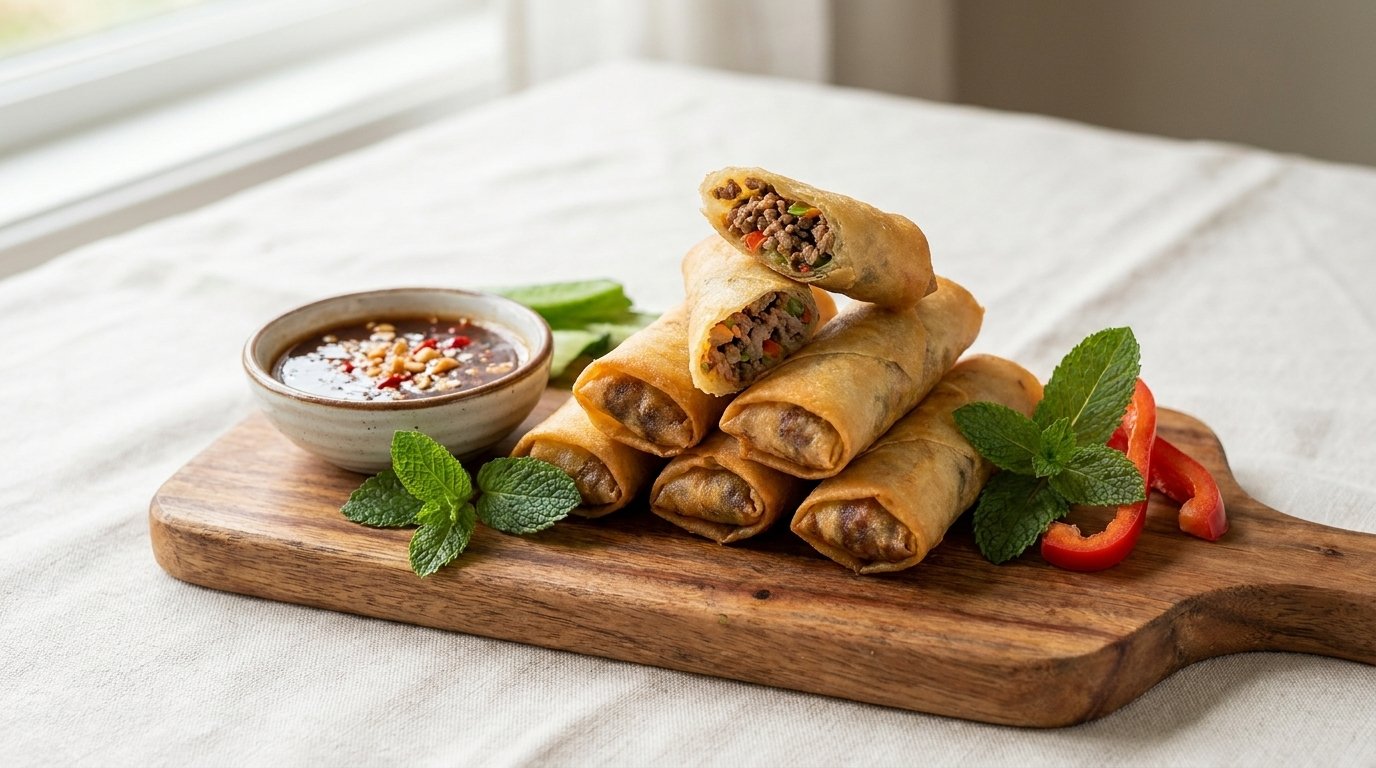
Serve the spring rolls hot, while the shells are still crisp. In Cambodia, they are commonly paired with tuk trey, a sweet fish sauce dip made with fish sauce, sugar, water, vinegar, and sometimes garlic or chili.
Arrange the rolls on a plate with a small bowl of dipping sauce in the center. They work well as an appetizer or finger food. For a fuller meal, serve them alongside steamed jasmine rice and a light cucumber salad.
If you enjoy Cambodian beef dishes, you might also like our Cambodian Beef Loc Lac recipe. It is a quick stir-fry with a savory marinade and a bright lime-pepper sauce. For another appetizer idea, our Cambodian Fresh Shrimp Spring Rolls are a lighter, no-fry option.
Recipe Notes
The supplied recipe does not include the deep-frying step in its written instructions, but the ingredient list specifies 6 cups of vegetable oil “for deep fry.” This article includes a frying step to complete the recipe based on that ingredient. The original source also notes that if you are new to rolling spring rolls, the back of the spring roll pastry package often has illustrated folding instructions that can help.
Frequently Asked Questions
What is jicama, and where can I buy it?
Jicama is a crisp, mildly sweet root vegetable with brown skin and white flesh. It is sometimes called yam bean or Mexican turnip. Look for it in the produce section of larger supermarkets or Asian grocery stores. Choose a firm, heavy root without soft spots.
Can I make these spring rolls ahead of time?
You can assemble the uncooked rolls ahead of time and refrigerate them, covered, for a few hours before frying. For longer storage, freeze the assembled rolls on a tray until firm, then transfer them to a freezer bag. Fry them directly from frozen, adding a few extra minutes to the cooking time.
What kind of dipping sauce goes with Khmer beef spring rolls?
A sweet fish sauce dip, often called tuk trey or tirk trey p’am, is the traditional pairing. It balances salt, sugar, and acidity. You can also serve the rolls with a simple mix of lime juice, salt, and cracked black pepper.
Are these spring rolls gluten-free?
Not as written. Standard spring roll pastry shells contain wheat flour. Soy sauce and oyster sauce may also contain wheat. To make a gluten-free version, you would need to source gluten-free spring roll wrappers and verify that your sauces are produced without wheat.
Final Thoughts
Khmer beef spring rolls take a little patience at the rolling stage, but the reward is a tray of crisp, savory appetizers that disappear quickly. The jicama is what makes the filling distinct, giving each bite a gentle crunch and a touch of sweetness. Fry a batch for your next gathering, set out a bowl of sweet fish sauce, and let people help themselves while the rolls are still hot.
Khmer Beef Spring Roll
10
servings40
minutes25
minutes446
kcal1
hour5
minutesKhmer beef spring rolls are a savory Khmer appetizer made with a juicy ground beef and jicama filling wrapped in thin pastry and fried until golden. Serve hot with sweet fish sauce.
Cuisine: Cambodian
Ingredients
1 lb (450 g) lean ground beef
2 cloves garlic, minced
1 cup diced yellow onion
1 cup diced jicama
1 tbsp sugar
1 tbsp soy sauce
1 tbsp oyster sauce
1 tbsp fish sauce
1 tsp cornstarch
¼ tsp black pepper
1 package (50 pieces) spring roll pastry shells
1 egg white
6 cups vegetable oil, for deep-frying
Directions
- In a large bowl, combine the ground beef, garlic, onion, and jicama. Add the sugar, soy sauce, oyster sauce, fish sauce, cornstarch, and black pepper. Mix well and set aside.
- Gently pull apart the spring roll shells to separate them.
- Lay one sheet flat on a cutting board. Spoon some filling onto the lower third of the sheet.
- Fold the bottom edge over the filling, fold in the sides, and roll tightly. Seal the top edge with egg white. Repeat until the filling is used up.
- Heat the vegetable oil in a deep skillet or wok over medium heat. Fry the rolls in batches until golden brown and crisp. Drain on paper towels.
Equipment
 Chef’s KnifeCheck product details
 Cutting boardCheck product details
 Measuring Spoons & CupsCheck product details
 Mixing BowlsCheck product details
 Small bowlCheck product details
 Soup ThermometerCheck product details
 StrainerCheck product details






Recipe Notes
- The supplied recipe lists oil for deep-frying but does not include a written frying instruction; the frying step above is included to complete the recipe based on the ingredient list.
Nutrition Facts
- Serving Size: 2 g
- Total number of serves: 10
- Calories: 446kcal
- Fat: 29.1g
- Saturated Fat: 5.1g
- Cholesterol: 32mg
- Sodium: 584mg
- Potassium: 253mg
- Carbohydrates: 30.7g
- Net Carbs: 28.9g
- Fiber: 1.8g
- Sugar: 2.2g
- Protein: 15g
- Vitamin C: 4mg
- Calcium: 34mg
- Iron: 3mg
- Vitamin E: 2.3mg
- Vitamin K: 48.4mcg
- Thiamin: 0.3mg
- Riboflavin: 0.3mg
- Niacin: 5.1mg
- Vitamin B6: 0.2mg
- Vitamin B12: 1mcg
- Folate: 47.2mcg
- Pantothenic Acid: 0.4mg
- Phosphorus: 137mg
- Magnesium: 27mg
- Zinc: 3mg
- Selenium: 21.7mcg
- Copper: 0.1mg
- Manganese: 0.4mg
Did you make this recipe?
Tag @cambodiarecipe on Instagram and hashtag it
Like this recipe?
Follow us @cambodiarecipe on Pinterest
Did you make this recipe?
Follow us on Facebook