Khmer Taro Pork Spring Roll
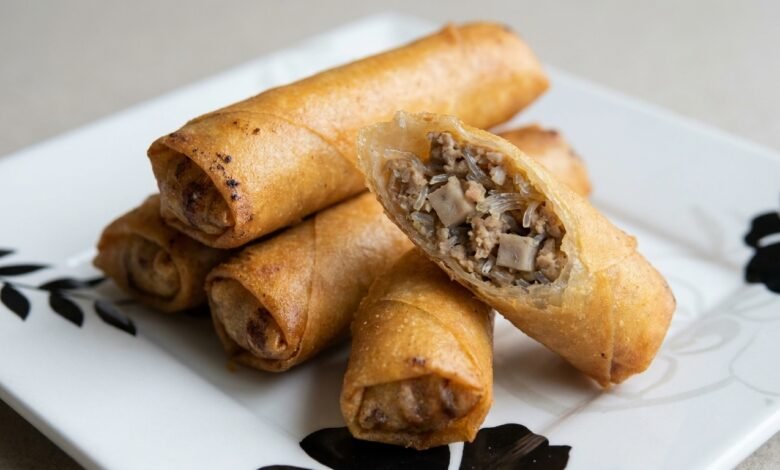
Khmer taro pork spring rolls are crispy on the outside and softly savory inside. The filling combines ground pork with shredded taro, cabbage, carrot, and bean thread noodles, so each bite has a little crunch, a little starch, and a lot of flavor.
This style of roll is often called num cha gio trao sach chrouk in Khmer Krom kitchens. It is a practical recipe for home cooks because the filling comes together in one bowl, and the rolling gets faster with each one. Serve them hot with a dipping sauce and watch them disappear.
What You Need
The main ingredient here is taro root. It looks like a hairy brown potato, but once peeled and shredded, it gives the filling a soft, slightly starchy texture that contrasts with the crisp wrapper. You will find taro at Asian grocery stores and some mainstream supermarkets.
Ground pork makes the filling hearty, while cabbage and carrot add sweetness and crunch. Bean thread noodles absorb the savory juices from the pork and fish sauce. Spring roll wrappers hold everything together, and egg white seals the edges before frying.
If you enjoy this style of spring roll, you might also like our Cambodia pork spring roll recipe, which uses a similar pork-and-vegetable filling without taro.
Equipment
- Large mixing bowl: To combine the ground pork, vegetables, noodles, and seasonings until evenly mixed.
- Chef’s knife: To finely chop the onion and garlic and to help prepare the vegetables.
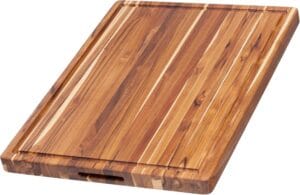
- Cutting board: To safely chop the onion, garlic, and other ingredients.
- Box grater: To shred the taro root, carrot, and cabbage into small, even pieces.
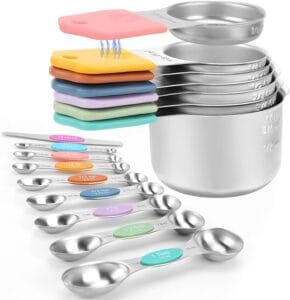
- Measuring cups: To measure the shredded taro, carrot, and cabbage.
- Measuring spoons: To measure the salt, fish sauce, sugar, and black pepper.
- Small bowl: To hold the egg white used for sealing the spring roll wrappers.
- Large wok or deep skillet: To heat the vegetable oil and deep-fry the spring rolls.
- Deep-fry thermometer: To check that the oil is hot enough before adding the rolls.
- Spider strainer or slotted spoon: To lift the rolls out of the hot oil safely.
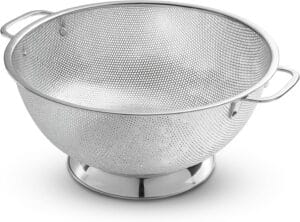
- Colander lined with paper towels: To rest the fried rolls upright and drain excess oil.
- Plate lined with paper towels: To hold the rolls as they drain.
How to Make Khmer Taro Pork Spring Roll
Step 1: Mix the Pork Filling
In a large bowl, combine 1 lb (450 g) ground pork with 4 cloves minced garlic, 2 finely chopped yellow onions, ½ teaspoon salt, 1 tablespoon fish sauce, 1 tablespoon sugar, and ¼ teaspoon black pepper. Mix well until the seasonings are evenly distributed through the pork.
Step 2: Add the Vegetables and Noodles
Add 1 cup shredded carrot, 1 cup shredded cabbage, 2 cups shredded taro root, and the chopped bean thread noodles to the pork mixture. Mix everything together until the vegetables and noodles are evenly combined. Set the filling aside while you prepare the wrappers.
Step 3: Separate the Spring Roll Wrappers
Gently pull out each spring roll wrapper and separate it from the stack. Work slowly because the wrappers tear easily when they are cold or stuck together. Keep the unused wrappers covered with a clean, damp towel so they do not dry out while you roll.
Step 4: Fill and Roll Each Spring Roll
Lay one wrapper flat on a cutting board or plate. Spoon some filling onto the lower third of the wrapper. Fold the bottom edge over the filling, fold in the two sides, and roll upward tightly. Dip your finger in the egg white and run it along the top edge to seal the roll. Repeat until all the filling is used. This recipe makes 25 large spring rolls.
If you have never rolled a spring roll before, check the back of the spring roll wrapper package. Most brands include illustrated instructions that are easy to follow.
Step 5: Heat the Oil
Pour 6 cups of vegetable oil into a large wok or deep skillet. Heat the oil over medium heat. When the oil is hot, it is ready for frying. If you have a deep-fry thermometer, use it to check the temperature before adding the first roll.
Deep-frying hot oil can be dangerous, so follow USDA deep-frying safety guidance and keep a kitchen fire extinguisher nearby.
Step 6: Deep-Fry Until Golden
Carefully place a few spring rolls into the hot oil. Do not overcrowd the wok, because the oil temperature will drop and the rolls will absorb too much oil. Fry each batch until the rolls are crispy and golden brown on all sides.
Turn the rolls occasionally so they cook evenly. When a roll is done, lift it out and place it upright in a colander lined with paper towels. The paper towels absorb the excess oil. Continue frying the remaining rolls in batches.
Step 7: Drain and Serve
Let the fried spring rolls rest upright in the colander for a few minutes so the excess oil can drain away. Serve them while they are still hot and crispy, with a dipping sauce on the side.
Cooking Tips
- Squeeze the taro if it is wet. Shredded taro can release moisture. If the filling looks wet, squeeze the shredded taro gently in your hands or press it in a clean towel before mixing.
- Keep the wrappers covered. Spring roll wrappers dry out quickly and crack. A damp towel over the stack prevents this while you work.
- Do not overfill the rolls. A small, tight roll fries more evenly than a large, loose one. Overfilled rolls can split and cause the oil to splatter.
- Fry in small batches. Adding too many rolls at once lowers the oil temperature and makes the rolls greasy instead of crisp.
- Check the pork is cooked through. Ground pork should reach 160°F (71°C), as recommended by FDA food safety guidance. A quick-read thermometer inserted into the center of a roll is the safest way to check.
How to Serve
Serve these spring rolls as an appetizer or snack. A simple dipping sauce made with fish sauce, lime juice, sugar, garlic, and chili is a classic match. Sweet chili sauce also works well if you want something quicker.
For a fuller meal, serve the rolls alongside steamed rice or a light Cambodian soup. They also fit naturally on a snack table with fresh herbs and lettuce. Browse more Cambodian appetizers and side dishes for serving ideas.
For a meatless version, try our Khmer vegetarian spring roll recipe, which also uses taro and cabbage. And if you have extra taro on hand, our pork with taro root soup is another comforting way to use it.
Recipe Notes
- The filling can be mixed ahead of time and kept covered in the refrigerator until you are ready to roll. Let it sit for about 15 minutes so the flavors settle.
- If you want to make the rolls ahead, assemble them and freeze them before frying. Place them in a single layer on a tray, freeze until solid, then transfer to a freezer bag. Fry from frozen, adding a minute or two to the cooking time.
- Leftover fried spring rolls are best eaten fresh. If you have extras, store them in an airtight container in the refrigerator for up to 2 days and reheat in an oven or air fryer to restore some crispness.
Frequently Asked Questions
Can I make these spring rolls ahead of time?
Yes. You can roll the spring rolls and keep them covered in the refrigerator for a few hours before frying. For longer storage, freeze the rolled, unfried spring rolls on a tray until firm, then transfer them to a freezer bag. Fry them straight from frozen, adding a minute or two to the frying time.
What kind of dipping sauce goes with these spring rolls?
A classic Cambodian dipping sauce made with fish sauce, lime juice, sugar, garlic, and chili is a good match. Sweet chili sauce also works well if you want something simpler.
Can I bake these spring rolls instead of deep-frying?
The supplied recipe is written for deep-frying, which gives the wrapper its signature crackly texture. Baking will change the texture and is not part of this method. If you prefer not to deep-fry, brush the rolls lightly with oil and bake them on a wire rack until golden, but expect a different result.
Are these spring rolls gluten-free?
They are not gluten-free as written. Spring roll wrappers are typically made with wheat flour. Check the wrapper package if you need to avoid gluten.
Final Thoughts
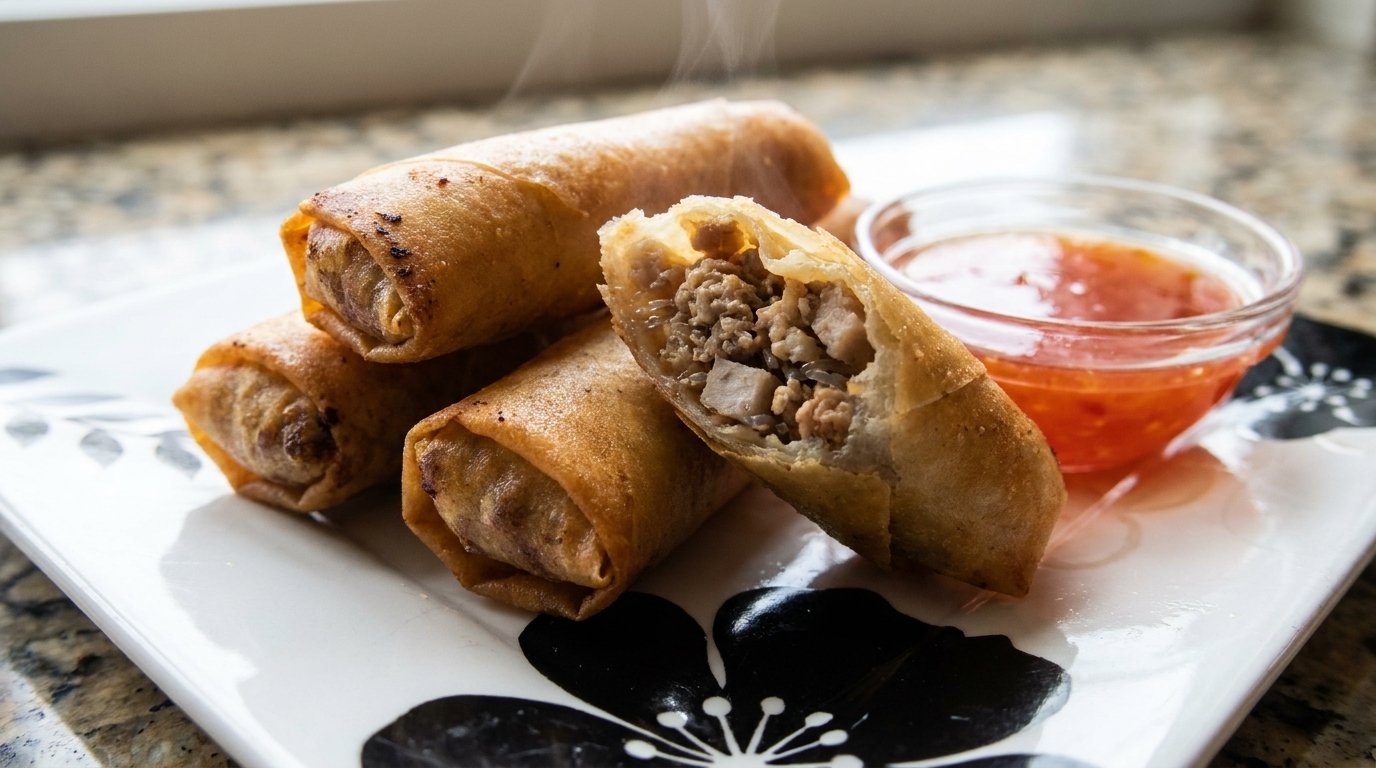
These Khmer taro pork spring rolls are a satisfying mix of crisp wrapper and savory filling. The taro gives the pork mixture a soft, starchy body, while the cabbage and carrot keep it from feeling heavy. Make a batch for a weekend snack or a gathering, and serve them hot while the wrappers are still crackling.
Khmer Taro Pork Spring Roll
25
servings30
minutes20
minutes212
kcal50
minutesA Khmer-style deep-fried spring roll with a savory pork and taro filling. The wrapper turns golden and crisp while the inside stays moist and flavorful.
Ingredients
1 lb (450 g) ground pork
4 cloves garlic, minced
2 yellow onions, finely chopped
½ teaspoon salt
1 tablespoon fish sauce
1 tablespoon sugar
¼ teaspoon black pepper
1 cup shredded carrot
1 cup shredded cabbage
2 cups shredded taro root
1 small package (1.7 oz / 50 g) bean thread noodles, soaked in hot water, drained, and chopped
1 package (25 pieces) spring roll wrappers
1 egg white, for sealing
6 cups vegetable oil, for frying
Directions
- In a large bowl, mix the ground pork with garlic, onion, salt, fish sauce, sugar, and black pepper.
- Add the shredded carrot, cabbage, taro root, and chopped bean thread noodles. Mix well and set aside.
- Gently separate the spring roll wrappers one by one. Keep the unused wrappers covered with a damp towel.
- Lay one wrapper flat. Spoon some filling onto the lower third. Fold the bottom edge over the filling, fold in the sides, and roll tightly. Seal the top edge with egg white. Repeat until the filling is used.
- Heat the vegetable oil in a large wok or deep skillet over medium heat.
- When the oil is hot, deep-fry the spring rolls in small batches until golden brown and crispy.
- Remove the rolls and rest them upright in a colander lined with paper towels to drain excess oil. Serve hot.
Equipment
 Cutting boardCheck product details
 Dinner PlatesCheck product details
 GraterCheck product details

 Large bowlCheck product details
 Measuring Spoons & CupsCheck product details
 Mixing BowlsCheck product details
- Soup ThermometerCheck product details
 StrainerCheck product details






Recipe Video
Recipe Notes
- The filling can be mixed ahead and refrigerated. Rolled, unfried spring rolls can be frozen and fried from frozen. Fried leftovers are best eaten fresh.
Nutrition Facts
- Serving Size: 2 g
- Total number of serves: 25
- Calories: 212kcal
- Fat: 14.6g
- Saturated Fat: 3.1g
- Cholesterol: 15mg
- Sodium: 224mg
- Potassium: 159mg
- Carbohydrates: 15g
- Net Carbs: 13.9g
- Fiber: 1.1g
- Sugar: 1.3g
- Protein: 5.3g
- Vitamin A: 43.4mcg
- Vitamin C: 2.6mg
- Calcium: 21mg
- Iron: 1mg
- Vitamin E: 1.1mg
- Vitamin K: 22.2mcg
- Thiamin: 0.2mg
- Riboflavin: 0.1mg
- Niacin: 1.9mg
- Vitamin B6: 0.1mg
- Vitamin B12: 0.1mcg
- Folate: 22.3mcg
- Pantothenic Acid: 0.2mg
- Phosphorus: 60mg
- Magnesium: 13mg
- Zinc: 1mg
- Selenium: 10mcg
- Copper: 0.1mg
- Manganese: 0.2mg
Did you make this recipe?
Tag @cambodiarecipe on Instagram and hashtag it
Like this recipe?
Follow us @cambodiarecipe on Pinterest
Did you make this recipe?
Follow us on Facebook