Cambodian Tilapia CURRY with Coconut Milk Recipe
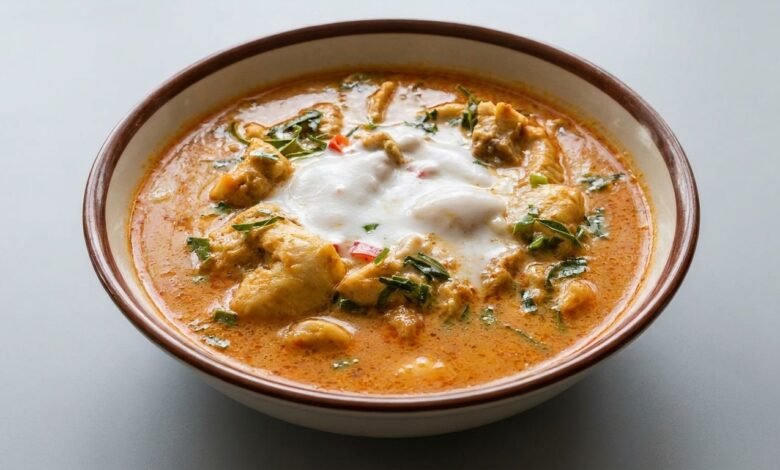
This steamed Cambodian fish curry is gentle, fragrant, and built around a fresh homemade paste. Tilapia fillets soak up coconut milk and aromatics, then finish with a drizzle of creamy coconut and a scatter of kaffir lime leaves.
It is the kind of dish that feels light but deeply savoury at the same time. The paste does most of the work, and the steamer takes care of the rest. If you are new to Cambodian cooking, this is a forgiving place to start.
What You Need
The heart of this dish is the fresh paste. Lemongrass, galangal, garlic, dried chilies, and kaffir lime leaves are pounded together with shrimp paste and red curry paste until they form a deep red mixture.
Dried Mexican chilies give the paste its colour without much heat. Collard greens or Chinese broccoli leaves go in at the end, just long enough to soften against the fish. Coconut milk brings everything together and becomes the sauce.
Equipment
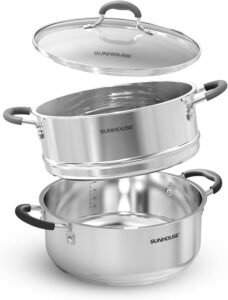
- Steamer or a wide pot with a steamer rack: To steam the fish gently and evenly until it is just cooked through.
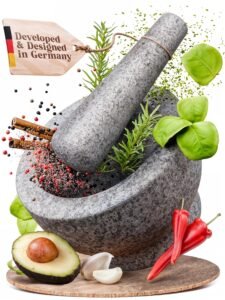
- Mortar and pestle: To pound the lemongrass, galangal, garlic, chilies, and kaffir lime leaves into a fragrant paste.
- Chef’s knife: To slice the tilapia, chop the chilies, and cut the collard greens and kaffir lime leaves.
- Cutting board: To give you a steady surface for preparing the fish and aromatics.
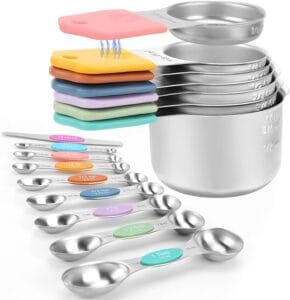
- Measuring spoons: To measure the fish sauce, sugar, shrimp paste, and red curry paste.
- Measuring cup: To measure the coconut milk and set aside the 2 tablespoons for topping.
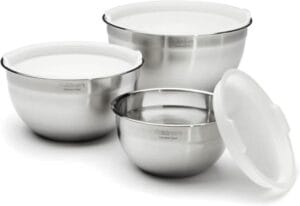
- Large mixing bowl: To fold the fish, paste, fish sauce, and greens together without breaking up the fillets.
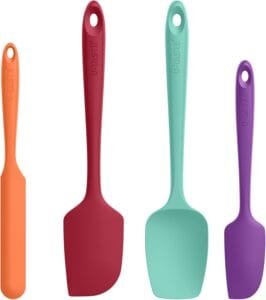
- Spoon or spatula: To fold the ingredients gently and to transfer the finished curry to a serving bowl.
How to Make Cambodian Tilapia Curry with Coconut Milk
Step 1: Soak and Prepare the Dried Chilies
Put the dried red Mexican chilies in a small bowl and cover them with warm water. Let them soak until they feel soft. Squeeze the water out, cut the chilies into small pieces, and set them aside.
Step 2: Pound the Aromatics into a Paste
Place the lemongrass, garlic, galangal, kaffir lime leaves, and soaked chilies in a mortar. Pound them with the pestle until they break down into a coarse paste. Keep going until the mixture looks moist and fragrant.
Step 3: Add the Shrimp Paste and Red Curry Paste
Add the shrimp paste and red curry paste to the mortar. Pound everything together again until the paste turns a deep, even red. The shrimp paste will loosen the mixture and add a savoury depth.
Step 4: Mix the Paste with Coconut Milk
Spoon the pounded paste into a bowl and pour in the coconut milk. Stir well so the paste dissolves into the milk. Reserve about 2 tablespoons of coconut milk for the topping before you mix the rest.
Step 5: Fold in the Tilapia and Greens
Place the sliced tilapia in a large bowl. Add the coconut-paste mixture and the fish sauce. Then add the collard green or Chinese broccoli leaves. Fold everything together gently with a spoon or spatula. Try not to break up the fish pieces.
Step 6: Steam Until the Fish Is Just Cooked
Transfer the mixture to a heatproof dish that fits inside your steamer. Steam over gentle heat until the fish is opaque and flakes easily. Tilapia cooks quickly, so check it early. For safe fish cooking, the internal temperature should reach 145°F (63°C), according to FoodSafety.gov.
When the fish is done, turn off the heat. Drizzle the reserved 2 tablespoons of coconut milk over the top. Scatter the remaining sliced kaffir lime leaves over the dish and serve.
Cooking Tips
- Pound the paste patiently. A rough paste will still taste good, but a finer paste blends more evenly into the coconut milk. Give the lemongrass and galangal time to break down before adding the softer ingredients.
- Do not overshoot the steaming time. Tilapia is thin and cooks fast. Start checking a few minutes before you think it is ready. The fish should look opaque all the way through and flake with a fork.
- Reserve the coconut milk before mixing. Set aside the 2 tablespoons for topping before the rest goes into the bowl. This small step gives the finished dish a fresh, creamy finish.
How to Serve
Spoon the steamed curry into shallow bowls and serve it with steamed jasmine rice. The rice soaks up the coconut sauce and balances the gentle richness of the fish.
If you want a fuller meal, add a simple cucumber or herb salad on the side. A small dish of extra sliced chilies can go on the table for anyone who wants more heat. For another coconut-based Cambodian curry, you can also try this Khmer red chicken curry.
Recipe Notes
This recipe uses a fresh paste rather than a store-bought kroeung. If you are new to these ingredients, the Cambodian ingredients guide explains what lemongrass, galangal, and kaffir lime leaves look like and how they are used in Khmer cooking.
The red curry paste is a seasoning here, not the main base. The fresh paste does most of the flavouring. If you enjoy steamed fish curries, this dish sits close to the family of Cambodian fish amok, though the texture and method are different.
Frequently Asked Questions
Can I use a different fish?
Yes. Tilapia works well because it is mild and cooks quickly. Any thin white fish fillet that holds its shape during steaming can be used. Adjust the steaming time based on the thickness of the fish.
Is this dish spicy?
No. The dried Mexican chilies are there for colour more than heat. The finished curry is mild and aromatic, with warmth from the paste rather than chili burn.
Can I make the paste ahead?
Yes. The pounded paste can be made a day ahead and kept covered in the refrigerator. Let it come to room temperature before mixing it with the coconut milk and fish.
How should I store leftovers?
Keep leftovers in a covered container in the refrigerator and reheat gently. Fish does not improve after freezing in a steamed curry, so it is best eaten within a day or two.
Final Thoughts
This Cambodian tilapia curry is a quiet, fragrant dish that lets the paste and the coconut milk do the talking. The steamer keeps the fish tender, and the raw greens soften just enough to fold into the sauce. Serve it with rice and a little extra kaffir lime on top, and it makes a gentle, satisfying meal. For another fish curry in a similar spirit, this Cambodian fish curry recipe is a good next step.
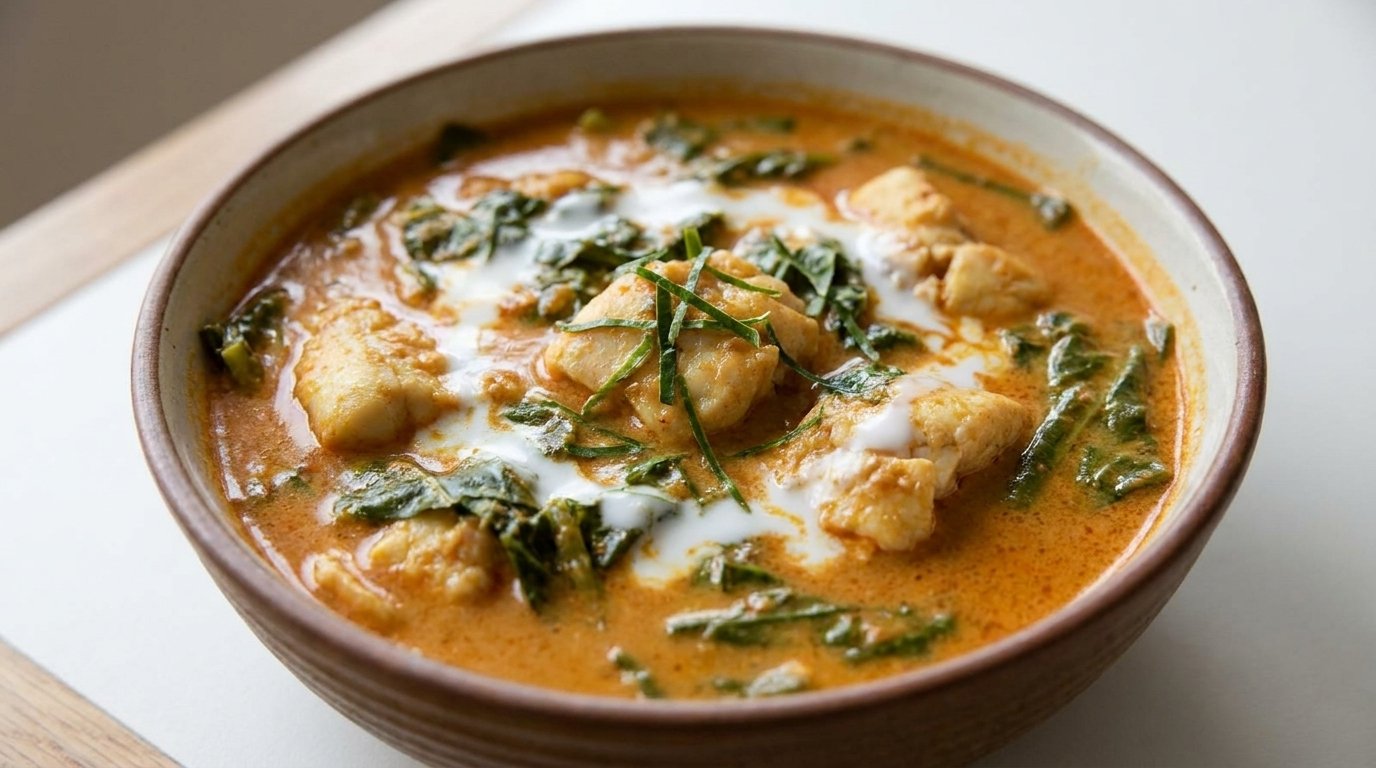
Cambodian Tilapia CURRY with Coconut Milk Recipe
4
servings20
minutes15
minutes376
kcal35
minutesTilapia fillets are folded into a homemade red paste with coconut milk, fish sauce, and leafy greens, then steamed until tender. Finished with a drizzle of coconut milk and sliced kaffir lime leaves.
Ingredients
1 lb tilapia fillets, sliced thin (boneless, meat only)
1 can coconut milk (reserve about 2 tbsp for topping)
1 tsp fish sauce
1 tsp sugar
2 dried red Mexican chilies
5 cloves garlic
2 pieces galangal
¼ cup sliced lemongrass (about 1 stalk, white part only)
1 tsp kapi (Thai shrimp paste)
1 tsp red curry paste
1 cup thinly sliced collard green or Chinese broccoli leaves
6 kaffir lime leaves, cut into thin pieces (reserve a few for garnish)
Directions
- Soak the dried chilies in warm water until soft. Squeeze out the water, cut them into small pieces, and set aside.
- In a mortar, pound the lemongrass, garlic, galangal, kaffir lime leaves, and soaked chilies into a paste.
- Add the shrimp paste and red curry paste. Pound again until the mixture turns into a red paste.
- Add the coconut milk to the paste and mix well. Reserve 2 tablespoons of coconut milk for topping.
- In a large bowl, combine the tilapia, the coconut-paste mixture, and the fish sauce. Add the collard greens and fold gently.
- Transfer to a heatproof dish and steam until the fish is cooked through and flakes easily. Turn off the heat, drizzle with the reserved coconut milk, and scatter the remaining kaffir lime leaves on top.
Equipment
 Chef’s KnifeCheck product details
 Cutting boardCheck product details
 Large steaming potCheck product details
 Measuring Spoons & CupsCheck product details
 Mixing BowlsCheck product details
 Mortar and Pestle SetCheck product details
 Silicone Spatula SetCheck product details
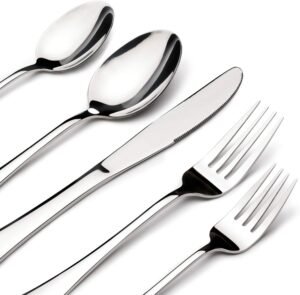
 Spoon and Folk SetCheck product details
Recipe Video
Recipe Notes
- The dried Mexican chilies are mild and mainly add colour. The paste can be made a day ahead and refrigerated.
Nutrition Facts
- Serving Size: 2 g
- Total number of serves: 4
- Calories: 376kcal
- Fat: 26.1g
- Saturated Fat: 21.8g
- Cholesterol: 71mg
- Sodium: 246mg
- Potassium: 797mg
- Carbohydrates: 12.7g
- Net Carbs: 9.5g
- Fiber: 3.2g
- Sugar: 6.1g
- Protein: 27.5g
- Vitamin A: 27.4mcg
- Vitamin C: 56.2mg
- Calcium: 58mg
- Iron: 3mg
- Vitamin D: 3.5mcg
- Vitamin E: 0.9mg
- Vitamin K: 27.3mcg
- Thiamin: 0.1mg
- Riboflavin: 0.1mg
- Niacin: 5.7mg
- Vitamin B6: 0.4mg
- Vitamin B12: 1.8mcg
- Folate: 66.3mcg
- Pantothenic Acid: 0.9mg
- Phosphorus: 327mg
- Magnesium: 83mg
- Zinc: 1mg
- Selenium: 55mcg
- Copper: 0.4mg
- Manganese: 1.3mg
Did you make this recipe?
Tag @cambodiarecipe on Instagram and hashtag it
Like this recipe?
Follow us @cambodiarecipe on Pinterest
Did you make this recipe?
Follow us on Facebook