Vegetarian Khmer Noodle Soup with Rhizome Roots
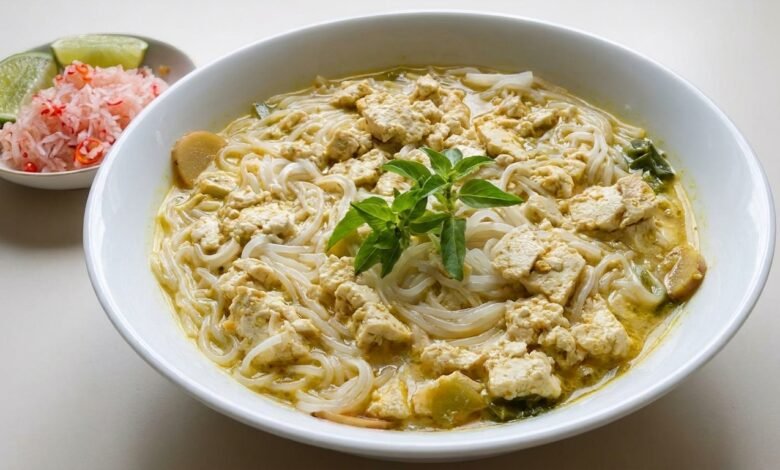
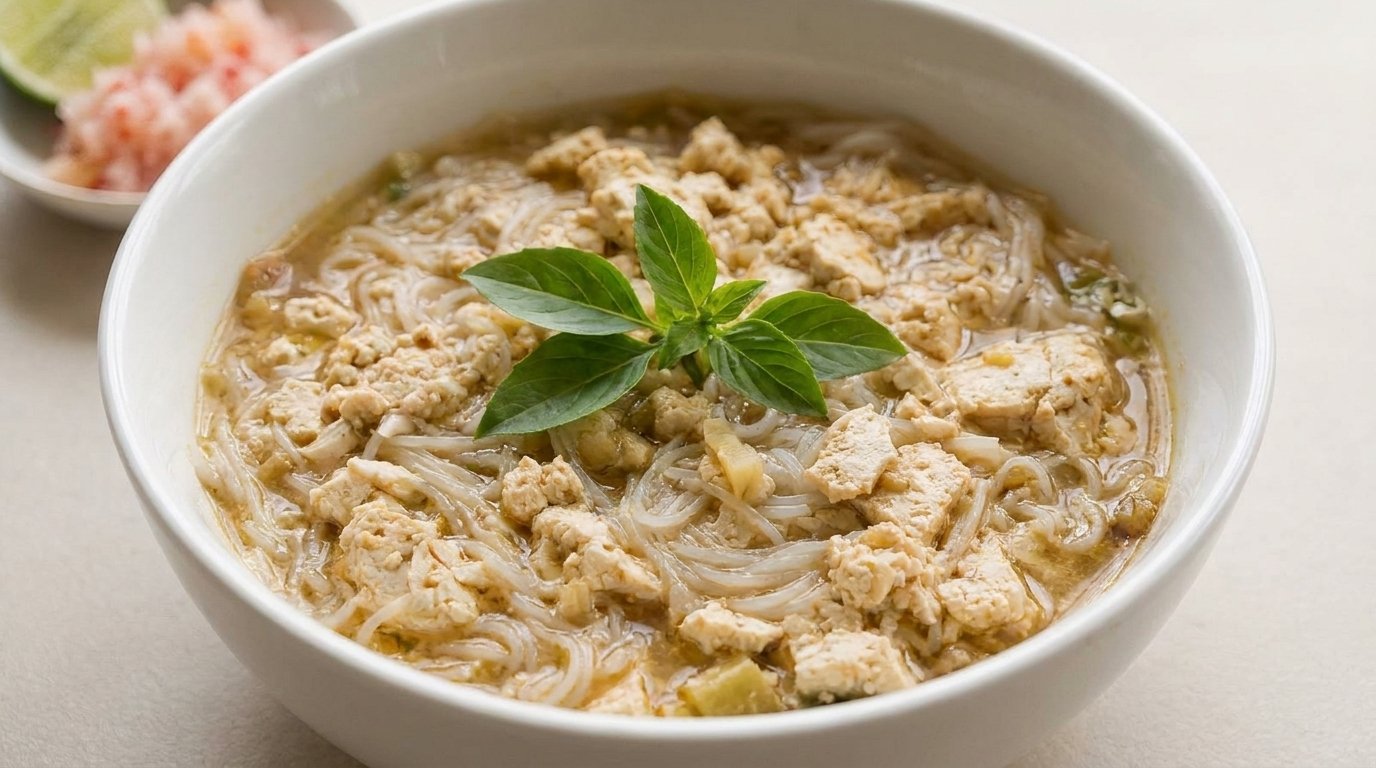
This vegetarian Khmer noodle soup keeps the aromatic heart of a classic Cambodian broth—lemongrass, galangal, and fingerroot—while leaving out the meat. Mushrooms and tofu build a light, savory base that soaks into rice vermicelli.
It is the kind of bowl that feels gentle and satisfying, especially when you want something warm without anything heavy. The broth simmers with whole aromatics first, then finishes with a pounded spice paste and crumbled tofu. Fresh cabbage, cucumber, and mint add crunch at the end.
What You Need
The soul of this soup comes from three rhizomes: lemongrass, galangal, and fingerroot. Fingerroot is the small, finger-shaped rhizome that gives many Khmer soups their gentle, aromatic depth. If you are new to these ingredients, our guide to core Cambodian ingredients explains how they are used in everyday Khmer cooking.
Button mushrooms and firm tofu replace the meat in this version. Rice vermicelli, shredded cabbage, cucumber, and mint complete the bowl.
Equipment
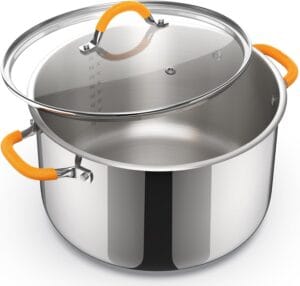
- Soup pot: To simmer the mushrooms, scallions, galangal, and water into a light broth.
- Small skillet: To sauté the pounded spice paste and crumbled tofu before adding them to the soup.
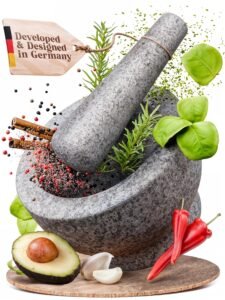
- Mortar and pestle: To pound the lemongrass, fingerroot, garlic, and chili into a fine paste.
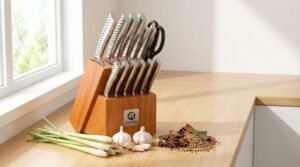
- Chef’s knife: To mince the garlic, lemongrass, and fingerroot, and to prepare the vegetables.
- Cutting board: To safely chop the scallions, mushrooms, cucumber, and cabbage.
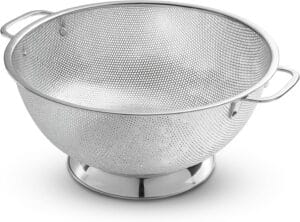
- Colander: To drain and rinse the cooked rice vermicelli under cold water.
- Measuring cups: To measure the water and shredded cabbage.
- Measuring spoons: To measure the minced lemongrass, fingerroot, sugar, and salt.
- Wooden spoon: To stir the broth and the tofu mixture as they cook.
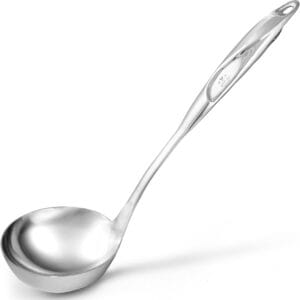
- Ladle: To serve the hot broth over the noodles and vegetables.
How to Make Vegetarian Khmer Noodle Soup with Rhizome Roots
Step 1: Cook the Rice Vermicelli
Bring 5 cups of water to a boil in a large pot. Add ½ package of rice vermicelli and cook until the noodles are tender. Pour the noodles into a colander, rinse them with cold water, drain well, and set aside.
Step 2: Prepare the Fresh Vegetable Garnish
In a large bowl, mix 2 cups of shredded cabbage, 1 peeled and julienned cucumber, and a handful of chopped mint. Set the bowl aside.
Step 3: Simmer the Aromatic Broth
Put 8 oz of button mushrooms, 4 scallions, 1 finger-sized piece of fresh galangal (or 4 slices of frozen galangal), and 5 cups of water into a large soup pot. Cover the pot with a lid and cook for 20 minutes.
After 20 minutes, remove the mushrooms, scallions, and galangal from the pot. Keep the broth simmering gently on the stove.
Step 4: Pound the Spice Paste
Use a mortar and pestle to pound ½ cup of minced lemongrass, 1 tablespoon of minced fingerroot, 3 cloves of minced garlic, and 2 chili peppers (optional) into a fine paste. Set the paste aside.
Step 5: Sauté the Tofu
Preheat a small skillet over medium heat. When the skillet is hot, add 2 tablespoons of vegetable oil and the pounded spice paste. Stir the paste in the oil, then add 2 pieces of firm tofu that have been mashed or crumbled. Stir well and cook until the tofu is coated and heated through.
Step 6: Combine and Season the Soup
Add the sautéed tofu mixture to the simmering broth. Stir and let the soup come back to a gentle bubble. Season with 1 tablespoon of sugar and 1 tablespoon of salt. Stir well, taste, and adjust if needed. The soup is ready when the broth is hot and the tofu has absorbed the aromatics.
To serve, divide the cooked rice vermicelli among bowls. Ladle the hot broth and tofu over the noodles, then top with the cabbage, cucumber, and mint mixture.
Cooking Tips
- Pound the spice paste until it is quite fine. A coarse paste can leave tough bits of lemongrass in the broth.
- Keep the broth at a gentle simmer after removing the whole aromatics. A hard boil can make it cloudy.
- Taste the broth after adding the sugar and salt. The mushrooms and tofu will have absorbed some seasoning, so adjust gradually.
How to Serve
Serve the soup hot, with the noodles and vegetables in separate bowls so each person can build their own bowl. The contrast of the hot, aromatic broth against the cool, crisp cabbage and cucumber is part of what makes this bowl refreshing.
If you enjoy Cambodian noodle soups, you might also like our Cambodian bean thread noodle soup for another light, comforting option. For a more substantial broth-based noodle dish, try Cambodian Phnom Penh noodle soup.
Frequently Asked Questions
Can I make this soup ahead of time?
You can prepare the broth and the pounded spice paste ahead of time. Cook the noodles and cut the vegetables fresh when you are ready to serve, so the textures stay crisp.
How should I store leftovers?
Store leftover soup in a shallow container in the refrigerator within two hours of cooking. According to the FDA’s food safety guidance, refrigerate leftovers promptly and keep them at 40°F (4°C) or below. For best quality, eat the soup within 3 to 4 days.
Final Thoughts
This vegetarian Khmer noodle soup is a quiet, aromatic bowl rather than a heavy one. The rhizomes do most of the work, and the crisp vegetables keep each spoonful lively. It is a good recipe to try when you want to cook with Cambodian flavors but keep things simple and meat-free. For more noodle ideas, browse our Cambodian noodle recipes.
Vegetarian Khmer Noodle Soup with Rhizome Roots
3
servings15
minutes25
minutes317
kcal40
minutesThis vegetarian version of a Khmer noodle soup uses whole aromatics to build a clear, fragrant broth, then adds a pounded rhizome paste and crumbled tofu for depth. Serve it over rice vermicelli with shredded cabbage, cucumber, and mint.
Ingredients
5 cups water
½ package rice vermicelli noodles
2 cups shredded cabbage
1 cucumber, peeled and julienned
A handful of chopped fresh mint
8 oz (230 g) button mushrooms
4 scallions
1 piece fresh galangal, about the size of a finger (or 4 slices frozen galangal)
½ cup minced fresh or frozen lemongrass
1 tablespoon minced fresh or frozen fingerroot
3 cloves garlic, minced
2 chili peppers, or to taste (optional)
2 tablespoons vegetable oil
2 pieces firm tofu, mashed or crumbled
1 tablespoon sugar
1 tablespoon salt
Directions
- Bring 5 cups water to a boil. Cook the rice vermicelli until tender, then drain, rinse under cold water, and set aside.
- In a large bowl, mix the shredded cabbage, cucumber, and mint. Set aside.
- In a large soup pot, combine the mushrooms, scallions, galangal, and 5 cups water. Cover and cook for 20 minutes. Remove the mushrooms, scallions, and galangal, keeping the broth simmering.
- Pound the lemongrass, fingerroot, garlic, and chili (if using) into a fine paste with a mortar and pestle.
- Heat the oil in a small skillet. Add the pounded paste and stir, then add the crumbled tofu. Stir well and cook until heated through.
- Add the tofu mixture to the simmering broth. Stir and bring back to a gentle bubble. Season with sugar and salt. Stir well.
- Serve the hot broth and tofu over the cooked noodles, topped with the cabbage, cucumber, and mint mixture.
Equipment
 Chef’s KnifeCheck product details
 Cutting boardCheck product details

 Large Soup PotCheck product details
 Measuring Spoons & CupsCheck product details
 Mortar and Pestle SetCheck product details
 StrainerCheck product details
 Wooden SpoonCheck product details



Recipe Video
Recipe Notes
- If fresh galangal is unavailable, frozen slices work well.
- The chili is optional; add it only if you want gentle heat.
- Rice vermicelli brands vary, so check the package for vegan suitability if that matters to you.
Nutrition Facts
- Serving Size: 2 g
- Total number of serves: 3
- Calories: 317kcal
- Fat: 9.9g
- Saturated Fat: 1.5g
- Sodium: 2433mg
- Potassium: 622mg
- Carbohydrates: 52.3g
- Net Carbs: 48.4g
- Fiber: 3.9g
- Sugar: 8.9g
- Protein: 5.7g
- Vitamin A: 21.2mcg
- Vitamin C: 26.7mg
- Calcium: 83mg
- Iron: 2mg
- Vitamin D: 0.2mcg
- Vitamin E: 1mg
- Vitamin K: 92.9mcg
- Thiamin: 0.2mg
- Riboflavin: 0.4mg
- Niacin: 3.3mg
- Vitamin B6: 0.3mg
- Folate: 68.6mcg
- Pantothenic Acid: 1.6mg
- Phosphorus: 180mg
- Magnesium: 45mg
- Zinc: 1mg
- Selenium: 13.7mcg
- Copper: 0.5mg
- Manganese: 1.1mg
Did you make this recipe?
Tag @cambodiarecipe on Instagram and hashtag it
Like this recipe?
Follow us @cambodiarecipe on Pinterest
Did you make this recipe?
Follow us on Facebook