Cambodian Fish Noodle Soup
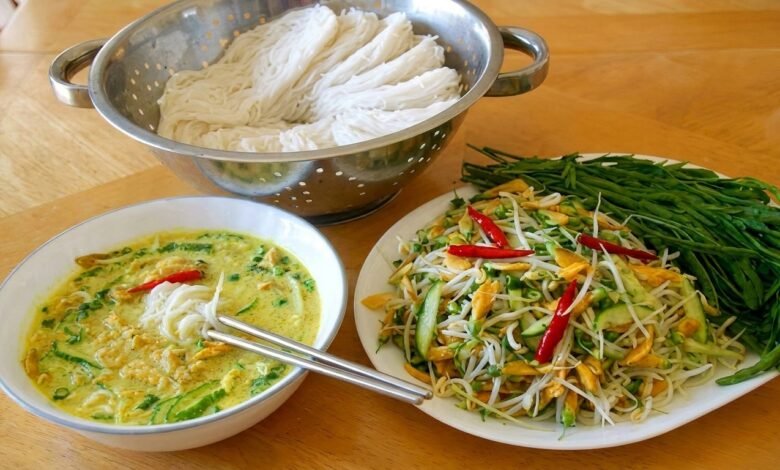
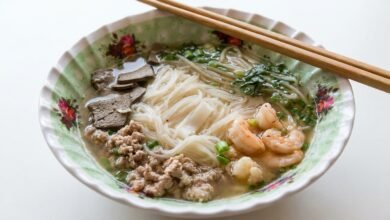
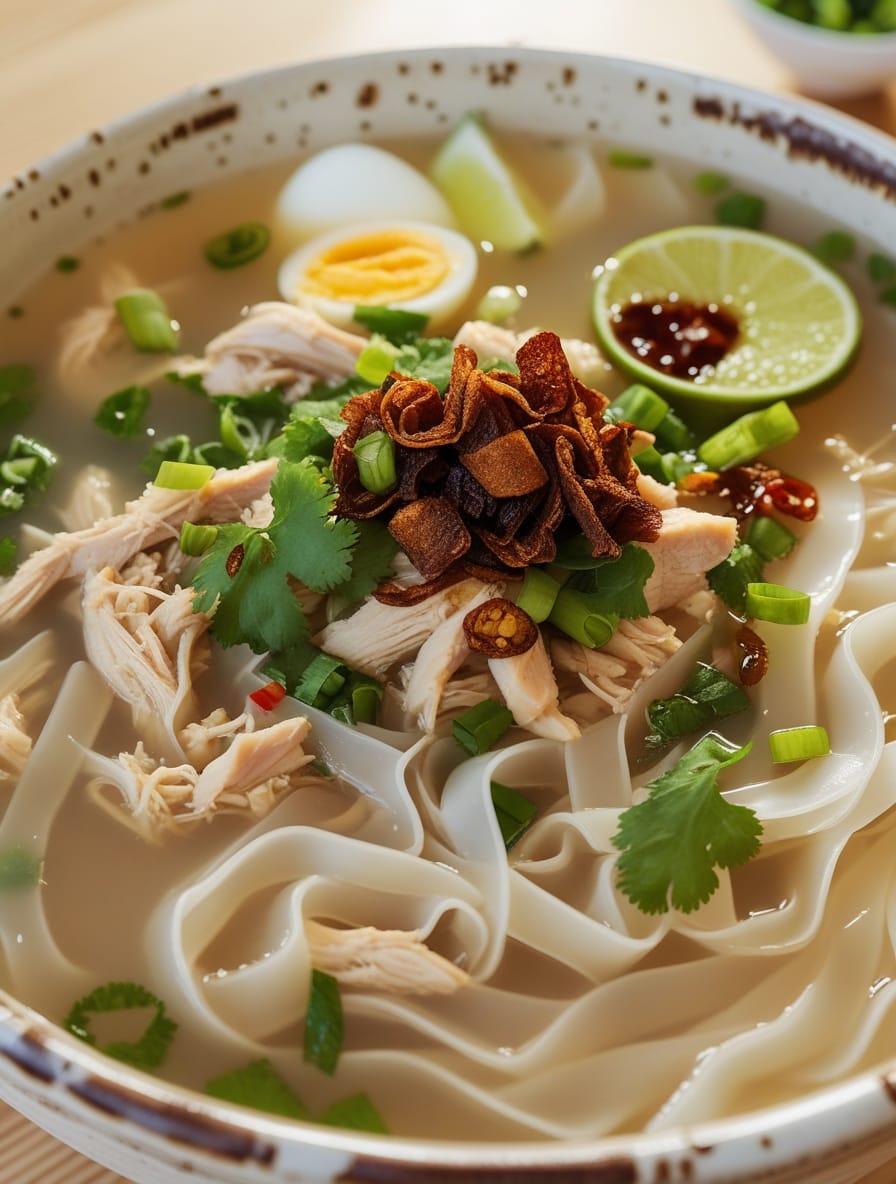
This fish noodle soup is what a warm bowl of Khmer comfort looks like. Soft rice vermicelli sits in a golden broth built from lemongrass, galangal, fingerroot, and turmeric. The fish is flaked into tender pieces, and roasted rice powder gives the broth a gentle, nutty body.
What makes this bowl stand out is the layering of aromatics. The spices are blended into a paste and fried before they meet the broth, so every spoonful carries a warm, savory depth. A small amount of pahok adds the fermented fish flavor that many Cambodian soups are known for.
What You Need
The ingredient list is short, but the aromatics do most of the work. You will need rice vermicelli, a firm white fish such as snakehead, basa, or catfish, and a fresh paste made from garlic, fingerroot, lemongrass, galangal, chili, and turmeric. Roasted rice powder thickens the broth slightly and adds a toasted note.
Fish sauce, sugar, and creamy pahok balance the flavor at the end. Green onion goes in with the paste, and the cooking oil helps the spices bloom in the pan. If you have never cooked with fingerroot or galangal before, an Asian grocery store is the best place to look.
Equipment
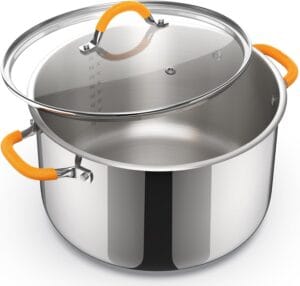
- Soup pot: To boil the water, cook the fish, and simmer the finished broth.
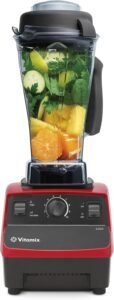
- Blender: To blend the garlic, fingerroot, lemongrass, galangal, chili, turmeric, roasted rice powder, green onion, and fish broth into a smooth paste.
- Skillet or wok: To heat the oil and fry the prepared spice paste with the cooked fish.
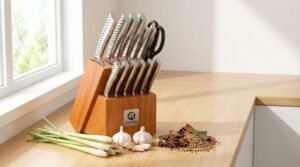
- Chef’s knife: To mince the garlic, fingerroot, lemongrass, galangal, and green onion.
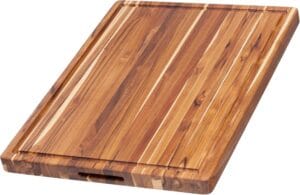
- Cutting board: To prepare the aromatics and green onion safely.
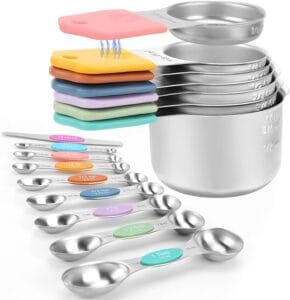
- Measuring cups: To measure the water and fish broth.
- Measuring spoons: To measure the fish sauce, sugar, and roasted rice powder.
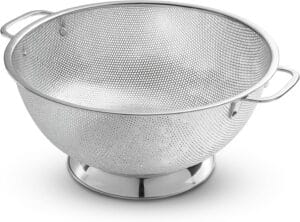
- Colander: To drain the cooked rice vermicelli.
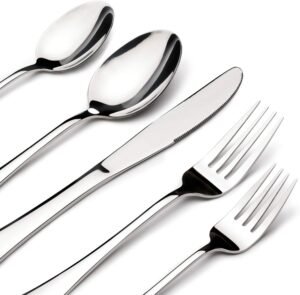
- Fork: To break the cooked fish into small pieces.
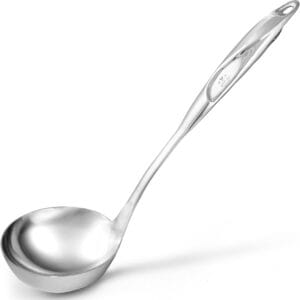
- Ladle: To serve the finished soup and broth into bowls.
- Serving bowls: To serve the noodle soup hot.
How to Make Cambodian Fish Noodle Soup
Step 1: Cook the Rice Vermicelli
Bring 8 cups of water to a rolling boil in a large pot. Add the rice vermicelli and cook until the noodles are tender. Pour the noodles into a colander, rinse them under cold water, and set them aside to drain.
Step 2: Poach the Fish
In a large pot, bring 6 cups of water to a bubbling boil. Add the fish fillets and cook until they are tender and opaque. Remove the fish from the pot and place it in a large bowl. Keep the cooking broth simmering on the stove.
Step 3: Flake the Fish
Use a fork to break the cooked fish into small, bite-size pieces. Set the flaked fish aside while you prepare the spice paste.
Step 4: Blend the Spice Paste
In a blender, combine the garlic, fingerroot, lemongrass, galangal, chili pepper, turmeric, roasted rice powder, green onion, and 1 cup of the hot fish broth. Blend until the mixture forms a smooth, fragrant paste. Set it aside.
Step 5: Fry the Paste with the Fish
Heat a skillet or wok over medium heat. When it is hot, add the vegetable oil and the prepared spice paste. Stir the paste in the hot oil until it smells fragrant. Add the flaked fish and stir well so the fish is coated in the spices.
Step 6: Simmer the Broth
Pour the fish and spice mixture into the pot of simmering broth. Stir to combine. Season with the fish sauce, sugar, and creamy pahok. Let the broth simmer for 15 minutes so the flavors come together.
Step 7: Serve the Noodle Soup
Divide the drained rice vermicelli among serving bowls. Ladle the hot fish broth and fish over the noodles. Serve immediately while the soup is steaming.
Cooking Tips
Keep the broth at a gentle simmer after you add the fish and spice mixture. A hard boil can break the flaked fish into very small pieces and make the broth cloudy.
Taste the broth before adding all of the fish sauce and pahok. Both ingredients are salty, and brands vary in strength. Start with the amounts in the recipe, then adjust if needed.
If you use frozen lemongrass, fingerroot, or galangal, you do not need to thaw them before blending. Add them directly to the blender with the other paste ingredients.
For another fish soup that uses roasted rice powder in the broth, try this opo squash with fish soup. It is a gentle, one-pot meal that works well for a weeknight dinner.
How to Serve
Ladle the soup over the cooked rice vermicelli in deep bowls. Make sure each bowl gets a good amount of fish and broth. Serve the soup hot, with extra fish sauce or sliced chili on the side for anyone who wants more salt or heat.
This soup is a full meal on its own because the noodles and fish make it filling. If you want a lighter meal, serve a smaller portion as part of a Cambodian family-style spread. A simple side of fresh herbs or cucumber can add a cool contrast to the warm broth.
If you enjoy Cambodian noodle soups, you may also like Kuy Teav, the clear pork-broth noodle soup that is eaten for breakfast across Cambodia. It has a different broth base but the same comforting bowl format.
Recipe Notes
The recipe uses creamy-style pahok, which is a fermented fish paste. It adds a savory, fermented depth to the broth. If you are new to pahok, start with the 2 tablespoons in the recipe and taste the broth before adding more.
Fingerroot is also called Chinese keys or krachai. It has a mild, peppery, and slightly medicinal flavor that is common in Khmer cooking. If you cannot find fresh fingerroot, frozen minced fingerroot works well in this recipe. You can read more about rhizome roots in this vegetarian Khmer noodle soup recipe.
Basa is a type of catfish, and it is one of the fish options for this soup. For safe handling and cooking guidance, the USDA Food Safety and Inspection Service provides catfish safety and handling information. Fish should be cooked until it is opaque and flakes easily with a fork.
Frequently Asked Questions
What does this Cambodian fish noodle soup taste like?
The broth is savory and gently aromatic. Lemongrass and galangal give it a clean, herbal fragrance, while turmeric adds a warm, earthy note. The pahok brings a fermented, salty depth, and the roasted rice powder gives the broth a slightly nutty body.
Can I use a different fish?
Yes. The recipe is written for snakehead fish, basa, or catfish. Any firm white fish that holds its shape when poached will work. Adjust the cooking time slightly depending on the thickness of the fillets.
How should I store leftovers?
Cool the soup and store it in a sealed container in the refrigerator. Keep the noodles and broth separate if possible so the noodles do not absorb all the liquid. Reheat gently on the stovetop until steaming hot.
Is this soup gluten-free?
The main ingredients are rice vermicelli, fish, and aromatics, which are naturally gluten-free. However, some brands of fish sauce and pahok may contain additives or cross-contamination risks. Check the labels on your specific products if you need a strict gluten-free guarantee.
Final Thoughts
This Cambodian fish noodle soup is a good example of how a few bold aromatics can turn simple ingredients into a full, satisfying meal. The spice paste does the heavy lifting, and the broth comes together in one pot. Try it when you want a warm bowl that feels both light and deeply flavorful.
For another fragrant fish broth with a similar aromatic base, see this Khmer lemony fish soup. And if you want to explore more fish soups with vegetables, this pea shoots and basa fish soup is a simple place to start.
For a deeper look at the traditional fish-curry noodle soup that this dish is related to, Honest Cooking’s guide to Nom Banh Chok explains how the broth is built from a fish curry paste and served with fresh herbs.
Cambodian Fish Noodle Soup
4
servings20
minutes40
minutes962
kcal1
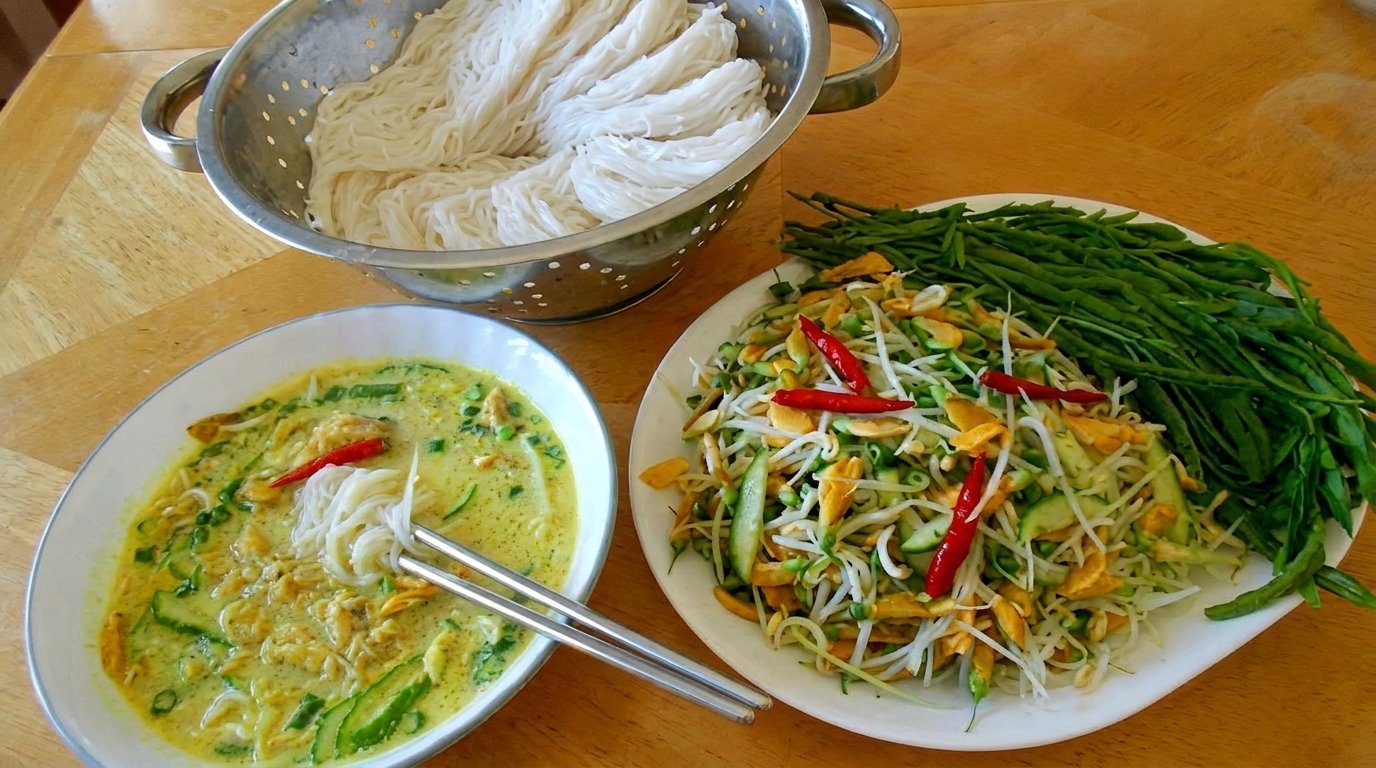
hourSoft rice vermicelli is topped with tender flaked fish and a golden broth made from lemongrass, galangal, fingerroot, turmeric, and roasted rice powder. Fish sauce, sugar, and creamy pahok balance the flavors at the end. Serve hot in deep bowls.
Ingredients
1 package rice vermicelli noodles
8 cups water, for cooking the noodles
2 lbs (900 g) snakehead fish, basa fish, or catfish fillets
6 cups water, for poaching the fish
4 cloves garlic, minced
1 tbsp minced fresh or frozen fingerroot
½ cup fresh or frozen minced lemongrass
1 tbsp minced fresh galangal, or frozen galangal
2 chili peppers (optional)
½ tsp turmeric powder, or ½ tsp grated fresh turmeric (optional)
2 tbsp roasted rice powder
2 stalks green onion, chopped
2 tbsp vegetable oil
1 tbsp fish sauce
1 tbsp sugar
2 tbsp creamy-style pahok (fermented fish paste)
Directions
- Bring 8 cups of water to a rolling boil in a large pot. Add the rice vermicelli and cook until tender. Drain in a colander, rinse under cold water, and set aside.
- In a large pot, bring 6 cups of water to a bubbling boil. Add the fish and cook until tender. Remove the fish to a bowl and keep the broth simmering.
- Use a fork to break the cooked fish into small pieces. Set aside.
- In a blender, combine the garlic, fingerroot, lemongrass, galangal, chili, turmeric, roasted rice powder, green onion, and 1 cup of the hot fish broth. Blend into a smooth paste.
- Heat a skillet or wok over medium heat. Add the oil and the spice paste. Stir until fragrant. Add the flaked fish and stir well.
- Pour the fish and paste mixture into the simmering broth. Season with fish sauce, sugar, and pahok. Simmer for 15 minutes.
- Divide the noodles among bowls and ladle the hot broth and fish over the top. Serve immediately.
Equipment
 BlenderCheck product details
 Chef’s KnifeCheck product details
 Cutting boardCheck product details

 Large Soup PotCheck product details
 Measuring Spoons & CupsCheck product details
 Small bowlCheck product details
 Spoon and Folk SetCheck product details
 StrainerCheck product details



Recipe Video
Recipe Notes
- Creamy-style pahok adds a fermented, savory depth. Taste the broth before adding more fish sauce or pahok, since both are salty. Frozen aromatics can go straight into the blender without thawing.
Nutrition Facts
- Serving Size: 4 g
- Total number of serves: 4
- Calories: 962kcal
- Fat: 15.5g
- Saturated Fat: 3.1g
- Cholesterol: 134mg
- Sodium: 584mg
- Potassium: 1219mg
- Carbohydrates: 143.8g
- Net Carbs: 138.8g
- Fiber: 5g
- Sugar: 6.6g
- Protein: 56.6g
- Vitamin A: 12mcg
- Vitamin C: 4mg
- Calcium: 96mg
- Iron: 4mg
- Vitamin D: 28.4mcg
- Vitamin E: 0.8mg
- Vitamin K: 25.5mcg
- Thiamin: 0.6mg
- Riboflavin: 0.3mg
- Niacin: 7mg
- Vitamin B6: 0.5mg
- Vitamin B12: 5.2mcg
- Folate: 60.2mcg
- Pantothenic Acid: 2.3mg
- Phosphorus: 812mg
- Magnesium: 143mg
- Zinc: 4mg
- Selenium: 116.8mcg
- Copper: 0.6mg
- Manganese: 2mg
Did you make this recipe?
Tag @cambodiarecipe on Instagram and hashtag it
Like this recipe?
Follow us @cambodiarecipe on Pinterest
Did you make this recipe?
Follow us on Facebook